Purple Weed Strains: The Best Purple Cannabis Seeds

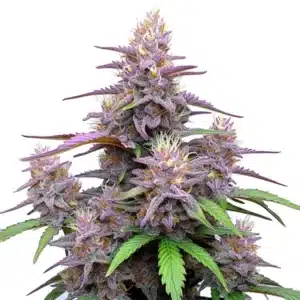
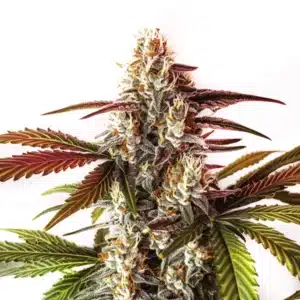
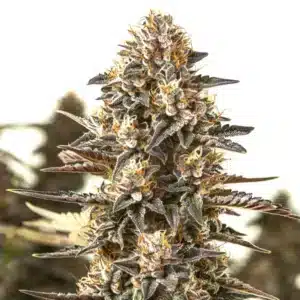
Purple weed strains get their color from anthocyanins, the same pigments that make blueberries and grapes blue-purple. Beyond the striking look, these strains usually carry 15-22% THC and finish flowering in 8-10 weeks. Cooler temperatures late in flower push the purple hues deeper, giving you buds that look as good as they smoke.
The appeal of purple weed is part color, part flavor. Rich in anthocyanins, these strains range from deeply relaxing to bright and uplifting, with sweet berry and grape notes. Classics like Granddaddy Purple and Purple Kush make an eye-catching, rewarding grow. Browse the full range of purple cannabis seeds to get started.
Recommended Strains

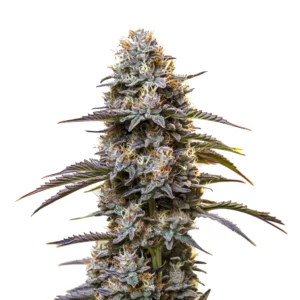
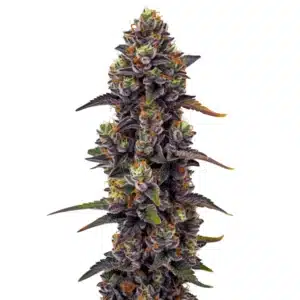
Purple Lemonade Autoflower

|
THC | 20% - 22% (Medium) |

|
Type | Autoflowering |

|
Yield | High |

|
Phenotype | 70% Indica / 30% Sativa |
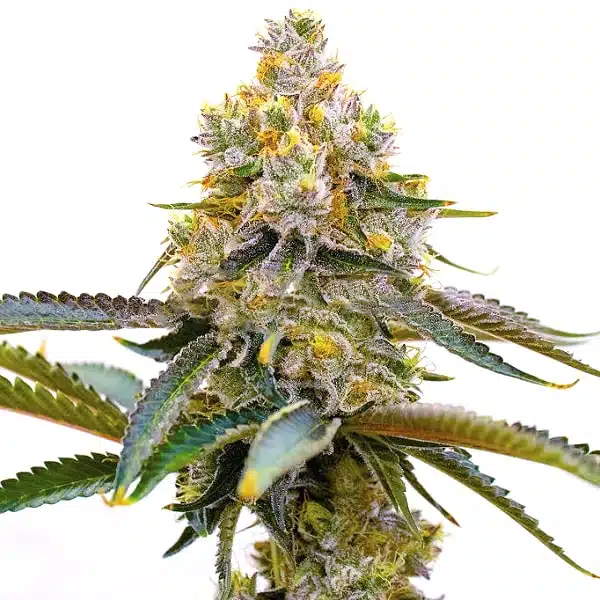
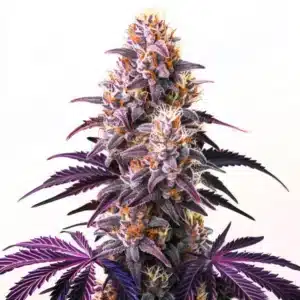
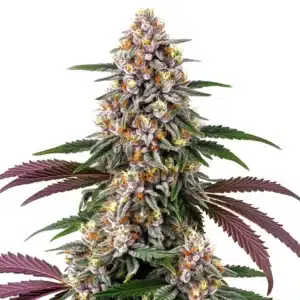
Amnesia Purple
|
|
THC | 18% - 21% (Medium) |
|
|
Type | Feminized |
|
|
Yield | High |
|
|
Phenotype | 30% Indica / 70% Sativa |
Why Choose Purple Weed Strains?
What Makes Purple Strains Unique
Purple weed strains owe their color to anthocyanins, pigments that develop in response to environmental cues like temperature. Those same pigments shape the flavor as well as the look. THC usually lands between 15-22%, but what really sets these strains apart is the mix of bold color and berry-sweet aroma.
Anthocyanins are the same flavonoid pigments found in blueberries and grapes. They respond to cooler temperatures, which is what deepens the purple in the buds. That color is a big part of the appeal for growers and smokers alike, on top of the flavor these strains are known for.
For growers, it comes down to temperature: cool nights around 50-60°F (10-15°C) late in flowering trigger more anthocyanin and a deeper purple. The payoff is not just prettier plants but the rich, distinctive flavor that purple weed strains are prized for.
What to Expect When You Grow Them
Growing purple weed strains is straightforward once you know what to expect. Most flower in 8-10 weeks and yield around 1.5-2 oz/ft² (450-600 g/m²) indoors. Flavors run from sweet berry to earthy, which is a big reason connoisseurs keep coming back to them.
Expert tip: to get the deepest purple, hold nighttime temperatures at 50-60°F (10-15°C) through the flowering stage. That drop pushes anthocyanin production and gives you noticeably more vibrant buds by harvest.
Promos & Deals
Best Purple Weed Strains
Purple Haze
Purple Haze is a sativa-dominant strain famous for its violet tint and upbeat, euphoric effect. At 17-20% THC it leans creative and social, with sweet, earthy flavors, and its dominant terpene, myrcene, rounds out the aroma. It flowers in about 9-10 weeks and yields roughly 1.8 oz/ft² (550 g/m²) indoors, which is a big part of why it stays on so many growers’ shortlists.
As a grow, Purple Haze takes a little patience. It flowers in about 9-10 weeks and rewards cool nights late in bloom, which are what deepen its violet tones. Yields are moderate indoors and more generous outdoors in a long, warm season, so it suits growers who want a showpiece sativa with a creative, daytime effect rather than those chasing the fastest possible turnaround.
Granddaddy Purple (GDP)
Granddaddy Purple is an indica with deep purple buds and a heavy, relaxing effect that suits evening use. At 18-23% THC it is one of the more potent purple weed strains, and many people reach for it to unwind. Its dominant terpene, caryophyllene brings a spicy, peppery aroma.
GDP flowers in 8-9 weeks and produces around 2 oz/ft² (600 g/m²) indoors, one of the better yields on this list. The sweet berry and grape flavor is exactly what most people picture when they think of purple weed.
Purple Kush
Purple Kush is a pure indica with roots in the Hindu Kush, known for its sedating effect and vivid purple buds. At 17-22% THC it is a classic nighttime pick, and its dominant terpene, linalool adds floral, lavender notes that match the mellow, calming vibe. It flowers in 8-9 weeks and yields about 1.5 oz/ft² (450 g/m²) indoors, with an earthy-sweet aroma and heavy resin that also make it popular for pressing into concentrates.
In the garden Purple Kush stays short and bushy and finishes quickly, in roughly 8 weeks, which makes it a good fit for indoor tents and discreet setups. Its sweet grape-and-earth flavor and heavy, full-body effect make it a classic choice for evening relaxation, pain or sleep. Just remember that its deep sedation is the opposite of a daytime strain, so plan to use it when you have nothing left to do.
Autoflowering Purple Weed Strains
Purple Lemonade Auto
Purple Lemonade Auto crosses Purple Lemonade with ruderalis for vivid purple buds and a bright citrus flavor. As an autoflowering strain it runs about 10 weeks from seed to harvest, ideal for fast grows, with a balanced 16-19% THC.
Its dominant terpene, limonene gives it that citrus lift and an uplifting feel. Indoors it yields around 1.2 oz/ft² (350 g/m²), a fair return for such a short, beginner-friendly auto.
Gorilla Purple Auto
Gorilla Purple Auto is a sturdy autoflower with striking purple buds, built from GG and Purple Punch genetics. It brings 18-22% THC and a deeply relaxing effect, with humulene giving it earthy, woody notes. With a quick 9-10 week cycle it yields around 1.5 oz/ft² (450 g/m²) indoors, making it an easy evening smoke and a strong pick for newer growers who still want color.
Because it is autoflowering, Gorilla Purple runs on its own clock, going from seed to harvest in about 10-11 weeks regardless of the light schedule, which makes it beginner-friendly and ideal for squeezing in several harvests a year. It stays compact and resin-heavy, and cool nights in late flower bring out the deepest purple, while its GG lineage keeps potency and trichome production high even in a short autoflower cycle.
How to Grow Purple Weed Plants
How to Enhance Purple Coloration
To deepen the purple in your plants, the two levers that matter most are temperature and pH. Cool flowering-stage temperatures, ideally 50-60°F (10-15°C), push anthocyanin production and bring out far more vibrant color in the buds.
Hold pH at 6.0-6.5 in soil or 5.5-6.0 in hydro so the plant takes up nutrients cleanly, which also supports color. Check it regularly with a digital pH meter, since swings can stress the plant and mute the purple.
Common Cultivation Challenges
Purple weed strains do come with a few challenges, mainly nutrient deficiencies and temperature swings. A stable environment, steady temperatures and a proper feeding schedule are what keep the plants healthy and the color consistent.
Expert tip: use a balanced nutrient mix with an N:P:K ratio near 1:3:2 in flowering to support both color and bud growth. Resist overfeeding, which causes nutrient lockout and can wash out the purple you are working for.
| Feature | Purple Haze | Granddaddy Purple | Purple Kush |
|---|---|---|---|
| THC content | 17-20% | 18-23% | 17-22% |
| Dominant terpene | Myrcene | Caryophyllene | Linalool |
| Flowering time | 9-10 weeks | 8-9 weeks | 8-9 weeks |
| Indoor yield | 1.8 oz/ft² (550 g/m²) | 2 oz/ft² (600 g/m²) | 1.5 oz/ft² (450 g/m²) |
| Flavor profile | Sweet, earthy | Berry, grape | Earthy, sweet |
Professional Tips for Growing Purple Weed Strains
- Keep nights at 50-60°F (10-15°C) during flowering to bring out purple hues; cooler temps boost anthocyanins. Do not drop below 45°F (7°C) or you stress the plant.
- Hold pH at 6.0-6.5 in soil and 5.5-6.0 in hydro for clean nutrient uptake and good color. Avoid pH swings that trigger deficiencies.
- Use an N:P:K ratio around 1:3:2 in flowering for solid bud development. Overfeeding causes lockout and dulls color.
- Cure at 58-62% RH to lock in terpenes and color; below 55% dries buds out, above 65% risks mold.
- Run full-spectrum LED lights to mimic sunlight and deepen terpene and color development.
- Watch for spider mites in dry conditions; inspect often and use organic controls before an infestation spreads.

FAQs About Purple Weed Strains
What are the ideal growing conditions for purple strains?
Purple weed strains do best in cooler temperatures, ideally 50-60°F (10-15°C) during flowering, which boosts anthocyanin production and deepens the color. Keep pH at 6.0-6.5 in soil or 5.5-6.0 in hydro, and hold conditions steady so the plants stay unstressed and the purple comes through vividly.
How can I make my purple strains more flavorful?
To get the most flavor from purple strains, keep temperature and humidity in range and run full-spectrum LED light to support terpene production. Cure slowly at 58-62% RH to lock in aroma, and avoid over-drying, which strips the terpenes and flattens the taste.
Are purple strains more susceptible to pests?
Purple strains are not especially pest-prone, but like any cannabis they can attract spider mites in dry conditions. Inspect plants regularly and keep humidity in a healthy range to deter them. Organic pest controls protect purple weed strains without harming the beneficial insects you want around.
Can purple strains be grown outdoors?
Yes. Purple weed strains grow well outdoors in the right climate, and they actually rely on cool nighttime temperatures late in the season to develop their signature color. If your area stays warm at night, a greenhouse lets you control temperature and humidity to bring out the purple.
What is the typical THC range for purple strains?
Most purple weed strains test between 15-22% THC, though potent cuts like Granddaddy Purple can reach 23%. That range covers everything from gentle relaxation to a strong euphoric buzz. Pick based on the potency you want, and check the terpene profile too, since it shapes the overall effect.
Why is some weed purple?
Some weed turns purple because of anthocyanins, natural pigments in the plant that appear when temperatures drop late in flowering. As chlorophyll fades, these purple and blue pigments become visible in the buds and leaves. Genetics set the potential, but cool nights are what actually bring the color out in purple weed strains.
What is the most purple weed strain?
Some of the most purple weed strains are Granddaddy Purple, Purple Kush and Purple Urkle, which reliably turn deep violet in cool conditions. No strain is guaranteed to be the darkest, since color depends on temperature and genetics. For the boldest purple, pick anthocyanin-rich genetics and give them cool nights in late flower.