Essential Expert Guide: Molecular vs Morphological Identification of Strains

When it comes to identifying cannabis strains, growers and breeders have two main methods to choose from: molecular methods and morphological methods. Knowing molecular vs morphological identification of strains helps clarify the strengths and limitations of each approach, allowing you to make better, more informed decisions throughout your growing journey.
For first-time cannabis seed buyers, knowing the difference between molecular vs morphological identification of strains can seem daunting. However, breaking down these terms can make the choice clearer. Molecular identification involves analyzing the DNA of a plant, while morphological identification focuses on the physical characteristics, like leaf shape or plant height.
Recommended Strains

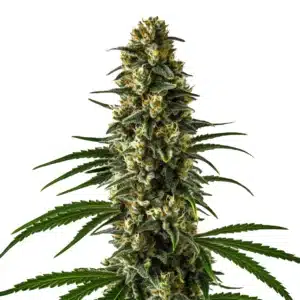
Blue Dream

|
THC | 17% - 24% (Medium) |

|
Type | Feminized |

|
Yield | High |

|
Phenotype | 50% Indica / 50% Sativa |
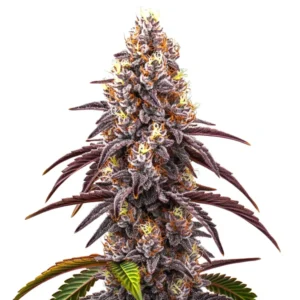
Girl Scout Cookies
|
|
THC | 18% - 25% (Medium) |
|
|
Type | Feminized |
|
|
Yield | High |
|
|
Phenotype | 60% Indica / 40% Sativa |
Experienced growers know that the right identification method can mean the difference between a successful crop and a disappointing harvest. By looking at real-world examples from Blimburn Seeds, you can see how these methods are applied in the field. Let’s dive deeper into the specifics of each technique.
Molecular Techniques for Strain Identification
Molecular identification relies on the genetic material present in the cannabis plant. This method uses techniques like DNA sequencing and PCR (Polymerase Chain Reaction) to determine the genetic blueprint of a strain. This is like having a detailed map of the plant’s potential, offering insights into growth patterns, potency, and resistance to diseases.
The advantages of molecular identification over morphological identification are numerous. This method is highly accurate and can differentiate strains that look identical but have different genetic makeups. With molecular techniques, you can identify a strain even at the seed stage, which is invaluable for breeders and growers looking for specific traits.
The precision of molecular techniques for strain identification also allows for the detection of subtle genetic variations that might not be apparent through morphological observation. This can be particularly useful for breeders who are developing new strains and need to ensure consistency in their genetic profiles. Additionally, molecular techniques can help identify genetic markers associated with desirable traits, such as higher THC content or enhanced terpene profiles, providing a competitive advantage in the cannabis market.
Furthermore, molecular identification offers a level of objectivity that morphological methods cannot match. While morphological identification relies on subjective assessment of physical traits, molecular methods provide quantifiable data that can be universally interpreted. This objectivity is crucial for making informed decisions and maintaining the integrity of cannabis breeding programs, especially as the industry continues to grow and evolve.
Promos & Deals

Morphological Identification Limitations in Strain Differentiation
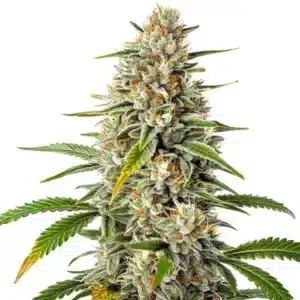
Morphological identification is based on observing the physical characteristics of cannabis plants. This could include leaf shape, plant height, and color. This method has been used for centuries, but with modern strains, it faces challenges. Many strains have been crossbred to the point where physical differences are minimal.
One of the challenges in morphological identification of microbial strains is that environmental factors can significantly alter the plant’s appearance. For instance, two plants of the same strain grown in different conditions might look completely different. This variability can make morphological identification less reliable.
Moreover, the morphological identification limitations in strain differentiation are exacerbated by the subjective nature of visual assessments. Growers may have different interpretations of what constitutes a particular trait, leading to inconsistencies in identification. This can be a major hurdle for those who rely solely on morphological methods without the additional confirmation of molecular techniques.
Besides, the reliance on morphological traits can be problematic when working with hybrid strains that exhibit characteristics from multiple parent strains. As hybridization becomes more common, the ability to distinguish strains based solely on appearance becomes increasingly challenging. This is where the integration of molecular identification methods can enhance accuracy and reliability, offering a more comprehensive approach to strain differentiation.
Comparison of Molecular and Morphological Identification Methods
When you compare molecular and morphological identification methods, several factors come into play. Molecular techniques are precise and can provide results quickly. This is crucial for growers who need to make fast decisions about their crops. On the other hand, morphological methods are less expensive and don’t require specialized equipment.
For practical purposes, combining both methods can offer the best results. For example, you could use molecular identification to confirm the genetic makeup of a strain and morphological methods to monitor the plant’s growth and health. This dual approach can be particularly useful when working with strains like Blue Dream, Sour Diesel, or Girl Scout Cookies from Blimburn Seeds.
The comparison of molecular and morphological identification methods highlights the strengths and weaknesses of each approach. While molecular methods offer unparalleled precision and the ability to detect genetic variations, morphological methods provide valuable insights into the plant’s adaptation to its growing environment. By utilizing both methods, growers can achieve a comprehensive knowing of their strains, balancing genetic knowledge with practical observation.
This integrative approach also allows for better risk management in cultivation practices. Growers can use molecular techniques to identify potential vulnerabilities in a strain’s genetic makeup, such as susceptibility to certain pests or diseases, while morphological observations can help detect early signs of stress or nutrient deficiencies. Together, these methods provide a robust framework for optimizing strain performance and ensuring a successful harvest.

Practical Examples of Strain Identification
Let’s consider some practical examples from Blimburn Seeds. Take the Blue Dream strain, known for its balanced effects and ease of growth. Molecular identification can confirm its genetic lineage, ensuring that the traits you desire are present. Morphological methods can then be used to monitor its growth and ensure it reaches its full potential.
Similarly, the Sour Diesel strain, famous for its strong aroma and energizing effects, can benefit from molecular techniques to verify its authenticity. By using both identification methods, growers can maintain the high standards expected from this iconic strain.
For the Girl Scout Cookies strain, with its unique flavor and potent effects, the combination of molecular vs morphological identification of strains is essential for maintaining its signature qualities. Molecular methods can trace the complex genetic heritage of this hybrid, while morphological assessments help ensure the plant exhibits its characteristic growth patterns and visual traits.
These practical examples from Blimburn Seeds demonstrate how the strategic use of both identification methods can optimize the cultivation process. By leveraging molecular techniques for strain identification alongside traditional morphological assessments, growers can achieve greater accuracy, consistency, and quality in their cannabis production, ultimately meeting the high expectations of consumers and industry standards.
FAQs about molecular vs morphological identification of strains
What is molecular identification?
Molecular identification refers to the process of using genetic analysis to determine the specific characteristics of a cannabis strain. This often involves methods such as DNA sequencing, which allows growers to understand the genetic makeup of their plants. It’s a precise way to confirm a strain’s identity and predict its traits.
This method is highly valued for its accuracy. Unlike morphological methods, which rely on visual characteristics, molecular identification can differentiate between strains with similar appearances. It’s particularly useful in distinguishing hybrid strains, where physical traits may overlap.
The molecular identification advantages over morphological identification are evident in its ability to provide a detailed genetic fingerprint of a strain. This precision is particularly beneficial in the development of new strains, where even minor genetic variations can lead to significant differences in plant performance and characteristics.
Furthermore, molecular identification plays a crucial role in ensuring the authenticity and purity of strains, particularly in a market where mislabeling can have significant implications. By utilizing molecular techniques, growers and breeders can maintain transparency and trust, ensuring that consumers receive the quality and characteristics they expect from their cannabis products.
Why is morphological identification still used?
Morphological identification remains popular because of its simplicity and cost-effectiveness. It doesn’t require specialized equipment or advanced scientific knowledge, making it accessible to hobbyists and small-scale growers. By observing physical traits like leaf shape and plant height, growers can make quick assessments.
However, it’s worth noting that this method has its limitations. Environmental factors can influence a plant’s appearance, leading to potential misidentification. Despite these challenges, morphological identification can be a useful tool when combined with molecular techniques.
The continued use of morphological identification is also driven by its practicality in day-to-day cultivation and strain management. Growers often rely on visual assessments to monitor plant health, diagnose issues, and make timely decisions about interventions, such as adjusting nutrient levels or modifying environmental conditions.
While challenges in morphological identification of microbial strains persist, this method provides a valuable hands-on approach that complements the precision of molecular techniques. By integrating both methods, growers can achieve a more holistic knowing of their plants, addressing both genetic and environmental factors that influence growth and yield.
How do molecular techniques help in strain identification?
Molecular techniques provide a detailed look at a strain’s genetic material. This information can help growers identify the specific characteristics of a strain, such as its growth habits, potential yield, and resistance to diseases. By knowing the genetic makeup, growers can make informed decisions about cultivation practices.
For example, if a grower is looking for a strain with high resistance to mold, molecular techniques can identify strains with the necessary genetic markers. This level of precision is not possible with morphological identification alone, making molecular methods a valuable part of modern cannabis cultivation.
Molecular techniques for strain identification also facilitate the preservation and propagation of desirable traits across generations. By identifying and selecting plants with favorable genetic profiles, breeders can ensure that these traits are consistently expressed in subsequent crops, enhancing the overall quality and marketability of their strains.
Additionally, molecular methods contribute to the advancement of cannabis research by providing insights into the genetic basis of complex traits, such as cannabinoid and terpene production. This knowledge can inform breeding strategies and lead to the development of innovative strains with enhanced medicinal and recreational benefits.
What are the benefits of combining molecular and morphological identification?
Combining both methods offers a comprehensive approach to strain identification. Molecular techniques provide the genetic details, while morphological methods offer insights into the plant’s development and adaptation to its environment. This combination can lead to more accurate identification and better cultivation outcomes.
For instance, a grower might use molecular techniques to confirm the genetic identity of a strain and then employ morphological methods to monitor its growth. This dual approach can help ensure that the plants are healthy and developing as expected, ultimately leading to a successful harvest.
The integration of molecular and morphological identification methods allows growers to leverage the strengths of each approach, resulting in a more robust cultivation strategy. By combining genetic insights with real-time observations, growers can fine-tune their practices to optimize yield, quality, and resilience to environmental stressors.
This comprehensive approach also supports the validation of new strains and breeding programs. By employing both methods, growers can ensure that new strains meet the desired performance criteria and maintain consistency across different growing conditions, enhancing their reputation and competitiveness in the cannabis industry.
Can you rely solely on molecular identification for strain differentiation?
While molecular identification is highly accurate, relying solely on it might not always be practical. It can be cost-prohibitive and requires access to specialized equipment and expertise. For small-scale growers, combining it with morphological methods can offer a more balanced approach.
Additionally, while molecular methods can confirm a strain’s genetic makeup, observing the plant’s physical characteristics is crucial for assessing its health and growth conditions. Therefore, using both methods together can provide a more comprehensive knowing of the strain.
While the molecular vs morphological identification of strains debate often highlights the strengths of molecular methods, it’s important to recognize the complementary role of morphological assessments. Visual observations are essential for day-to-day management and provide immediate feedback on a plant’s response to its environment.
Ultimately, a synergistic approach that combines the precision of molecular techniques with the practicality of morphological observations ensures a comprehensive knowing of cannabis strains, enabling growers to maximize their potential and achieve their cultivation goals effectively.