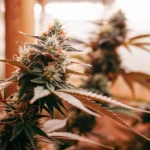
Mixed Light Weed: What You Need to Know

Mixed light weed (‘mixed light flower’) is cannabis grown in a greenhouse using a combination of natural sunlight and supplemental artificial light, often with light-deprivation (blackout) techniques to control flowering. It sits between indoor and outdoor as a distinct quality grade: it harnesses the sun’s free, full-spectrum energy while adding lights (and light-dep) to extend the season, steer photoperiod and boost consistency. The result is generally better and more consistent than pure outdoor at a much lower energy cost than full indoor, a popular middle ground for growers who want quality without indoor’s electricity bills. Below we explain exactly what mixed light means, its advantages, and how it compares to indoor and outdoor weed.
Mixed Light vs Indoor vs Outdoor
Where mixed light fits:
Recommended Strains
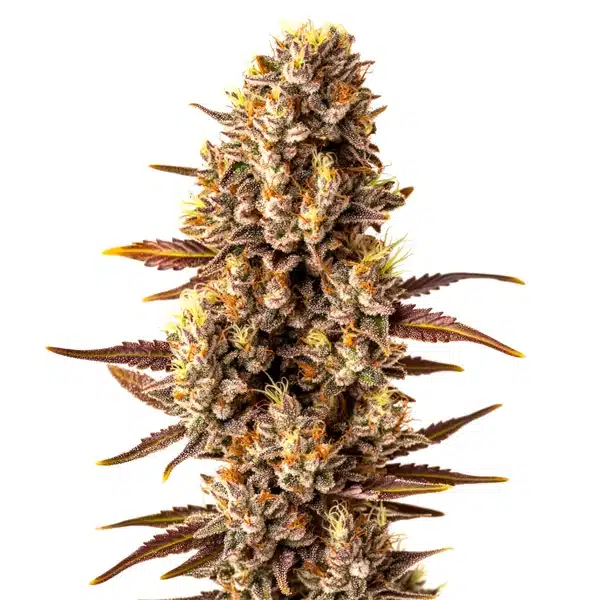
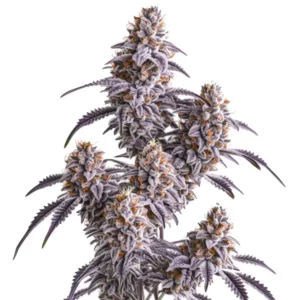
Tropicana Cookies Fast Version

|
THC | 20% - 22% (Medium) |

|
Type | Fast Flowering |

|
Yield | High |

|
Phenotype | 60% Indica / 40% Sativa |

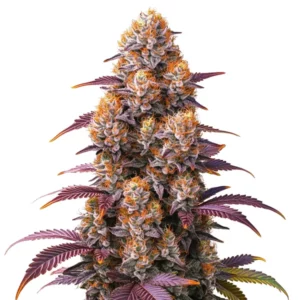
Tropicana Cookies Purple
|
|
THC | 21% - 22% (Medium) |
|
|
Type | Feminized |
|
|
Yield | High |
|
|
Phenotype | 55% Indica / 45% Sativa |
| Type | Light | Traits |
|---|---|---|
| Indoor | Artificial only | Max control & consistency; high energy cost |
| Mixed light (greenhouse) | Sun + supplemental light / light-dep | Quality + control at lower cost; middle grade |
| Outdoor (sun-grown) | Natural sun only | Cheapest, big plants; weather-dependent |
Mixed light aims to capture much of indoor’s consistency using mostly free sunlight.
Promos & Deals

What ‘Mixed Light’ Actually Means
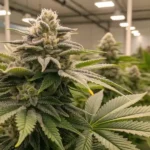
Mixed light (sometimes ‘light-dep’ or ‘light-assisted greenhouse’) describes greenhouse cultivation that blends two things the pure methods don’t combine. From outdoor growing it takes natural sunlight, abundant, free and full-spectrum, the light cannabis evolved under. From indoor growing it borrows artificial lighting and photoperiod control: supplemental lamps extend daylight or boost intensity when the sun is weak, while blackout/light-deprivation covers can shorten the ‘day’ to trigger flowering on the grower’s schedule.
That combination lets a greenhouse grower control when plants flower (even forcing an earlier harvest or multiple cycles a year) and smooth out the weather, while still running mostly on sunlight. On a dispensary menu, ‘mixed light flower’ signals exactly this origin: greenhouse-grown with light assistance, a step up in control from raw outdoor.
Why Growers Choose Mixed Light
Mixed light is popular because it captures much of the best of both worlds. The sun provides most of the light for free, so energy costs are far lower than a full indoor room packed with lamps, which also makes it more sustainable. At the same time, supplemental lighting and light-dep give control that pure outdoor can’t: growers can trigger flowering when they choose, protect plants from bad weather, extend the season, and often fit in more than one harvest a year.
Quality and consistency land well above typical outdoor and approach indoor for many strains, which is why mixed light flower has carved out a respected middle tier in legal markets. For commercial growers especially, it offers a strong balance of quality, yield and cost, premium-leaning results without indoor-level overheads.
Setting Up a Mixed Light Grow
A mixed light setup starts with a greenhouse, which provides the sun and the structure, then adds the two control layers. Supplemental lighting (often LED) tops up intensity and can extend the photoperiod on dull days or out of season. Light-deprivation systems, blackout tarps or automated screens, block light to create the shorter ‘nights’ that trigger flowering on demand, which is how growers force earlier or off-season harvests. On top of that you manage the greenhouse climate, ventilation, temperature and humidity (especially keeping humidity down in flower to prevent mold).
The scale ranges from hobby greenhouses with simple blackout covers to large commercial ‘light-dep’ operations with automated systems. The common thread is using the sun as the main light source and adding just enough technology to control timing and smooth out nature
How Mixed Light Compares on Quality
So is mixed light weed any good? Generally yes, it’s considered a solid step above standard outdoor and, done well, can rival indoor for many strains, which is why it occupies a respected middle grade. Because plants get powerful natural sunlight, mixed light flower can develop rich terpenes and good potency, while the added control helps consistency and lets growers finish crops in ideal windows.
It usually won’t quite match the flawless, uniform ‘bag appeal’ of top indoor, which has total environmental control, but it often gets close at a fraction of the running cost. As always, the final quality depends most on genetics, grower skill and curing rather than the method label alone. For the detailed method debate, see our greenhouse vs indoor comparison and our greenhouse setup guide.
The Bottom Line on Mixed Light Weed
Mixed light weed is greenhouse cannabis grown with natural sunlight plus supplemental lighting and light-deprivation, a distinct quality grade sitting between indoor and outdoor. It combines the sun’s free, full-spectrum energy with the control to steer flowering, protect plants and extend the season, delivering quality and consistency well above typical outdoor at a much lower cost than full indoor. On a menu, ‘mixed light flower’ means exactly that greenhouse-with-light-assistance origin.
It’s a smart middle ground, and as with any method, the best results come from strong genetics, skilled growing and a careful cure. For how it stacks up, see our indoor and greenhouse comparisons.

FAQs about mixed light weed
What does ‘mixed light’ weed mean?
It’s cannabis grown in a greenhouse using a mix of natural sunlight and supplemental artificial light, often with light-deprivation (blackout) to control flowering. It blends outdoor’s free sun with indoor-style control over photoperiod and climate, sitting as a distinct quality grade between the two. On a menu, ‘mixed light flower’ signals this greenhouse, light-assisted origin.
Is mixed light weed as good as indoor?
Often close. Mixed light is generally a step above standard outdoor and, grown well, can rival indoor for many strains, with rich terpenes from real sunlight plus added control for consistency. It usually won’t quite match top indoor’s flawless uniformity, but it gets close at far lower cost. Final quality depends most on genetics, skill and curing.
What is light deprivation (light-dep)?
Light deprivation uses blackout tarps or automated screens to block light and create shorter ‘nights’, which triggers cannabis to flower on the grower’s schedule rather than waiting for the season. In mixed light greenhouses it lets growers force earlier or off-season harvests and fit multiple cycles a year, a key part of the control mixed light offers.
Why choose mixed light over indoor?
Mainly cost and sustainability: the sun provides most of the light for free, so energy bills are far lower than a lamp-only indoor room, while supplemental lighting and light-dep still give strong control over flowering and quality. It’s a middle ground delivering near-indoor results for many strains without indoor-level overheads, popular with commercial growers.