Is Leaf Chlorosis Dangerous for Cannabis Plants? Expert Insights

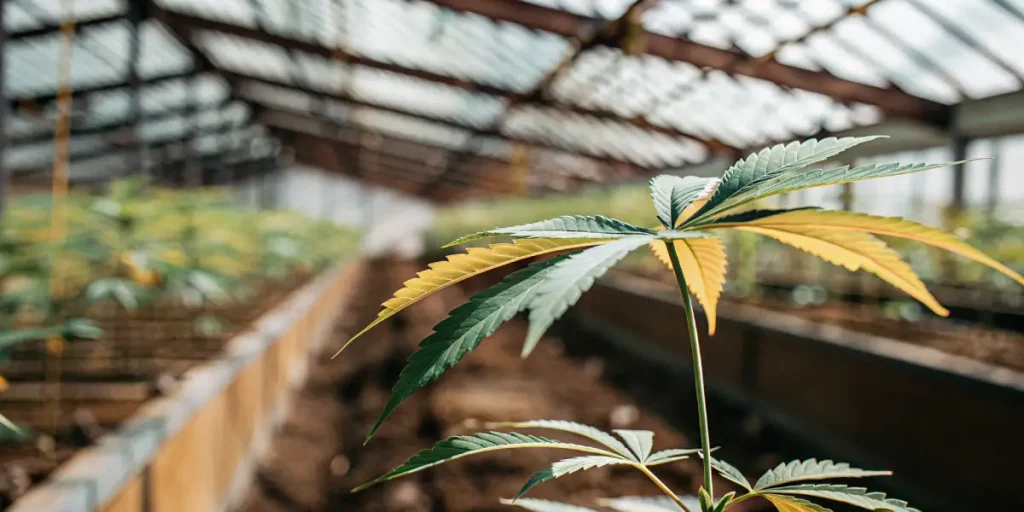
Leaf chlorosis is a common issue that many cannabis growers face. It can be unsettling to see the leaves of your cherished plants turning yellow. But is leaf chlorosis dangerous for cannabis plants? This question often pops up in the minds of both novice and seasoned growers. Chlorosis can signify underlying problems that might eventually impact the health and yield of your cannabis. Recognizing these signs early can save your plants from potential threats.
The causes of leaf chlorosis in cannabis plants vary, ranging from nutrient deficiencies to environmental stress. Chlorosis might indicate that your plant is lacking essential nutrients such as nitrogen, iron, or magnesium. These nutrients are vital for photosynthesis, the process that allows plants to convert light into energy.
Recommended Strains
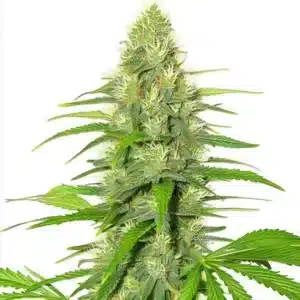
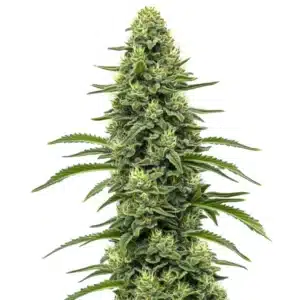
White Widow

|
THC | 18% - 25% (Medium) |

|
Type | Feminized |

|
Yield | High |

|
Phenotype | 45% Indica / 55% Sativa |
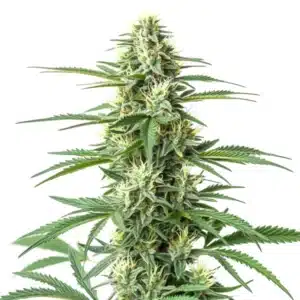
CBD Critical Mass (1:1)

|
CBD | 5% (Low) |
|
|
Type | CBD Feminized |
|
|
Yield | Medium |
|
|
Phenotype | 60% Indica / 40% Sativa |
When chlorosis is present, it can lead to reduced growth and lower yields. It’s crucial to address this issue promptly. By knowing how to treat chlorosis in cannabis leaves, you can ensure your plants remain healthy and productive. Taking proactive steps can prevent your plants from suffering long-term damage.
Causes of Leaf Chlorosis in Cannabis Plants
Various factors contribute to leaf chlorosis in cannabis plants. Nutrient deficiencies are a leading cause. When plants don’t get enough of the right nutrients, their leaves can start to yellow. Nitrogen deficiency is one of the most common issues, often noticeable in the older leaves first. Many growers wonder is leaf chlorosis dangerous for cannabis plants, and while early-stage chlorosis can be corrected, prolonged nutrient imbalance can severely impact growth and final yield.
Environmental factors also play a significant role. Overwatering or poor drainage can lead to root problems, causing chlorosis. Additionally, incorrect pH levels can affect nutrient uptake, leading to deficiencies. Keeping a close eye on these conditions is essential in preventing chlorosis in cannabis cultivation.
Another reason why chlorosis might occur is due to pest infestations. Pests such as spider mites and aphids can damage the leaves, leading to nutrient loss and chlorosis. Regularly inspecting your plants for signs of pests can help mitigate this risk. Utilizing natural pest control methods can also be beneficial.
Genetic factors can sometimes predispose certain cannabis strains to chlorosis. Some strains may naturally have higher nutrient demands or be more sensitive to environmental changes. It’s important to research and choose strains that are well-suited to your growing conditions to minimize the risk of chlorosis.
Promos & Deals
How to Treat Chlorosis in Cannabis Leaves
Addressing chlorosis requires a careful approach. First, diagnose the problem accurately by examining the affected leaves and identifying nutrient deficiencies. Many growers ask is leaf chlorosis dangerous for cannabis plants, and the answer depends on how quickly the issue is detected and corrected. If the yellowing starts at the tips and edges, it might indicate a potassium deficiency, while leaves that turn completely yellow often point to a nitrogen imbalance.
Adjusting nutrient levels is a direct way to combat chlorosis. Using a balanced fertilizer can help restore nutrient levels. If pH levels are causing the problem, adjust the soil or water pH to the ideal range of 6.0 to 7.0. This adjustment helps in the better absorption of nutrients.
Besides to adjusting nutrients and pH, consider using foliar sprays as an immediate remedy. These sprays can provide nutrients directly to the leaves, offering a quick fix for chlorosis. However, they should be used in conjunction with other long-term solutions for best results.
It’s also crucial to evaluate your growing environment. Ensure your plants receive adequate light, as low light conditions can exacerbate chlorosis. Providing supplemental lighting during low-light periods can help maintain healthy growth and prevent further issues.
Effects of Chlorosis on Cannabis Plant Health
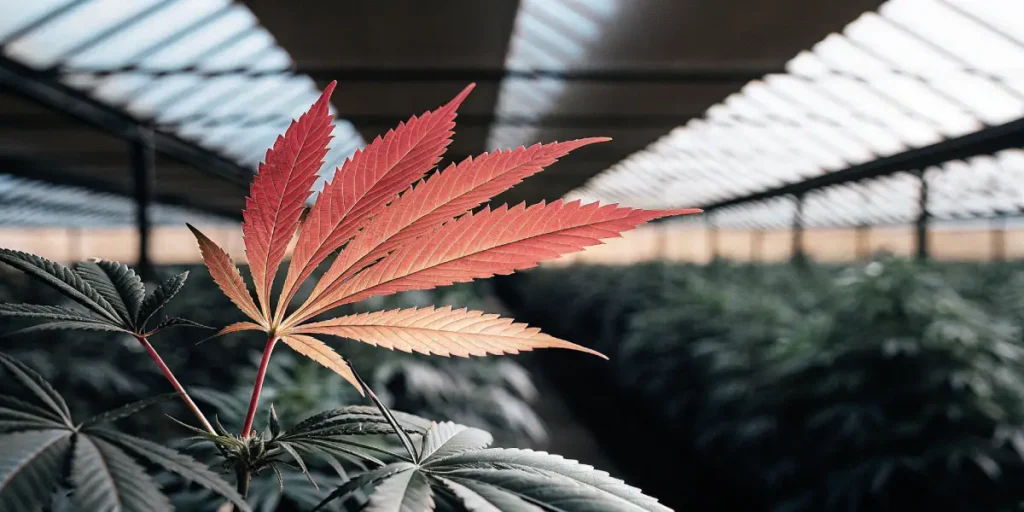
Chlorosis can have significant effects on cannabis plant health. The most immediate impact is a reduction in photosynthesis. Yellow leaves are less efficient at capturing sunlight, which means less energy for the plant’s growth. This reduction can lead to stunted growth, affecting the overall size and structure of the plant.
Over time, chlorosis can lead to more severe health issues. Plants become more susceptible to diseases and pests. A weakened plant with yellowing leaves is less likely to fight off external threats, making it crucial to address chlorosis as soon as it appears.
In severe cases, chlorosis can cause irreversible damage to the plant’s vascular system. This can impede the transport of water and nutrients, further weakening the plant. Ensuring early intervention is key to preventing such long-term effects.
For cannabis cultivators, knowing the effects of chlorosis on plant health is vital. By recognizing the signs of nutrient deficiency causing chlorosis in cannabis, growers can take steps to restore plant vitality and improve overall yield and quality.
Preventing Chlorosis in Cannabis Cultivation
Prevention is always better than cure when it comes to chlorosis. Regular monitoring of your plants can help catch early signs of nutrient deficiency causing chlorosis in cannabis. Employing a balanced feeding schedule ensures your plants receive all necessary nutrients.
Maintaining optimal environmental conditions is another preventive measure. Ensure proper ventilation and temperature control in your growing area. Cannabis plants thrive in well-aerated environments with stable temperatures.
Investing in quality soil and growing mediums can also play a significant role in prevention. These mediums should provide adequate nutrients and support healthy root development. Regularly refreshing the soil can help maintain nutrient availability and support plant health.
For those looking to minimize the risk of chlorosis, choosing resilient strains is essential. Blimburn Seeds offers a variety of robust strains like Critical Mass, known for their resistance to environmental stressors. These strains can enhance the success of your cannabis cultivation efforts.
FAQs about is leaf chlorosis dangerous for cannabis plants
What are the early signs of chlorosis in cannabis plants?
Early signs of chlorosis in cannabis plants include yellowing of the leaves. This yellowing usually starts at the tips and edges of the leaves before spreading. You might also notice that older leaves are affected first, as the plant redirects nutrients to newer growth.
Monitoring your plants regularly can help catch these early signs. Pay attention to changes in leaf color and check for additional symptoms like wilting or leaf drop. Early detection is key to addressing the issue before it escalates.
Another early indicator of chlorosis is a general decline in plant vigor. If your cannabis plants seem less robust or are growing more slowly, it could be a sign of underlying chlorosis. Regularly checking plant health metrics can help catch issues early.
Knowing the causes of leaf chlorosis in cannabis plants can enable growers to take proactive steps. By identifying and addressing early signs, growers can prevent significant damage and ensure a healthy and productive crop.
Can leaf chlorosis be reversed in cannabis plants?
Yes, leaf chlorosis can often be reversed if caught early. Once you identify the underlying cause, such as nutrient deficiency or pH imbalance, you can take corrective measures. Adjusting the nutrient supply or pH levels can help restore plant health.
However, if chlorosis has progressed too far, it might be challenging to reverse the damage completely. In such cases, focus on preventing further spread by optimizing growing conditions and ensuring proper care.
In cases where chlorosis is linked to environmental issues, adjusting factors such as humidity and temperature can aid recovery. Ensuring your cannabis plants are in an ideal environment supports their ability to recover from chlorosis.
For persistent cases where chlorosis does not improve, consulting with an expert or using resources from trusted seed providers like Blimburn Seeds can provide additional insights and solutions to manage the issue effectively.
How does nutrient deficiency cause chlorosis in cannabis?
Nutrient deficiency causes chlorosis by disrupting the plant’s ability to produce chlorophyll, the green pigment essential for photosynthesis. Without sufficient chlorophyll, leaves turn yellow and lose their ability to harness energy from light.
Common deficiencies that lead to chlorosis include nitrogen, iron, and magnesium shortages. Each deficiency presents slightly different symptoms, so accurate diagnosis is crucial for effective treatment.
Knowing the specific nutrient needs of your cannabis strain can help prevent deficiencies. Some strains may have unique nutrient requirements, and consulting resources from providers like Blimburn Seeds can offer guidance on optimal feeding schedules.
Regularly testing your soil and water for nutrient content can preemptively identify potential deficiencies. This proactive approach can help in maintaining balanced nutrient levels and preventing chlorosis from developing.
What are some effective ways to prevent chlorosis?
Preventing chlorosis involves maintaining a balanced nutrient schedule. Regularly feeding your cannabis plants with a well-rounded fertilizer can help prevent deficiencies. Also, ensure that your growing medium has the correct pH levels to facilitate nutrient uptake.
Another effective prevention strategy is selecting cannabis strains known for their resilience. Some strains, like those offered by Blimburn Seeds, are bred for robustness and can better withstand the conditions that might cause chlorosis.
Incorporating organic matter into your growing medium can enhance nutrient availability and improve soil structure. Organic amendments can provide a slow release of nutrients, supporting continued plant health and vigor.
Effective irrigation management is also key to preventing chlorosis. Ensuring your plants are neither overwatered nor underwatered will help maintain healthy roots and prevent nutrient uptake issues that lead to chlorosis.
Is leaf chlorosis more dangerous for certain cannabis strains?
Some cannabis strains are more susceptible to chlorosis than others. Strains with specific nutrient requirements or those sensitive to environmental changes might experience chlorosis more readily. It’s important to choose strains that match your growing conditions.
Blimburn Seeds offers several strains, such as White Widow and Critical Mass, that are known for their hardiness and resistance to environmental stress. These strains are excellent options for growers looking to minimize the risk of chlorosis.
For cultivators concerned about is leaf chlorosis dangerous for cannabis plants, selecting strains with proven resilience can be advantageous. These strains can offer better tolerance to nutrient fluctuations and environmental changes.
Additionally, researching and knowing the genetic background of your chosen strains can provide insights into their potential vulnerabilities. This knowledge can guide you in making informed decisions about nutrient management and environmental controls