Is a Refractometer Worth It for Home Cannabis Growers? Expert Insights

Home cannabis growers often wonder is a refractometer worth it for home cannabis growers, especially when aiming to improve plant health and yields. A refractometer is a device that measures the sugar content in plant sap, which can indicate overall plant health and potential yield. For both novice and seasoned growers, this tool can provide meaningful insights into the condition and performance of cannabis plants.
Using a refractometer can help growers make informed decisions about nutrient levels, watering schedules, and harvest times. But is a refractometer worth it for home cannabis growers? Let’s delve into the benefits and practical applications of this tool to see if it should be part of your gardening arsenal.
Recommended Strains
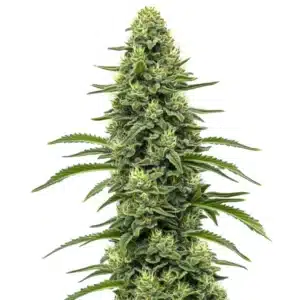
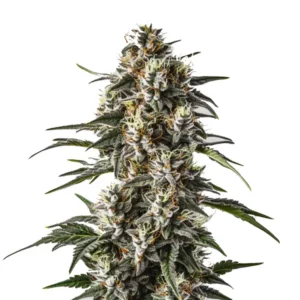
Bruce Banner #3

|
THC | 20% - 29% (High) |

|
Type | Feminized |

|
Yield | Medium |

|
Phenotype | 50% Indica / 50% Sativa |
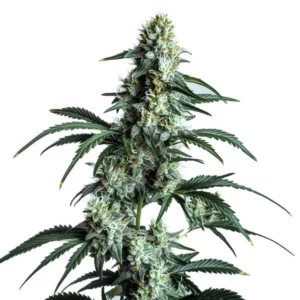
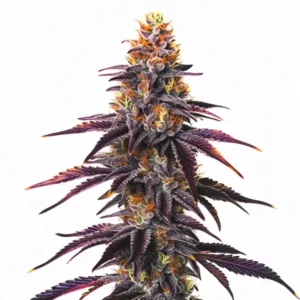
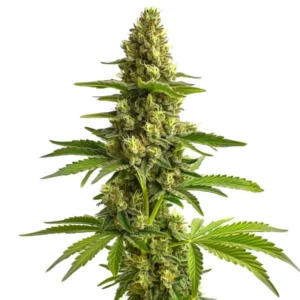
Sour Diesel
|
|
THC | 22% - 25% (Medium) |
|
|
Type | Feminized |
|
|
Yield | High |
|
|
Phenotype | 30% Indica / 70% Sativa |
Through expert insights and real-life examples, we will explore how a refractometer can play a pivotal role in cannabis cultivation. With the right approach, this tool can help maximize your yield and ensure the potency of your homegrown cannabis.
Refractometer Benefits for Home Cannabis Growers
The primary benefit of using a refractometer is its ability to measure Brix levels in plant sap. Brix is a measure of the sugar content of an aqueous solution. In cannabis, higher Brix levels often correlate with healthier plants and better-tasting buds. This can be a game-changer for home growers aiming for top-quality harvests.
Another significant advantage is the early detection of plant stress. A refractometer can reveal fluctuations in Brix levels, indicating potential issues before they become visible. This proactive approach allows growers to adjust their care strategies promptly, potentially saving a crop from disaster.
Beyond mere health indicators, refractometer benefits for home cannabis growers also include improved resistance to pests and diseases. With healthier plants, growers may find themselves spending less time and money on pest control and more on enhancing the quality of their yields. This makes the refractometer a cost-effective tool in the long run.
Moreover, the ability to measure and track Brix levels can help growers experiment with different growing techniques and nutrients. This experimentation can lead to discovering the optimal conditions specific to their strains, further enhancing the growing process and maximizing yield.
How to Use a Refractometer for Cannabis Cultivation
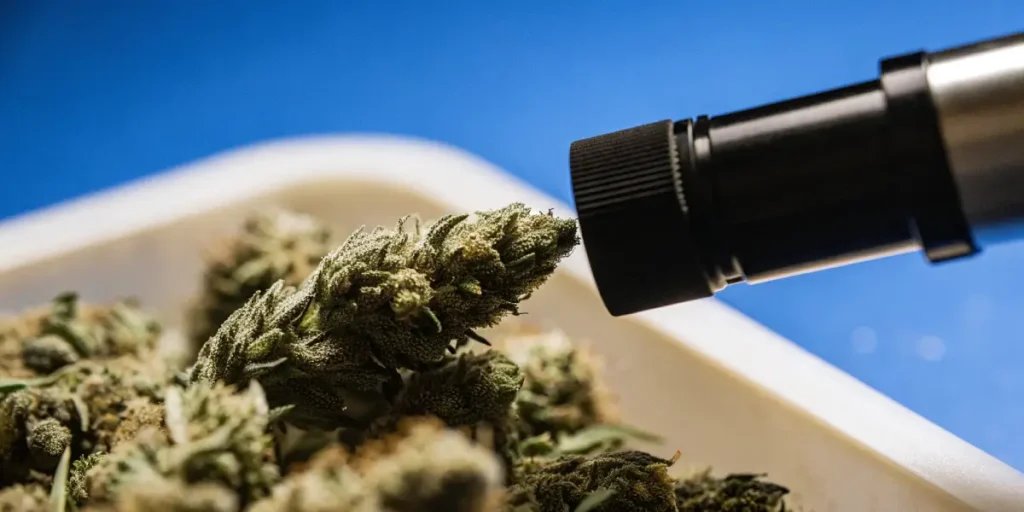
Using a refractometer is straightforward. First, you’ll need to extract a small amount of sap from a cannabis leaf. This can be done by crushing the leaf in a garlic press or similar tool. Place a drop of the sap on the refractometer’s glass surface and close the cover. For many cultivators, learning this process answers the question is a refractometer worth it for home cannabis growers, as it provides quick, practical insight into plant health and nutrient uptake.
Next, hold the device up to a light source and look through the eyepiece. You’ll see a scale indicating the Brix level of the sap. This reading will give you direct insight into the sugar content of your plant, which is a key indicator of its overall health and potential yield.
For those wondering how to use a refractometer for cannabis cultivation effectively, consistency is key. Regularly scheduled readings can provide a comprehensive view of how environmental changes or nutrient adjustments impact plant health. This ongoing process is vital for making informed decisions in real-time.
Additionally, documenting your readings over several growth cycles can help you identify patterns and make data-driven decisions for future grows. This record-keeping is an invaluable part of the learning process, helping you refine your cultivation techniques and improve your results over time.
Promos & Deals
Refractometer Accuracy in Measuring Cannabis Potency
While a refractometer doesn’t measure THC or CBD levels directly, it provides indirect insights into potency. Healthier plants with higher Brix levels generally produce more potent cannabis. For many cultivators, the question is a refractometer worth it for home cannabis growers is answered by its ability to help optimize plant health, making it an invaluable tool for growers focused on potency.
Accuracy is crucial, and it’s important to calibrate your refractometer regularly. Most devices come with instructions for calibration using distilled water or a calibration solution. Proper calibration ensures your readings are reliable, enabling you to make informed decisions about your cannabis plants.
Refractometer accuracy in measuring cannabis potency indirectly also emphasizes the importance of regular maintenance and correct usage. Ensuring your device is clean and free from residues will help maintain precision and avoid skewed results. This attention to detail is paramount for accurate Brix readings.
Furthermore, refractometer readings can be a valuable addition to a grower’s toolkit when used alongside other measurement tools. By triangulating data from multiple sources, growers can form a more comprehensive knowing of plant health and make nuanced adjustments tailored to their specific cultivation conditions.
Cost-effectiveness of Refractometers for Home Growers
For many home growers, the upfront cost of a refractometer might seem daunting. However, when you consider the long-term benefits, it becomes a worthwhile investment. By optimizing plant health and yield through precise measurements, the tool can pay for itself over time.
Moreover, avoiding crop failures and maximizing harvest quality can significantly increase your return on investment. Strains such as Bruce Banner 3 from Blimburn Seeds, which are popular for their high yields and potency, can greatly benefit from the precision a refractometer offers.
The cost-effectiveness of refractometers for home growers is further highlighted by the potential savings on fertilizers and pest control. By providing insights into plant health, a refractometer can help you use resources more efficiently, reducing unnecessary expenses and enhancing the sustainability of your grow.
Additionally, investing in a refractometer can elevate your growing game from a hobby to a more professional endeavor. As you gain more control over your cultivation environment, the quality and consistency of your yields can improve, possibly opening up opportunities for sharing or selling your high-quality harvests.
Improving Cannabis Yield with Refractometer Usage
Improving yield is a primary goal for many cannabis growers. A refractometer can assist in achieving this by providing insights into plant health and nutrient uptake. By maintaining optimal Brix levels, you can ensure your plants are getting the right nutrients at the right time.
Regular monitoring allows you to tweak your growing techniques to suit specific strains. For example, Sour Diesel from Blimburn Seeds thrives under precise nutrient management, which can be fine-tuned with refractometer readings.
The process of improving cannabis yield with refractometer usage doesn’t stop at monitoring. The data collected can guide you in adjusting lighting, temperature, and humidity to create an ideal growing environment. These adjustments, informed by refractometer insights, can lead to healthier plants and increased yields.
Furthermore, knowing Brix levels can help you anticipate harvest times more accurately, ensuring that you pick your buds at their peak potency. This timing can mean the difference between a good and an exceptional harvest, directly impacting the quality and quantity of your results.
FAQs about is a refractometer worth it for home cannabis growers
What exactly does a refractometer measure in cannabis plants?
A refractometer measures the Brix level in the sap of cannabis plants. Brix is a measure of sugar content, which correlates with the plant’s overall health and vitality. Higher Brix levels typically indicate a healthier plant that is more resistant to pests and diseases.
By measuring Brix levels, you can gain insights into how well your plant is photosynthesizing and absorbing nutrients. This information is valuable for making adjustments in care and cultivation practices to optimize plant health and yield.
Besides to sugar content, refractometer readings can also reflect the plant’s ability to metabolize nutrients effectively. This can be crucial for growers aiming to optimize the balance of macro and micronutrients for specific strains, ensuring each plant reaches its full potential.
Knowing what a refractometer measures helps clarify its role in the broader context of plant health monitoring. While it doesn’t replace other tools, it provides a unique perspective that, when combined with other data, can lead to a more holistic approach to cannabis cultivation.
How often should I use a refractometer on my cannabis plants?
It’s recommended to use a refractometer regularly, depending on the growth stage of your cannabis plants. During the vegetative stage, you might check Brix levels weekly. As the plants enter the flowering stage, more frequent checks can help fine-tune nutrient levels for optimal bud development.
Consistent monitoring allows you to track changes and trends over time. This proactive approach helps in making timely adjustments, ensuring that your plants remain healthy and productive throughout their growth cycle.
Determining how often to use a refractometer on your cannabis plants also depends on the specific challenges you face. If you notice issues with growth or health, more frequent checks may be warranted to identify and address problems swiftly. Conversely, if your plants are thriving, you might reduce the frequency but remain vigilant for any sudden changes.
Ultimately, finding the right balance in monitoring frequency will come with experience and familiarity with your specific growing conditions. Over time, you’ll develop an intuitive sense of when your plants need closer attention, guided by the insights a refractometer provides.
Can all cannabis strains benefit equally from refractometer usage?
While all cannabis strains can benefit from refractometer usage, the level of benefit may vary. Some strains, like those with high terpene profiles or heavy yields, might require more precise nutrient management, making a refractometer particularly useful.
Strains from Blimburn Seeds, such as Gelato and Bruce Banner, can see significant improvements in flavor and potency when Brix levels are optimized. Tailoring your approach to each strain’s needs will yield the best results.
The question of whether all cannabis strains benefit equally from refractometer usage often hinges on the specific goals of the grower. If flavor and aroma are top priorities, then strains with complex terpene profiles will likely benefit more from precise Brix monitoring to enhance these characteristics.
On the other hand, growers focused on maximizing yield may find that strains known for their heavy production respond well to the detailed insights a refractometer provides, allowing for targeted interventions at critical growth stages. This tailored approach underscores the versatility of the refractometer in catering to diverse cultivation goals.
Is a refractometer a substitute for other plant health monitoring tools?
A refractometer complements, rather than replaces, other monitoring tools in cannabis cultivation. It provides specific insights into sugar content, which is just one aspect of plant health. Other tools, like pH meters and nutrient testers, offer valuable data on soil and water quality.
Using a refractometer in conjunction with other tools provides a comprehensive picture of your plant’s health. Together, these tools enable you to make informed decisions that enhance growth and maximize yield.
While a refractometer is invaluable for measuring Brix levels, relying solely on it might not provide a complete picture of plant health. Integrating it with other measurement tools ensures that you cover all bases, from root zone pH to nutrient concentrations in the soil.
This holistic approach allows growers to cross-reference data, ensuring that decisions are based on a full knowing of plant health dynamics. By recognizing the function of each tool in your arsenal, you can create a more effective and balanced cultivation strategy.
Are there any limitations to using a refractometer with cannabis plants?
While refractometers offer valuable insights, they do have limitations. They don’t measure THC or CBD levels directly, nor do they provide information on micronutrient deficiencies. For a complete knowing of plant health, combine refractometer readings with other diagnostic tools.
Additionally, proper calibration and maintenance of the refractometer are essential for accurate readings. Without these, the data may be misleading, resulting in suboptimal growing decisions. Regular care and cross-referencing with other data can mitigate these limitations.
Knowing the limitations to using a refractometer with cannabis plants is crucial for leveraging its strengths while compensating for its weaknesses. Recognizing that it doesn’t replace comprehensive lab testing for potency helps set realistic expectations for its role in cultivation.
Additionally, environmental factors such as temperature and humidity can influence refractometer readings. Being aware of these variables and adjusting for them can improve the reliability of your data, allowing you to make more informed decisions for your grow.