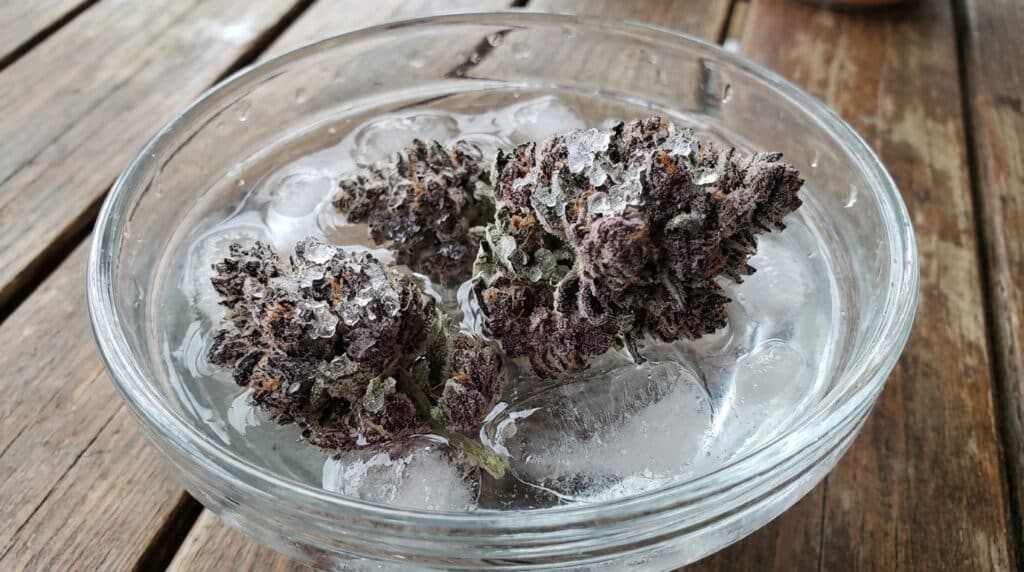
Ice Water Purple Buds

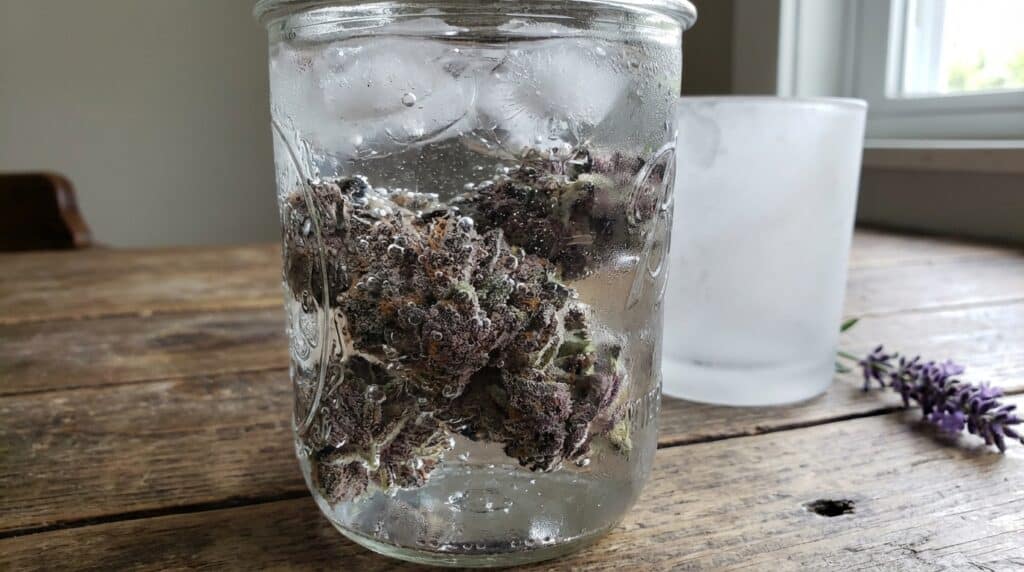
Quick Summary: Ice Water Purple Buds are created by using chilled water to trigger anthocyanin production in specific cannabis strains. This technique mimics autumn cold, turning buds deep purple while enhancing terpene complexity and visual bag appeal without lowering potency.
Ice Water Purple Buds: The Ultimate Cultivation Guide
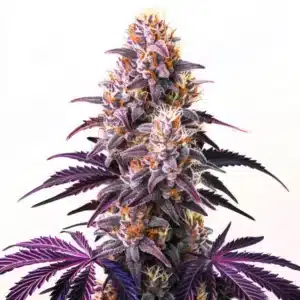
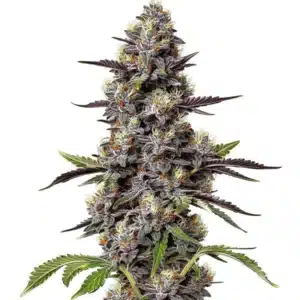
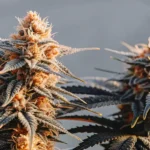
Ice water purple buds represent the pinnacle of aesthetic cannabis cultivation. These striking flowers are not just a result of genetics; they are a product of environmental mastery. By using chilled water, growers tap into the plant’s biological defense systems. This process forces the plant to express deep violet and indigo hues that are often hidden under normal growing conditions. The result is a high-contrast bud that commands attention in any market.
Recommended Strains

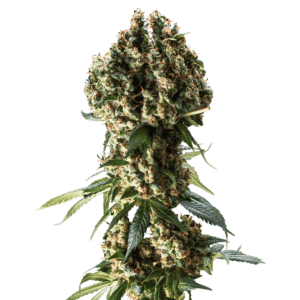
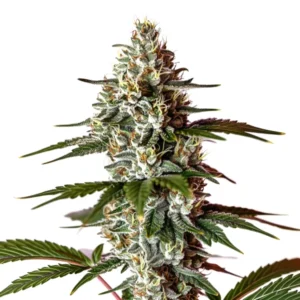
Mamba Negra

|
THC | 18% (Medium) |

|
Type | Feminized |

|
Yield | High |

|
Phenotype | 55% Indica / 45% Sativa |

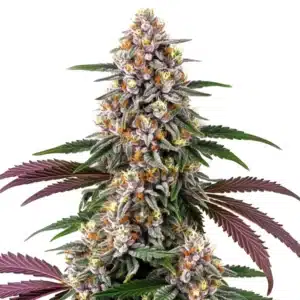
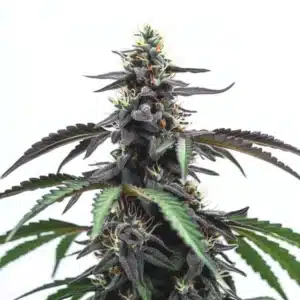
Permanent Marker
|
|
THC | 32% - 34% (High) |
|
|
Type | Feminized |
|
|
Yield | High |
|
|
Phenotype | 50% Indica / 50% Sativa |
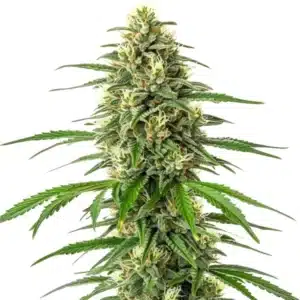
Biologically, the purple color comes from anthocyanins. These are water-soluble vacuolar pigments that protect the plant from extreme conditions. In nature, as the season turns to autumn, the drop in temperature signals the plant to reduce chlorophyll production. As the green fades, the purple pigments become visible. By using ice water in a controlled environment, we can replicate this transition perfectly, leading to a harvest that is both visually stunning and chemically rich.
Promos & Deals
The Biological Mechanism of Purple Weed
To understand purple weed, one must look at the pH levels and temperature fluctuations within the plant’s cells. Anthocyanins belong to the parent class of molecules called flavonoids. They are powerful antioxidants. When you introduce cold water (approx. 40°F to 50°F), it inhibits the uptake of phosphorus slightly and slows down the production of green chlorophyll. This biological “stress” is what unmasks the purple phenotype without causing permanent cellular damage if managed correctly.
Furthermore, this technique affects the terpene profile. When the plant is exposed to colder root zones, it often increases the production of specific terpenes like Myrcene and Linalool. These terpenes are responsible for the berry and lavender scents typically associated with purple buds. This interaction, known as the “Entourage Effect,” ensures that the high is as complex and satisfying as the visual presentation.
Technical Comparison: Ice Water vs. Standard Methods
| Feature | Ice Water Purple Buds | Natural Genetic Purple | Standard Green Hydro |
|---|---|---|---|
| Color Stimulus | Thermal Shock (Chilled Water) | Endogenous DNA expression | None (Stable Temp) |
| Anthocyanin Level | High (Forced) | Moderate to High | Minimal |
| Terpene Intensity | Enhanced (Cold Stress) | Standard for strain | High Purity |
| Harvest Window | Last 2 weeks of bloom | Full bloom cycle | Fixed schedule |
| Nutrient Focus | Reduced N / High P-K | Standard Bloom NPK | Standard Bloom NPK |
| Market Demand | Ultra-Premium | High | Standard |
How to Master Hydro Purple Weed Cultivation
Growing hydro purple weed requires a deep understanding of water chemistry. In a hydroponic setup, the roots are directly exposed to the nutrient solution. Introducing ice water here is more effective but also more dangerous than in soil. You must monitor the EC (Electrical Conductivity) and pH constantly. Cold water can cause certain nutrients to precipitate, making them unavailable to the plant. This is why the “Ice Water” flush is usually performed during the final two weeks of the ripening phase.
For the best results with purple marijuana buds, combine cold water flushes with a specific lighting spectrum. Increasing the amount of blue light and UV radiation during the final stage can further boost pigment production. When the plant senses high-energy UV light along with cold roots, it perceives a “mountain-top” environment. This dual-stress approach maximizes the dark, oily appearance of the trichomes and the deep purple of the bracts.
Professional Tips from Master Cultivators
- Check the Stomata: Cold temperatures can cause stomata to close. Ensure your humidity (VPD) is perfectly dialed in so the plant can still “breathe” while you chill the roots.
- Avoid the Freezer: Never use frozen water directly against the stalk. Use ice to chill the reservoir water to 50°F and pump it through. Sudden ice contact can cause tissue necrosis.
- Flush for Flavor: Since cold water slows metabolism, ensure you start your final flush 10 days before harvest to remove all residual salts (NPK) from the hydro purple weed.
- Night Temp Drop: Complement the ice water by dropping your dark-cycle air temperature to 55°F. This creates a synergistic effect with the root zone cooling.
- Watch for Mold: Cold air holds less moisture. If your temps drop but your moisture stays high, Botrytis (gray mold) will strike. Keep airflow high.
What weed is purple naturally?
Strains like Granddaddy Purple and Purple Punch have a genetic code that produces anthocyanins even in warm weather. However, using the ice water technique on these strains will turn them from a light lavender to a deep, midnight purple. This process maximizes the genetic potential already present in the seeds.
How does hydro purple weed differ from soil-grown?
Hydroponic systems allow for faster nutrient uptake and more immediate temperature control. When growing hydro purple weed, the response to ice water is almost instant. In soil, the medium acts as an insulator, so it takes longer to see the color change. Hydro offers more precision for the “Seed Hero” grower.
Does the ice water technique lower THC?
No, if done correctly during the final stages, it does not lower THC. In fact, the mild stress can increase trichome density as the plant tries to protect its seeds from the cold. The key is to avoid “shocking” the plant during the early or mid-flowering stages, which would stunt growth.
Why are my purple marijuana buds turning brown after drying?
This is usually due to improper curing or high temperatures during drying. Anthocyanins are sensitive to heat and light. To keep your purple buds vibrant, dry them in total darkness at 60°F and 60% humidity. This slow process preserves the colors and the delicate berry terpenes.