How to Identify Overwatering in Cannabis

The classic signs of an overwatered cannabis plant are drooping leaves that look firm and curl downward (often ‘clawing’ or taco-ing), rather than thin and limp, a constantly damp medium that never dries out, slowed growth, and yellowing. It happens because waterlogged soil pushes out the oxygen roots need, so the roots effectively ‘drown’ and can’t take up water or nutrients, which, confusingly, makes the plant look thirsty even though it’s too wet. The key is telling it apart from underwatering: overwatered leaves droop while staying firm and curled with a wet pot, whereas underwatered leaves go thin, papery and limp with a bone-dry pot.
The fix is simple: stop watering and let the medium dry out, improve drainage and aeration, and then water on a proper cycle (by pot weight or finger test) rather than on a schedule. Below: the full list of signs, overwatering vs underwatering, and how to fix and prevent it.
Recommended Strains
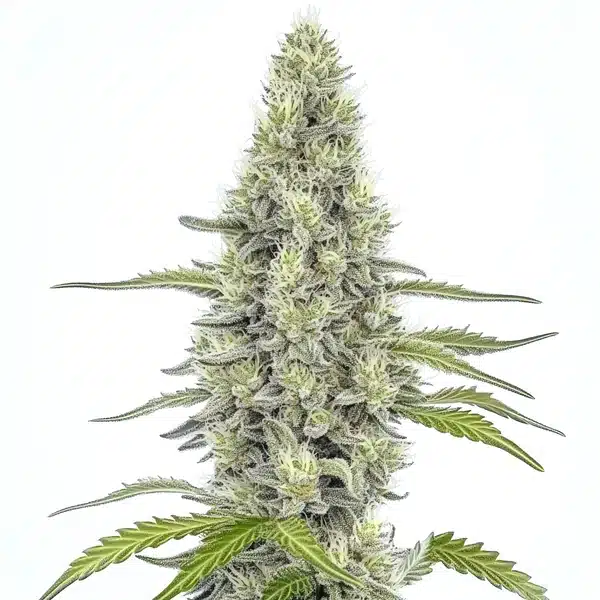
Mazar

|
Type | Feminized |

|
THC | 20% (Medium) |

|
Phenotype | 90% Indica / 10% Sativa |

|
Yield | Medium |
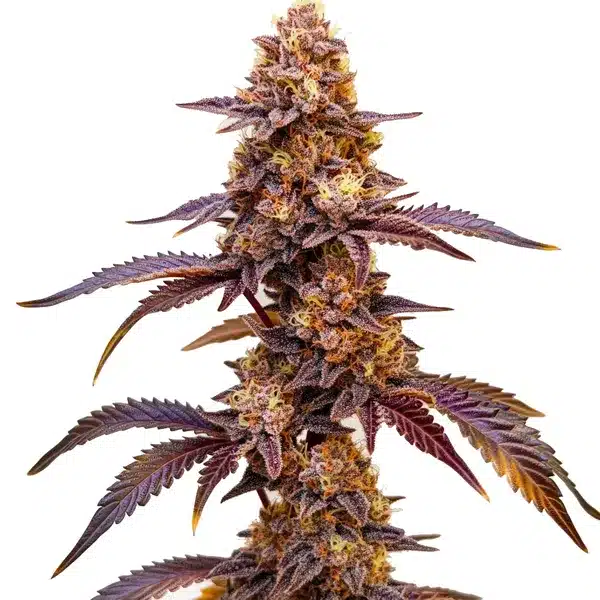
Dark Star Auto
|
|
Type | Autoflowering |
|
|
THC | 18% - 22% (Medium) |
|
|
Phenotype | 85% Indica / 15% Sativa |
|
|
Yield | Medium |
Overwatering vs Underwatering
They look similar, here’s how to tell them apart:
| Sign | Overwatered | Underwatered |
|---|---|---|
| Leaves | Droop but firm, curled down (clawing) | Thin, papery, limp |
| Medium | Wet, slow to dry | Bone dry, light pot |
| Recovery when watered | No, already too wet | Perks up within hours |
| Other | Yellowing, slow growth, root rot risk | Crispy edges, drooping |
Promos & Deals
The Signs of Overwatering
Overwatering shows up in a cluster of symptoms. The most telling is drooping that stays firm: the leaves sag and often curl downward along their length (growers call it ‘clawing’ or ‘taco-ing’), but they feel turgid and firm, not thin and wilted, this firmness is the giveaway that it’s too much water, not too little. You’ll also see yellowing leaves(easily mistaken for a nutrient deficiency, but here caused by roots that can’t absorb nutrients in soggy soil), slowed or stalled growth, and a growing medium that stays wet long after watering and never seems to dry. In bad cases, constantly waterlogged roots lead to root rot, a brown, mushy, foul-smelling root mass, which is serious.
The underlying problem is oxygen: roots need air as well as water, and saturated medium suffocates them, so a ‘drowning’ plant ironically looks like a thirsty one. Spotting the firm droop plus a wet pot is the fastest way to confirm overwatering. A quick habit that removes most of the guesswork is to lift the pot right after watering and again a day or two later, learning its heavy-versus-light weight tells you far more reliably than the leaves alone whether the plant is actually sitting in too much water.
Why It’s Confused with Other Problems
Overwatering is tricky because its symptoms mimic other issues. The drooping can look like underwatering, the opposite problem, which is why the firm-versus-limp and wet-versus-dry checks matter so much (water an underwatered plant and it perks up in hours; water an overwatered one and it gets worse). The yellowing can look like a nitrogen or other nutrient deficiency, but if the medium is soggy, the real cause is usually roots that can’t function in waterlogged soil, not a lack of nutrients, so adding more feed makes it worse.
Overwatering is also easy to cause without realising: watering too often, using a pot too big for the plant (the medium holds water the small root system can’t use), poor drainage or a dense, airless medium all trap moisture. So before treating a droopy, yellowing plant as hungry or thirsty, check the medium’s moisture and the roots, overwatering is one of the most common mistakes, especially for new growers.
How to Fix and Prevent Overwatering
The fix is mostly patience. Stop watering and let the medium dry out properly before the next watering, the plant usually recovers once roots get oxygen again. Improve drainage and aeration: ensure pots have good drainage holes, use an airy medium (add perlite), and don’t let pots sit in standing water. Right-size the pot to the plant so the medium isn’t holding more water than the roots can use. Going forward, water by need, not by schedule: lift the pot to feel its weight (light = time to water, heavy = wait), or push a finger an inch or two into the medium and only water when it’s dry at that depth.
Water thoroughly but less frequently, encouraging deep, healthy roots, rather than little and often. Be especially careful in cool conditions and during flowering, when plants use less water. Get the wet-dry cycle right and overwatering simply stops happening. For more, see our guides on watering mistakes to avoid and water stress symptoms.
FAQs
How do I know if my cannabis is overwatered?
Look for drooping leaves that stay firm and curl downward (‘clawing’), a medium that stays wet and won’t dry, yellowing, and slowed growth, sometimes root rot in bad cases. The firm droop plus a soggy pot is the giveaway. It happens because waterlogged soil starves roots of oxygen, so the plant looks thirsty despite being too wet.
Overwatered or underwatered?
Check firmness and the medium. Overwatered leaves droop but feel firm and curl down, with a wet pot, and get worse if you water. Underwatered leaves go thin, papery and limp, with a bone-dry, light pot, and perk up within hours of watering. So feel the leaves and the medium: firm droop plus wet soil means overwatering.
How do I save an overwatered plant?
Stop watering and let the medium dry out before watering again, roots recover once they get oxygen. Improve drainage and aeration (perlite, good drainage holes, don’t let pots sit in water), and right-size the pot. Then water by need, lift the pot or finger-test the medium, rather than on a fixed schedule. Most plants bounce back.
Why do overwatered plants turn yellow?
Because waterlogged soil has no oxygen, so roots can’t function or absorb nutrients properly, causing yellowing that mimics a nutrient deficiency. Adding more nutrients then makes it worse. The real fix is letting the medium dry and restoring root oxygen. If the pot is soggy and the leaves droop firmly, treat it as overwatering, not a feeding problem.