How Long Should Grow Lights Be On for Optimal Plant Growth?

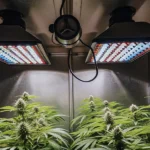
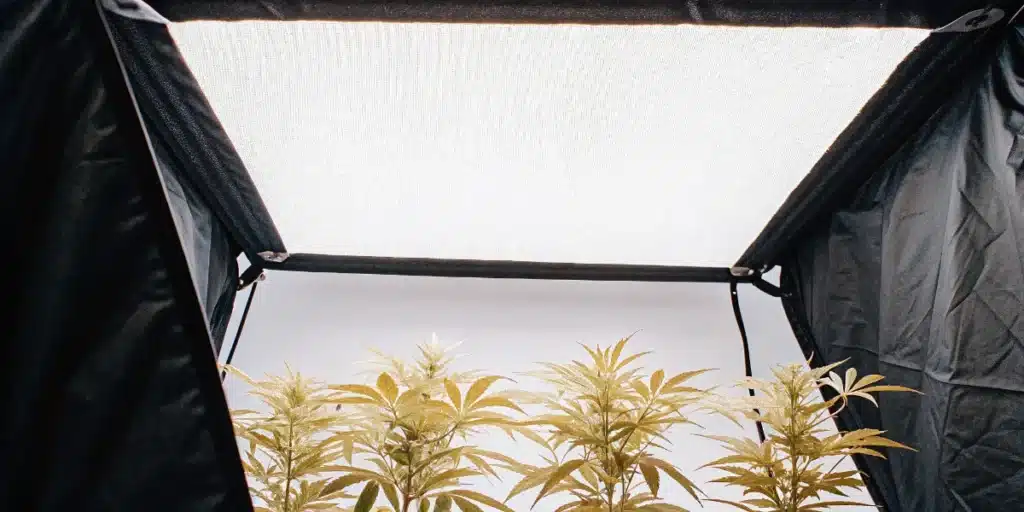
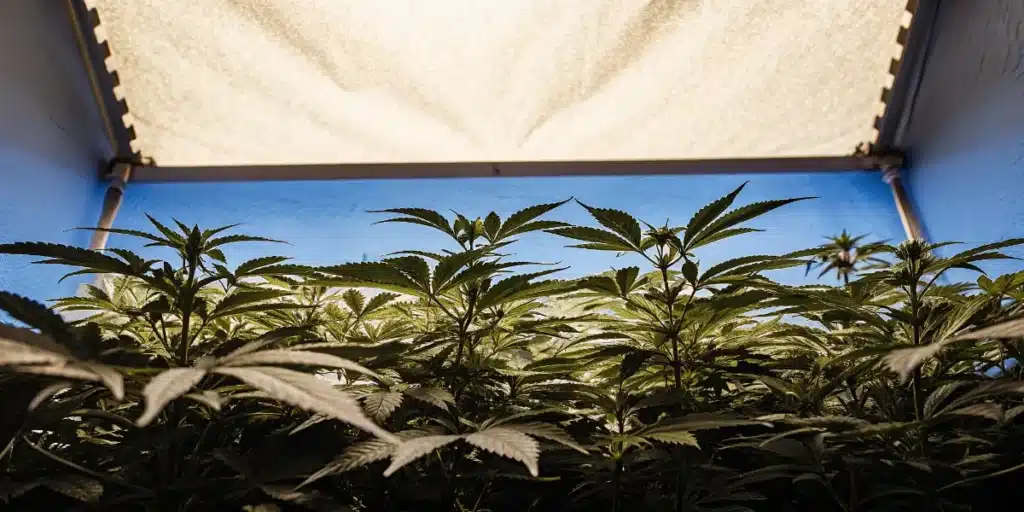
Optimal grow light duration: Grow lights should typically be on for 12 to 16 hours daily to support plant growth. This schedule allows for efficient photosynthesis while providing a necessary dark period for cellular functions. Avoid leaving lights on 24/7 as plants need darkness for respiration and hormone regulation.
When cultivating cannabis indoors, knowing the optimal light schedule is crucial. Different strains, like GG4 and Blueberry X Cream Cheese Auto, have unique light needs. For instance, GG4 thrives under a 12/12 light schedule during flowering, while autoflowers like Blueberry X Cream Cheese Auto benefit from 18/6. Tailoring light cycles to each strain maximizes yield and potency.
Recommended Strains
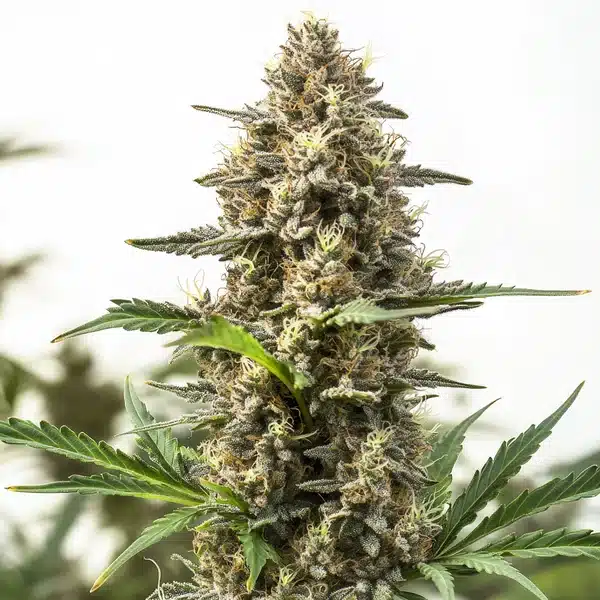
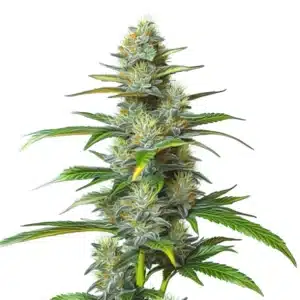
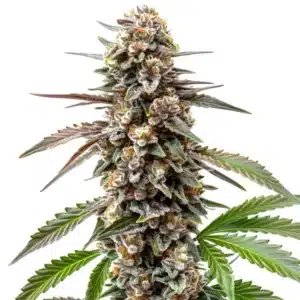
Holy Grail Og

|
THC | 24% - 29% (High) |

|
Type | Feminized |

|
Yield | Medium |

|
Phenotype | 60% Indica / 40% Sativa |
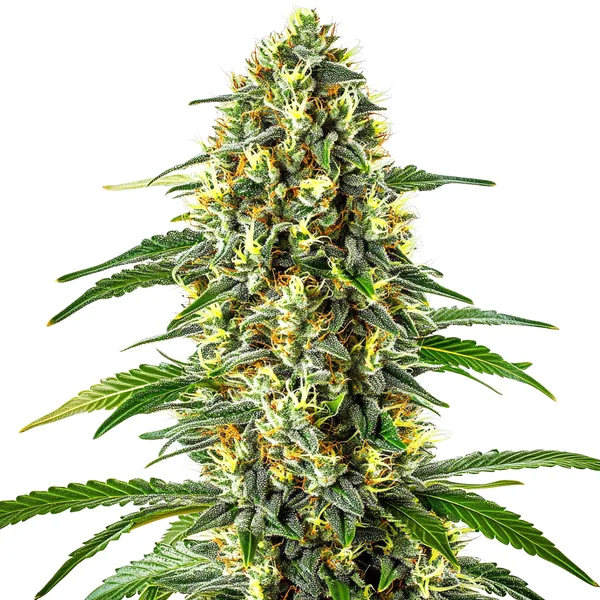
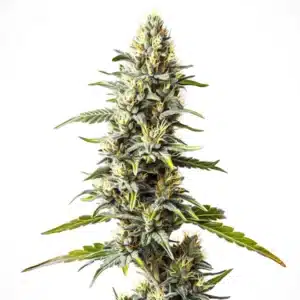
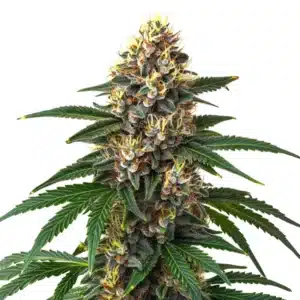
Blueberry x Cream Cheese Auto
|
|
THC | 15% - 19% (Medium) |
|
|
Type | Autoflowering |
|
|
Yield | High |
|
|
Phenotype | 60% Indica / 40% Sativa |
Grow Light Durations Explained
The Science Behind Light Cycles
Light cycles are pivotal in regulating plant growth stages. During the vegetative phase, cannabis plants require extended light exposure, typically 18 hours of light and 6 hours of darkness. This cycle promotes robust growth and prepares plants for the flowering phase. The transition to a 12/12 light cycle triggers flowering, essential for strains like GG4.
Photosynthesis efficiency peaks when plants receive adequate light intensity, measured in µmol/m²/s. For instance, 800-1000 µmol/m²/s is optimal during flowering. This intensity ensures plants receive enough energy to convert light into chemical energy, crucial for THC production and terpene synthesis.
Best Practices for Different Plant Types
Indoor plants, including cannabis, generally require 12 to 16 hours of light. However, specific needs vary. For example, photoperiod strains like Agent Orange Regular need a strict 12/12 cycle for flowering, while autoflowers thrive with 18/6. Knowing when to turn on grow lights for indoor plants is crucial for maximizing growth.
Utilizing timers ensures consistency, preventing human error. Many cultivators share that using digital timers can save energy and optimize growth by maintaining precise light schedules. This practice is vital for strains like Acapulco Gold, which require consistent light exposure to reach their full potential.
Promos & Deals
Seasonal Adjustments for Grow Lights
How Long to Leave Grow Lights On in Winter
During winter, natural daylight is limited, impacting indoor plant growth. Growers often extend light periods to compensate, ensuring plants receive sufficient light for photosynthesis. Typically, extending light exposure to 16 hours during winter helps maintain growth rates, especially for strains like Moby Dick Auto.
Adjusting light intensity is also crucial in winter. Lower ambient temperatures can reduce plant metabolism, so increasing light intensity to 900-1100 µmol/m²/s can counteract this effect, promoting healthy growth and maintaining yield potential.
Grow Lights for Seedlings and Germination
When to Turn On Grow Lights for Seedlings
Seedlings require a gentle introduction to light. When seedlings first emerge, they benefit from 16 hours of light to encourage strong root development and stem growth. A light intensity of 200-400 µmol/m²/s is ideal for this stage, preventing light stress while promoting healthy growth.
Experienced growers report that using adjustable LED lights can help tailor light exposure as seedlings mature. This flexibility ensures seedlings transition smoothly into the vegetative phase, reducing the risk of stunted growth.
How Long Should Grow Lights Be On for Germination
During germination, seeds require a stable environment with consistent light exposure. Many cultivators recommend keeping grow lights on for 18 hours to support germination, especially for strains like Holy Grail OG. This duration ensures seeds receive enough energy to sprout and establish roots.
Proper light management during germination can significantly impact seedling vigor. Ensuring a stable temperature of 70°F – 75°F (21°C – 24°C) alongside consistent light exposure fosters optimal conditions for seedling development.
Common Mistakes
Can You Leave Your Grow Light On Too Long?
Leaving grow lights on continuously can harm plants. Without a dark period, plants cannot complete essential processes like respiration and hormone regulation. This can lead to stress and reduced growth. For seedlings, a 16-hour light cycle is optimal, with a necessary 8-hour dark period to prevent overstimulation.
Do Grow Lights Run Up Your Electric Bill?
Grow lights can increase electricity costs, especially high-intensity models. For instance, a 600W LED light running 18 hours daily can add significant cost. To mitigate this, many growers use energy-efficient LEDs and timers, optimizing light use and reducing expenses.
| Feature | GG4 | Blueberry X Cream Cheese Auto | Moby Dick Auto |
|---|---|---|---|
| Light Schedule | 12/12 | 18/6 | 18/6 |
| Optimal Light Intensity | 900-1000 µmol/m²/s | 700-800 µmol/m²/s | 800-900 µmol/m²/s |
| THC Content | 27% | 15-19% | 16-20% |
| Dominant Terpene | Caryophyllene | Myrcene | Pinene |
| Flavor Profile | Fruity, Pine, Spicy | Berry, Kush | Citrus, Pine |
Professional Tips for Grow Light Use
- Maintain 60-70% RH during the vegetative phase to enhance terpene development and prevent mold.
- Use a digital timer to ensure consistent light cycles, reducing human error and energy waste.
- Adjust light intensity to 800-1000 µmol/m²/s during flowering for optimal THC production.
- Monitor temperature, keeping it between 68°F – 77°F (20°C – 25°C) to prevent heat stress.
- Ensure a dark period of 8 hours for seedlings to support healthy root development.
- Utilize energy-efficient LED lights to reduce electricity costs while maintaining high light output.
FAQs on Grow Light Usage
Can You Leave Your Grow Light On Too Long?
Leaving grow lights on excessively can stress plants, disrupting essential processes like respiration. A 16-hour light cycle with 8 hours of darkness is recommended for most stages. Overexposure can lead to nutrient deficiencies and stunted growth, especially in seedlings.
How Long Should Grow Lights Be On for Indoor Plants?
Indoor plants generally require 12 to 16 hours of light daily. This range supports photosynthesis and growth. Adjusting light duration based on plant type and growth stage is crucial. For example, photoperiod strains need a 12/12 cycle for flowering.
How Many Hours a Day Should I Run My Grow Light?
Running grow lights for 12 to 16 hours daily is typical for most plants. This duration supports photosynthesis and growth. However, specific needs vary by plant type. Autoflowers often thrive with 18 hours of light, while photoperiod strains require 12 hours during flowering.
Do Grow Lights Run Up Your Electric Bill?
Grow lights can increase electricity bills, especially high-wattage models. Using energy-efficient LEDs and timers can mitigate costs. For example, a 600W LED running 18 hours daily can significantly impact bills, so optimizing usage is essential.
What Is the Ideal Light Duration for Indoor Plants?
The ideal light duration for indoor plants is typically 12 to 16 hours. This range supports growth and photosynthesis. Specific plants may require adjustments; for instance, photoperiod strains need a 12/12 cycle to induce flowering.