How to Get Rid of Russet Mites: Effective Solutions

Combat russet mite infestations: Apply micronized sulfur or botanical sprays every 2-3 days to disrupt their life cycle, which matures in 5-7 days. For severe infestations, introducing predatory mites like Stratiolaelaps scimitus can help control populations. Consistent treatment is crucial to effectively manage these pests.
Russet mites are a stealthy threat to cannabis cultivation, often going unnoticed until significant damage occurs. These microscopic pests thrive in warm, dry conditions, making them a formidable challenge in indoor grows. Addressing this issue requires knowing their life cycle and implementing strategic interventions to protect your plants.
Recommended Strains
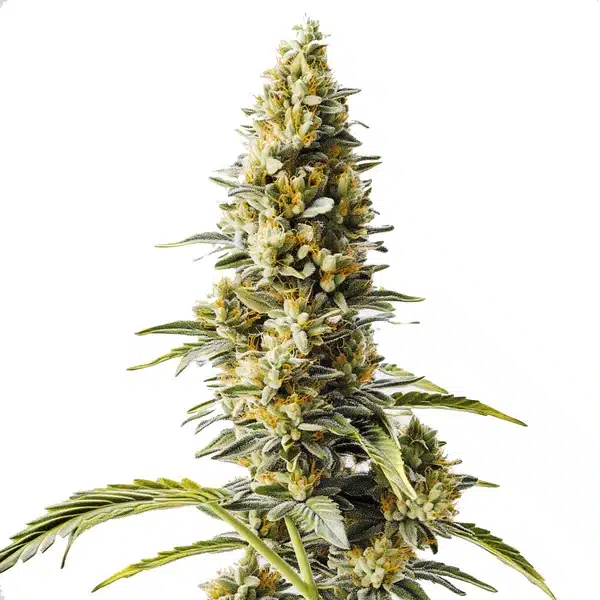
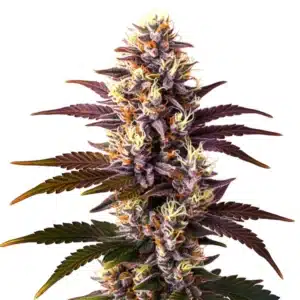
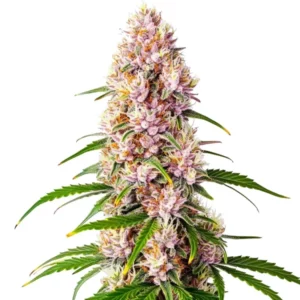
Skunk x Rosetta Stone Fast Version

|
THC | 16% - 20% (Medium) |

|
Type | Fast Flowering |

|
Yield | High |

|
Phenotype | 85% Indica / 15% Sativa |

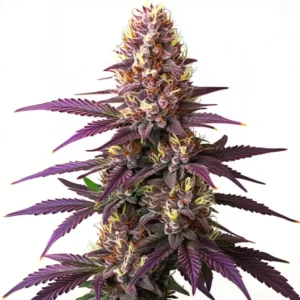
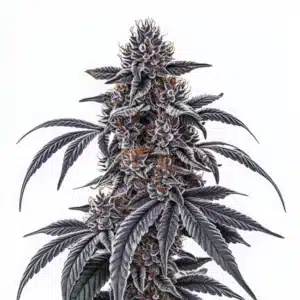
Pink Rozay Auto
|
|
THC | 20% - 24% (High) |
|
|
Type | Autoflowering |
|
|
Yield | Medium |
|
|
Phenotype | 80% Indica / 20% Sativa |
Russet Mites and Their Origins
Where do russet mites come from?
Russet mites often originate from infested plants or contaminated soil. They can hitch a ride on clothing, tools, or even wind currents, making their way into your grow space. Once established, they multiply rapidly, with a life cycle that can complete in just 5-7 days under optimal conditions of 70°F – 80°F (21°C – 27°C).
These pests are particularly attracted to stressed plants, where they feed on the sap, causing cellular damage. They are most commonly found on the underside of leaves, making early detection challenging. Regular inspection and maintaining a clean grow environment are key to preventing their spread.
Russet mites damage and pictures
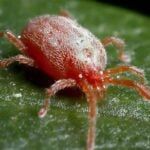
Russet mites cause significant damage by sucking out plant juices, leading to distorted growth and bronzing of leaves. This damage can be mistaken for nutrient deficiencies or other pest issues. High-resolution images reveal their presence, showing the characteristic russet hue and tiny, elongated bodies.
Under a microscope, russet mites appear as translucent, cigar-shaped pests. This visibility under magnification is crucial for accurate diagnosis, differentiating them from other pests like thrips. Identifying these mites early can prevent severe damage to your crops.
Promos & Deals
How to Get Rid of Russet Mites
Does sulfur kill russet mites?
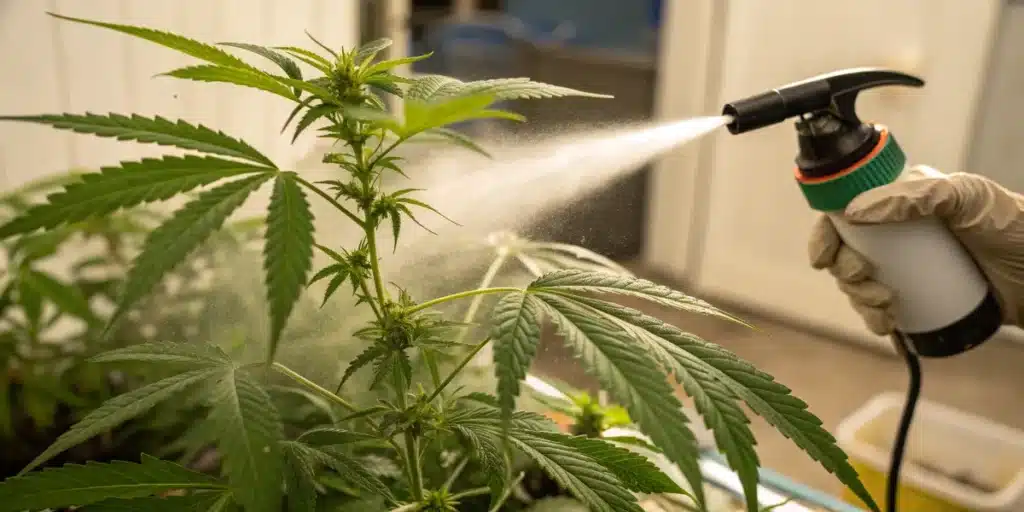
Yes, sulfur is an effective treatment against russet mites. It disrupts their feeding and reproductive processes, leading to their eventual eradication. Applying sulfur in a micronized form ensures better coverage and effectiveness. Maintain temperatures below 85°F (29°C) during application to prevent plant stress.
Regular applications every 2-3 days are recommended to break the mite’s life cycle. Ensure thorough coverage of all plant surfaces, focusing on the undersides of leaves where mites congregate. Avoid using sulfur in conjunction with oils, as this can cause phytotoxicity.
Does spinosad kill russet mites?
Spinosad is another potent option for controlling russet mites. It works by targeting the nervous system of the mites, leading to paralysis and death. Apply spinosad every 5-7 days, ensuring thorough coverage. It is most effective when used as part of an integrated pest management strategy.
While spinosad is generally safe for plants, overuse can lead to resistance. Rotate with other treatments such as neem oil or insecticidal soaps to maintain effectiveness. Always follow label instructions to avoid harming beneficial insects.
Comparing Russet Mites vs Thrips
Russet mites and thrips are both small pests that can cause significant damage to cannabis plants. However, they differ in appearance and behavior. Russet mites are microscopic and primarily affect the leaves, while thrips are visible to the naked eye and can damage both leaves and flowers.
Thrips leave behind silvery streaks and black fecal spots, whereas russet mites cause a bronzing effect. Managing these pests requires different approaches; thrips can be controlled with sticky traps and neem oil, while russet mites respond better to sulfur and predatory mites.
Advanced Treatment Options for Hemp Russet Mites
Hemp russet mites treatment
For hemp russet mites, introducing predatory mites like Amblyseius swirskii can provide effective biological control. These beneficial mites prey on russet mites, reducing their population naturally. Ensure your grow environment supports the survival of these predators by maintaining humidity levels between 60-70% RH.
In addition to biological controls, horticultural oils can be used to smother mites. Apply these oils in the early morning or late evening to avoid burning the plants. Consistent monitoring and treatment are essential to prevent re-infestation.
Monitoring and Prevention
Russet mites under microscope
Using a microscope to monitor for russet mites is critical in early detection. Look for the characteristic russet hue and elongated bodies on the undersides of leaves. Regular inspections can help catch infestations before they cause significant damage.
Preventing russet mites involves maintaining a clean grow environment and quarantining new plants. Regularly wash tools and hands, and consider using insect netting to keep out potential carriers. Early intervention is key to managing these pests effectively.
| Feature | Pink Rozay Auto | Mazar X Blueberry | Skunk X Rosetta Stone Fast Version |
|---|---|---|---|
| THC% | 20-24% | 22-25% | 16-20% |
| Dominant Terpene | Myrcene | Limonene | Caryophyllene |
| Effect | Euphoric, Powerful, Relaxed | Calming, Relaxed, Sedative | Aroused, Energetic, Sedative |
| Aroma | Fruity, Sweet | Berry, Earthy, Sweet | Fruity, Skunk, Woody |
| Yield Indoor | 1.15 – 1.47 oz/ft² | 1.47 – 1.8 oz/ft² | 1.31 – 1.64 oz/ft² |
Professional Tips for Managing Russet Mites
- Maintain consistent temperatures of 70°F – 80°F (21°C – 27°C) to prevent mite proliferation. Avoid higher temperatures that can stress plants and exacerbate infestations.
- Use a 10x magnifying glass to regularly inspect plants for early signs of russet mites, focusing on leaf undersides.
- Rotate treatments every 5-7 days to prevent resistance. Alternate between sulfur, spinosad, and horticultural oils.
- Introduce predatory mites such as Amblyseius swirskii to naturally control russet mite populations.
- Ensure humidity levels remain between 60-70% RH to support beneficial mites and deter russet mites.
- Quarantine new plants for at least two weeks to prevent introducing russet mites into your grow space.
FAQs on Russet Mites
What kills russet mites on contact?
Insecticidal soaps and horticultural oils are effective contact killers for russet mites. These treatments work by smothering the mites, leading to their death. Apply these solutions thoroughly, ensuring all plant surfaces are covered. Use them in the early morning or late evening to prevent plant burn.
What kills mites immediately?
Pyrethrin-based sprays can kill mites immediately upon contact. These sprays disrupt the nervous system of mites, leading to rapid death. Ensure thorough application for maximum effectiveness. Use sparingly to avoid resistance and always follow label instructions for safe use.
Do russet mites live in soil?
Russet mites primarily inhabit plant surfaces but can also be present in soil. They often migrate to the soil to overwinter. To prevent soil infestation, use sterile soil and regularly inspect for signs of mite activity. Implementing predatory nematodes can help control soil-dwelling mites.
How do you tell if you have russet mites?
Signs of russet mite infestation include bronzing of leaves, distorted growth, and reduced plant vigor. Use a microscope to confirm their presence, looking for tiny, translucent mites on the undersides of leaves. Early detection is crucial for effective management and prevention of widespread damage.
Can russet mites affect yield?
Yes, russet mites can significantly reduce yield by damaging plant tissues and inhibiting growth. Infested plants may produce fewer and smaller buds. Regular monitoring and prompt treatment are essential to minimize yield loss and maintain plant health.