How Breeders Smartly Use Tissue & Sap Testing for Amazing Strains

When it comes to growing cannabis, breeders are constantly on the lookout for innovative ways to enhance the quality of their strains. One method that has gained traction in recent years is the use of tissue and sap testing. How breeders use tissue and sap testing to develop new strains is a fascinating process that reveals how plant nutrition and health directly influence genetic improvement. These techniques help breeders to understand the nutritional and health status of their plants, allowing them to make informed decisions. Trust me, whether you’re a first-time seed buyer or a seasoned grower, you’ll find these insights handy.
So, how do breeders use tissue and sap testing to develop new cannabis strains? Let’s break it down. Tissue testing involves analyzing plant material to assess its nutrient content. Meanwhile, sap testing looks at the plant’s fluid, offering real-time insights into nutrient uptake. Together, these methods allow breeders to monitor plant health closely, optimizing conditions for developing amazing strains.
Recommended Strains

Critical Daddy Purple

|
THC | 19% (Medium) |

|
Type | Feminized |

|
Yield | High |

|
Phenotype | 50% Indica / 50% Sativa |

GG4
|
|
THC | 27% (High) |
|
|
Type | Feminized |
|
|
Yield | High |
|
|
Phenotype | 40% Indica / 60% Sativa |
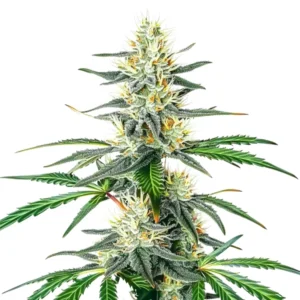
Take the case of Blimburn Seeds’ Critical Daddy Purple. By utilizing tissue testing, breeders could ensure the plant had optimal nutrient levels throughout its growth cycle. This led to a strain renowned for its robust flavor and high yield qualities that any grower would appreciate.
Tissue Testing in Cannabis Breeding
Let’s dive deeper into tissue testing. How breeders use tissue and sap testing to develop new strains is by analyzing precise nutrient data that reveals the plant’s internal health. Cannabis breeders rely on tissue testing for strain development because it provides detailed information about nutrient uptake and balance. Imagine being able to pinpoint exactly what your plant needs at any given time this can make all the difference between a mediocre harvest and a bumper crop.
For example, tissue testing can reveal deficiencies in essential nutrients like nitrogen or potassium. By addressing these deficiencies early, breeders can prevent growth problems down the line. This testing is particularly crucial for developing new strains, where the genetic makeup may lead to unexpected nutritional needs.
Moreover, the role of tissue testing in cannabis breeding extends beyond just identifying nutrient deficiencies. It also offers insights into how plants respond to different environmental conditions. By knowing these interactions, breeders can tailor their growing techniques, ensuring that each plant variety reaches its full potential.
Additionally, tissue testing allows breeders to experiment with various nutrient formulations, providing them with a scientific basis for their cultivation strategies. This experimental approach opens up possibilities for discovering new, high-performing strains that offer unique characteristics and benefits.
How Tissue Testing Works
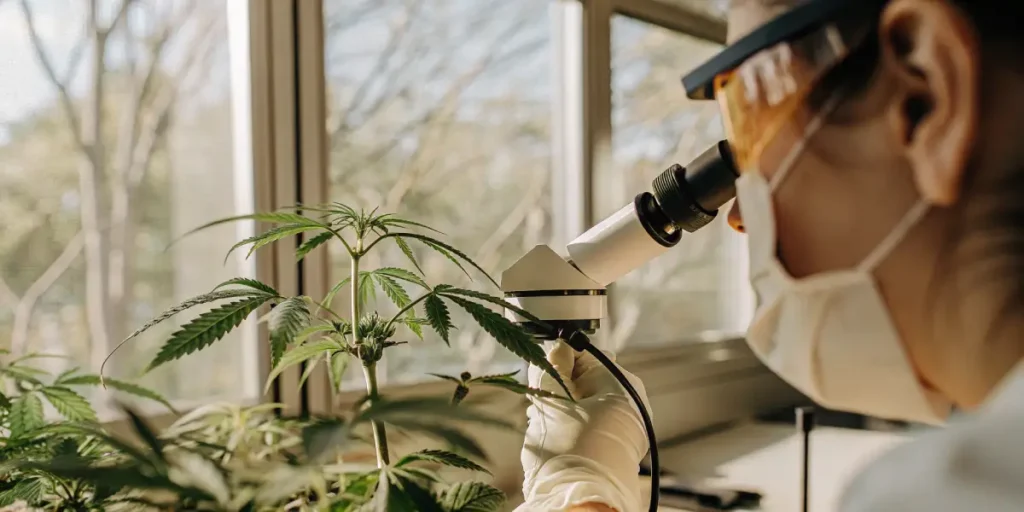
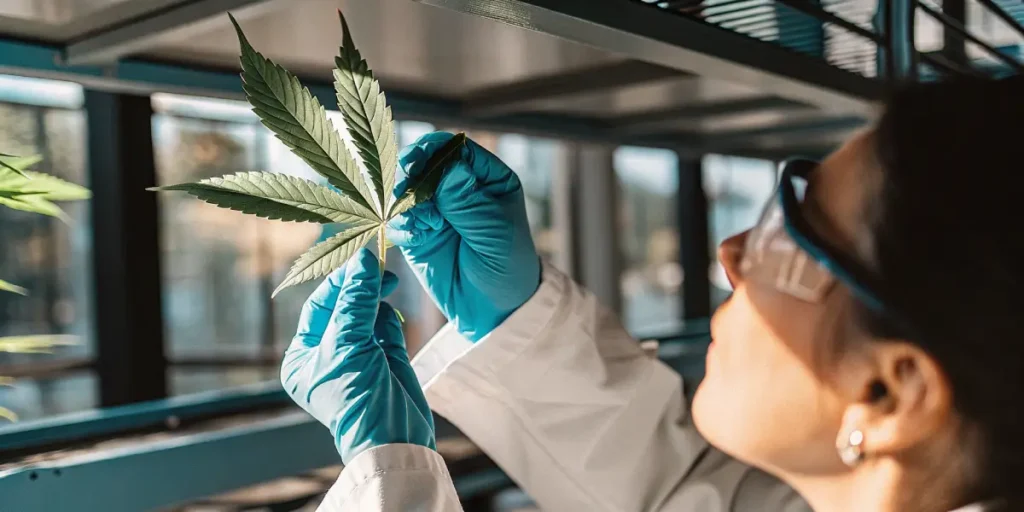
Tissue testing involves collecting samples from the plant, usually from leaves. These samples are then analyzed in a lab to determine their nutrient content. Think of it as a blood test for your plants, providing a snapshot of their health.
Once the nutrient levels are identified, breeders can customize their feeding regimen. For instance, if tissue testing shows a lack of calcium, the breeder can adjust the fertilizer mix to include more of this nutrient. This targeted approach ensures that each plant gets precisely what it needs.
Furthermore, tissue testing offers a non-invasive way to gather crucial data without harming the plant. This aspect is particularly valuable for breeders who are focused on developing strains that require minimal intervention while still achieving superior quality.
By integrating tissue testing into their routine, breeders can establish a feedback loop, continuously improving their methods based on historical data. This ongoing refinement process is key to staying ahead in the competitive world of cannabis cultivation.
Promos & Deals



Sap Testing for Optimal Strain Creation
Sap testing is another powerful tool in a breeder’s arsenal. Sap analysis in cannabis strain creation offers real-time data on nutrient uptake, which is crucial for developing robust strains. Unlike tissue testing, sap testing tells you what nutrients the plant is currently absorbing.
This method is excellent for catching issues early. If sap testing reveals low levels of a critical nutrient, breeders can act swiftly to correct the imbalance. This proactive approach can prevent potential problems and ensure healthy growth.
Moreover, using sap testing to improve cannabis strains allows breeders to make dynamic adjustments to their cultivation practices. This adaptability is essential for managing the various challenges that can arise during the growing process.
Besides, sap testing offers an opportunity for breeders to test the efficacy of different fertilizers and amendments in real-time. By observing how changes in the nutrient mix affect nutrient uptake, breeders can fine-tune their formulas for maximum effectiveness.
The Process of Sap Testing
Sap testing involves extracting the fluid from the plant’s stems or leaves. This fluid is then analyzed to determine its nutrient content. It’s a bit like checking the oil in your car to ensure everything is running smoothly.
By analyzing sap, breeders can track how well their plants are absorbing nutrients. If the sap shows low phosphorus levels, for example, breeders can adjust their fertilization strategy to boost phosphorus uptake. This real-time data is invaluable for fine-tuning growing conditions.
Additionally, sap testing provides a rapid feedback mechanism, allowing breeders to implement changes and see results without delay. This immediacy is crucial for maintaining optimal plant health and ensuring robust growth.
Moreover, sap testing can be used to monitor plant stress levels, providing early warnings of potential issues. By addressing stress factors promptly, breeders can maintain a stable growing environment conducive to producing high-quality cannabis strains.
Combining Tissue and Sap Testing for Superior Strains
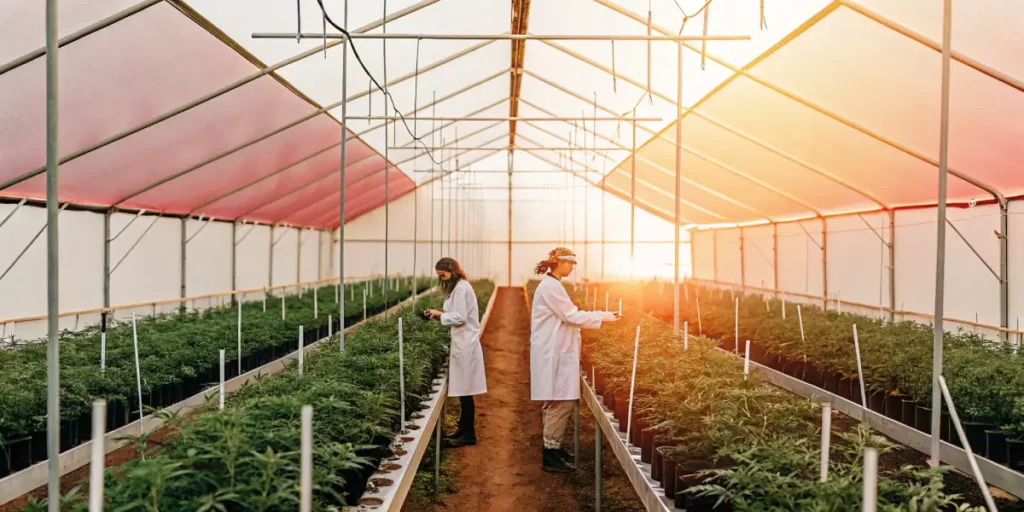
While each testing method has its merits, combining both tissue and sap testing offers a comprehensive view of plant health. Cannabis strain development through tissue and sap analysis allows breeders to monitor both stored nutrients and real-time uptake.
This dual approach provides a fuller picture of how a plant is faring. If tissue testing reveals adequate nutrient levels but sap testing shows poor uptake, breeders know there’s a problem with nutrient absorption. This insight can guide interventions to optimize plant health.
By integrating both testing methods, breeders can achieve a holistic knowing of their plants’ needs. This comprehensive insight empowers them to develop strains with enhanced characteristics, such as improved resistance to environmental stressors.
Furthermore, the synergy between tissue and sap testing enables more precise breeding initiatives. Armed with detailed data, breeders can pursue targeted crossbreeding strategies that emphasize desirable traits, ultimately leading to the creation of superior cannabis strains.
Benefits of Dual Testing
Using sap testing to improve cannabis strains in conjunction with tissue testing ensures that breeders have all the information they need. This comprehensive approach helps in fine-tuning growing conditions, leading to healthier plants and better yields.
Breeders can adjust their strategies based on this dual testing data. For instance, if both tests indicate low magnesium, a breeder might increase magnesium in the soil and adjust watering practices to enhance absorption. These targeted adjustments can make a significant difference in the final product.
Moreover, dual testing supports sustainable farming practices by reducing the risk of over-fertilization. By knowing the precise nutrient requirements, breeders can minimize waste and environmental impact, aligning their efforts with eco-friendly cultivation principles.
This meticulous attention to detail not only enhances the quality of the strains but also builds a reputation for reliability and excellence among breeders. Ultimately, the use of both tissue and sap testing positions breeders to deliver consistently high-performing cannabis strains to the market.
FAQs about How breeders use tissue and sap testing to develop new strains
What is tissue testing in cannabis breeding?
Tissue testing involves analyzing the plant material to determine its nutrient content. This type of testing is crucial for breeders because it provides accurate data about what nutrients the plant has stored. By knowing these levels, breeders can correct any deficiencies early, which is key to developing strong, healthy cannabis strains.
For instance, if the tissue test shows low nitrogen levels, a breeder can adjust the fertilization routine to add more nitrogen. This ensures that the plant receives the nutrients it needs to thrive, leading to better growth and development.
The role of tissue testing in cannabis breeding is not only about rectifying deficiencies but also about optimizing nutrient synergy. By balancing nutrient ratios, breeders can encourage plants to express their full genetic potential, resulting in superior strain quality.
Additionally, tissue testing can help breeders understand the long-term effects of their cultivation techniques. This information is invaluable for refining practices that contribute to sustainable and high-yield cannabis production.
How does sap testing benefit cannabis growers?
Sap testing offers real-time insights into what nutrients a plant is currently absorbing. This is incredibly beneficial for breeders because it allows them to catch potential problems early. If a nutrient deficiency is detected, steps can be taken to correct it before it affects the plant’s growth.
For example, if sap testing reveals low potassium levels, a grower can adjust the nutrient mix to increase potassium uptake. This proactive approach helps maintain optimal plant health, which is crucial for developing high-quality cannabis strains.
Using sap testing to improve cannabis strains provides a dynamic framework for managing nutrient delivery. This flexibility allows breeders to respond quickly to changes in plant needs, ensuring that nutrient supply is continuously optimized.
Moreover, sap testing can play a significant role in enhancing the overall efficiency of the cultivation process. By knowing nutrient absorption patterns, breeders can streamline their inputs, reducing costs while maximizing plant performance.
Why combine tissue and sap testing?
Combining tissue and sap testing provides a complete picture of a plant’s nutritional status. While tissue testing shows stored nutrients, sap testing reveals real-time nutrient uptake. Together, they offer comprehensive data that breeders can use to optimize growing conditions.
This dual approach is especially useful for breeding new strains. By knowing both nutrient storage and uptake, breeders can make precise adjustments to enhance specific traits, such as flavor, potency, or yield.
The integration of both testing methods facilitates a nuanced knowing of plant metabolism. This depth of knowledge enables breeders to implement cultivation strategies that are both innovative and effective.
Additionally, combining these methods supports the goal of creating resilient strains that can thrive under diverse environmental conditions. As a result, breeders are better equipped to meet the evolving demands of the cannabis market.
Can these testing methods improve yield?
Absolutely! By using tissue and sap testing, breeders can ensure that their plants receive the optimal balance of nutrients. This leads to healthier plants, which in turn can result in higher yields. By catching and correcting nutrient deficiencies early, breeders can prevent issues that might otherwise impact the harvest.
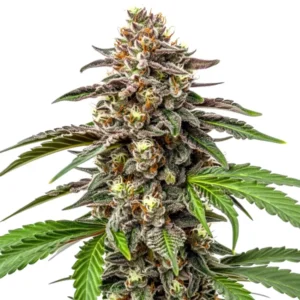
For example, a strain like Blimburn Seeds’ GG4 benefits from these testing methods, as breeders can optimize conditions to enhance both yield and potency. This makes a significant difference for growers aiming for a productive harvest.
Furthermore, cannabis strain development through tissue and sap analysis enables breeders to identify and leverage genetic traits that contribute to increased yield potential. This scientific approach is a game-changer in maximizing crop output.
Besides to boosting yield, these methods contribute to overall crop consistency. By maintaining stringent control over nutrient delivery, breeders can produce uniform plants that meet high-quality standards across different cultivation cycles.
How do these methods affect the quality of cannabis strains?
By providing detailed insights into nutrient levels, tissue and sap testing allow breeders to fine-tune the growing environment. This leads to healthier plants and, consequently, better-quality cannabis. Strains developed with these methods often have enhanced flavors, increased potency, and improved resilience.
For example, by using these testing methods, Blimburn Seeds has been able to develop strains like Blue Dream that are not only easy to grow but also deliver a balanced and potent high. This level of quality is what consumers and growers alike are looking for.
The meticulous application of these testing techniques ensures that breeders can consistently achieve desired strain attributes. This consistency is crucial for building brand loyalty and meeting consumer expectations.
Ultimately, how breeders use tissue and sap testing to develop new cannabis strains underscores a commitment to excellence and innovation in cannabis cultivation. As testing technologies continue to evolve, breeders are poised to unlock even greater potential from their plants.