Harvest Timing’s Impact on Cannabis VOC Profile

Harvest timing affects cannabis VOCs: The harvest timing effect on cannabis VOC profile plays a crucial role in aroma and potency, directly influencing the plant’s overall sensory characteristics. Harvesting cannabis at peak maturity can boost terpene levels by up to 30%, enhancing both flavor and aroma. Knowing the harvest timing effect on cannabis VOC profile empowers growers to optimize their harvests for superior product quality while aligning with consumer preferences for more aromatic and potent cannabis.
Knowing the intricate relationship between harvest timing and the VOC profile of cannabis is vital for maximizing both aroma and potency. Terpenes, the primary VOCs in cannabis, can vary significantly depending on when the plant is harvested. For instance, harvesting during the early morning can enhance specific terpene levels, offering a unique flavor profile. This knowledge allows cultivators to tailor their harvest strategies for optimal results.
Recommended Strains

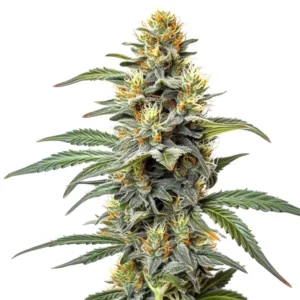
Blueberry

|
THC | 15% - 24% (High) |

|
Type | Feminized |

|
Yield | High |

|
Phenotype | 80% Indica / 20% Sativa |
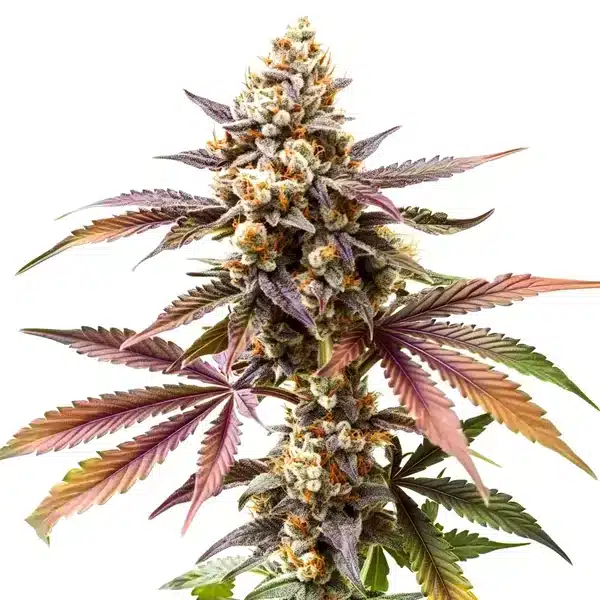
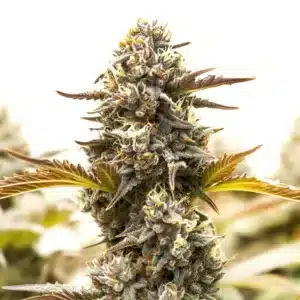
GG4 x Z OG
|
|
THC | 20% - 24% (High) |
|
|
Type | Feminized |
|
|
Yield | High |
|
|
Phenotype | 60% Indica / 40% Sativa |
VOCs in Cannabis
What Are VOCs?
Volatile organic compounds (VOCs) are a group of carbon-based chemicals that easily evaporate at room temperature. In cannabis, VOCs primarily consist of terpenes and flavonoids, which contribute to the plant’s distinctive aroma and flavor. Terpenes like myrcene, limonene, and pinene are not only responsible for scent but also play a role in the entourage effect, enhancing the overall impact of cannabinoids such as THC and CBD. Besides, knowing the harvest timing effect on cannabis VOC profile is essential, as harvesting too early or too late can significantly alter terpene concentration, aroma intensity, and the overall chemical composition of the plant.
In cannabis, VOCs are crucial for both the plant’s survival and its appeal to consumers. Myrcene, for example, can account for up to 65% of the terpene profile in some strains, providing earthy, musky notes. Limonene, often found in citrus-scented strains, can range from 0.5% to 2% of the terpene content, contributing to uplifting effects. These compounds are synthesized in the trichomes, the resinous glands on cannabis flowers.
Importance of VOCs in Cannabis
The significance of VOCs extends beyond aroma. They influence the therapeutic properties of cannabis, with certain terpenes known to have anti-inflammatory, analgesic, and anxiolytic effects. For instance, caryophyllene, present in concentrations of 0.4% to 0.7%, interacts with CB2 receptors, potentially offering anti-inflammatory benefits. The precise composition of VOCs can affect the consumer’s experience, making them a critical consideration for growers aiming to produce high-quality cannabis.
Master growers recognize that VOCs can enhance the perceived potency of cannabis. A well-balanced terpene profile can complement the effects of THC, which typically ranges from 15% to 25% in many strains. This synergy not only enhances the user’s experience but also distinguishes premium cannabis from lower-quality products.
Promos & Deals

The Science Behind Harvest Timing
How Timing Affects Potency and Flavor
Harvest timing is pivotal in determining the potency and flavor profile of cannabis. As the plant matures, the concentration of cannabinoids and terpenes fluctuates. Harvesting too early can result in lower THC levels, often below 15%, while waiting too long can lead to a degradation of terpenes, diminishing the plant’s aroma and flavor. Experienced cultivators aim to harvest when trichomes are milky with a few turning amber, indicating peak potency.
Environmental factors also play a role in VOC development. Temperature fluctuations, particularly during the final weeks of flowering, can impact terpene synthesis. Maintaining a stable environment of 68°F to 77°F (20°C to 25°C) is crucial for preserving terpene integrity. This careful balance ensures that the cannabis retains its desired flavor and potency, appealing to discerning consumers.
Environmental Factors Influencing VOCs
Environmental conditions, such as light intensity and humidity, significantly influence VOC profiles. High light intensity, around 800-1000 µmol/m²/s, can enhance terpene production, while excessive humidity above 65% can lead to mold, compromising the plant’s quality. Growers must monitor these parameters closely to ensure optimal VOC development.
Another factor to consider is the time of day when harvesting. Many cultivators find that harvesting in the early morning, when terpene levels are at their peak, can enhance the plant’s aroma and flavor. This practice is based on the knowing that terpenes are more volatile and prone to evaporation during the heat of the day.
Optimal Harvest Timing for Best VOC Profile
Early Harvest vs. Late Harvest
Choosing the right harvest time is crucial for optimizing the VOC profile of cannabis. An early harvest, when trichomes are clear, may result in a more uplifting effect but can lack in potency and flavor depth. Conversely, a late harvest, indicated by amber trichomes, can enhance sedative effects but may lead to a loss of some volatile terpenes, diminishing the aroma.
Growers often aim for a balance, harvesting when trichomes are mostly milky with a few amber, ensuring a robust terpene profile while maintaining desired potency. This timing can vary between strains, with some requiring more precise monitoring to achieve optimal results.
Real-World Examples
Real-world examples highlight the impact of harvest timing on VOC profiles. For instance, growers of the GG4 X Z OG strain report that harvesting at 8-9 weeks maximizes its fruity aroma and potency. Similarly, the Blueberry strain benefits from a slightly earlier harvest to preserve its signature berry notes.
These examples underscore the importance of knowing each strain’s unique characteristics and adjusting harvest timing accordingly. This approach not only enhances the sensory experience but also ensures that the cannabis meets consumer expectations for flavor and potency.
Practical Tips for Harvesting Cannabis
- Maintain 58-62% RH during curing to preserve terpene profiles. Below 55% can arrest terpene development, while above 65% promotes mold growth within 48 hours.
- Harvest in the early morning to capture peak terpene levels. Terpenes are more volatile and prone to evaporation during the day.
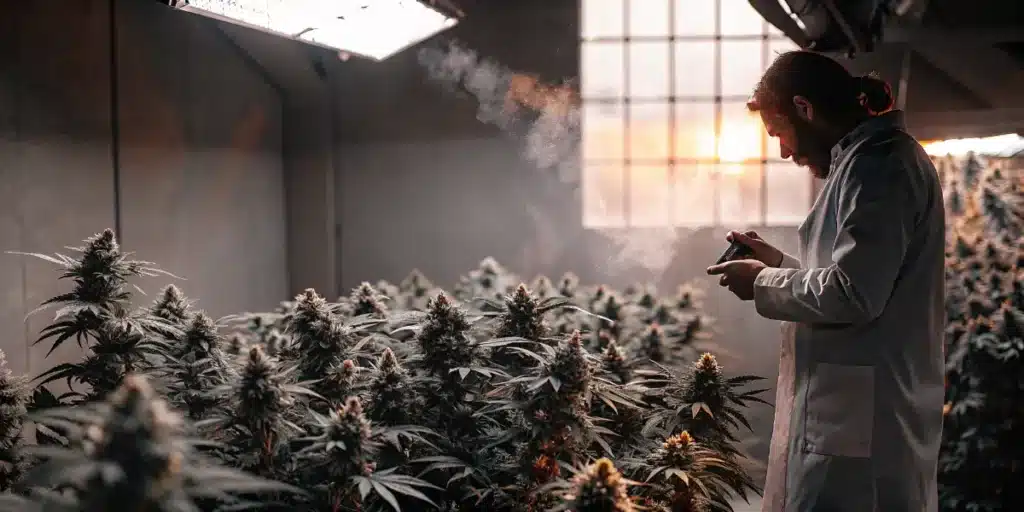
- Monitor trichome development closely. Aim for mostly milky trichomes with a few amber for optimal potency and flavor.
- Use a digital hygrometer to ensure accurate humidity readings. Avoid analog devices, which can be less precise.
- Keep temperatures stable at 68°F to 77°F (20°C to 25°C) during the final weeks of flowering to maintain terpene integrity.
- Avoid over-fertilizing in the last two weeks before harvest. Excess nutrients can alter the flavor profile and reduce overall quality.
FAQs about harvest timing effect on cannabis VOC profile
How does the time of day affect cannabis VOCs?
Harvesting cannabis in the early morning can enhance VOC levels, as terpenes are less volatile at cooler temperatures. This practice helps preserve the plant’s aroma and flavor, providing a more robust sensory experience. Many growers find that early morning harvests yield the best results for terpene retention.
What are the VOCs emitted by cannabis?
Cannabis emits a variety of VOCs, primarily terpenes such as myrcene, limonene, and pinene. These compounds contribute to the plant’s aroma and flavor, with myrcene often dominating the profile at up to 65%. Terpenes also play a role in the entourage effect, enhancing the impact of cannabinoids.
What are the consequences of delayed cannabis harvest?
Delaying cannabis harvest can lead to a degradation of terpenes and cannabinoids. As trichomes turn amber, THC levels may decrease, affecting potency. Additionally, the loss of volatile terpenes can diminish the plant’s aroma and flavor, resulting in a less appealing product.
Why use the 7 days of darkness technique before harvest?
The 7 days of darkness technique is used to stress the plant, potentially increasing resin and terpene production. This method can enhance the final product’s potency and aroma. However, it requires careful monitoring to avoid stressing the plant excessively, which can negatively impact quality.
Does cannabis emit VOCs?
Yes, cannabis emits VOCs, primarily in the form of terpenes and flavonoids. These compounds contribute to the plant’s distinctive aroma and flavor. Myrcene, limonene, and pinene are common terpenes found in cannabis, each with unique sensory and therapeutic properties.