Exploring the VOC Profile of Citrus Cannabis Strains

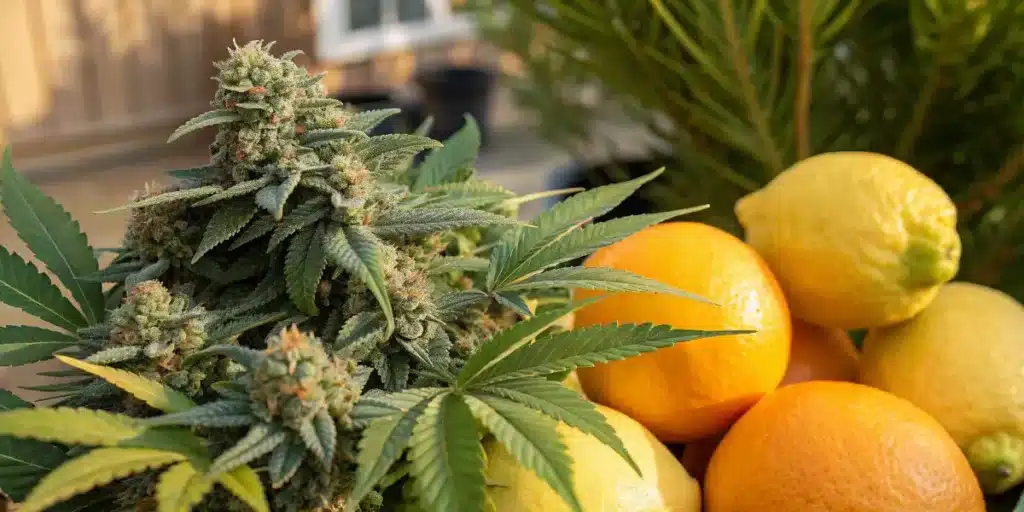
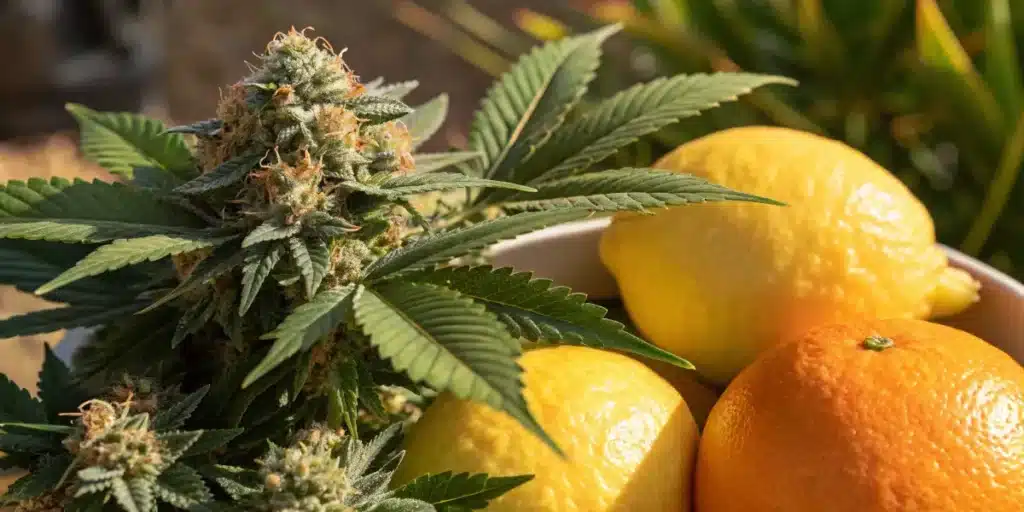
The citrus strains VOC profile cannabis enthusiasts look for is largely driven by terpenes like limonene and myrcene, which give these varieties their zesty and refreshing aroma. Citrus cannabis strains captivate users not only through scent but also by enhancing effects and overall experience. Typically, these strains flower in 8–10 weeks and thrive in warm climates, making them popular choices for both growers and consumers seeking flavorful, aromatic genetics.
Citrus Cannabis Strains: A Closer Look
Key Terpenes in Citrus Strains
Terpenes are organic compounds responsible for the aromatic diversity in cannabis. In a citrus strains VOC profile cannabis, limonene is the dominant terpene, contributing a fresh, lemony scent. It typically comprises 1–2% of the terpene profile. Limonene is known for its mood-enhancing properties, potentially reducing stress and anxiety by interacting with serotonin receptors.
Recommended Strains
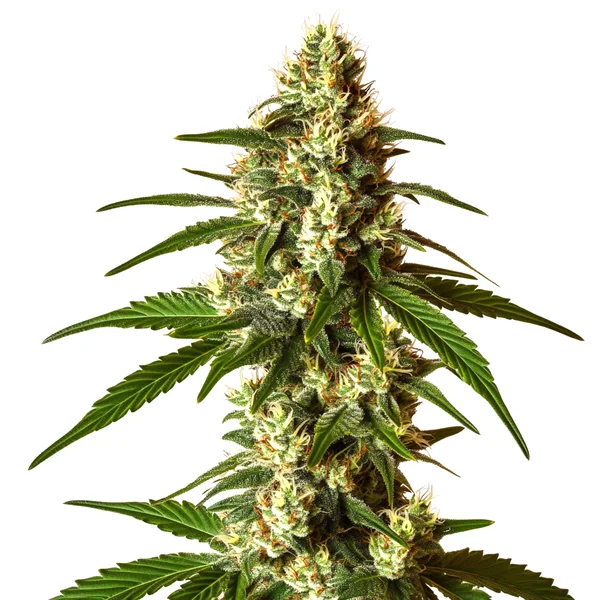
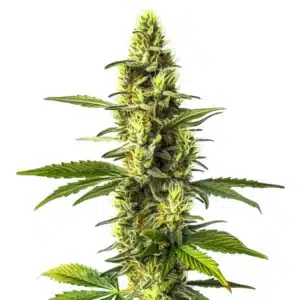
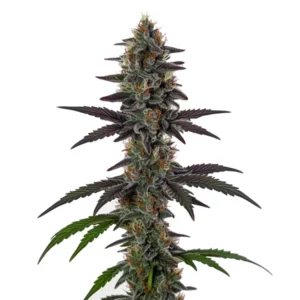
Lemon Kush

|
THC | 17% - 26% (High) |

|
Type | Feminized |

|
Yield | High |

|
Phenotype | 55% Indica / 45% Sativa |

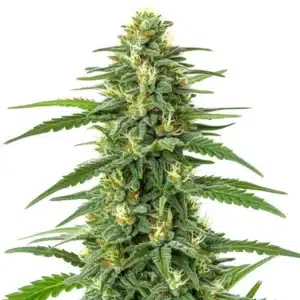
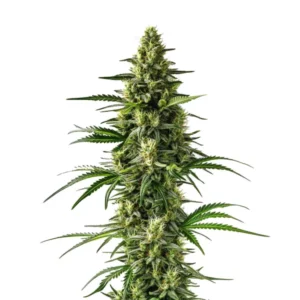
Lemon OG
|
|
THC | 16% - 24% (High) |
|
|
Type | Feminized |
|
|
Yield | Medium |
|
|
Phenotype | 55% Indica / 45% Sativa |
Myrcene, another key terpene, often complements limonene in citrus strains. Present at 0.5-1.5%, myrcene adds earthy, musky notes that can enhance the entourage effect, promoting relaxation. This terpene facilitates THC absorption, making the high more potent and longer-lasting.
Practical Application & Impact
Knowing the terpene profile aids in selecting strains that match your desired effects. For instance, a strain high in limonene might be ideal for daytime use, boosting energy and mood. Conversely, myrcene-rich strains are better suited for evening relaxation, aiding in sleep and reducing discomfort.
Expert Tip: To maximize terpene retention, store cannabis at 58-62% RH. This prevents terpene degradation, ensuring a full-flavor experience.
Promos & Deals

Top Citrus Strains and Their Unique Profiles
Citrus Indica Strains vs. Citrus Sativa Strains
Citrus indica strains often exhibit a more sedative effect, ideal for evening use. These strains, such as Lemon Kush, typically contain higher levels of myrcene, enhancing relaxation. They flower in 8-9 weeks and yield approximately 1.5 oz/ft² (450 g/m²) indoors.
In contrast, citrus sativa strains typically offer an uplifting experience. Strains like Lemon OG are rich in limonene, promoting energy and creativity. They flower in 9-10 weeks, with yields reaching 1.8 oz/ft² (550 g/m²) indoors.
Strain Highlights
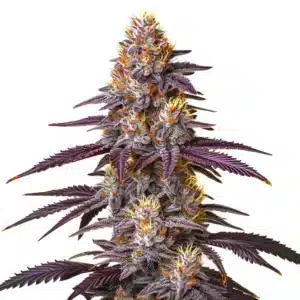
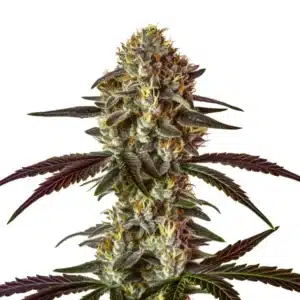
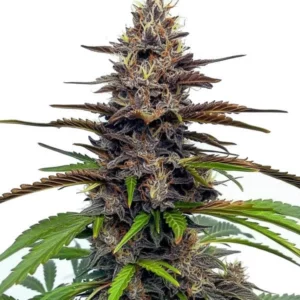
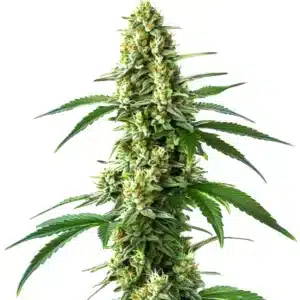
The Purple Citrus strain is known for its unique coloration and balanced effects, combining the best of indica and sativa traits. Lemon Tree strain stands out due to its intense lemon aroma and balanced high, making it popular among enthusiasts. Lemon citrus strains are favored for their refreshing profile, often used in daytime settings for a mood boost.
Citrus Sap strain offers a unique blend of citrus and pine aromas, with a terpene profile dominated by limonene and pinene. This strain is perfect for those seeking a clear-headed high with a touch of creativity.
The Impact of VOCs on Flavor and Aroma
Biological Mechanism
Volatile organic compounds (VOCs) are crucial in defining the flavor and aroma of cannabis. These compounds evaporate easily, allowing them to be perceived as scents. In cannabis, VOCs like terpenes are synthesized in the trichomes, the resinous glands that cover the plant’s surface.
Terpenes like limonene and myrcene interact with cannabinoid receptors, influencing the overall effect of the strain. For instance, limonene may enhance the absorption of other cannabinoids, intensifying their effects. This interaction is a key aspect of the entourage effect, where the combination of cannabinoids and terpenes produces a unique experience.
Practical Implications
For consumers, knowing VOC profiles can guide strain selection based on desired effects and flavors. Growers can manipulate environmental factors like temperature and humidity to enhance terpene production, improving the strain’s aromatic profile.
Expert Tip: Maintain temperatures between 68°F – 77°F (20°C – 25°C) during flowering to optimize terpene synthesis. Deviations can lead to terpene loss, affecting flavor and potency.
Professional Tips for Citrus Strains
- Maintain 58-62% RH: This range is crucial for preserving terpenes during curing. Lower RH can halt terpene development, while higher RH encourages mold growth.
- Use Full-Spectrum Lighting: Full-spectrum lights enhance terpene production, mimicking natural sunlight. Avoid narrow-spectrum LEDs that can limit terpene diversity.
- Harvest at Peak Maturity: Harvesting too early can result in underdeveloped terpenes. Wait until trichomes are milky white for optimal flavor.
- Monitor pH Levels: Keep soil pH between 6.0-6.5. Extreme pH levels can inhibit nutrient uptake, affecting terpene synthesis.
- Control Temperature: During drying, maintain 60-70°F (15-21°C) to prevent terpene evaporation. High temperatures can degrade terpenes quickly.
- Store in Glass Jars: Use airtight glass jars for storage. Plastic containers can leach chemicals that degrade terpenes over time.
FAQs on citrus strains VOC profile cannabis
Does sativa make you sleepy if you have ADHD?
Sativa strains are generally energizing, but their effects can vary. For individuals with ADHD, sativas may enhance focus and energy, with THC levels typically between 15-25%. However, some users report feeling relaxed or sleepy, depending on the specific terpene profile and individual response.
Does indica help with nerve pain?
Indica strains are often recommended for nerve pain due to their relaxing properties. With THC levels around 18-22% and terpenes like myrcene and caryophyllene, indicas can provide pain relief and muscle relaxation. They’re best used in the evening to aid sleep and reduce discomfort.
How do different cannabis strains affect ADHD symptoms?
Cannabis strains affect ADHD symptoms differently based on their cannabinoid and terpene profiles. Sativas may enhance focus and energy, while indicas can promote relaxation. THC levels in these strains range from 15-25%, with terpenes like limonene and myrcene influencing their effects. Personal response varies, so experimentation is key.