Expert Guide: Zinc Deficiency vs Chlorosis in Cannabis Explained

When growing cannabis, problems with nutrient uptake can manifest in ways that might confuse even seasoned growers. Among these, zinc deficiency and chlorosis often crop up, leading to similar-looking symptoms. While both issues can stymie your plant’s growth, they call for different treatments. Knowing zinc deficiency vs chlorosis in cannabis is crucial for diagnosing the problem correctly and ensuring healthy, robust plants.
Zinc deficiency in cannabis generally results in discolored leaves, but it’s not the same as chlorosis, where leaves yellow due to lack of chlorophyll. Zinc deficiency symptoms vs chlorosis in cannabis plants require careful observation. It’s important to look at the pattern of discoloration and plant part affected to make the correct diagnosis.
Recommended Strains
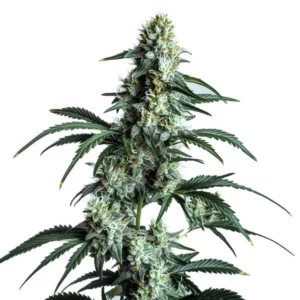
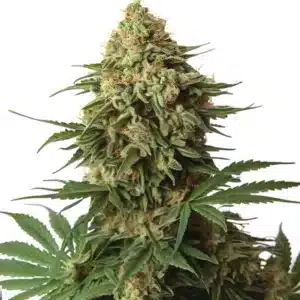
Sour Diesel

|
THC | 22% - 25% (Medium) |

|
Type | Feminized |

|
Yield | High |

|
Phenotype | 30% Indica / 70% Sativa |
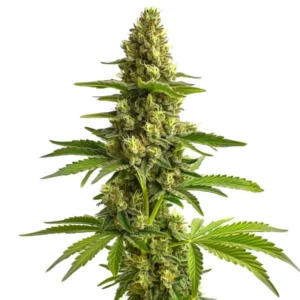
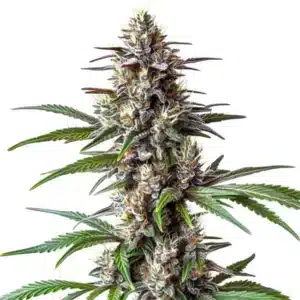
Bruce Banner #3
|
|
THC | 20% - 29% (High) |
|
|
Type | Feminized |
|
|
Yield | Medium |
|
|
Phenotype | 50% Indica / 50% Sativa |
For growers using premium strains from Blimburn Seeds, such as Bruce Banner #3, Sour Diesel, and Blue Dream, knowing how to tackle these issues is key to maintaining quality yields. Let’s delve deeper into identifying chlorosis and zinc deficiency in cannabis leaves, and explore how they impact your grow.
Symptoms of Zinc Deficiency in Cannabis
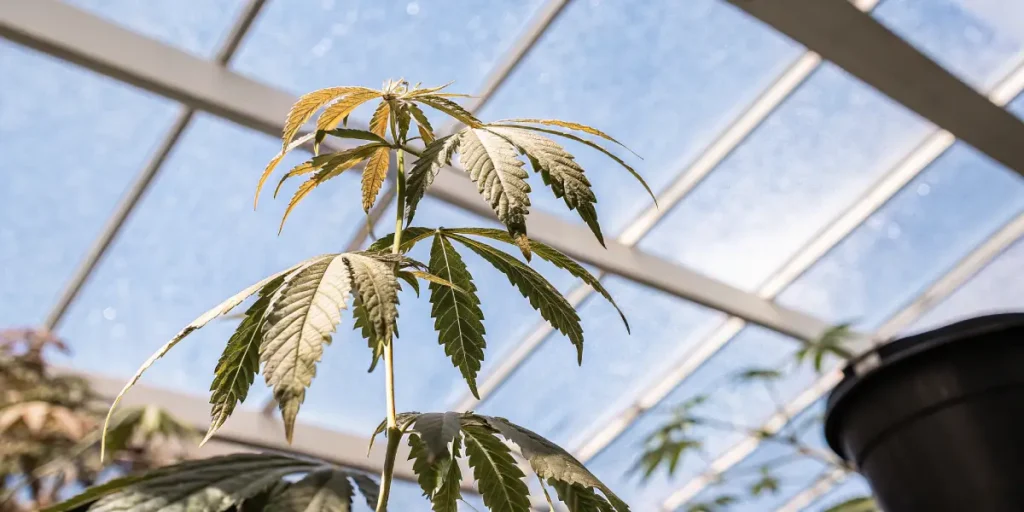
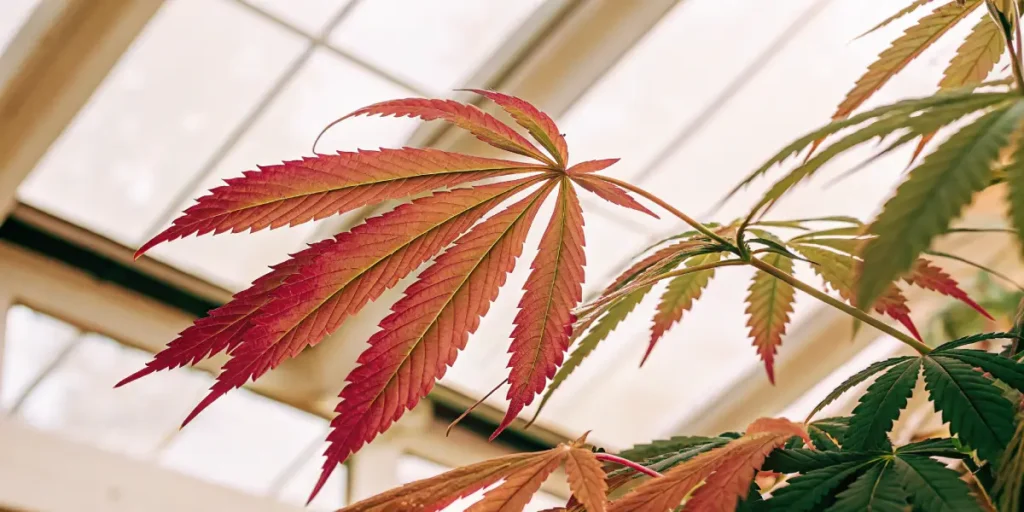
Zinc deficiency is a micronutrient issue that affects the upper leaves of cannabis plants. Typically, you’ll notice new leaves developing a yellowish hue between the veins, while the veins themselves often remain green. This interveinal chlorosis is a hallmark of zinc deficiency. Leaves might also start to curl or twist, showing distorted growth patterns.
In more severe cases, the leaves may start to die off, beginning at the tips and edges. This necrosis is an advanced symptom that indicates the deficiency has persisted for too long. If you’re cultivating strains like Sour Diesel from Blimburn Seeds, ensuring adequate zinc levels can prevent these issues from affecting your overall yield.
Additional symptoms to watch for in zinc deficiency include a noticeable reduction in leaf size and slower overall plant growth. These plants may also exhibit a form of stunted growth that is not immediately apparent, making regular monitoring essential. For Blimburn Seeds varieties, early intervention can save the plant from irreversible damage.
Ensuring a balanced nutrient regimen that includes zinc as a trace element is crucial. Growers should be mindful of how zinc deficiency vs chlorosis in cannabis can initially present similar symptoms but require different approaches to resolve. A nutrient-rich diet tailored to cannabis can help mitigate these risks effectively.
Promos & Deals

Knowing Chlorosis in Cannabis Plants
Chlorosis, on the other hand, is primarily caused by a lack of chlorophyll, leading to the yellowing of leaves. Unlike zinc deficiency, chlorosis affects older leaves first, and the yellowing is more uniform. This can be due to various factors, including poor soil quality or improper pH levels that lock out necessary nutrients like nitrogen or magnesium.
Chlorosis can cause broader issues if not addressed, as it interferes with photosynthesis, the plant’s ability to convert light into energy. For growers of Blue Dream from Blimburn Seeds, maintaining proper nutrient balance is vital to prevent this condition. Regular pH testing and balanced feeding schedules can help mitigate the risk of chlorosis.
When considering nutrient deficiencies in cannabis, chlorosis vs zinc deficiency represents two distinct challenges. Chlorosis can sometimes be mistaken for other deficiencies such as nitrogen or magnesium, making accurate diagnosis critical. Implementing a comprehensive nutrient management plan is essential for preventing these issues from escalating.
For Blimburn Seeds strains, maintaining a consistent and balanced nutrient supply can help avert the onset of chlorosis. Additionally, growers should ensure that environmental factors such as light and temperature are optimized to support healthy chlorophyll production, thus reducing the risk of chlorosis.
Distinguishing Zinc Deficiency from Chlorosis
Identifying the differences between zinc deficiency vs chlorosis in cannabis can sometimes be tricky, but knowing the distinctions is crucial for treatment. Zinc deficiency typically starts in new growth, while chlorosis appears in older leaves. Observing the pattern of leaf discoloration is key.
In zinc deficiency, interveinal chlorosis and leaf distortion are primary indicators. In contrast, chlorosis presents with more uniform yellowing as a result of chlorophyll loss. This distinction helps growers decide on the appropriate course of action. For instance, adjusting soil pH levels could benefit plants suffering from chlorosis.
For effective identification, growers should consider the age of the affected leaves and the pattern of discoloration. This careful examination can help in distinguishing zinc deficiency from chlorosis in cannabis, allowing for precise interventions. A proactive approach in monitoring plant health can significantly improve outcomes.
Beyond visual inspection, soil and water testing can provide valuable insights into the root causes of nutrient imbalances. By knowing the nuances of zinc deficiency symptoms vs chlorosis in cannabis plants, growers can implement targeted solutions that enhance plant vitality and productivity.
Cannabis Chlorosis vs Zinc Deficiency Treatment Options
Treating zinc deficiency involves ensuring that plants have adequate zinc intake. This can be achieved by using a balanced nutrient solution that includes zinc. Foliar sprays containing zinc sulfate can also provide a quick fix to address acute deficiencies. For longer-term solutions, amending the soil with zinc-rich fertilizers can be beneficial.
Chlorosis, meanwhile, might require a more holistic approach. Begin by testing the soil’s pH and nutrient levels. If the pH is off, adjust it to the optimal range for cannabis growth, typically between 6.0 and 7.0. If nutrient lockout is suspected, flushing the soil with pure water can help reset nutrient levels.
Effective cannabis chlorosis vs zinc deficiency treatment options involve both immediate and long-term strategies. For zinc deficiency, quick action with foliar applications can provide immediate relief, while soil amendments ensure sustained nutrient availability. Regular monitoring and adjustments can maintain plant health over time.
For chlorosis, addressing underlying soil or environmental issues is key. By ensuring that Blimburn Seeds strains receive consistent care and nutrient management, growers can prevent these conditions from compromising yield potential. Tailored solutions can help maximize plant performance and quality.
FAQs about zinc deficiency vs chlorosis in cannabis
What are the early signs of zinc deficiency vs chlorosis in cannabis?
Early signs of zinc deficiency in cannabis include yellowing between the veins of new leaves and a general slowdown in growth. Leaves may also start to curl, presenting a noticeable distortion. These symptoms should prompt growers to check their nutrient solutions and possibly apply a zinc supplement.
Chlorosis, however, begins with the yellowing of older leaves. The yellowing is more even and affects the whole leaf due to decreased chlorophyll production. Growers should check soil pH and consider nutrient deficiencies in primary nutrients like nitrogen or magnesium as potential culprits.
Recognizing these early signs can prevent the escalation of issues, allowing for timely interventions. Identifying chlorosis and zinc deficiency in cannabis leaves at an early stage can save plants from long-term damage and support healthy growth cycles. Maintaining vigilance is essential for successful cultivation.
Both zinc deficiency and chlorosis can lead to reduced yields if not addressed promptly. By knowing the nuances of each condition, growers can implement precise corrective measures. Regular check-ups and nutrient adjustments can ensure robust plant health and maximize yields for Blimburn Seeds varieties.
How can I prevent zinc deficiency in my cannabis plants?
Prevention is key when it comes to zinc deficiencies. Ensure that your nutrient solutions contain appropriate levels of zinc. Regularly check the pH of your growing medium to ensure it is within the ideal range, as improper pH can lead to nutrient lockout. Foliar feeding with zinc can also provide a quick remedy.
For Blimburn Seeds strains, using a comprehensive nutrient plan that includes trace elements like zinc will help maintain plant health. Regular monitoring and adjustments as needed can prevent deficiencies before they impact your yield.
Beyond nutrient solutions, cultivating a stable growing environment is crucial for preventing zinc deficiency. Consistent temperature and humidity levels can support optimal nutrient uptake, reducing the risk of deficiencies. Employing good growing practices can enhance plant resilience against nutrient imbalances.
Knowing the dynamics of nutrient deficiencies in cannabis, chlorosis vs zinc deficiency, is essential for prevention. By maintaining a balanced nutrient regimen and monitoring environmental factors, growers can ensure that their Blimburn Seeds strains thrive throughout the growth cycle.
What impact does chlorosis have on cannabis yields?
Chlorosis can significantly impact cannabis yields because it reduces the plant’s ability to conduct photosynthesis. This, in turn, affects the plant’s energy production and growth. If not addressed, chlorosis can lead to stunted growth and poor bud development.
For strains like Bruce Banner and Blue Dream, preventing chlorosis through proper nutrient management is essential. Ensuring that plants have access to adequate light, nutrients, and water will help maintain optimal growth conditions, leading to better yields.
Chlorosis can also affect the plant’s overall health, making it more susceptible to pests and diseases. By ensuring a balanced nutrient supply and addressing any deficiencies promptly, growers can maintain vigorous plant growth and robust yields, even under challenging conditions.
In the context of zinc deficiency vs chlorosis in cannabis, taking a proactive approach to nutrient management can substantially improve yields. Implementing regular nutrient checks and environmental controls can help Blimburn Seeds strains reach their maximum potential.
Are there specific Blimburn Seeds strains more resistant to nutrient deficiencies?
While all cannabis strains require careful nutrient management, some like Sour Diesel and Bruce Banner are known for their resilience. These strains can tolerate a wider range of growing conditions, making them somewhat more forgiving of minor nutrient imbalances.
However, even the hardiest strains benefit from attentive care. Regularly monitoring nutrient levels and adjusting feeds based on plant needs will ensure that all Blimburn Seeds strains reach their full potential.
Resilient strains like those from Blimburn Seeds still benefit from regular maintenance and a balanced nutrient regimen. While they may be more forgiving, they thrive best under optimal conditions, emphasizing the importance of vigilant care for all cannabis varieties.
By knowing the specifications of each strain, growers can tailor their approach to address zinc deficiency symptoms vs chlorosis in cannabis plants. This targeted strategy can maximize plant health and yield potential across diverse growing environments.
Can environmental factors exacerbate zinc deficiency or chlorosis?
Yes, environmental factors such as temperature, humidity, and light intensity can influence the severity of zinc deficiency and chlorosis. High temperatures can increase transpiration rates, affecting nutrient uptake. Similarly, incorrect humidity levels can stress plants, making them more susceptible to deficiencies.
For optimal growth, ensure your growing environment is stable. Using proper ventilation, maintaining consistent lighting schedules, and controlling temperature and humidity can help mitigate the risk of nutrient deficiencies. This is crucial for optimizing the growth of Blimburn Seeds strains.
Environmental stressors can exacerbate existing nutrient imbalances, making it crucial to maintain a stable environment. By managing these factors, growers can reduce the risk of deficiencies and support the overall health of their cannabis plants.
Knowing the interplay between environmental conditions and nutrient uptake can help in distinguishing zinc deficiency from chlorosis in cannabis. A well-regulated growing environment is key to preventing these issues and ensuring successful cultivation of Blimburn Seeds strains.