Expert Guide: What Nutrient Combinations Should Be Avoided in Cannabis

Growing healthy cannabis plants requires more than just good soil and water. Nutrients play a crucial role in the growth and development of your plants. However, not all nutrient combinations are beneficial. Mixing the wrong nutrients can lead to nutrient lockout, nutrient burn, and even nutrient deficiencies. This guide will help you navigate what nutrient combinations should be avoided in cannabis cultivation.
Cannabis plants need a balanced diet of macronutrients and micronutrients. Macronutrients like nitrogen, phosphorus, and potassium are essential in large quantities, while micronutrients like calcium, magnesium, and iron are needed in smaller amounts. Yet, when these nutrients are improperly combined, they can cause more harm than good. It’s vital to know the signs of incompatible cannabis nutrient pairings to ensure your plants thrive.
Recommended Strains
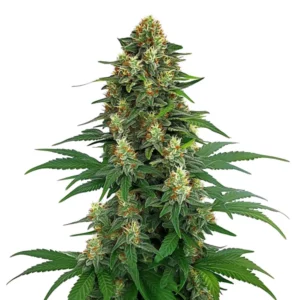
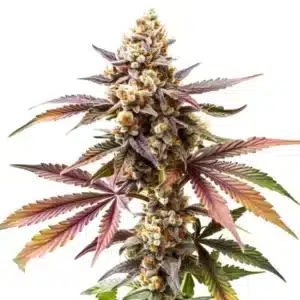
Tangie

|
THC | 19% - 22% (Medium) |

|
Type | Feminized |

|
Yield | High |

|
Phenotype | 30% Indica / 70% Sativa |
GG4 x Z OG
|
|
THC | 20% - 24% (Medium) |
|
|
Type | Feminized |
|
|
Yield | High |
|
|
Phenotype | 60% Indica / 40% Sativa |
Let’s dive into some common nutrient combinations that can cause issues and how to avoid them. Whether you’re growing the potent Gorilla Zkittlez, the flavorful Blue Dream, or the robust Tangie from Blimburn Seeds, this information is critical to your success.
Common Nutrient Combinations to Avoid
One of the most frequent issues growers encounter is nutrient lockout. This occurs when an excess of one nutrient prevents the absorption of another. For example, too much phosphorus can lock out zinc, a vital micronutrient. Zinc deficiency can stunt growth and cause leaf discoloration.
Nutrient burn is another common problem. This happens when plants receive more nutrients than they can process. An excess of nitrogen, for instance, can lead to nutrient burn, evident by browning leaf tips. To avoid nutrient burn in cannabis, always start with lower concentrations and gradually increase as needed.
Knowing what nutrient combinations should be avoided in cannabis is crucial for preventing these issues. Both nutrient lockout and burn can severely impact your plant’s health and yield. By maintaining a balanced nutrient regimen and regularly testing soil and water, you can steer clear of these common pitfalls.
Improper cannabis nutrient mixing is often the root cause of these problems. Carefully follow manufacturer instructions and adjust based on plant feedback and environmental factors. This proactive approach ensures your cannabis plants receive the right nutrients in the right amounts, promoting optimal growth and vigor.
Calcium and Magnesium
Calcium and magnesium are essential for cannabis health, supporting cell wall structure and chlorophyll production, respectively. However, high levels of calcium can interfere with magnesium uptake. This is why calcium and magnesium are often sold together as a supplement called Cal-Mag.
If you’re using hard water, which contains high levels of calcium, consider reducing Cal-Mag supplements. Otherwise, you could face magnesium deficiencies, leading to yellowing leaves and poor growth. Check your water’s hardness before supplementing.
Ensuring the correct ratio of calcium and magnesium is part of effective cannabis nutrient lockout prevention tips. When these nutrients are balanced, they support robust plant growth and avoid the pitfalls of incompatible cannabis nutrient pairings. Regular testing and adjustments can help maintain this balance.
For strains like the sensitive Gorilla Zkittlez, monitoring nutrient levels helps prevent deficiencies. If you notice cannabis nutrient deficiency signs, such as yellowing leaves, it’s crucial to adjust your nutrient mix promptly. Tailor your feeding schedule to your strain’s specific needs for the best results.
Iron and Phosphorus
Iron is necessary for photosynthesis and overall plant vitality, while phosphorus is critical for root development and flowering. Yet, excessive phosphorus can inhibit iron absorption, leading to iron deficiency. This is visible through yellowing young leaves and poor plant vigor.
Avoid improper cannabis nutrient mixing by keeping phosphorus levels in check, especially during the flowering stage. Consider using a nutrient solution tailored for cannabis that balances these elements effectively.
Iron and phosphorus must be carefully balanced to avoid nutrient lockout. This balance is a key part of cannabis nutrient lockout prevention tips. Regular monitoring and adjustments based on plant feedback are essential for maintaining healthy growth and preventing deficiencies.
With vigorous strains like Blue Dream, the right nutrient balance is crucial for avoiding nutrient deficiencies. If young leaves start to yellow, it may be a sign of iron deficiency. Adjust your nutrient solution and monitor plant responses to ensure your cannabis thrives.
Potassium and Calcium
Potassium is crucial for water regulation and enzyme activation, whereas calcium is vital for cell structure. High calcium levels can impair potassium absorption, resulting in potassium deficiency. Symptoms include curling leaf edges and weak stems.
Avoid this by testing your soil or water for calcium levels and adjusting potassium supplements accordingly. This is particularly important when using strains like Tangie, which thrive best with balanced nutrients.
Maintaining the right potassium and calcium levels is essential to avoid nutrient burn in cannabis and prevent deficiencies. By regularly testing and adjusting your nutrient mix, you can ensure your plants have the right balance of nutrients for optimal growth.
Recognizing cannabis nutrient deficiency signs early can save your plants from long-term harm. Symptoms like curling leaf edges and weak stems signal potassium deficiency, indicating a need for immediate nutrient adjustment. Keep a close eye on your plants to catch these signs early.
Promos & Deals
Cannabis Nutrient Lockout Prevention Tips
Preventing nutrient lockout starts with knowing your growing medium and water source. Soil and hydroponic systems have different nutrient requirements. Tailor your nutrient plan to fit your specific setup.
Use pH meters to ensure your nutrient solution is within the ideal range for cannabis, typically between 6.0 and 7.0 for soil and 5.5 to 6.5 for hydroponics. Incorrect pH levels can lead to nutrient lockout, so regular testing is crucial.
One of the most effective cannabis nutrient lockout prevention tips is to maintain a consistent monitoring routine. This involves checking pH levels and ensuring your nutrient solution is balanced and suitable for your particular setup, whether soil or hydroponics.
Another crucial aspect is knowing what nutrient combinations should be avoided in cannabis. By staying informed about incompatible nutrient pairings, you can make educated adjustments to your feeding schedule, ensuring your plants receive optimal nutrition without the risk of lockout.
Regular Flushing
Flushing involves running plain water through your growing medium to remove excess salts and nutrients. This simple practice can prevent nutrient buildup and lockout. Plan regular flushes, especially between growth stages.
For heavy feeders like Gorilla Zkittlez, flushing is particularly beneficial. It helps reset the nutrient balance, ensuring your plants can uptake what they need without interference.
Regular flushing is a vital component of cannabis nutrient lockout prevention tips. By removing excess salts and nutrients, flushing helps maintain a balanced environment, reducing the risk of nutrient lockout and ensuring your plants can absorb the nutrients they need.
Incorporating flushing into your routine is also a proactive way to avoid nutrient burn in cannabis. By periodically resetting the nutrient balance, you can prevent nutrient buildup and ensure your plants remain healthy and vigorous throughout their growth cycle.
Monitoring and Adjusting
Keep a close eye on your cannabis plants. Regularly check for signs of nutrient deficiencies or excesses. Yellowing leaves, brown tips, and poor growth are all red flags that your nutrient mix may need adjusting.
Use a nutrient chart to track what you’re feeding your plants. This will help you identify patterns and make informed decisions about nutrient adjustments. With a strain like Blue Dream, known for its resilience, a little attention goes a long way.
Consistent monitoring and adjusting are essential for avoiding improper cannabis nutrient mixing. By tracking your nutrient regimen and observing plant responses, you can make timely adjustments to prevent deficiencies or excesses, ensuring optimal plant health and growth.
Recognizing cannabis nutrient deficiency signs early enables you to adjust your feeding schedule accordingly. Whether it’s yellowing leaves or poor growth, these signs indicate a need for immediate attention to your nutrient mix, helping you maintain a healthy growing environment.
Proper Storage and Handling
Nutrients must be stored and handled correctly to maintain their effectiveness. Keep them in a cool, dark place and ensure containers are sealed tightly. Improper storage can lead to nutrient degradation, affecting plant health.
When mixing nutrients, follow manufacturer instructions carefully. Overmixing or using expired products can lead to incompatible cannabis nutrient pairings, causing more harm than good.
Proper storage and handling of nutrients are critical to preventing improper cannabis nutrient mixing. By ensuring nutrients are stored correctly, you maintain their potency and effectiveness, providing your plants with the best possible nutrition.
Always adhere to manufacturer guidelines to avoid incompatible cannabis nutrient pairings. Mixing nutrients correctly ensures your plants receive the right balance, preventing nutrient lockout and deficiencies and promoting healthy growth and development.

FAQs about what nutrient combinations should be avoided in cannabis
What is nutrient lockout in cannabis?
Nutrient lockout occurs when cannabis plants cannot absorb the nutrients available in the soil or nutrient solution. This usually happens because of an imbalance, such as an excess of one nutrient blocking the uptake of others. For example, too much phosphorus can prevent zinc absorption, leading to deficiencies even if zinc is present.
Preventing nutrient lockout involves careful monitoring of nutrient levels and pH. Using pH meters and following a balanced feeding schedule can help avoid this issue, ensuring your plants receive the nutrients they need.
Knowing what nutrient combinations should be avoided in cannabis is crucial to preventing lockout. By balancing nutrients and monitoring pH levels, you can create an optimal environment for nutrient absorption, promoting healthy plant growth.
Adopting effective cannabis nutrient lockout prevention tips, such as regular testing and adjusting based on plant feedback, can help maintain a balanced nutrient regimen and prevent common nutrient absorption issues.
How can I avoid nutrient burn in cannabis?
Nutrient burn is caused by overfeeding your cannabis plants, leading to browning leaf tips and edges. To avoid this, start with a lower nutrient concentration and gradually increase as your plants show they can handle it. Using half the recommended dose at first is a good practice.
Keep a close eye on your plants for signs of nutrient burn. Adjust your feeding schedule if you notice any symptoms. This approach helps maintain a healthy nutrient balance, promoting optimal growth.
Avoid nutrient burn in cannabis by being cautious with nutrient concentrations and closely observing plant responses. Early detection and adjustment can prevent serious damage, ensuring your plants thrive without nutrient overload.
When faced with cannabis nutrient deficiency signs, such as brown leaf tips or edges, reassess your nutrient regimen. Adjusting concentrations and feeding schedules can help restore balance and prevent further nutrient-related issues.
What are the signs of cannabis nutrient deficiency?
Nutrient deficiencies in cannabis can manifest in various ways, including yellowing leaves, poor growth, and stunted development. Specific deficiencies have distinct symptoms; for example, nitrogen deficiency typically causes older leaves to yellow.
Regular observation and knowledge of deficiency signs can help address issues quickly. Adjust your nutrient mix based on the symptoms your plants display to restore balance and health.
Recognizing cannabis nutrient deficiency signs early is key to maintaining plant health. By knowing the symptoms of various deficiencies, you can make timely adjustments to your nutrient regimen and prevent long-term damage.
Monitoring your plants regularly and knowing what nutrient combinations should be avoided in cannabis will help you maintain a balanced nutrient mix, ensuring your plants receive the nutrition they need for robust growth.
Can improper cannabis nutrient mixing affect plant health?
Yes, improper nutrient mixing can negatively impact plant health. Incorrect ratios can lead to nutrient lockout, deficiencies, or toxicities, all of which can harm cannabis plants. Each nutrient plays a specific role, and imbalance can disrupt growth.
Following manufacturer guidelines for nutrient mixing is crucial. Tailor your nutrient plan to fit the specific needs of your cannabis strain and growing conditions for the best results.
Improper cannabis nutrient mixing not only disrupts plant growth but also can lead to severe deficiencies or toxicities. Ensuring the correct balance and ratios in your nutrient solution is essential for maintaining healthy plants.
By adhering to manufacturer instructions and adjusting based on plant feedback, you can avoid the pitfalls of incompatible cannabis nutrient pairings, promoting a thriving growing environment for your cannabis plants.
What are incompatible cannabis nutrient pairings?
Incompatible nutrient pairings occur when certain nutrients interfere with the absorption of others. For example, high calcium levels can inhibit potassium uptake, leading to deficiencies. Knowing these pairings helps avoid common issues in cannabis cultivation.
Avoid these issues by maintaining a balanced nutrient regimen and regularly testing your soil or nutrient solution. Tailor your nutrient plan based on plant feedback and environmental factors for optimal growth.
Knowing incompatible cannabis nutrient pairings is essential for effective cultivation. By recognizing which nutrients can interfere with others, you can prevent deficiencies and maintain a balanced nutrient solution for your plants.
Regular testing and adjustments based on environmental conditions and plant responses are crucial for avoiding improper cannabis nutrient mixing. This proactive approach ensures your cannabis plants receive the nutrition they need for healthy growth.