Expert Guide: What Markers Differentiate Indica vs Sativa Genetically

When diving into the world of cannabis, one of the first decisions you’ll face is choosing between Indica and Sativa strains. But what markers differentiate Indica vs Sativa genetically? Knowing these differences can help you make informed decisions, whether you’re buying seeds for the first time or you’re a seasoned grower looking to expand your garden.
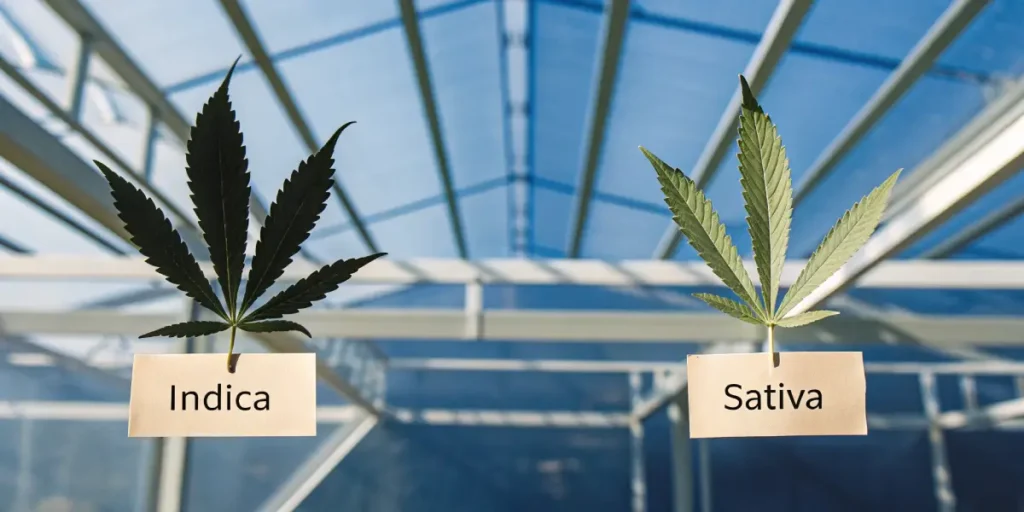
Genetically, Indica and Sativa strains exhibit distinct markers. These markers can be observed in their physical characteristics and growth patterns. For instance, Indica plants tend to be short and bushy, while Sativa plants are generally tall and lanky. However, the genetic markers extend beyond just physical traits.
Recommended Strains

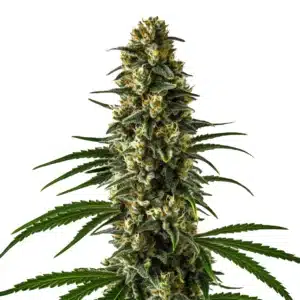
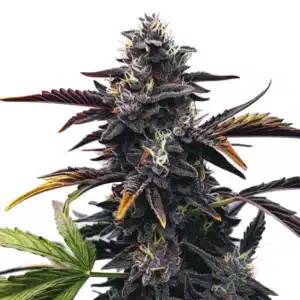
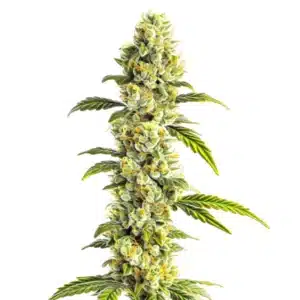
GG4

|
THC | 27% (High) |

|
Type | Feminized |

|
Yield | High |

|
Phenotype | 40% Indica / 60% Sativa |
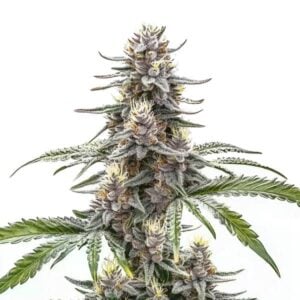
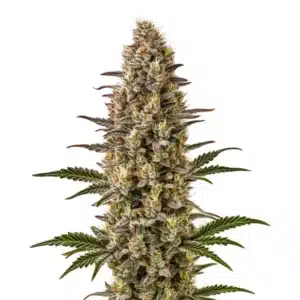
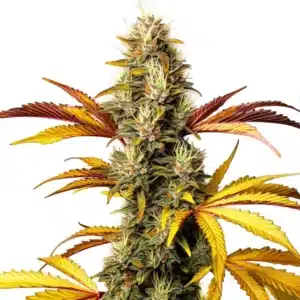
Black Domina
|
|
THC | 15% - 20% (Medium) |
|
|
Type | Feminized |
|
|
Yield | High |
|
|
Phenotype | 95% Indica / 5% Sativa |
One key aspect of the genetic differentiation is the presence of specific genetic markers. These markers act like flags in the DNA, indicating the strain’s lineage and potential effects. This genetic blueprint is crucial for growers aiming to produce plants with desirable traits, such as higher yield or specific cannabinoid profiles.
Genetic Markers Indica vs Sativa Differentiation
The concept of genetic markers is essential in distinguishing between Indica and Sativa. These markers are variations in the DNA sequence that can indicate specific traits. In the context of cannabis, they can signal differences in growth habit, cannabinoid production, and even disease resistance.
For example, Indica strains like those from Blimburn Seeds tend to have genetic markers associated with shorter flowering times and higher yields. These markers are beneficial for growers looking to maximize their harvest in a shorter period. On the other hand, Sativa strains may contain markers linked to longer flowering times but more energizing effects.
Moreover, genetic markers indica vs sativa differentiation plays a crucial role in customizing cultivation practices. By knowing these markers, growers can implement specific strategies tailored to each strain’s genetic profile. This can involve adjusting nutrient schedules, altering light cycles, or even choosing the right soil type to optimize growth.
In the commercial cannabis industry, these genetic markers are invaluable. They allow breeders to create new strains with enhanced traits by selecting parent plants with desirable markers. This scientific approach to breeding ensures that new hybrids meet the market demand for specific effects, flavors, and growth characteristics.
Promos & Deals


Indica Sativa Genome Differences
The genome differences between Indica and Sativa are profound. The genome is like a library of all the genetic information of a plant. When we talk about Indica Sativa genome differences, we’re referring to the variations in this genetic library that make each strain unique.
Indica strains generally have a denser genome with more genes related to resin production. This can lead to higher concentrations of THC and other cannabinoids, making them popular for those seeking potent effects. For instance, the Blimburn Seeds Indica strains often boast high resin content, ideal for making concentrates.
The indica sativa genome differences also extend to adaptation traits. Indica strains, for example, have genomes that support growth in cooler climates, making them versatile for various environments. Sativa genomes, on the other hand, are often adapted for equatorial climates, thriving in longer daylight periods.
Knowing these genetic differences is not just a matter of academic interest. For cultivators, recognizing these genome variations can lead to more effective cultivation strategies. This knowing helps in selecting the right strains for specific climates, ensuring that plants receive the optimal conditions for growth and production.
Identifying Indica Sativa Genetic Traits
Identifying genetic traits between Indica and Sativa requires a keen eye and some knowledge of plant biology. The physical traits are often the most noticeable. Indica plants from Blimburn Seeds, for example, are typically shorter with broader leaves, making them easier to grow indoors where space might be limited.
Sativa plants, however, display genetic traits like taller stature and narrower leaves. These traits are more suited to outdoor growth, where they can reach their full potential under natural sunlight. Knowing these traits helps growers choose the right environment for their plants.
Furthermore, identifying indica sativa genetic traits involves examining subtle differences in plant morphology. This includes observing leaf arrangement, bud formation, and even stem coloration. Such details can provide insights into a plant’s genetic lineage and potential characteristics.
Besides to physical observation, genetic testing offers a more precise method for identifying these traits. Advanced techniques can pinpoint specific genes responsible for desired characteristics, enabling breeders to make informed decisions when developing new strains. This scientific approach enhances the ability to predict plant behavior and optimize cultivation outcomes.

Molecular Markers Indica Sativa Comparison
Molecular markers are specific sequences in the DNA that help identify genetic traits. The molecular markers Indica Sativa comparison is a powerful tool for breeders. These markers can reveal a lot about the plant’s potential and characteristics.
For example, certain molecular markers in Indica strains may indicate a higher THC content, which is a desired trait for those looking to produce potent strains. Blimburn Seeds offers strains that have been bred with these markers in mind, ensuring a powerful experience for users.
On the other hand, Sativa strains might be bred for markers that boost CBD levels or emphasize unique terpene profiles. By comparing these molecular markers, breeders can create new hybrid strains that capture the best traits of both Indica and Sativa, offering consumers a diverse range of effects and flavors.
The molecular markers indica sativa comparison also aids in identifying unique terpene profiles associated with each strain. Terpenes contribute to the aroma and flavor of cannabis, and specific markers can indicate a plant’s potential to produce particular terpenes.
This comparison not only benefits breeders but also consumers who are seeking specific experiences. By knowing these molecular markers, users can choose strains that align with their personal preferences, whether they desire a calming effect, creativity boost, or a particular taste.
FAQs about what markers differentiate indica vs sativa genetically
How do genetic markers influence cannabis effects?
Genetic markers play a crucial role in determining the chemical makeup of cannabis plants. These markers influence the levels of cannabinoids like THC and CBD, which are responsible for the plant’s psychoactive and therapeutic effects. For instance, an Indica strain with markers indicating high THC might provide a more sedative experience, perfect for evening use.
Conversely, Sativa strains with markers for higher CBD or specific terpenes can deliver more uplifting and cerebral effects. Knowing these markers allows growers and consumers to select strains that align with their desired effects, whether they’re seeking relaxation, creativity, or pain relief.
What markers differentiate Indica vs Sativa genetically is pivotal in predicting the effects of cannabis consumption. These markers guide breeders in engineering strains for targeted effects, ensuring that consumers receive the desired experience every time.
Additionally, knowing the genetic markers indica vs sativa differentiation helps in developing medical cannabis products tailored to specific conditions. By selecting strains with markers for particular cannabinoid profiles, producers can create treatments that effectively address symptoms like pain, anxiety, or insomnia.
Can genetic testing predict a plant’s growth pattern?
Yes, genetic testing can provide insights into a plant’s growth pattern. By analyzing genetic markers, growers can predict how tall a plant will grow, its flowering time, and even its susceptibility to diseases. This information is invaluable for planning cultivation strategies and optimizing yields.
For example, if a grower knows that a particular Sativa strain from Blimburn Seeds has markers for tall growth, they might choose to plant it outdoors where it has room to stretch. Similarly, knowing an Indica strain’s flowering time can help in scheduling harvests more efficiently.
Genetic testing offers a window into a plant’s potential, revealing insights that aren’t immediately evident from physical appearance alone. This allows growers to make data-driven decisions, enhancing the efficiency and productivity of their operations.
Moreover, the ability to predict growth patterns through genetic testing is particularly beneficial in controlled environments. By selecting strains with specific markers, cultivators can optimize space and resources, creating an ideal setup that maximizes the genetic potential of each plant.
What are some popular Indica strains with distinct genetic markers?
Blimburn Seeds offers several Indica strains renowned for their unique genetic markers. One such strain is “GG4,” known for its high THC content and short flowering period. These markers make it ideal for growers seeking potent effects in a compact plant.
Another popular choice is “Black Domina,” which features markers for heavy resin production, resulting in dense, frosty buds. These traits make it a favorite among those looking to produce cannabis concentrates or simply enjoy a robust smoking experience.
Exploring the genetic variation between Indica and Sativa, Blimburn Seeds continues to develop strains with precise markers that cater to diverse consumer preferences. Each strain is crafted to highlight specific traits, ensuring quality and consistency in every batch.
These distinct genetic markers not only define the characteristics of each strain but also contribute to their popularity among growers and consumers. By selecting strains with well-defined markers, cultivators can meet the demands of various market segments, from recreational users to medicinal patients.
How do hybrid strains fit into the genetic picture?
Hybrid strains are the result of crossbreeding Indica and Sativa plants, combining genetic markers from both. This blending creates a diverse range of effects and growth patterns, offering the best of both worlds. For example, a hybrid strain might have the relaxing effects of Indica with the cerebral high of Sativa, offering a balanced experience.
Blimburn Seeds’ “Girl Scout Cookies” is a classic hybrid known for its unique blend of markers, providing both uplifting and relaxing effects. This versatility makes hybrids a popular choice for those who want a well-rounded cannabis experience.
The creation of hybrids involves a careful molecular markers indica sativa comparison to ensure that the resulting strains possess the desired attributes from each parent. This scientific approach to breeding allows for the development of new strains that cater to specific consumer needs.
Knowing the genetic framework of hybrids is essential for breeders aiming to innovate and expand the cannabis landscape. By leveraging the strengths of both Indica and Sativa, hybrids offer unparalleled versatility, meeting the demands of a diverse and evolving market.
Why is knowing genetic variation important for growers?
Recognizing genetic variation between Indica and Sativa is vital for effective cultivation. It helps growers choose the right strains for their specific environment and goals. For instance, if a grower is in a region with a shorter growing season, selecting an Indica with markers for a quick flowering time could be advantageous.
Moreover, knowing these genetic differences can aid in pest management and yield optimization. By selecting strains with markers for disease resistance, growers can reduce losses and maximize their harvest, ensuring a successful and profitable cultivation cycle.
Knowing what markers differentiate Indica vs Sativa genetically empowers growers to optimize their cultivation practices. By tailoring their approach to the unique needs of each strain, they can achieve higher yields and better-quality crops.
Furthermore, knowledge of genetic variation between Indica and Sativa allows growers to diversify their offerings. By cultivating a range of strains with distinct genetic profiles, they can meet the varied preferences of consumers, enhancing their market competitiveness and potential for success.