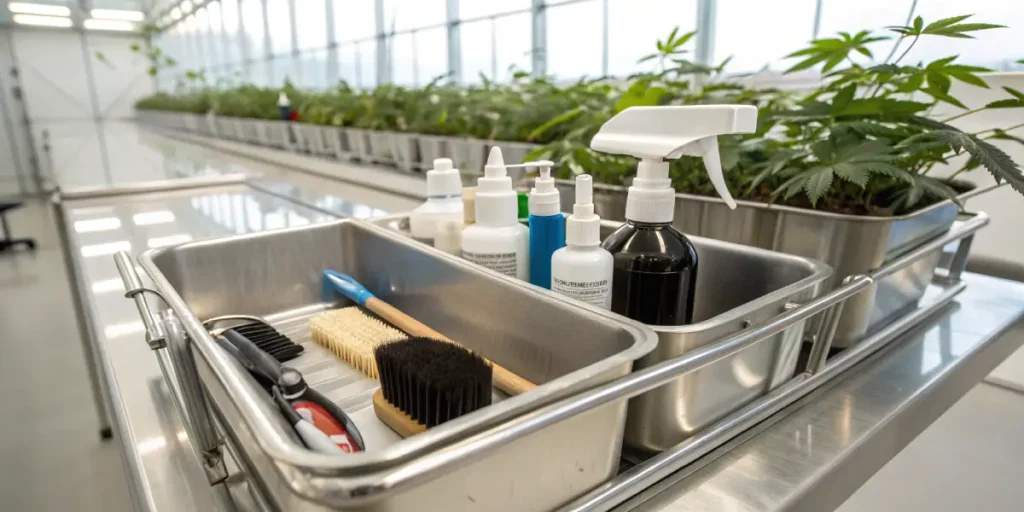
Essential Sanitizing Tools to Prevent Cannabis Contamination

Cannabis cultivation is a delicate process that requires meticulous attention to detail, especially when it comes to maintaining cleanliness. The use of proper sanitizing tools to prevent cannabis contamination is crucial for both first-time buyers and seasoned growers. Ensuring the health and vitality of your plants involves more than just watering and providing light; it includes a comprehensive strategy for keeping your growing environment free from harmful pathogens and contaminants.
Regular cleaning and disinfection of your tools and equipment can significantly reduce the risk of mold and other contaminants that can compromise your cannabis plants. This article will guide you through the best practices for sanitizing cannabis tools and preventing mold in cannabis growing equipment. We’ll also explore effective sanitization methods for cannabis cultivation and the various products available to help you maintain a clean environment.
Recommended Strains
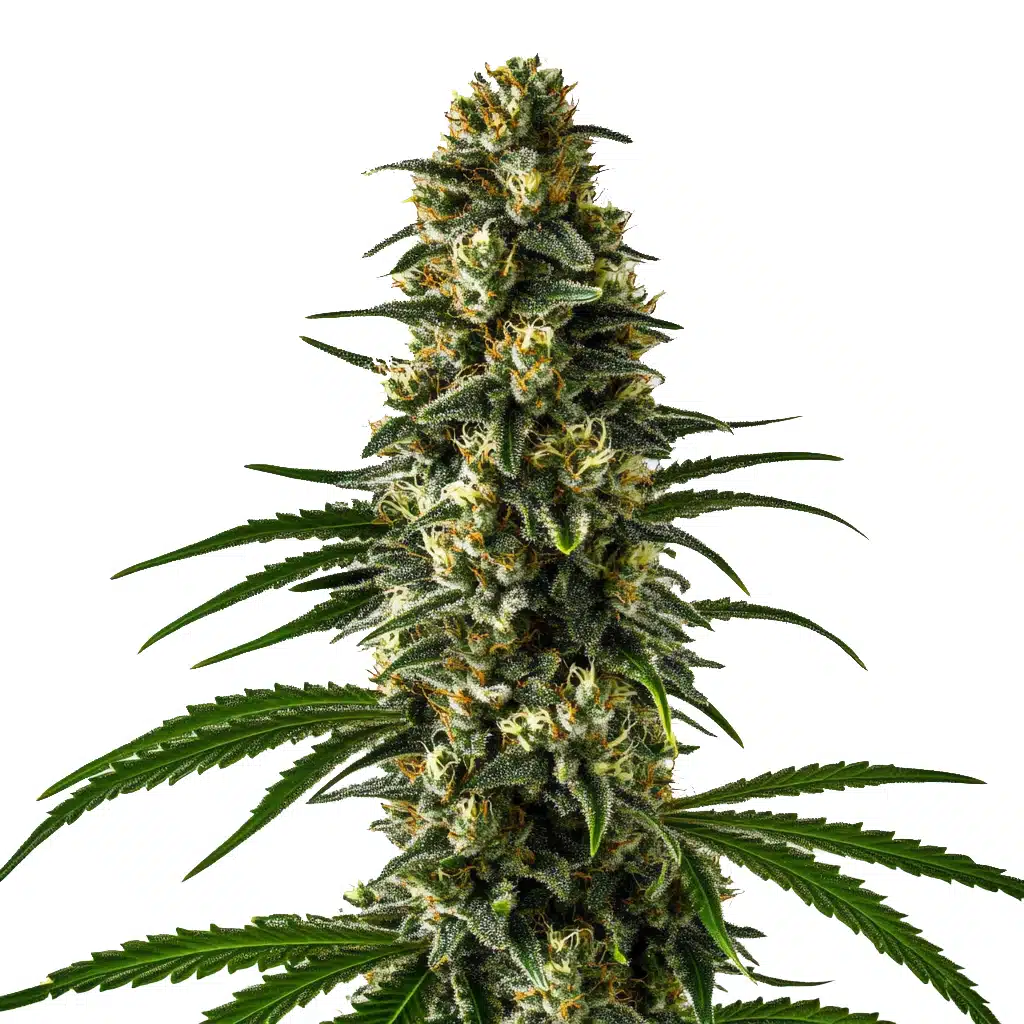
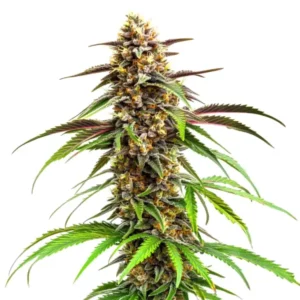
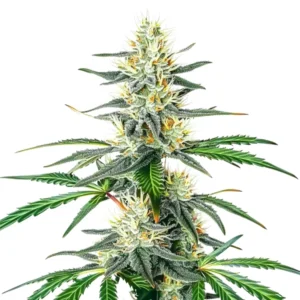
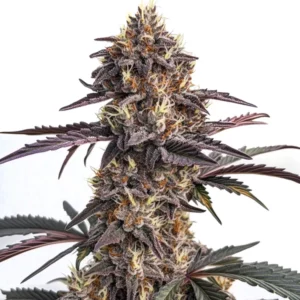
Girl Scout Cookies

|
THC | 18% - 25% (High) |

|
Type | Feminized |

|
Yield | High |

|
Phenotype | 60% Indica / 40% Sativa |

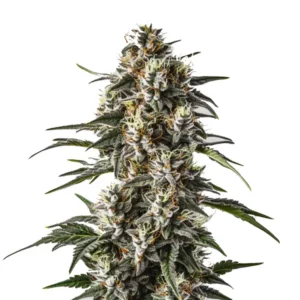
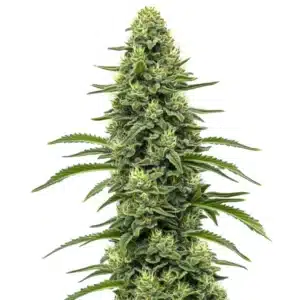
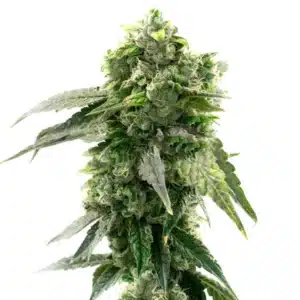
GG4
|
|
THC | 27% (High) |
|
|
Type | Feminized |
|
|
Yield | High |
|
|
Phenotype | 40% Indica / 60% Sativa |
Whether you’re growing classics like Blimburn Seeds GG4, Girl Scout Cookies, or Blue Dream, maintaining a sterile environment is key. Let’s dive into the essential sanitizing tools and practices you should consider.
Effective Sanitization Methods for Cannabis Cultivation
One of the most effective sanitization methods for cannabis cultivation involves the regular cleaning of all tools and surfaces that come into contact with your plants. This includes pruning shears, trimming scissors, pots, and any other equipment used during the growing process. Ensuring these items are free from contaminants helps protect your cannabis from potential threats.
Besides to regular cleaning, it’s crucial to implement a systematic approach to sanitation. This can include setting up designated cleaning zones and using color-coded tools to avoid cross-contamination. Such strategies not only streamline your cleaning process but also ensure consistency and thoroughness, which are vital in preventing cannabis contamination.
Another key factor in effective sanitization is using the right products. Cannabis contamination prevention cleaning products are specifically formulated to target the unique pathogens found in cannabis environments. By choosing these targeted solutions over general-purpose cleaners, you can achieve a higher standard of cleanliness and protect your valuable crops from harmful microorganisms.
Best Practices for Sanitizing Cannabis Tools
Implementing best practices for sanitizing cannabis tools is essential for a successful harvest. Always clean your tools before and after use. This prevents any potential cross-contamination between plants. Using a dedicated cleaning area can also help keep your tools organized and ensure they are consistently kept in good condition.
One effective practice is to have a checklist of cleaning steps to follow, ensuring no part of the process is overlooked. This can include steps like rinsing tools with water before applying cleaning agents, and ensuring they are completely dried before being stored. Attention to these details can greatly reduce the risk of contamination.
Education and training play a crucial role in maintaining best practices for sanitizing cannabis tools. Regularly updating your knowledge about the latest cleaning techniques and products can enhance your ability to maintain a contaminant-free environment. This includes learning how to sanitize cannabis trimming scissors effectively, which is essential for preserving the integrity of your tools and the health of your plants.
Preventing Mold in Cannabis Growing Equipment
Mold can be a devastating issue for cannabis growers, affecting yield and quality. To prevent mold in cannabis growing equipment, it is crucial to control the humidity and temperature of your growing area. Mold thrives in damp, warm environments, so use dehumidifiers and fans to maintain optimal conditions.
Beyond environmental controls, it’s important to regularly inspect equipment for signs of wear or malfunction, as these can create conditions conducive to mold growth. Addressing these issues promptly can prevent them from escalating into more significant problems that could affect your entire crop.
Utilizing mold-resistant materials in your growing setup can also be beneficial. By selecting equipment and tools specifically designed to resist mold, you can add an extra layer of protection to your cultivation process. This approach is a proactive way to incorporate sanitizing tools to prevent cannabis contamination and ensure the longevity and success of your growing endeavors.
Promos & Deals
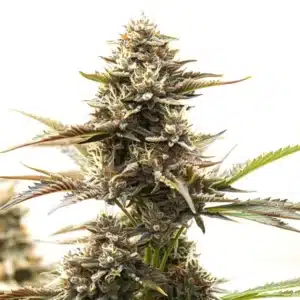
FAQs about sanitizing tools to prevent cannabis contamination
What are the essential tools for sanitizing cannabis equipment?
Essential tools for sanitizing cannabis equipment include isopropyl alcohol, hydrogen peroxide, and bleach solutions. These are highly effective in killing bacteria and mold spores. Additionally, having a variety of brushes and scrubbing pads can help reach tight spaces in your equipment, ensuring a comprehensive clean.
Investing in advanced cleaning tools, such as ultrasonic cleaners, can provide a more thorough and efficient cleaning process. These devices use high-frequency sound waves to remove contaminants from hard-to-reach areas of your equipment, offering an innovative solution in the realm of cannabis contamination prevention cleaning products.
UV sanitizers are another excellent option for maintaining cleanliness. By using ultraviolet light to eliminate pathogens, these devices provide a chemical-free way to sanitize your tools, making them an ideal choice for those looking to minimize chemical exposure while ensuring effective sanitization.
How often should I sanitize my cannabis growing tools?
Sanitizing your cannabis growing tools should be a regular part of your maintenance routine. Ideally, clean your tools before and after each use. This minimizes the risk of transferring pathogens from one plant to another. For more thorough cleaning, schedule a deep clean every few weeks or after each harvest.
Creating a consistent cleaning schedule, aligned with your growing cycle, can help you stay organized and maintain high hygiene standards. This proactive approach ensures that you are always prepared for any unexpected issues, reducing the likelihood of contamination and promoting healthier plant growth.
Consider also incorporating routine checks for equipment functionality and cleanliness into your schedule. Regular inspections can help identify potential problems early, allowing for timely interventions and maintaining the integrity of your growing environment.
Can I use household cleaning products for cannabis tool sanitization?
While some household cleaning products can be used for cannabis tool sanitization, it’s best to use products specifically designed for this purpose. Household cleaners may contain harsh chemicals that can leave residues harmful to your plants. Cannabis-specific cleaning products are formulated to be safe and effective, offering peace of mind.
If household products must be used, choose those with natural ingredients and ensure they are thoroughly rinsed off after application. This will help prevent any potential chemical interactions that could affect plant health or yield, aligning with the best practices for sanitizing cannabis tools.
Ultimately, the goal is to create a safe growing environment for your cannabis plants. By prioritizing the use of cannabis-specific cleaning solutions, you can confidently manage your cultivation process and safeguard your plants against contamination risks.
What are the signs of cannabis contamination?
Signs of cannabis contamination can include visible mold or mildew on the plant or equipment, unusual discoloration of leaves, and a noticeable decline in plant health or growth. Additionally, a musty odor in your growing area can indicate the presence of mold or mildew.
Other indicators of contamination may include stunted growth, wilting, or the development of spots on leaves. These symptoms can suggest the presence of pathogens or unfavorable growing conditions, necessitating immediate action to mitigate potential damage.
Regular monitoring and inspections are critical. By keeping a close watch on your plants and equipment, you can catch early signs of contamination and take immediate action to prevent further spread. This vigilance is a cornerstone of effective sanitization methods for cannabis cultivation.
Why is it important to prevent cannabis contamination?
Preventing cannabis contamination is crucial for ensuring the health and potency of your plants. Contaminants such as mold, mildew, and bacteria can significantly reduce yield and compromise the quality of your harvest. They can also pose health risks to consumers if not managed properly.
Failure to address contamination can lead to more severe issues, including crop loss and financial setbacks. By prioritizing cleanliness and implementing effective sanitization methods, you can protect your investment and enhance the overall success of your cultivation efforts.
Maintaining a clean growing environment protects your investment and ensures that your plants reach their full potential. It also fosters a safe and sustainable cultivation practice, benefiting both growers and consumers alike. The use of targeted sanitizing tools to prevent cannabis contamination is an integral part of this process.