Expert Guide: Using a Refractometer to Optimize Cannabis Feeding

Feeding schedules can make or break your cannabis grow. Without the right nutrients at the right time, plants may not reach their full potential. One tool that can help you fine-tune your nutrient timing is the refractometer. This handy device measures the sugar content in plant sap, giving you insights into plant health. By using a refractometer to optimize feeding schedules in cannabis, you’ll achieve better growth and maximize yields.
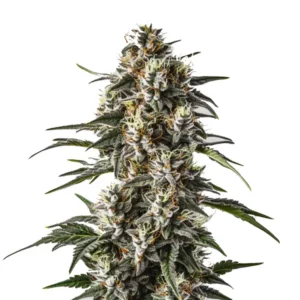
Many growers, whether they’re cultivating Blimburn Seeds Black Domina. or another strain, seek precise data to guide their feeding plans. Refractometers offer this precision, allowing you to adjust nutrient levels based on real-time plant needs. This data-driven approach helps in optimizing cannabis growth with refractometer readings, ultimately leading to healthier plants.
Recommended Strains

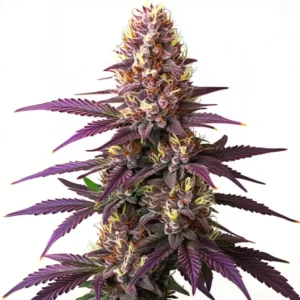
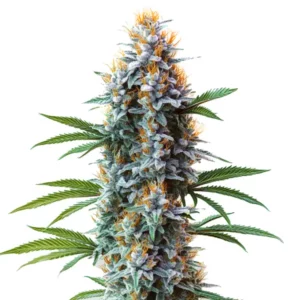
Black Domina

|
THC | 15% - 20% (Medium) |

|
Type | Feminized |

|
Yield | High |

|
Phenotype | 95% Indica / 5% Sativa |
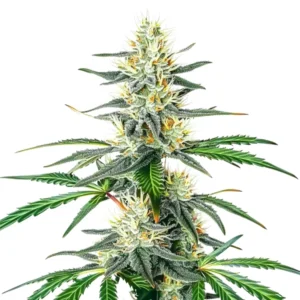
Blue Cheese
|
|
THC | 16% - 20% (Medium) |
|
|
Type | Feminized |
|
|
Yield | High |
|
|
Phenotype | 80% Indica / 20% Sativa |
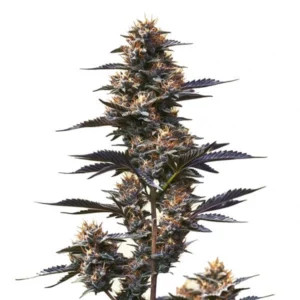
If you’re aiming for top-notch quality and yield, like that from Blimburn Seeds Blue Cheese, integrating a refractometer into your routine can be a game changer. With consistent monitoring, you can track how plants respond to nutrient changes, and refine your feeding strategies over time.
Why Use a Refractometer?
A refractometer measures the Brix level, or sugar content, in plant sap. This data reflects the plant’s overall health and nutrient uptake. Higher Brix levels often indicate robust plant health, while lower levels can signal deficiencies or stress. Using a refractometer for cannabis nutrient timing is a proactive way to ensure your plants are thriving.
By knowing the Brix level, you can tailor your feeding schedule to meet the plant’s needs. For instance, if the Brix level is low, it might be time to adjust nutrient levels. This precision cannabis feeding with refractometer analysis can lead to significant improvements in plant growth and yield.
Additionally, a refractometer-based feeding schedule for cannabis provides a scientific basis for making nutrient adjustments. This method allows growers to make informed decisions, minimizing guesswork and maximizing efficiency. By consistently using a refractometer to optimize feeding schedules in cannabis, growers can ensure that their plants receive the right nutrients at the right time.
Incorporating refractometer readings into your feeding strategy also helps in identifying other potential issues. For example, unexpected drops in Brix levels could indicate environmental stressors or pest infestations. By keeping an eye on these readings, growers can address problems early and maintain optimal plant health.
Promos & Deals

How to Use a Refractometer for Cannabis
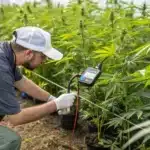
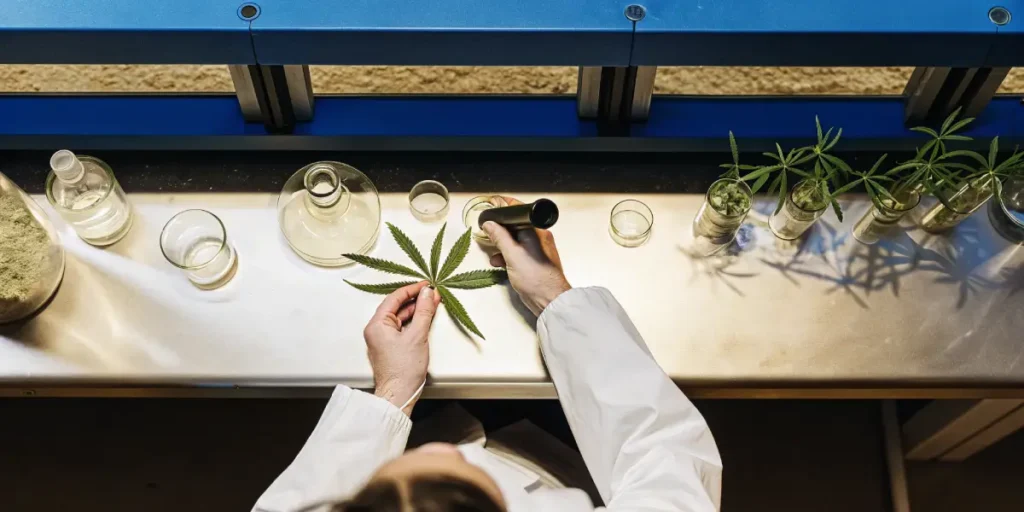
First, you’ll need to extract a small amount of sap from your cannabis plant. This can be done by gently pressing a leaf to release its liquid. Next, place a drop of this sap on the refractometer’s glass surface. Close the cover, and look through the eyepiece to read the measurement.
The refractometer will display a Brix value, typically ranging from 0 to 30. Aim for higher Brix readings, as these indicate better nutrient uptake. Use these readings to adjust your feeding schedule. For instance, if you’re growing GG4 from Blimburn Seeds and notice low Brix levels, it might be time to increase your nutrient supply.
When using a refractometer for cannabis nutrient timing, it’s essential to take readings consistently at the same time of day. Fluctuations in environmental conditions such as temperature and humidity can affect the readings. By standardizing your measurement process, you ensure more reliable data for optimizing cannabis growth with refractometer readings.
Moreover, cleaning your refractometer after each use is crucial to maintaining its accuracy. Residue from previous samples can skew results, leading to improper nutrient adjustments. A clean and well-maintained refractometer is vital for accurate readings and effective feeding schedule optimization.
Creating a Refractometer-Based Feeding Schedule
Begin by establishing a baseline Brix level for your cannabis plants. This involves measuring the Brix value at various stages of growth. By regularly recording these values, you’ll identify patterns and determine when adjustments are necessary.
Once you have a baseline, tailor your nutrient schedule to maintain or enhance these Brix levels. If levels drop, consider increasing nutrients. Conversely, if levels are high, maintain your current regime. This refractometer-based feeding schedule for cannabis ensures plants receive optimal nutrients at every growth stage.
Creating a successful refractometer-based feeding schedule for cannabis requires patience and attention to detail. By tracking changes in Brix levels over time, you’ll be able to fine-tune your nutrient regimen precisely. This careful monitoring helps prevent both nutrient deficiencies and excesses, fostering robust plant growth.
Incorporating this method into your overall cultivation strategy can lead to more consistent and predictable yields. As you become more familiar with your plants’ needs, you’ll develop a deeper knowing of how to leverage refractometer data to enhance cannabis yield using refractometer data.
Practical Tips for Enhancing Cannabis Yield
To enhance cannabis yield using refractometer data, consistency is key. Regularly check Brix levels, and keep detailed records. This documentation will help you identify trends and fine-tune your approach over time.
Additionally, choose strains known for strong growth and high yields. For example, Blimburn Seeds Critical Daddy Purple is a great option for those looking to maximize their harvest. Combining a high-yield strain with precise feeding schedules can lead to impressive results.
Besides to regular Brix level monitoring, consider supplementing your feeding schedule with other best practices. Ensure your plants have optimal lighting, temperature, and humidity conditions to support their growth. These environmental factors work in tandem with nutrient management to optimize overall plant health.
Furthermore, pay attention to the timing of your nutrient applications. Using a refractometer to optimize feeding schedules in cannabis allows you to respond quickly to your plants’ needs, ensuring they receive the necessary nutrients during critical growth phases. This proactive approach helps in maximizing both quality and quantity of the harvest.
- Check refractometer readings weekly to monitor plant health.
- Adjust nutrient supply based on Brix levels to prevent deficiencies.
- Document changes and outcomes to refine your strategy.
FAQs about using a refractometer to optimize feeding schedules in cannabis
What is the ideal Brix level for cannabis plants?
The ideal Brix level for cannabis plants typically ranges from 12 to 15. However, this can vary depending on the specific strain and growing conditions. Higher Brix values often indicate better nutrient uptake and plant health. If you’re consistently achieving Brix levels in this range, it’s a good sign that your feeding schedule is effective.
Keep in mind that Brix levels can fluctuate due to various factors, such as environmental conditions or plant stress. Regular monitoring will help you maintain optimal levels and make necessary adjustments to your nutrient schedule.
Knowing the nuances of Brix levels and their implications can significantly enhance your cultivation success. By regularly tracking these values, you can make more informed decisions about nutrient management and address any potential issues promptly.
Furthermore, collaborating with other growers or consulting experts can provide additional insights into achieving ideal Brix levels. Sharing experiences and strategies can help you refine your approach and optimize your use of refractometer data in cannabis cultivation.
How do I choose the right refractometer for my cannabis grow?
When selecting a refractometer, look for one that suits your specific needs. Ensure it has a clear scale that covers the range you’re likely to encounter, typically 0-30 Brix for cannabis. A durable, easy-to-read model is ideal for frequent use. Digital refractometers can offer more precise readings but may be pricier.
Consider your budget and the features you value most. Whether you choose a manual or digital model, the key is consistency in using the refractometer to optimize feeding schedules in cannabis.
Additionally, consider the ease of use and maintenance requirements of the refractometer. A user-friendly model will encourage more frequent use, leading to better data collection and analysis. Proper maintenance is crucial to ensure long-term accuracy and reliability.
Researching customer reviews and seeking recommendations from other growers can also guide your decision. Comparing different models will help you find a refractometer that fits your needs and contributes to successful cannabis cultivation.
Can refractometer readings help prevent nutrient burn?
Yes, refractometer readings can be instrumental in preventing nutrient burn. By regularly checking Brix levels, you can avoid overfeeding. If the Brix level is excessively high, it might indicate that the plants are receiving too many nutrients, which can lead to nutrient burn.
Adjusting your feeding schedule based on Brix readings helps you maintain a balanced nutrient supply. This proactive approach reduces the risk of nutrient burn and promotes healthier plant growth.
Nutrient burn can significantly impact plant health, leading to reduced yields and quality. By using refractometer for cannabis nutrient timing, growers can maintain optimal nutrient levels and avoid the detrimental effects of over-fertilization.
Incorporating refractometer data into your routine allows you to fine-tune your nutrient regimen with precision. This ensures that your plants receive just the right amount of nutrients, supporting robust growth and development without the risk of burn.
What are the limitations of using a refractometer in cannabis cultivation?
While refractometers provide valuable insights into plant health, they don’t offer a complete picture of all nutrient levels. They specifically measure sugar content, which is an indirect indicator of overall health. For comprehensive nutrient analysis, additional testing may be required.
Moreover, refractometer readings can vary due to factors like plant stress or environmental conditions. It’s important to use these readings in conjunction with other observations and data to make informed decisions about your feeding schedule.
Despite these limitations, using a refractometer remains an essential tool for optimizing cannabis growth with refractometer readings. By combining refractometer data with other cultivation techniques, growers can achieve a more comprehensive knowing of plant health.
Additionally, ongoing research and technological advancements may lead to improved refractometer models and methodologies. Staying informed about these developments can enhance your ability to make the most of refractometer-based insights in cannabis cultivation.
How often should I check Brix levels in my cannabis plants?
For optimal results, check Brix levels at least once a week. This regular monitoring allows you to track changes and make timely adjustments to your feeding schedule. If you notice significant changes in plant health or environmental conditions, consider more frequent checks.
Consistent tracking helps you understand the impact of your feeding strategies and environmental factors. Over time, you’ll develop a more intuitive knowing of your plants’ needs, leading to better growth and higher yields.
Regular Brix monitoring also allows you to catch potential issues before they become severe. By staying vigilant, you can implement necessary changes quickly and prevent long-term damage to your plants.
Ultimately, using a refractometer to optimize feeding schedules in cannabis requires dedication and a commitment to ongoing learning. By staying engaged with your plants and their needs, you can achieve exceptional cultivation results.