Expert Guide to Cannabis Nutrient Antagonism Symptoms & Signs

Growing cannabis can be as rewarding as it is challenging. One common hurdle both newbies and seasoned growers face is nutrient antagonism. For those who are unfamiliar, this occurs when an excess of one nutrient inhibits the uptake of another. Recognizing the symptoms and signs of nutrient antagonism is crucial to maintaining healthy plants.
Nutrient antagonism can manifest in various ways. You might notice yellowing leaves, stunted growth, or even brown spots. These signs can be mistaken for other issues, so it’s important to diagnose correctly. By knowing the signs of nutrient antagonism in cannabis plants, growers can take the necessary steps to correct these imbalances and ensure their gardens flourish.
Recommended Strains
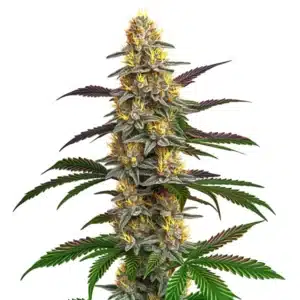
Strawberry Banana

|
THC | 17% - 23% (Medium) |

|
Type | Feminized |

|
Yield | Medium |

|
Phenotype | 70% Indica / 30% Sativa |
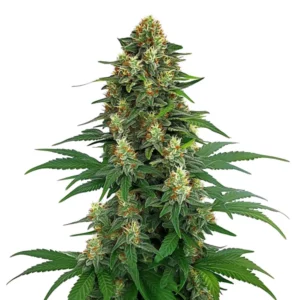
Tangie
|
|
THC | 19% - 22% (Medium) |
|
|
Type | Feminized |
|
|
Yield | High |
|
|
Phenotype | 30% Indica / 70% Sativa |
One way to mitigate these issues is by choosing the right cannabis strains. For instance, Blimburn Seeds offers strains like the potent Blue Dream, which is known for its resilience to nutrient imbalances. Selecting robust strains can help buffer against common growing pitfalls.
Identifying Cannabis Nutrient Antagonism Symptoms
Symptoms of cannabis nutrient antagonism can be subtle yet impactful. You’ll often see signs such as leaf discoloration, where leaves turn yellow or develop unusual spots. This discoloration can be easily mistaken for other issues, like nutrient deficiency versus toxicity in cannabis, making a proper diagnosis essential.
Another telltale sign is stunted growth. If your cannabis plants aren’t reaching their potential height or are growing unevenly, nutrient antagonism might be the culprit. It’s critical to monitor your plants regularly and keep an eye out for these symptoms, as early detection can save you a lot of trouble down the road.
Besides to visual cues, growers might also notice slow bud development or reduced potency in their harvest. These cannabis nutrient imbalance symptoms can affect the overall quality and yield of your crop. It’s important to conduct a thorough cannabis nutrient antagonism diagnosis to ensure these signs are not overlooked.
Implementing routine checks and keeping a detailed log of your plants’ health and growth patterns can be invaluable. The data gathered can help pinpoint the exact nature of the cannabis nutrient lockout signs, allowing for precise adjustments in nutrient management to restore plant health.
Promos & Deals
Common Signs of Nutrient Antagonism in Cannabis Plants
Let’s delve into some common signs. Firstly, interveinal chlorosis, where the veins of the leaves remain green while the areas between them turn yellow, is a classic indicator. This happens when magnesium uptake is blocked, often by an excess of calcium.
Next, consider leaf tip burn. This occurs when the tips of the leaves turn brown and crispy. It’s a sign that too much potassium is inhibiting calcium uptake. Correcting this involves adjusting the nutrient balance in your growing medium.
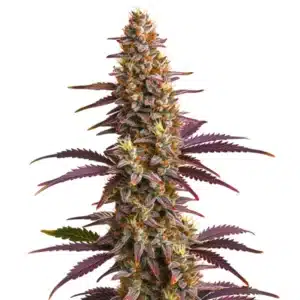
Another common sign of nutrient antagonism in cannabis plants is the appearance of purple stems. This can often be traced back to an imbalance involving phosphorus, which can impede the uptake of other essential nutrients like calcium. Adjusting your nutrient mix can alleviate this issue and restore plant vitality.
Knowing the nuances of cannabis nutrient antagonism symptoms and signs can also help differentiate between nutrient deficiency versus toxicity in cannabis. While both conditions can result in similar visual symptoms, their underlying causes and solutions differ significantly, emphasizing the need for accurate diagnosis.
Practical Examples and Solutions
Imagine you’re growing a batch of Blimburn Seeds’ GG4. You notice the leaves are drooping and have brown spots. A quick soil test reveals an excess of potassium. Cutting back on potassium-rich fertilizers can help restore balance and revive your plants.
If you’re cultivating Blimburn Seeds’ Girl Scout Cookies and spot purple stems, it might be due to a phosphorus overdose affecting calcium uptake. Adjusting your nutrient mix to lower phosphorus levels can remedy this.
For growers facing issues with Blimburn Seeds’ Tangie, yellowing leaves with green veins might indicate a magnesium deficiency due to calcium lockout. Introducing a magnesium supplement and reducing calcium inputs can help combat these cannabis nutrient lockout signs.
When dealing with Blimburn Seeds’ Strawberry Banana, sudden leaf necrosis along the margins could point to nutrient antagonism involving excess nitrogen. Careful adjustment of your nutrient regimen to balance nitrogen levels can help mitigate these cannabis nutrient imbalance symptoms.

FAQs about cannabis nutrient antagonism symptoms and signs
What are the early signs of cannabis nutrient antagonism?
Early signs often include subtle changes like the yellowing of leaves or a slight droop in the plant’s posture. These signs can quickly escalate if not addressed, leading to more severe issues like leaf necrosis or stunted growth. Monitoring your plants regularly can help catch these early signs.
Regular soil testing is another way to detect nutrient antagonism early. By knowing the nutrient composition of your growing medium, you can adjust your feeding schedule to prevent antagonism before it affects your plants.
Besides to visual observations, growers can employ periodic soil or tissue tests to better understand nutrient dynamics. These tests can reveal hidden imbalances and provide cannabis nutrient antagonism diagnosis tips that are crucial for proactive management.
Being aware of the specific nutrient needs of the strains you’re growing, like those from Blimburn Seeds, can also provide insights into potential risks and help tailor your nutrient strategy to prevent early cannabis nutrient antagonism symptoms and signs.
How can I differentiate between nutrient deficiency and toxicity?
Nutrient deficiency often results in the yellowing of older leaves first, while toxicity usually affects the newer growth. Additionally, deficiencies might cause slow growth, whereas toxicity can result in more severe symptoms like leaf burn or spots.
Testing your soil or growing medium can provide insights into nutrient levels, helping you determine whether your plants are suffering from a deficiency or toxicity. Adjusting your nutrient mix accordingly can prevent ongoing issues.
Knowing the difference between nutrient deficiency versus toxicity in cannabis is key to effective plant care. For instance, while both conditions might cause leaf discoloration, the affected areas and progression patterns differ and can guide proper diagnosis.
By closely monitoring your plants and utilizing tools like soil tests, you can accurately identify cannabis nutrient imbalance symptoms and apply targeted solutions to optimize plant health and yield.
What steps can I take to prevent nutrient antagonism in cannabis plants?
Preventing nutrient antagonism involves maintaining a balanced nutrient mix. Regular testing of your growing medium can help you understand the nutrient levels and adjust them as necessary. Using high-quality nutrients tailored for cannabis can also reduce the risk of antagonism.
Additionally, choosing resilient strains like those from Blimburn Seeds can help. These strains are often bred to withstand common growing issues, providing a buffer against nutrient antagonism.
Incorporating organic amendments and microbial inoculants can also enhance soil health and nutrient availability, reducing the likelihood of cannabis nutrient antagonism symptoms and signs emerging.
Moreover, diversifying your nutrient sources and avoiding over-reliance on a single nutrient type can prevent buildup and ensure a more harmonious nutrient environment for your cannabis plants.
Are there specific strains more resistant to nutrient antagonism?
Yes, some strains are naturally more resistant to nutrient issues. For example, Blimburn Seeds’ Blue Dream is known for its resilience. This strain can tolerate some degree of nutrient imbalance, making it a good choice for beginners.
Another example is the GG4 from Blimburn Seeds. This strain is robust and can handle fluctuations in nutrient levels better than others. Opting for such strains can make the growing process smoother and more successful.
Strains like Blimburn Seeds’ Critical Daddy Purple also exhibit robust growth patterns that can help mitigate the effects of cannabis nutrient antagonism symptoms and signs, making them ideal for growers facing challenging conditions.
By selecting strains that are known for their hardiness and adaptability, growers can minimize the impact of nutrient imbalances and focus more on optimizing other aspects of plant cultivation.
Can nutrient antagonism affect the quality of my cannabis harvest?
Absolutely, nutrient antagonism can significantly impact the quality of your harvest. An imbalance can lead to poor growth and development, resulting in lower yields and reduced potency. Ensuring a balanced nutrient mix is crucial for a high-quality harvest.
By addressing signs of cannabis nutrient antagonism promptly, you can maintain healthy plants that produce rich, potent buds. Regular checks and adjustments to your nutrient regimen are key to achieving the best results.
The effects of nutrient antagonism can extend beyond yield reduction to influence the aromatic and flavor profiles of your buds, underscoring the importance of managing cannabis nutrient imbalance symptoms effectively.
Implementing a robust nutrient management plan and selecting resilient strains like those from Blimburn Seeds can help preserve the quality of your cannabis harvest and ensure a rewarding growing experience.