How to Draw a Weed Plant (Easy Step-by-Step)

Quick answer: To draw a weed plant, start with a central spine, sketch an odd number of serrated leaflets (5, 7 or 9) fanning out with the longest in the middle, then add jagged edges, central veins and light shading. The iconic cannabis fan leaf is the easiest and most recognisable part to draw, and the steps below make it simple even for beginners.
The cannabis leaf is one of the most recognisable shapes in the world, which makes it a fun and satisfying thing to draw. You do not need to be an artist: the leaf follows a simple, symmetrical pattern of pointed, serrated leaflets fanning out from a central point, so once you understand that structure, sketching a convincing weed plant is easy.
Recommended Strains

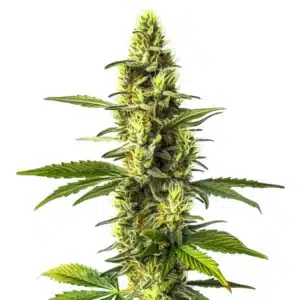
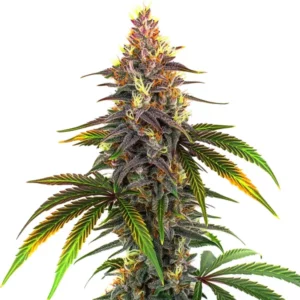
Banana Kush

|
THC | 17% - 21% (Medium) |

|
Type | Feminized |

|
Yield | High |

|
Phenotype | 60% Indica / 40% Sativa |

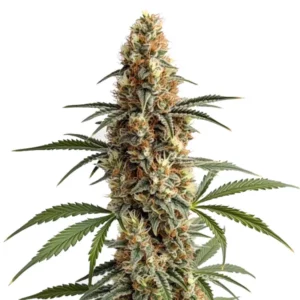
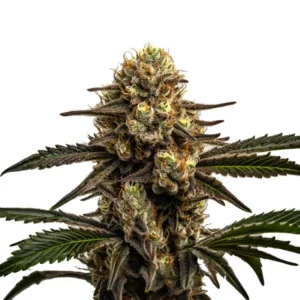
GG4
|
|
THC | 27% (High) |
|
|
Type | Feminized |
|
|
Yield | High |
|
|
Phenotype | 40% Indica / 60% Sativa |
Below we break it into clear steps, from the basic spine to the finished, shaded leaf, plus the key parts of the plant if you want to draw the whole thing rather than a single leaf. Grab a pencil and follow along.
| Part to draw | Shape tip |
|---|---|
| Fan leaf | A central spine with 5-9 long, serrated leaflets fanning out |
| Leaflets | Narrow at the base, widest in the middle, pointed tip; add jagged edges |
| Stem and branches | Straight main stem with alternating or opposite side branches |
| Buds (optional) | Clusters of small rounded shapes with fine hairs (pistils) |
Step-by-Step: Drawing the Cannabis Leaf
- Start with a center line for the leaf’s spine (or the plant’s main stem).
- Sketch the leaflets lightly: an odd number (5, 7 or 9), longest in the middle and shorter toward the edges.
- Shape each leaflet narrow at the base, widest in the middle, tapering to a point.
- Add serrated edges with small jagged ‘teeth’ along each leaflet.
- Draw the central veins down each leaflet for detail.
- Refine and ink the outline, erase guide lines, and shade or color if you like.
Promos & Deals
Adding Detail and Drawing the Whole Plant
Once you can draw a single fan leaf, detail brings it to life. Add the fine central and side veins on each leaflet, vary the jagged edges slightly so it looks natural rather than mechanical, and use light shading on one side to give the leaf depth. Leaving a thin highlight along the veins makes it pop.
To draw the whole plant, add a straight main stem with branches, place fan leaves along it (remember real cannabis leaves usually have an odd number of leaflets, and the count rises as the plant matures), and optionally sketch buds as clusters of small rounded shapes with fine hairs. If you want to get the leaf anatomy right, our guide on the 5-leaf weed plant explains how leaflet counts work, and for color inspiration see our most colorful strains.
Tips for a Better Weed Plant Drawing
A few habits make your drawing look far better. Sketch lightly first and commit to firm lines only once the shape is right, work from the center outward so the leaflets stay symmetrical, and use a reference photo of a real cannabis leaf to get the proportions and serrations convincing. Odd numbers of leaflets (5, 7, 9) look more natural than even ones.
For style, you can keep it clean and botanical, go for a bold cartoon look, or add realistic shading, there is no wrong way. Practise the single leaf until it feels easy, then build up to a full plant or a stylised design. Like anything, a few repetitions make a big difference, so do not worry if your first attempt looks rough.
Easy Weed Leaf vs Realistic Cannabis Plant
How much detail you add depends on the look you want. For a quick, easy weed leaf, a bold outline with a handful of serrated leaflets and a few veins is enough, perfect for doodles, logos or a simple design. Keep the shapes clean and symmetrical and it reads instantly as cannabis.
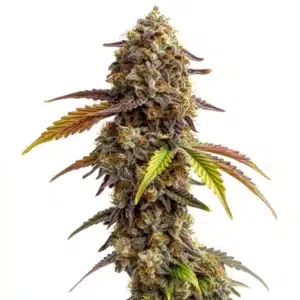
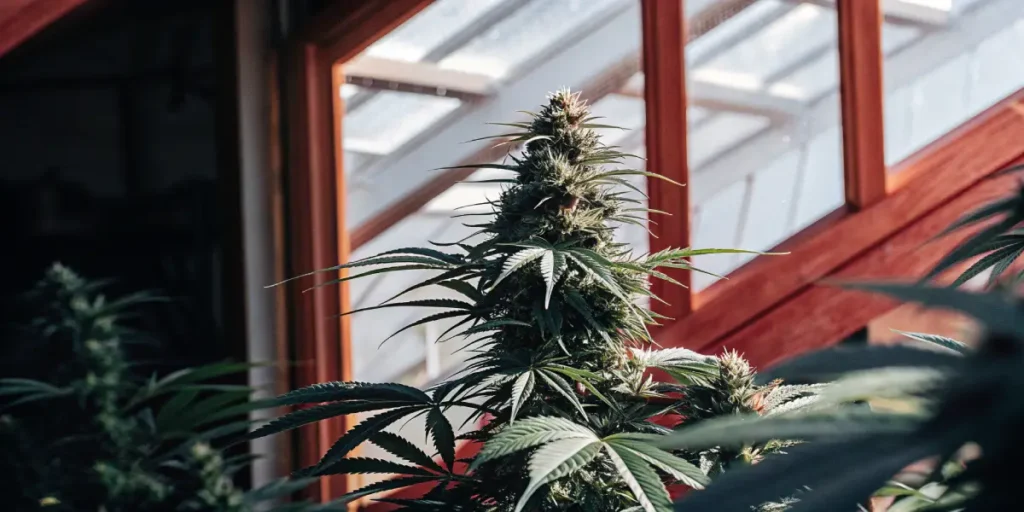
For a realistic cannabis plant, slow down: use a reference photo, draw the fan leaves at different angles rather than all flat, add overlapping leaflets, fine serrations and subtle shading, and include the stem, branches and maybe frosty buds. The same basic leaf structure underlies both, so master the easy version first, then layer on detail for realism. Either way, light guide lines and a bit of practice make all the difference.
FAQs about weed plant drawing easy
How do you draw a weed leaf?
Start with a central spine, then sketch an odd number of serrated leaflets (5, 7 or 9) fanning out, with the longest in the middle. Shape each leaflet narrow at the base and pointed at the tip, add jagged edges and central veins, then refine the outline and shade. Working from the center out keeps it symmetrical.
How many points does a weed leaf have?
It varies with the plant’s age and type: young plants may show leaves with a single leaflet, then 3, and mature plants commonly have 5, 7 or 9 pointed leaflets per fan leaf, sometimes more. For a natural-looking drawing, use an odd number like 7. Indica-leaning leaves look broader, sativa-leaning ones narrower.
Is it hard to draw a cannabis plant?
Not at all. The cannabis leaf has a simple, symmetrical structure, pointed leaflets fanning from a center, so with a few light guide lines almost anyone can draw a recognisable one. Start with a single fan leaf, use a reference image, and build up to the whole plant. A little practice is all it takes.
How do you draw a weed leaf step by step?
Draw a central spine, add an odd number of leaflets (5, 7 or 9) fanning out with the longest in the middle, shape each one pointed at the tip, then add jagged serrated edges and central veins. Refine the outline, erase guide lines, and shade if you like. Working from the center out keeps the leaf symmetrical.
What do I need to draw a weed plant?
Just a pencil, an eraser and paper to start, plus a reference photo of a cannabis leaf to get the proportions and serrations right. Fine liners help for inking the final outline, and colored pencils or markers for shading. Light guide lines first, then firm lines, are the real secret, not fancy materials.