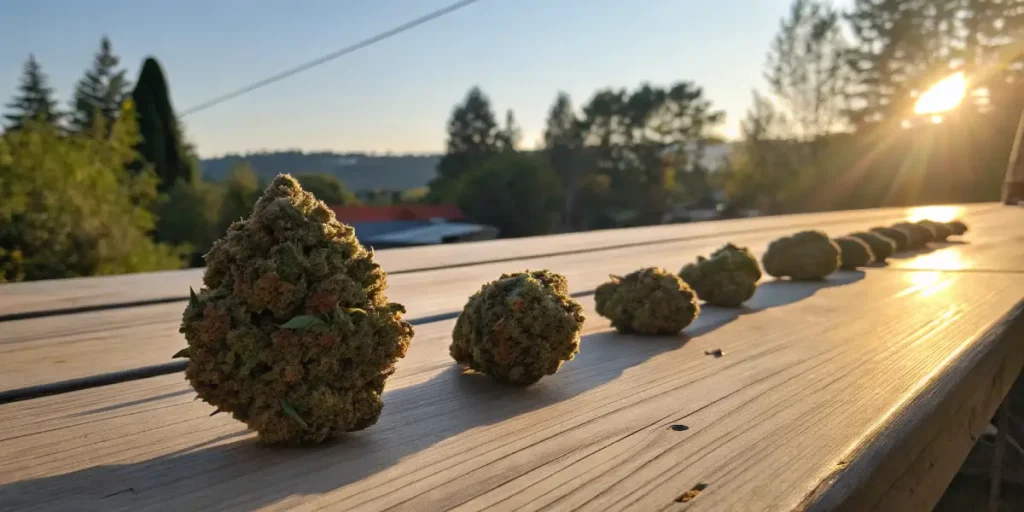
Discover How Fast Does THC Degrade in Sunlight: Expert Insights

When it comes to growing cannabis, one factor that often gets overlooked is the effect of sunlight on THC. Many growers wonder how fast does THC degrade in sunlight. The answer isn’t straightforward, as several variables come into play, including the intensity of sunlight and exposure duration.
Sunlight carries UV rays that interact with THC, the main psychoactive compound in cannabis. This interaction can lead to a decrease in THC potency over time. Factors like climate, geographic location, and even the time of year can influence how fast THC degrades in sunlight.
Recommended Strains

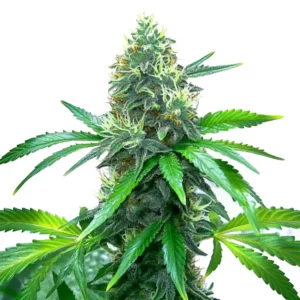
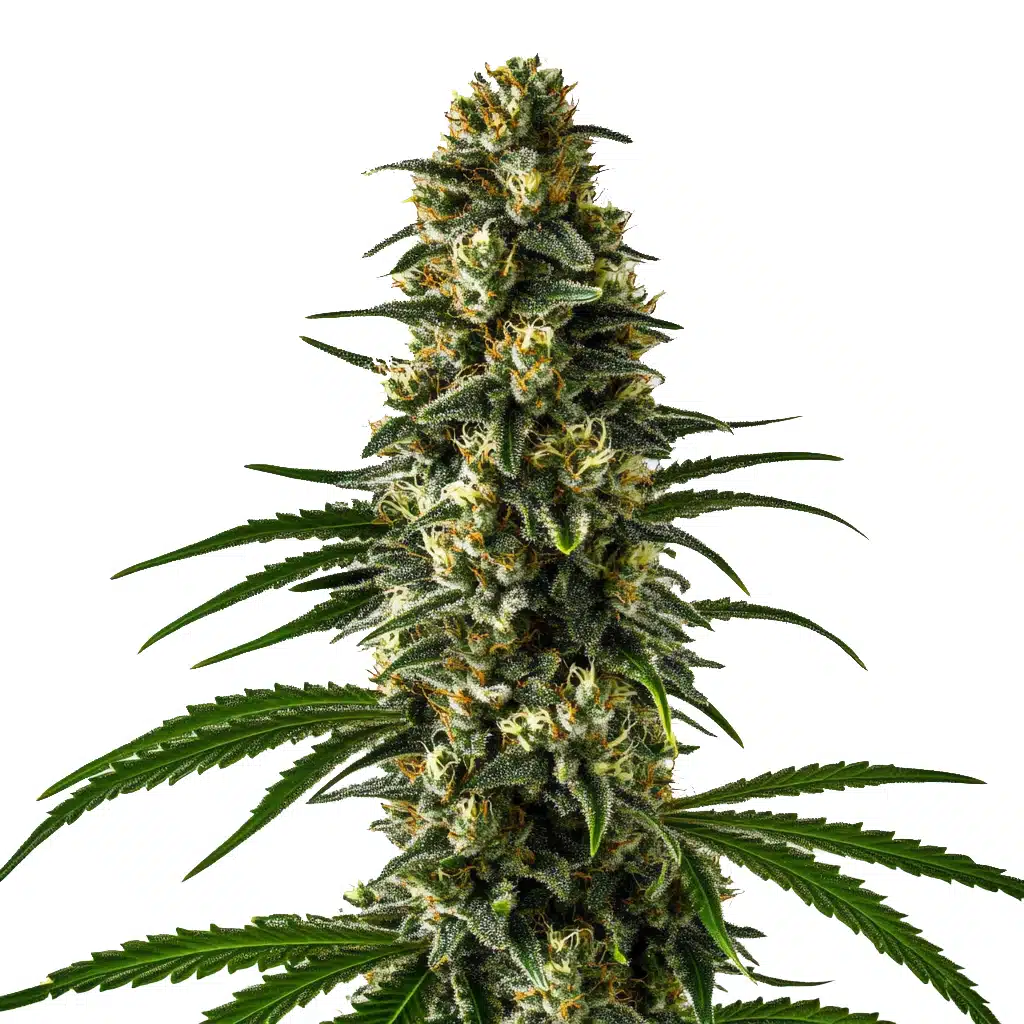
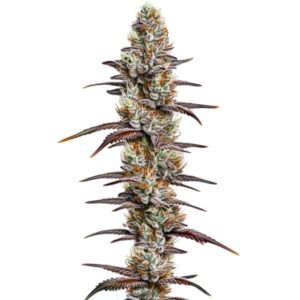
Blue Dream

|
THC | 17% - 24% (High) |

|
Type | Feminized |

|
Yield | High |

|
Phenotype | 50% Indica / 50% Sativa |
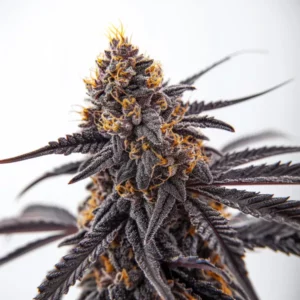
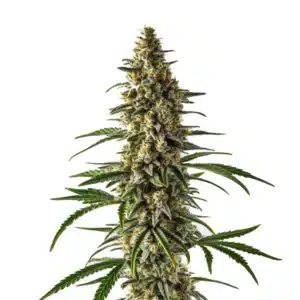
Girl Scout Cookies
|
|
THC | 18% - 25% (High) |
|
|
Type | Feminized |
|
|
Yield | High |
|
|
Phenotype | 60% Indica / 40% Sativa |
Experienced growers know the importance of timing when it comes to harvesting. For instance, harvesting cannabis plants a bit earlier can help mitigate THC degradation from prolonged sunlight exposure. This is where choosing strains like those from Blimburn Seeds becomes crucial, as they offer strains bred for diverse environments.
THC Degradation Rate in Sunlight
The THC degradation rate in sunlight is a topic of interest for both novice and seasoned growers. Sunlight, especially UV light, can cause THC molecules to break down into less psychoactive compounds. This process isn’t immediate but happens gradually.
Studies show that THC degradation can happen over weeks to months, depending on exposure conditions. If you’re growing outdoors, keeping an eye on sunlight exposure can help you gauge when to harvest. Strains like the Blue Dream from Blimburn Seeds have been noted for their resilience, making them a popular choice.
Knowing the THC degradation rate in sunlight can greatly influence your cultivation strategy. By analyzing environmental data and sunlight patterns, growers can optimize their harvest schedules to retain maximum potency. Strains that are bred to withstand sunlight exposure can offer a buffer against the natural degradation process.
Moreover, the THC degradation rate in sunlight is not only affected by direct exposure but also by indirect factors such as reflective surfaces and ambient temperature. These can intensify the degradation process if not managed properly. By accounting for these variables, growers can better predict and control the outcomes of their harvests.
Impact of Sunlight on THC Potency
Sunlight exposure can significantly affect THC potency. The longer cannabis is exposed to strong sunlight, the more likely it is to experience a reduction in potency. This is due to the UV light breaking down THC into CBN, a less psychoactive compound.
Smart growers use this knowledge to their advantage. By planting in areas with controlled sunlight exposure, they can maintain higher THC levels. Strains like Girl Scout Cookies from Blimburn Seeds are famous for their robust THC content, making them a go-to for many.
The impact of sunlight on THC potency can be mitigated by employing techniques such as selective pruning and canopy management. These practices can help minimize direct sunlight exposure on the most vulnerable parts of the plant, preserving THC levels. Utilizing these methods can lead to a more potent and desirable end product.
Knowing the impact of sunlight on THC potency also involves recognizing the function of other cannabinoids and terpenes. Sunlight can affect the overall chemical profile of cannabis, altering its aroma and flavor. By managing sunlight exposure, growers can ensure a balanced and potent final product that meets consumer expectations.
How UV Light Affects THC Concentration
UV light is a component of sunlight that can have significant effects on THC concentration. When THC is exposed to UV light, it begins to degrade, leading to a decrease in its psychoactive properties. This degradation timeline of THC under sunlight can vary, but the impact is more pronounced with prolonged exposure.
For growers looking to maximize THC concentration, knowing the function of UV light is crucial. This is especially true for those growing strains like OG Kush offered by Blimburn Seeds, known for its high THC levels.
Besides to affecting THC concentration, UV light can also influence the plant’s growth and development. Some growers use UV light strategically to enhance certain plant characteristics, although this requires precise control to avoid unwanted degradation. Mastery of UV exposure can elevate the quality of the crop.
Another aspect of how UV light affects THC concentration is its impact on resin production. Some studies suggest that controlled UV exposure can stimulate resin and trichome development, potentially offsetting some of the degradation effects. Growers who effectively balance UV exposure can achieve a high-quality yield.
Promos & Deals
Degradation Timeline of THC Under Sunlight
The degradation timeline of THC under sunlight isn’t fixed; it varies based on several factors. One key factor is the UV index of the area where the cannabis is grown. Higher UV levels generally lead to faster THC degradation.
Knowing the local climate and seasonal changes can help growers plan their harvest better. For instance, if the UV index is high during the summer months, it might be wise to harvest earlier or provide some form of UV protection.
By thoroughly knowing the degradation timeline of THC under sunlight, growers can make informed decisions on when to apply protective measures such as shade cloths or UV-blocking films. This proactive approach can significantly preserve THC potency in outdoor grows.
Additionally, tracking the degradation timeline of THC under sunlight allows growers to experiment with different harvesting techniques and timings. This flexibility can result in discovering new methods to enhance the quality and potency of outdoor cannabis crops, particularly with resilient strains from Blimburn Seeds.
FAQs about how fast does THC degrade in sunlight
What factors influence THC degradation rate in sunlight?
Several factors can affect how fast THC degrades in sunlight. These include the intensity and duration of sunlight exposure, the strain of cannabis, and the local climate. Even the time of year can play a role, as sunlight intensity varies with seasons.
Outdoor growers should consider these factors when planning their cultivation. Choosing the right strain from Blimburn Seeds can also help, as some strains are bred to withstand higher sunlight exposure without losing potency.
Geographical factors such as altitude and proximity to the equator can also influence the THC degradation rate in sunlight. Higher altitudes can result in stronger UV exposure, necessitating additional protective measures for growers in such regions.
Furthermore, soil quality and nutrient availability can indirectly affect how fast THC degrades in sunlight. Healthy plants are more resilient and can better withstand environmental stresses, including sunlight exposure effects on THC stability.
How can I minimize THC degradation in my outdoor grow?
Minimizing THC degradation in outdoor grows involves strategic planning. Planting in areas with natural shade or using shade cloths can help reduce direct sunlight exposure. Monitoring the UV index and adjusting planting times can also make a difference.
Another effective approach is selecting strains that are known for their resilience to sunlight. For example, Blue Dream and OG Kush from Blimburn Seeds are popular choices due to their ability to maintain THC levels even with extended sunlight exposure.
Incorporating reflective barriers or positioning plants in a way that minimizes excessive sunlight can further help manage THC degradation. These techniques, combined with proper strain selection, can optimize the growing environment for potency preservation.
Regular monitoring of plant health and environmental conditions is crucial for minimizing THC degradation. By staying vigilant and responsive to changes in sunlight exposure, growers can effectively protect their crops from potency loss.
Is indoor growing better for maintaining THC potency?
Indoor growing offers more control over environmental conditions, including light exposure, which can help maintain THC potency. Growers can use artificial lights that mimic natural sunlight without the harmful UV rays, thus preserving THC levels.
However, outdoor growing has its own benefits, like natural terpene development and cost savings. The key is to balance sunlight exposure and choose the right strains, such as those from Blimburn Seeds, to achieve desired THC levels.
Indoor growing allows for precise manipulation of the light spectrum, which can be tailored to enhance specific plant traits. This control can result in a more consistent and potent yield compared to outdoor growing scenarios.
While indoor growing is often favored for maintaining THC potency, it requires a significant investment in infrastructure and energy. Growers must weigh these costs against the benefits of natural conditions and potential yield quality from outdoor grows.
What are the signs of THC degradation in cannabis?
Signs of THC degradation primarily include a reduction in potency. Cannabis may also take on a different color or develop a smell that indicates chemical changes. These changes often lead to a less psychoactive experience.
To avoid significant degradation, timely harvesting and proper storage are crucial. Growers should monitor their plants regularly and take preventive steps when needed, especially when growing strains known for high THC, like Girl Scout Cookies from Blimburn Seeds.
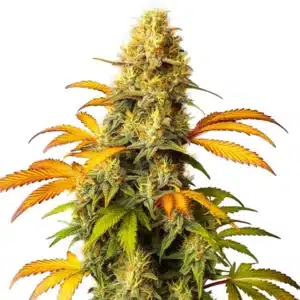
Visual cues such as browning or yellowing of trichomes can indicate THC degradation. A decrease in the intensity of the plant’s aroma and changes in texture are also potential signs of degradation that growers should watch for.
Besides to physical signs, the overall experience of consuming the cannabis may change, with less pronounced psychoactive effects. Regular testing and quality control can help growers catch these signs early and take corrective action.
Are some strains more resistant to sunlight exposure effects?
Yes, some cannabis strains are more resistant to the effects of sunlight exposure on THC stability. These strains tend to have a genetic makeup that allows them to maintain potency despite prolonged exposure to sunlight.
Blimburn Seeds offers a variety of strains known for their robustness, such as OG Kush and Blue Dream. These strains are ideal for outdoor growers dealing with high sunlight conditions, helping to ensure that THC degradation is minimized.
By selecting strains that are genetically predisposed to withstand sunlight exposure effects on THC stability, growers can achieve a more consistent yield. These strains often have unique adaptations that protect them from environmental stresses.
Additionally, breeders are continually developing new strains with enhanced resilience to sunlight. Staying informed about these advancements can help growers choose the most suitable strains for their specific growing conditions and sunlight exposure levels.