Expert Guide: Proven Fixes for Leaf Chlorosis During Flowering Stage Cannabis

Leaf chlorosis during flowering stage cannabis can be a concerning issue for both new and seasoned growers. This condition, characterized by yellowing leaves, often indicates underlying problems that need immediate attention. Addressing these issues promptly ensures a healthy cannabis crop, which is particularly crucial during the flowering stage when plants are most vulnerable.
Identifying the root causes of cannabis leaf chlorosis flowering stage causes is the first step toward effective management. Generally, chlorosis in cannabis plants during this stage is often due to nutrient deficiencies or improper pH levels. If left unchecked, these problems can lead to stunted growth and reduced yields. Therefore, knowing the signals your plants are sending is vital for preventing leaf chlorosis in cannabis flowering.
Recommended Strains
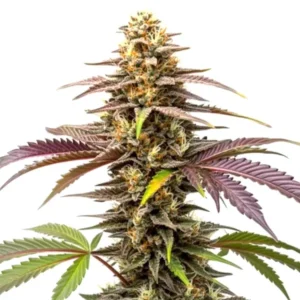
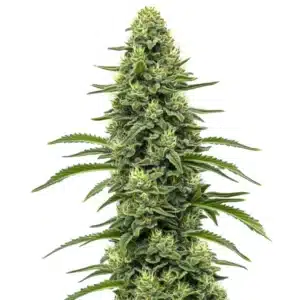
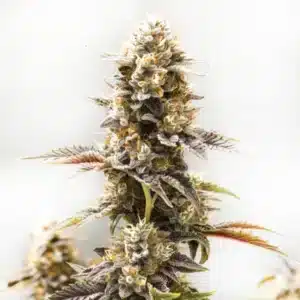
Z OG

|
THC | 16% - 20% (Medium) |

|
Type | Feminized |

|
Yield | Medium |

|
Phenotype | 75% Indica / 25% Sativa |

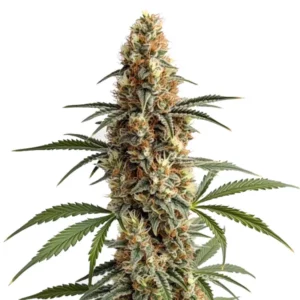
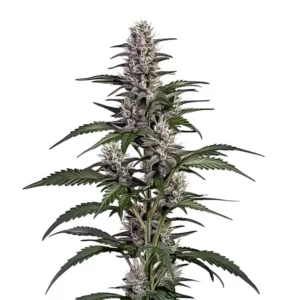
Blue Dream
|
|
THC | 17% - 24% (Medium) |
|
|
Type | Feminized |
|
|
Yield | High |
|
|
Phenotype | 50% Indica / 50% Sativa |
Luckily, there are proven methods to manage these issues. By focusing on the right nutrients and environmental conditions, you can help your plants thrive. In this guide, we’ll discuss practical solutions and highlight some valuable cannabis strains from Blimburn Seeds that are excellent choices for growers facing these challenges.
Nutrient Deficiencies Causing Leaf Chlorosis Cannabis
Nutrient deficiencies are a common cause of leaf chlorosis during flowering stage cannabis. During this critical period, plants require an optimal balance of nutrients to support bud development and overall health. A lack of essential nutrients like nitrogen, magnesium, or calcium can lead to yellow leaves during cannabis flowering stage, signaling a need for immediate intervention.
It’s crucial to maintain a well-balanced nutrient regimen tailored to the flowering stage. For instance, reducing nitrogen levels while increasing phosphorus and potassium can promote healthy flowering. An example of a strain that benefits from careful nutrient management is the GG4 by Blimburn Seeds. Known for its robust growth and high yields, GG4 thrives when provided with the right nutrient mix.
Besides to these primary nutrients, trace elements such as zinc and manganese are also essential during the flowering stage. These micronutrients play a significant role in chlorophyll production and enzyme function, which are critical for healthy plant growth. Regularly reviewing and adjusting your nutrient mix can prevent nutrient deficiencies causing leaf chlorosis cannabis, ensuring your plants receive everything they need.
Furthermore, using organic fertilizers can enhance nutrient availability and improve soil health. Organic options often contain beneficial microbes that support better nutrient uptake and plant resilience. By choosing high-quality organic fertilizers, growers can address nutrient imbalances more effectively and reduce the risk of nutrient lockout, thereby minimizing the chances of encountering cannabis leaf chlorosis flowering stage causes.
Promos & Deals
Managing Chlorosis in Cannabis Plants Flowering Stage
Effective management of chlorosis in cannabis plants during the flowering stage involves closely monitoring environmental conditions. Factors such as pH levels, temperature, and humidity play critical roles in plant health. Ensuring the right pH balance in the growing medium can prevent nutrient lockout, a common cause of chlorosis.
Regularly test the pH of your water and soil to keep it within the ideal range for cannabis, typically between 6.0 and 7.0. This practice helps in managing chlorosis in cannabis plants flowering stage by allowing plants to absorb nutrients efficiently. Adjusting pH levels is a straightforward process that can significantly impact plant health.
Along with pH management, maintaining consistent watering schedules is essential. Overwatering or underwatering can stress plants, exacerbating chlorosis. Using moisture meters or monitoring soil moisture levels can help ensure that your plants receive the appropriate amount of water, mitigating stress and supporting nutrient absorption.
Providing adequate air circulation is another crucial aspect of managing chlorosis. Proper ventilation reduces humidity levels and prevents mold growth, which can stress plants. Installing fans and ensuring good airflow can create an optimal environment for cannabis plants, helping to prevent yellow leaves during cannabis flowering stage and promoting robust growth.
Preventing Leaf Chlorosis in Cannabis Flowering
Preventing leaf chlorosis in cannabis flowering involves proactive measures. Regularly inspecting plants for early signs of nutrient deficiencies or environmental stress can help catch issues before they escalate. Implementing a consistent care routine and making timely adjustments are key to maintaining plant health.
Using quality soil or hydroponic systems that provide adequate aeration and drainage is another effective strategy. These systems support root health and nutrient uptake, reducing the risk of chlorosis. The Blue Dream strain from Blimburn Seeds is well-suited to both soil and hydroponic setups, making it a versatile choice for growers aiming to prevent yellowing leaves.
Incorporating beneficial soil amendments, such as mycorrhizal fungi or earthworm castings, can further enhance soil health and nutrient availability. These amendments improve root structure and increase the plant’s ability to access nutrients, effectively preventing leaf chlorosis during flowering stage cannabis.
Additionally, rotating cannabis strains and avoiding monoculture can help maintain soil fertility and prevent pest buildup. By selecting strains with different nutrient needs or growth patterns, growers can naturally replenish soil nutrients and reduce the likelihood of encountering nutrient deficiencies causing leaf chlorosis cannabis.
FAQs about leaf chlorosis during flowering stage cannabis
What causes leaf chlorosis during the flowering stage in cannabis?
Leaf chlorosis during the flowering stage in cannabis is often caused by nutrient deficiencies or imbalances. During this stage, plants require a specific balance of nutrients to support bud development. A lack of essential elements like nitrogen, magnesium, or calcium can lead to yellowing leaves, indicating a need for immediate corrective measures.
Other factors contributing to chlorosis include improper pH levels and environmental stress. Ensuring that the growing medium’s pH is within the optimal range and maintaining stable temperature and humidity levels are crucial steps in preventing and managing chlorosis during flowering.
Beyond nutrient and pH issues, pest infestations can also lead to chlorosis. Insects like spider mites or aphids can damage plant tissues, disrupting nutrient flow and causing yellow leaves during cannabis flowering stage. Early detection and integrated pest management are key to preventing pest-related chlorosis.
Additionally, genetic factors can play a role in a plant’s susceptibility to chlorosis. Some strains are naturally more resilient, while others may require more attentive care. Choosing strains from reputable breeders like Blimburn Seeds can provide an advantage, as their strains are known for their robust genetics and adaptability.
How can I prevent yellow leaves during the cannabis flowering stage?
Preventing yellow leaves during the cannabis flowering stage involves maintaining a balanced nutrient regimen and stable environmental conditions. Regularly check the pH levels of your water and soil to ensure they are within the optimal range for nutrient absorption. Adjusting feeding schedules according to the plant’s specific needs can also help prevent nutrient deficiencies.
Additionally, ensure your growing environment maintains ideal temperature and humidity levels. Cannabis plants prefer temperatures between 70-85°F and humidity levels around 40-50% during flowering. Monitoring these elements closely can help prevent stress and support healthy plant development.
Implementing a regular foliar feeding schedule can enhance nutrient uptake and address deficiencies quickly. Foliar sprays deliver nutrients directly to the leaves, providing an immediate boost and helping to prevent leaf chlorosis during flowering stage cannabis.
Furthermore, conducting regular plant health assessments and maintaining detailed records can provide valuable insights. By tracking changes in plant appearance and adjusting care routines accordingly, growers can effectively prevent and manage chlorosis, ensuring a successful flowering stage.
What are the best cannabis strains for managing chlorosis during flowering?
Certain cannabis strains are more resilient and better suited for managing chlorosis during flowering. GG4, Zkittlez, and Blue Dream from Blimburn Seeds are excellent choices. These strains are known for their robust growth and ability to thrive under optimal nutrient and environmental conditions.
GG4, in particular, benefits from careful nutrient management, while Zkittlez is resilient to environmental fluctuations. Blue Dream is versatile enough to flourish in both soil and hydroponic systems, making it a reliable option for growers concerned about chlorosis during flowering.
The robust nature of these strains allows them to withstand minor fluctuations in nutrient levels or environmental conditions, making them ideal for less experienced growers. Their resilience can reduce the risk of experiencing cannabis leaf chlorosis flowering stage causes, ultimately leading to healthier plants.
Besides to their resilience, these strains offer high yields and exceptional quality, making them popular among both commercial and home growers. By selecting strains like those from Blimburn Seeds, growers can enjoy the benefits of vigorous plants with the potential for impressive harvests.
How do I adjust nutrient levels to fix chlorosis in cannabis plants?
Adjusting nutrient levels to fix chlorosis involves first identifying the specific deficiency causing the issue. Conduct a soil test or use a nutrient meter to determine which nutrients are lacking. Once identified, you can adjust your feeding schedule to provide the necessary nutrients.
It’s important to gradually introduce changes to avoid overwhelming the plants. Start by slightly increasing the deficient nutrient while monitoring the plant’s response. Over time, this targeted approach can help correct nutrient imbalances and resolve chlorosis, ensuring healthy growth and flowering.
In some cases, supplementing with chelated nutrients can enhance absorption and address deficiencies more rapidly. Chelated nutrients are more readily available to plants, helping to correct imbalances effectively and reducing the risk of nutrient deficiencies causing leaf chlorosis cannabis.
Additionally, using a nutrient management plan that includes regular testing and adjustments can prevent future issues. Establishing a consistent schedule for monitoring and amending nutrient levels can support optimal plant health and reduce the occurrence of chlorosis during the flowering stage.
Can improper pH levels cause leaf chlorosis during the flowering stage?
Yes, improper pH levels can cause leaf chlorosis during the flowering stage. The pH level of the growing medium affects how well plants can absorb nutrients. If the pH is too high or too low, it can lead to nutrient lockout, where essential nutrients become inaccessible to the plant, causing chlorosis.
Maintaining the correct pH range, typically between 6.0 and 7.0 for cannabis, is crucial for preventing chlorosis. Regular testing and adjusting the pH levels in your water and soil can help ensure that plants have access to the necessary nutrients, supporting healthy growth and reducing the risk of chlorosis.
Employing tools such as pH meters or pH test kits can provide accurate readings, allowing for timely corrections. Consistent monitoring and adjustments help create an optimal growing environment, minimizing the likelihood of encountering leaf chlorosis during flowering stage cannabis.
Using pH buffers or additives designed for cannabis cultivation can also help stabilize pH levels, ensuring that nutrient uptake is efficient. By incorporating these tools into your growing routine, you can more effectively manage chlorosis in cannabis plants flowering stage and promote vigorous growth throughout the flowering period.