Expert Guide: Proven Effects of Nutrient Imbalances on Cannabis Terpenes

Cannabis terpenes play a crucial role in the aroma and taste of your plants. But did you know that the effects of nutrient imbalances on cannabis terpenes can be significant? Whether you’re a first-time grower or a seasoned pro, nutrient management is key to achieving the desired terpene profile.
Imagine growing a strain like GG4 from Blimburn Seeds, expecting that intense earthy aroma, only to find it lacking. The culprit could be a nutrient imbalance. These imbalances can alter the terpene levels, changing the plant’s scent and flavor.
Recommended Strains
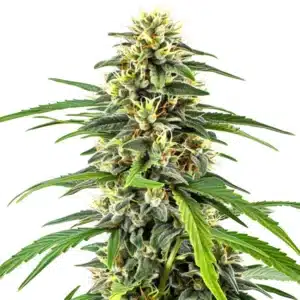
Amnesia Haze

|
THC | 18% - 22% (Medium) |

|
Type | Feminized |

|
Yield | High |

|
Phenotype | 30% Indica / 70% Sativa |

Blue Dream
|
|
THC | 17% - 24% (Medium) |
|
|
Type | Feminized |
|
|
Yield | High |
|
|
Phenotype | 50% Indica / 50% Sativa |
To put it simply, your plants need a balanced diet to produce those rich, aromatic terpenes. Let’s delve into how these imbalances can impact your grow and how you can prevent them.
Effects of Nutrient Imbalances on Cannabis Terpene Profile
Nutrient imbalances can drastically change the terpene profile of cannabis. A lack of certain nutrients can lead to a deficiency, impacting terpene production. For example, a nitrogen deficiency can cause your plant to yellow and weaken, affecting its ability to produce terpenes.
Terpenes are sensitive to changes in the growing environment, including nutrient availability. For instance, phosphorus is essential for energy transfer in plants. Without it, strains like Blue Dream from Blimburn Seeds might not achieve their full terpene potential, missing that sweet berry aroma.
The effects of nutrient imbalances on cannabis terpene profile can also be seen in the plant’s physiological response. When nutrients are not in balance, the plant undergoes stress, which can lead to a suppression of terpene synthesis. This is particularly evident when there is an imbalance in micronutrients, which, although needed in smaller quantities, play a significant role in the overall health and aroma of the plant.
Calcium and magnesium are two nutrients that often need to be balanced carefully. While calcium contributes to cell structure, magnesium is vital for chlorophyll production. An imbalance between these two can lead to issues not only in plant growth but also in the complexity and richness of the terpene profile, impacting strains from Blimburn Seeds known for their unique aroma traits.
Promos & Deals

Nutrient Deficiencies Impact on Cannabis Terpene Production
Nutrient deficiencies are a common issue for many growers. These deficiencies don’t just affect growth but also have a profound impact on terpene production. For example, a calcium deficiency can lead to stunted growth and reduced terpene output.
Magnesium is another crucial nutrient. It’s a core component of chlorophyll, and without it, your plant can’t photosynthesize efficiently. This inefficiency can result in reduced terpene production, affecting strains like Amnesia Haze from Blimburn Seeds, known for its citrusy aroma.
Nutrient deficiencies impact on cannabis terpene production is not limited to macronutrients. Micronutrients such as iron and copper, though required in trace amounts, are vital for various enzymatic processes that lead to terpene synthesis. A shortage of these can lead to a compromised terpene profile, resulting in a less flavorful and aromatic product.
Moreover, studying the effects of nutrient imbalances on cannabis terpenes reveals that even nitrogen, when deficient, can lead to a reduction in overall plant vigor, which subsequently affects the plant’s ability to produce terpenes. This is particularly crucial for maintaining the distinct terpene expressions in Blimburn Seeds’ various strains, which are often sought after for their unique scent profiles.
How Nutrient Imbalances Alter Cannabis Terpene Levels
Imbalances in nutrients don’t just affect the plant’s health; they also alter the cannabis terpene levels. An imbalance, such as excess nitrogen, can lead to lush foliage but poor terpene development. This results in a less aromatic plant.
Potassium is vital for overall plant health and terpene production. Too little potassium can lead to poor terpene synthesis, altering the expected aroma profile. On the flip side, too much potassium can also disrupt the balance, again affecting terpene levels.
Knowing how nutrient imbalances alter cannabis terpene levels also involves looking at the timing of nutrient application. Late-stage imbalances can be particularly detrimental, as they coincide with the peak period of terpene biosynthesis. Ensuring nutrients are balanced throughout the plant’s life cycle is crucial for maintaining a consistent and rich terpene profile.
Balanced nutrients not only support optimal growth but also enhance the capacity of plants to resist pests and environmental stressors, which can indirectly influence the terpene levels. For example, a well-balanced nutrient regimen can help maintain the integrity of the terpene profile in Blimburn Seeds strains, ensuring their aromas are as intended.

Cannabis Terpene Changes Due to Nutrient Imbalances
Nutrient imbalances can cause unexpected changes in the terpene composition of cannabis. Each nutrient plays a specific role, and a deficiency or excess can lead to noticeable shifts in aroma and flavor.
For instance, a sulfur deficiency can lead to a lack of certain sulfur-containing terpenes. This might make a strain like Lemon Haze from Blimburn Seeds less zesty. Ensuring a balanced nutrient regimen is crucial for maintaining the integrity of the terpene profile.
Exploring cannabis terpene changes due to nutrient imbalances also involves knowing the interaction between different nutrients. For instance, an excess of one nutrient can lead to the unavailability of another, a phenomenon known as nutrient antagonism. This can further complicate the terpene profile, leading to unexpected changes in aroma and flavor.
Additionally, environmental factors such as light intensity and humidity can exacerbate the effects of nutrient imbalances on cannabis terpenes. Growers need to consider the holistic growing environment to ensure that nutrient levels support the desired terpene profile. Strains from Blimburn Seeds, when grown under optimal conditions, can express their full aromatic potential.
Influence of Nutrient Imbalances on Cannabis Terpene Composition
The influence of nutrient imbalances on cannabis terpene composition is profound. Each nutrient contributes to the complex terpene matrix that defines a strain’s unique characteristics. A balanced nutrient supply ensures optimal terpene expression.
Boron, though a micronutrient, is vital for cell wall formation and terpene synthesis. A deficit in boron can result in brittle plants and reduced terpene production. This highlights the importance of even the smallest nutrients in terpene development.
Another aspect of the influence of nutrient imbalances on cannabis terpene composition is the role of plant stress. Nutrient stress can lead to a shift in the plant’s metabolic pathways, which might upregulate certain terpenes while suppressing others. This can lead to an altered aroma that might not align with the grower’s expectations, particularly with strains from Blimburn Seeds known for specific scent profiles.
Furthermore, consistent monitoring and adjustment of nutrient levels can mitigate the effects of nutrient imbalances on cannabis terpenes. By using integrated nutrient management strategies, growers can ensure that their plants receive a balanced diet, promoting robust terpene development throughout the growth cycle.

FAQs about effects of nutrient imbalances on cannabis terpenes
What are cannabis terpenes?
Cannabis terpenes are aromatic compounds found in the plant. They give each strain its unique smell and flavor. Terpenes work alongside cannabinoids like THC and CBD, contributing to the entourage effect, which influences the overall experience.
Each terpene has its own potential effects. For example, myrcene might promote relaxation, while limonene could boost mood. Knowing how nutrient imbalances affect these compounds is crucial for growers aiming to optimize their harvest.
Besides to their aromatic properties, terpenes play a role in the plant’s defense mechanisms, helping to deter pests and attract beneficial organisms. This natural function underscores the importance of maintaining terpene integrity through balanced nutrient management.
When considering the effects of nutrient imbalances on cannabis terpenes, it’s essential to recognize that the composition of terpenes can influence not just the flavor and aroma, but also the therapeutic and recreational effects of the plant. This makes careful nutrient management a critical aspect of cannabis cultivation.
How do nutrient imbalances affect terpene production?
Nutrient imbalances can lead to reduced terpene production in cannabis plants. An excess or deficiency in essential nutrients disrupts the plant’s ability to synthesize terpenes effectively. This can lead to a less aromatic and flavorful product.
For instance, a deficiency in magnesium affects chlorophyll production, impacting photosynthesis and terpene biosynthesis. Ensuring a balanced nutrient intake is key to maintaining a robust terpene profile.
The effects of nutrient imbalances on cannabis terpene production are often linked to the plant’s metabolic efficiency. When nutrients are out of balance, the plant’s metabolic pathways can be disrupted, leading to a reduction in the synthesis of key compounds, including terpenes.
Moreover, nutrient imbalances can influence the plant’s ability to withstand environmental stressors, which can further impact terpene production. By managing nutrient levels effectively, growers can enhance the resilience of their plants, promoting a more consistent and desirable terpene profile.
Can adjusting nutrients enhance cannabis terpenes?
Yes, adjusting nutrients can enhance cannabis terpenes. By carefully managing nutrient levels, growers can optimize terpene production, enhancing aroma and flavor. Regular soil and water testing can help maintain this balance.
Growers can experiment with nutrient levels, observing changes in terpene expression. It’s important to keep track of these adjustments to understand what works best for each strain, ensuring optimal results.
Adjusting nutrients based on the specific needs of a strain can lead to significant improvements in terpene expression. This is particularly true for strains from Blimburn Seeds, where subtle changes in nutrient levels can enhance the unique aromatic qualities that define each cultivar.
Besides to nutrient adjustments, incorporating organic amendments and beneficial microbes into the growing regimen can support terpene production by improving nutrient uptake and soil health. This holistic approach can lead to a more robust and aromatic final product.
What is the best way to prevent nutrient imbalances?
Preventing nutrient imbalances starts with quality soil and balanced fertilizers. Regular testing of both soil and water is crucial to detect any imbalances early. Using complete nutrient solutions designed for cannabis can also help maintain balance.
Monitoring plant health is another important step. Signs of nutrient imbalances often show up as discoloration or deformed leaves. Early detection allows for quick correction, minimizing impact on terpene production.
Implementing a consistent feeding schedule and adjusting it based on the plant’s growth stage and environmental conditions can also help prevent nutrient imbalances. This proactive approach ensures that plants receive the right nutrients at the right time, supporting optimal terpene development.
Additionally, selecting the right growing medium and knowing its nutrient-holding capacity can aid in maintaining a balanced nutrient environment. This knowledge can help growers fine-tune their nutrient management practices, leading to healthier plants and a more vibrant terpene profile.
Are some cannabis strains more sensitive to nutrient imbalances?
Yes, some cannabis strains are more sensitive to nutrient imbalances. Strains like Amnesia Haze or Sour Diesel might require more precise nutrient management to maintain their terpene profile.
Different strains have varying nutrient needs. Knowing the specific requirements of each strain can help growers avoid imbalances, ensuring optimal plant health and terpene production.
The sensitivity of certain strains to nutrient imbalances can also vary based on their genetic background. Knowing these genetic predispositions can help growers tailor their nutrient management strategies to suit the specific needs of each Blimburn Seeds strain.
Furthermore, by keeping detailed records of nutrient regimens and the resulting terpene profiles, growers can develop a deeper knowing of how to optimize their approach for each strain, ultimately leading to a more consistent and high-quality harvest.