
Expert Guide: Proven Companion Planting and Nutrient Synergy Tips

Companion planting and nutrient synergy are powerful tools for both novice and experienced growers. By selecting the right plant partners, you can boost the health and yield of your crops. This method involves growing different plants together for mutual benefits, such as improved growth, pest control, and enhanced flavor.
When it comes to growing cannabis, companion planting can help you achieve nutrient synergy. This means your plants will work together to create a balanced environment. Imagine your cannabis plants thriving alongside basil, which can repel harmful insects, or yarrow, which attracts beneficial bugs.
Recommended Strains

GG4

|
THC | 27% (High) |

|
Type | Feminized |

|
Yield | High |

|
Phenotype | 40% Indica / 60% Sativa |

Bruce Banner #3
|
|
THC | 20% - 29% (High) |
|
|
Type | Feminized |
|
|
Yield | Medium |
|
|
Phenotype | 50% Indica / 50% Sativa |
Blimburn Seeds offers strains like GG4, Bruce Banner #3, and Girl Scout Cookies, which can benefit from companion planting. By pairing these strains with the right partners, you can harness nutrient synergy to maximize growth and yield.
The Science Behind Companion Planting
Companion planting works on several scientific principles. One major principle is nutrient synergy, where plants exchange nutrients and improve each other’s growth. For instance, legumes can fix nitrogen in the soil, benefiting nitrogen-hungry plants like cannabis.
Another principle is pest management. Certain plants can repel pests naturally. Marigolds, for example, are known to deter nematodes and other harmful insects. This reduces the need for chemical pesticides, making your garden more organic and environmentally friendly.
The concept of nutrient synergy in permaculture is rooted in creating sustainable ecosystems where plants support each other. By mimicking natural plant communities, companion planting promotes biodiversity and resilience in your garden. This holistic approach not only enhances plant health but also contributes to a more balanced ecosystem.
Companion planting benefits for nutrient uptake are evident when you observe how plants influence each other’s growth. Plants like yarrow and clover can improve soil structure and increase the availability of essential nutrients. This interaction leads to healthier plants and more abundant yields, showcasing the power of companion planting in gardening.
Promos & Deals




Best Practices for Companion Planting in Cannabis Growing
When selecting companion plants for your cannabis, consider their growth habits and nutrient needs. Choose plants that have complementary requirements. For instance, fast-growing herbs like cilantro can provide ground cover, reducing soil erosion and retaining moisture.
Spacing is crucial in companion planting. Ensure each plant has enough room to grow without competing for resources. A well-planned layout can enhance soil fertility through companion planting, allowing each plant to access the nutrients it needs.
Incorporating companion planting for vegetable gardens into your cannabis setup can be highly beneficial. Vegetables like carrots and beets can coexist with cannabis, sharing space and nutrients. This approach not only maximizes garden productivity but also supports nutrient synergy by diversifying plant types.
To effectively implement companion planting, observe your plants’ progress and make adjustments as needed. Regular monitoring will help you identify any imbalance in nutrient distribution or pest issues, ensuring your garden remains productive and healthy. This attention to detail fosters a thriving ecosystem where cannabis and its companions flourish together.
Choosing the Right Companion Plants
Herbs and Aromatic Plants
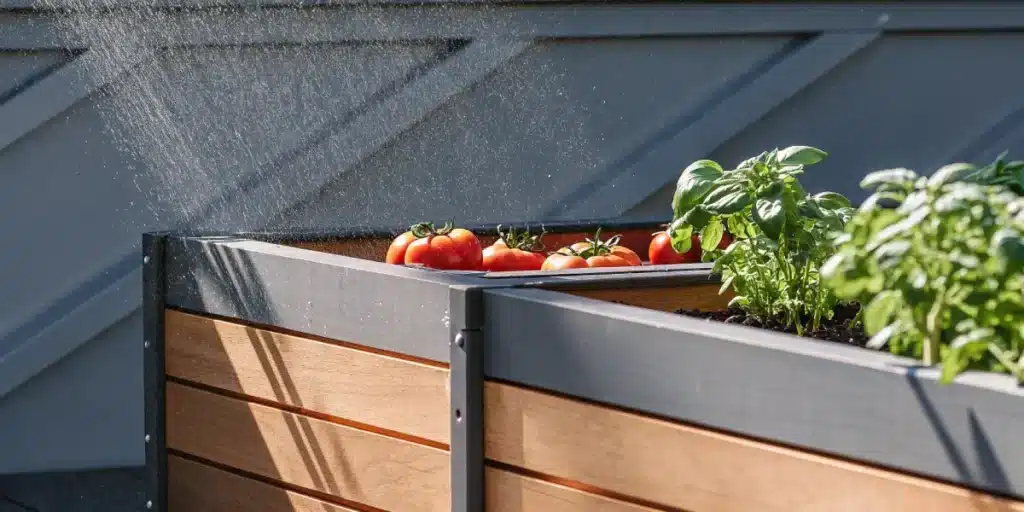
Herbs and aromatic plants are excellent companions for cannabis. Basil, for example, not only enhances the flavor of your crops but also repels aphids and spider mites. It also attracts pollinators, which can improve the overall health of your garden.
Lavender is another great choice. Its aromatic properties deter pests while attracting beneficial insects. Lavender’s calming scent can also create a pleasant environment for growers.
Companion planting and nutrient synergy are enhanced through the strategic use of herbs. For instance, rosemary can be paired with cannabis to deter pests and improve air circulation. This aromatic plant not only contributes to pest control but also supports overall plant health.
Mint is also a strong contender in companion planting. Its vigorous growth and aromatic properties can keep harmful insects at bay. By incorporating mint around your cannabis plants, you can create a protective barrier that ensures a healthier growing environment.
Vegetables and Legumes
Companion planting for vegetable gardens can be applied to cannabis growing. Tomatoes, for instance, can be grown alongside cannabis to shade the soil and retain moisture. This is particularly beneficial in hot climates.
Legumes like peas and beans are known for their nitrogen-fixing abilities. They enrich the soil, providing essential nutrients that cannabis plants need. This enhances soil fertility through companion planting.
Leafy greens such as spinach can be used as a cover crop in cannabis gardens. They not only prevent soil erosion but also offer a continuous harvest, making them practical for small gardens. This approach contributes to the overall ecosystem and promotes balanced nutrient exchange.
Radishes are another versatile companion plant. They grow quickly and can be used to break up compacted soil, improving aeration and nutrient availability. By planting radishes with cannabis, you can enhance soil structure and promote better root development.
Flowers and Ornamentals
Flowers are not just for beauty; they play a vital role in companion planting. Marigolds are famous for their pest-repelling properties. They can be planted around your cannabis crops to keep nematodes and other pests at bay.
Sunflowers are excellent for nutrient exchange. Their deep roots pull up nutrients from lower soil levels, making them available to shallower-rooted plants. This is a great way to achieve nutrient synergy in your garden.
Nasturtiums are another valuable companion plant. They attract aphids away from cannabis plants, acting as a trap crop. This natural pest control method can save you time and effort in maintaining your garden.
Zinnias can also be an excellent choice for companion planting. Their bright flowers attract beneficial insects like ladybugs and bees, promoting pollination and pest control. This natural synergy supports the health and productivity of your cannabis plants.
Calendula, known for its medicinal properties, can be planted with cannabis to enhance soil health. Its roots release compounds that promote nutrient exchange and deter harmful pests. This dual benefit makes it a strong contender for any companion planting strategy.
FAQs about companion planting and nutrient synergy
What is companion planting and how does it benefit cannabis growing?
Companion planting involves growing different plants together to enhance their growth and health. In cannabis growing, it benefits your crops by improving nutrient uptake, managing pests, and enhancing soil fertility. By selecting the right companions, you can create a balanced ecosystem that supports robust cannabis growth.
For example, planting basil alongside cannabis can deter pests and attract pollinators. This creates a healthier environment for your cannabis plants, leading to better yields and stronger plants.
Companion planting benefits for nutrient uptake are significant, as plants like clover can fix nitrogen and improve soil quality. This symbiotic relationship ensures that cannabis plants have access to essential nutrients for optimal growth, reducing the need for additional fertilizers.
By knowing the dynamics of companion planting, growers can anticipate future challenges and mitigate them naturally. This proactive approach leads to healthier plants and a more sustainable cultivation process, ultimately improving the quality and yield of cannabis crops.
How can I achieve nutrient synergy in my cannabis garden?
Nutrient synergy occurs when plants enhance each other’s nutrient uptake. To achieve this, pair your cannabis with plants that offer complementary nutrients. Legumes like peas can fix nitrogen in the soil, providing this essential nutrient to nitrogen-hungry cannabis plants.
Additionally, using deep-rooted plants like sunflowers can pull up nutrients from deeper soil layers. This makes them available to cannabis plants, promoting better growth and healthier crops.
One practical tip is to rotate plants throughout the growing season, ensuring that nutrient demands are balanced and soil fertility is maintained. This practice is a cornerstone of nutrient synergy in permaculture, promoting long-term sustainability.
Utilizing organic mulches and composting can further enhance nutrient synergy by returning essential minerals to the soil. This not only feeds the plants but also improves soil structure and microbial activity, creating a thriving environment for cannabis and its companions.
What are the best companion plants for nutrient exchange with cannabis?
Some of the best companion plants for nutrient exchange include legumes, deep-rooted flowers, and pest-repelling herbs. Legumes fix nitrogen, while sunflowers bring up nutrients from deeper soil layers. Herbs like basil and lavender can repel pests and attract beneficial insects.
These plants work together to create a thriving ecosystem in your garden. By carefully selecting companions, you can boost your cannabis yield and maintain a healthy environment for your plants.
Besides to legumes and sunflowers, garlic can be an effective companion plant. Its natural antibacterial properties help prevent soil-borne diseases, promoting healthier cannabis growth and nutrient uptake.
Consider also including dill in your companion planting strategy. Dill attracts beneficial insects such as ladybugs and parasitic wasps, which help control aphid populations naturally, thereby protecting your cannabis plants from potential infestations.
Can companion planting enhance soil fertility?
Yes, companion planting can significantly enhance soil fertility. By growing plants with complementary nutrient needs, you can create a self-sustaining environment. Legumes, for instance, enrich the soil with nitrogen, benefiting neighboring plants.
Additionally, cover crops like lettuce protect the soil from erosion and help retain moisture. This makes it easier for cannabis plants to access the nutrients they need for optimal growth.
Enhancing soil fertility through companion planting also involves the use of green manures. Plants like clover, when tilled back into the soil, decompose and release nutrients, boosting soil fertility naturally.
Another method is to use living mulches such as clover or vetch. These plants cover the soil surface, reducing evaporation and suppressing weeds, while their roots improve soil structure and nutrient availability for cannabis plants.
What are some practical examples of companion planting with cannabis?
Practical examples include pairing cannabis with basil for pest control and pollination, or planting sunflowers to improve nutrient uptake. You can also use marigolds to repel nematodes and other soil pests.
Another example is using legumes to fix nitrogen in the soil, providing essential nutrients for cannabis plants. By integrating these companion plants, you can create a more productive and sustainable garden.
Calendula can be planted around cannabis to repel a variety of pests while improving soil health. Its vibrant flowers also attract pollinators, contributing to a more biodiverse and resilient garden ecosystem.
By growing borage alongside cannabis, you can attract bees and other pollinators, enhancing the overall vitality of your garden. Borage’s deep roots also help in nutrient exchange, making it one of the best companion plants for nutrient synergy.