Expert Guide: Proven Brix Levels in Hydroponics vs Soil for Cannabis

When cultivating cannabis, whether in hydroponics or soil, knowing the significance of brix levels is essential. Brix levels indicate the sugar content in plant sap, revealing the plant’s health and nutrient intake. Knowing brix levels in hydroponics vs soil for cannabis can impact not just growth but also the flavor and potency of cannabis.
Hydroponic systems, which grow plants without soil, often show different brix readings compared to soil-grown plants. This is due to the precise control over nutrients and water in hydroponics. However, soil grows bring their own advantages, often producing richer flavors and aromas.
Recommended Strains

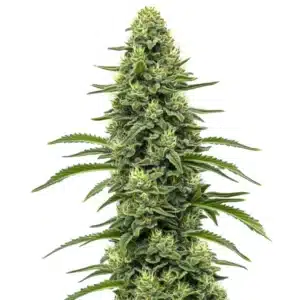
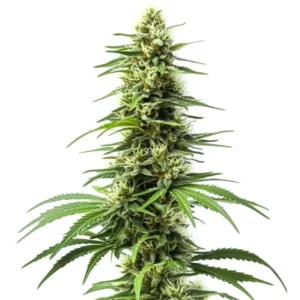
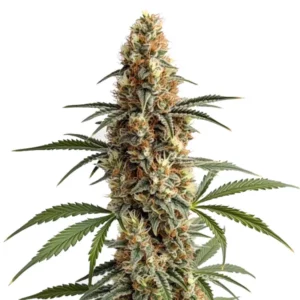
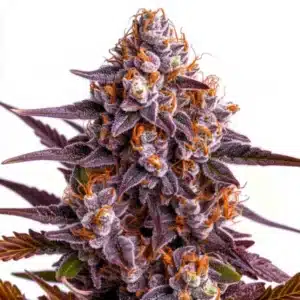
GG4

|
THC | 27% (High) |

|
Type | Feminized |

|
Yield | High |

|
Phenotype | 40% Indica / 60% Sativa |
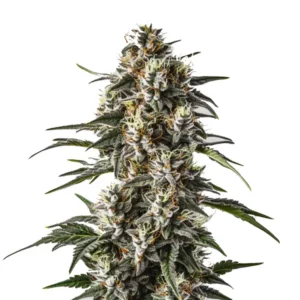
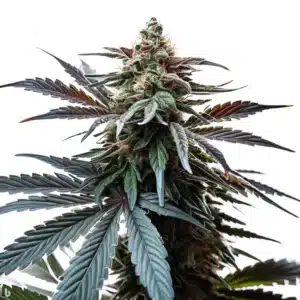
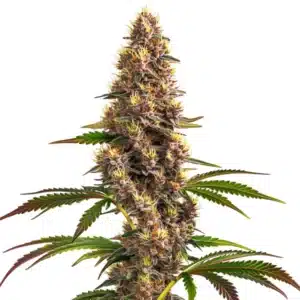
Mamba Negra
|
|
THC | 18% (Medium) |
|
|
Type | Feminized |
|
|
Yield | High |
|
|
Phenotype | 55% Indica / 45% Sativa |
For example, the Blimburn Seeds strain, “GG4,” can demonstrate varied brix results depending on whether it’s nurtured in hydroponics or soil. Each method offers unique benefits, making the choice dependent on specific cultivation goals.
Optimal Brix Levels: Cannabis Hydroponics vs Soil Comparison
Optimal brix levels in cannabis can differ significantly between hydroponic and soil systems. In hydroponics, brix levels can be boosted through precise nutrient management. Growers can adjust nutrient solutions to meet the plant’s immediate needs, often resulting in higher brix levels than soil-grown counterparts.
Soil cultivation, on the other hand, relies on the natural nutrient exchange between soil microorganisms and plant roots. This can lead to more complex terpene profiles, enhancing the cannabis flavor. While brix levels might not reach the peaks seen in hydroponics, the natural environment can yield plants with robust flavors and aromas, such as those found in Blimburn Seeds “Mamba Negra.”
The optimal brix levels for cannabis are also influenced by environmental factors such as light, temperature, and humidity. In hydroponics, these conditions are often more easily controlled, allowing for a more consistent environment that supports higher brix levels. Conversely, soil-grown cannabis may benefit from the diversity of the soil ecosystem, which can compensate for less precise environmental control.
Knowing the optimal brix levels in hydroponics vs soil for cannabis is crucial for growers aiming to maximize their crop’s quality. By tailoring their approach to the unique characteristics of their chosen growing medium, cultivators can achieve the best possible outcomes in terms of both yield and quality.
Measuring Cannabis Brix Levels in Hydroponic Systems
Measuring brix levels in hydroponics involves using a refractometer. This tool analyzes the light refracted by the plant sap to determine sugar content. Growers use this data to tweak nutrient solutions, aiming for optimal brix readings that indicate healthy, thriving plants.
In hydroponics, frequent monitoring is necessary due to the rapid changes in nutrient availability. A change in brix levels can signal the need for immediate adjustments. This precision allows for tailored nutrient delivery, enhancing plant growth and potential yield.
Regularly measuring cannabis brix levels in hydroponic systems helps growers maintain a steady overview of their plants’ health. By tracking these levels over time, growers can identify trends and patterns that might indicate underlying issues or opportunities for improvement. This proactive approach is essential for optimizing growth conditions and ensuring the highest quality produce.
Furthermore, measuring brix levels in hydroponics vs soil for cannabis provides valuable insights into how different cultivation methods impact plant health. By comparing data from both systems, growers can make informed decisions about which approach best aligns with their goals, whether it’s maximizing yield, enhancing flavor, or balancing both.
Promos & Deals

Impact of Brix Levels on Cannabis Flavor: Soil vs Hydroponics
Brix levels can significantly affect the flavor profile of cannabis. Higher brix levels generally indicate healthier plants, which often translates to more vibrant flavors. In hydroponics, the ability to control and adjust nutrients allows for the fine-tuning of these flavors.
In soil, the interaction between the plant and the complex soil ecosystem contributes to flavor development. This natural process can produce a richer taste, albeit sometimes at lower brix levels. The choice between soil and hydroponics depends on whether the priority is flavor complexity or nutrient control.
The impact of brix levels on cannabis flavor in soil vs hydroponics is a key consideration for cultivators. While hydroponic systems enable precise nutrient management that can enhance sweetness and aroma, soil-grown cannabis often benefits from a more nuanced flavor profile. This complexity is attributed to the diverse interactions within the soil ecosystem, contributing to a broader terpene spectrum.
Growers focusing on the impact of brix levels on cannabis flavor soil vs hydroponics should consider their target market and personal preferences. Connoisseurs might prefer the rich, earthy tones developed in soil, while others might appreciate the clean, potent tastes achievable through hydroponics. Knowing these distinctions is vital for making informed cultivation decisions.
Cannabis Cultivation: Brix Level Differences in Hydroponics and Soil
Cannabis cultivated in hydroponics might exhibit higher brix levels due to the controlled environment. This control can lead to a more consistent growth pattern and potentially higher yields. However, the flavor profile may differ when compared to soil-grown cannabis.
Soil cultivation presents challenges in achieving high brix levels but excels in developing complex flavors and aromas. The natural growth conditions allow for a unique expression of the plant’s genetic potential, often favored by connoisseurs.
In cannabis cultivation, brix level differences in hydroponics and soil can be influenced by several factors, including the type of nutrients used, the strain of cannabis being grown, and environmental conditions. Hydroponic systems, with their precise nutrient delivery, often lead to higher brix levels, which can enhance the plant’s vigor and yield potential.
However, soil cultivation offers its own advantages, with lower brix levels often translating into richer, more diverse flavor profiles. This complexity arises from the symbiotic relationships between soil microorganisms and plant roots, which can enhance the expression of the plant’s unique characteristics. Knowing these differences is crucial for growers aiming to optimize their cultivation outcomes.
- Hydroponics allows for precise nutrient control.
- Soil provides a natural environment enhancing flavor.
- Brix levels indicate plant health and sugar content.
- Regular monitoring is crucial in hydroponics.
- Soil cultivation can lead to complex terpene profiles.
Enhancing Cannabis Brix Levels: Soil vs Hydroponics Techniques
To enhance brix levels in hydroponics, focus on maintaining balanced nutrient solutions and consistent environmental conditions. This approach ensures plants receive exactly what they need for optimal growth and sugar production.
In soil, enhancing brix levels involves improving soil health through organic amendments, such as compost or worm castings. These additions boost microbial activity, promoting better nutrient uptake and plant health.
Enhancing cannabis brix levels in soil vs hydroponics techniques requires a tailored approach that considers the strengths and challenges of each method. In hydroponics, leveraging technology to maintain precise environmental control is key, allowing for consistent adjustments to nutrient levels and light exposure that can boost brix levels effectively.
For soil-based cultivation, the focus should be on building a robust soil ecosystem. This can be achieved through organic mulches, cover crops, and beneficial microorganisms, all of which contribute to a nutrient-rich environment that supports steady brix level increases. Each technique offers distinct pathways to improving plant health and productivity, ultimately enhancing the quality and appeal of the final product.
FAQs about brix levels in hydroponics vs soil for cannabis
What are brix levels, and why are they important?
Brix levels are a measurement of the sugar content in a plant’s sap. They indicate plant health and nutrient uptake, providing insights into overall plant vigor. High brix levels generally suggest a robust plant, capable of producing flavorful and potent buds.
For cannabis growers, monitoring brix levels can help optimize cultivation practices. By knowing the relationship between brix levels and plant health, growers can make informed decisions to enhance both yield and quality.
Brix levels in hydroponics vs soil for cannabis serve as a critical indicator of plant health, guiding growers in making adjustments that can improve crop outcomes. High brix levels are typically associated with better resistance to pests and diseases, which can translate into more successful harvests.
Knowing the importance of brix levels also empowers growers to tailor their nutrient management strategies effectively. Whether in hydroponics or soil, maintaining optimal brix levels ensures that plants are thriving, leading to enhanced flavors, aromas, and potency in the finished product.
How does hydroponics affect brix levels compared to soil?
Hydroponics often results in higher brix levels due to the controlled delivery of nutrients. This precision allows for immediate adjustments based on plant needs, promoting healthier growth and potentially greater yields.
In contrast, soil-grown cannabis may not reach the same brix levels but benefits from a natural growth environment that enhances flavor complexity. The choice between the two depends on specific cultivation goals and preferences.
Examining how hydroponics affects brix levels compared to soil reveals notable differences in cultivation dynamics. The controlled conditions of hydroponics lend themselves to rapid growth adjustments, but they may require more frequent monitoring to maintain optimal brix levels.
Meanwhile, soil cultivation’s reliance on organic processes allows for slower, more gradual changes in brix levels. This can result in a more resilient plant, able to withstand environmental stresses. Both methods have their merits, making the choice between them largely dependent on the desired outcome for flavor, yield, and plant health.
Can brix levels impact cannabis flavor?
Yes, brix levels can significantly influence cannabis flavor. Higher brix levels often correlate with improved flavor profiles, as they indicate a healthy, nutrient-rich plant. This is particularly noticeable in hydroponic systems where nutrient delivery is precise.
In soil, flavor complexity can be enhanced by the natural interactions between the plant and the soil ecosystem. Although brix levels might be lower, the depth of flavor can be greater, offering a unique sensory experience.
The impact of brix levels on cannabis flavor varies notably between hydroponics and soil. In hydroponics, the potential for higher brix levels often results in a sweeter, more pronounced flavor profile. This is achieved through meticulous control over nutrient inputs and environmental factors.
Soil-grown cannabis, while potentially exhibiting lower brix levels, benefits from a richer tapestry of flavors, thanks to the diverse microbial interactions within the soil. This depth of flavor is often preferred by those seeking a more traditional and complex cannabis tasting experience.
What is the best way to measure brix levels in cannabis?
To measure brix levels, a refractometer is commonly used. This handheld device assesses the sugar content in plant sap by measuring light refraction. Regular testing helps growers monitor plant health and make adjustments to cultivation practices as needed.
In both hydroponic and soil systems, consistent brix level measurements are crucial. They provide valuable feedback on the plant’s condition, allowing for timely interventions that can enhance growth and quality.
For accurate measurement of brix levels in hydroponics vs soil for cannabis, a refractometer remains the tool of choice. This device offers a quick and reliable method for assessing the sugar content, enabling growers to respond promptly to any fluctuations in plant health.
Maintaining precise records of brix measurements can be instrumental in identifying trends and making informed decisions about nutrient management and environmental adjustments. This practice is vital for optimizing both the yield and quality of the cannabis crop.
Are there specific strains that show different brix levels in hydroponics vs soil?
Yes, certain strains may exhibit different brix levels depending on the cultivation method. For example, the “GG4” from Blimburn Seeds might show higher brix levels in hydroponics due to the controlled nutrient delivery.
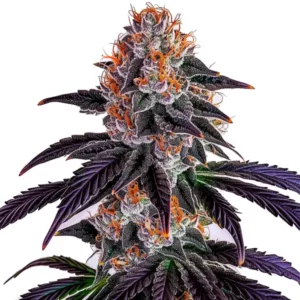
Conversely, strains like “Critical Daddy Purple” might develop more complex flavors in soil, even if brix levels are lower. Each strain responds uniquely to its growing environment, making it important to select a method that aligns with your cultivation goals.
Particular strains, such as those from Blimburn Seeds, may respond differently to brix levels in hydroponics vs soil for cannabis, highlighting the importance of knowing each strain’s specific needs and characteristics. For instance, strains known for their aromatic profiles might thrive better in soil, where the complexity of flavors can be fully developed.
Other strains might benefit from the higher brix levels achievable in hydroponics, which can enhance potency and yield. By experimenting with different strains and growing methods, cultivators can discover which combinations produce the most desirable results for their specific objectives.