Expert Guide: Monitoring Plant Stress with Brix in High Heat

Growing cannabis in high heat conditions can be challenging, as heat stress directly affects plant health and can lead to reduced yields. One effective way to manage this is monitoring plant stress with brix in high heat conditions. Brix levels indicate the sugar content in plant sap, and when plants experience stress from excessive heat, these levels often decrease, providing an early warning sign for growers to take corrective action.
Monitoring plant stress with brix in high heat conditions helps growers make informed decisions. By knwowing brix levels, you can adjust water, nutrients, and other factors to support plant health. For first-time cannabis seed buyers and seasoned growers, this technique can significantly improve crop outcomes.
Recommended Strains

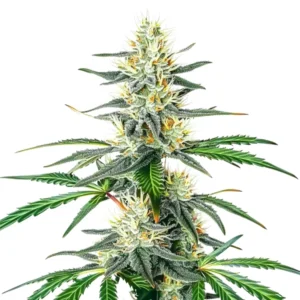
Z OG

|
THC | 16% - 20% (Medium) |

|
Type | Feminized |

|
Yield | Medium |

|
Phenotype | 75% Indica / 25% Sativa |

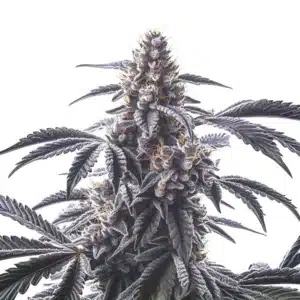
Blue Zushi
|
|
THC | 25% - 30% (High) |
|
|
Type | Feminized |
|
|
Yield | High |
|
|
Phenotype | 60% Indica / 40% Sativa |
Cannabis strains like Gelato, Zkittlez, and Blue Zushi from Blimburn Seeds are known for handling various conditions. However, even these resilient strains benefit from close monitoring. By keeping an eye on brix levels, you can ensure your plants thrive even when temperatures rise.
What is Brix and How Does It Relate to Plant Stress?
Brix is a measurement of the sugar content in plant sap. It’s a simple number that reflects the plant’s overall health. High brix levels generally indicate healthy plants, while low levels can signal stress. This makes brix a useful tool for growers.
High temperature plant stress brix levels can fluctuate. When plants are under heat stress, their metabolic processes can slow down. This results in lower brix levels. By tracking these changes, growers can identify stress early and take corrective action.
Knowing the relationship between brix levels and plant stress is crucial for effective plant management. As plants struggle in high heat, their ability to photosynthesize effectively can decline, leading to reduced sugar production. This directly affects brix readings, making them a reliable indicator of plant stress.
Incorporating brix analysis in high heat plant stress scenarios allows growers to take a strategic approach to cultivation. By regularly measuring brix, growers can detect subtle changes in plant health before they become apparent through physical symptoms. This proactive approach ensures healthier plants and better yields.
Promos & Deals



How to Measure Brix in Heat-Stressed Plants
To measure brix, you need a refractometer. This tool is easy to use and provides quick results. Start by taking a small sample of plant sap from a leaf or stem. Place the sap on the refractometer, and look through the lens to read the brix level.
Regular brix measurement for heat-stressed plants is crucial. Check your plants in the morning when they’re least stressed. This gives you a baseline to compare against later in the day. Record your readings to track changes over time.
Consistency is key when performing brix measurement for heat-stressed plants. Ensure you use the same method and time of day for each measurement to get accurate comparisons. This consistency helps in identifying patterns and making informed adjustments to your growing strategies.
For more accurate results, consider using a digital refractometer. This device provides precise readings and can help eliminate human error. By refining your brix measurement techniques, you can better manage the impact of heat on plant brix levels and make timely interventions to support your plants.
Real-Life Examples of Brix Analysis in High Heat
Let’s say you’re growing Gelato from Blimburn Seeds. You notice the leaves are drooping midday. By measuring the brix, you find the levels have dropped significantly since morning. This indicates the plant is stressed by the midday heat.
With Zkittlez, you might find that brix levels remain steady despite the heat. This could mean the plant is handling the conditions well. However, if you notice a drop, it’s a sign to increase watering or provide shade during peak sun hours.
In another scenario, you might observe that your Blue Zushi plants, while generally resilient, show a gradual decline in brix levels over several days of high heat. This pattern could suggest a cumulative stress effect, prompting you to implement cooling measures to protect the plants.
Through brix analysis in high heat plant stress situations, growers can fine-tune their cultivation practices. By comparing brix levels across different strains and conditions, you can better understand each plant’s unique needs and optimize care strategies to enhance resilience and productivity.
Practical Tips for Plant Stress Monitoring Using Brix in Heat
- Check brix levels at different times of the day for a comprehensive view.
- Maintain a log of brix readings to track trends and stress responses.
- Use shade cloths or misting systems to help manage plant temperature.
Adjusting your growing techniques based on brix levels can make a big difference. For instance, if you notice consistently low brix, it might be time to reevaluate your watering schedule or nutrient mix. Each plant is different, and brix gives you the insight to cater to those differences.
Consider experimenting with different growing mediums or techniques. For example, hydroponics might offer better control over plant conditions compared to soil. Use brix levels as a guide to see how your plants respond to these changes.
Plant stress monitoring using brix in heat requires a detailed approach. Ensure you are observing environmental factors such as humidity and wind, which can also influence plant stress. By taking a holistic view, you can better manage high temperature plant stress brix levels.
Additionally, integrating technology like automated irrigation systems can help maintain optimal plant conditions. These systems can be adjusted based on brix readings, allowing for precise control over water and nutrient delivery, ultimately enhancing plant health and yield.

Common Challenges and Solutions
One challenge with monitoring plant stress with brix in high heat conditions is accuracy. Ensure your refractometer is calibrated correctly for reliable readings. Clean the device after each use to avoid contamination.
Another issue is interpreting the data. Brix levels can be affected by various factors, not just heat. It’s important to consider other stresses like pests or nutrient deficiencies that might also impact brix. A holistic approach will provide better results.
Interpreting brix data accurately is essential for effective plant management. Consider using additional diagnostic tools, such as soil nutrient tests or pest inspections, to complement brix readings. This comprehensive assessment helps pinpoint the root causes of stress.
Another common challenge is the variability of brix levels between different plant varieties. It’s crucial to understand the typical range for your specific strains and adjust your care practices accordingly. By doing so, you ensure that your interventions are tailored to the unique needs of each plant.
FAQs about monitoring plant stress with brix in high heat conditions
Can brix levels predict plant stress in all conditions?
Brix levels are a valuable indicator of plant health, but they work best when combined with other observations. While they give insight into sugar content, they don’t directly measure other stress factors like pest infestations or nutrient deficiencies.
For the most accurate stress predictions, use brix measurements alongside other monitoring methods. Check for physical signs of stress and test soil or hydroponic solutions for pH and nutrient levels. This comprehensive approach ensures you catch all potential issues.
Monitoring plant stress with brix in high heat conditions is particularly effective when integrated with environmental monitoring tools. Devices that track temperature, humidity, and light exposure can provide valuable context for interpreting brix data.
Incorporating regular plant inspections into your routine can further enhance your knowing of plant health. Look for visual cues such as leaf color, texture, and growth patterns to supplement brix readings, providing a fuller picture of plant well-being.
How often should I measure brix in high heat conditions?
In high heat conditions, it’s advisable to measure brix levels at least twice a day. Start with a morning reading to establish a baseline and take another in the afternoon during peak heat. This helps you see how the plant is coping with temperature changes.
For even finer monitoring, consider additional readings whenever you notice signs of stress. The more data you collect, the better you can manage and adjust your growing conditions to maintain healthy plants.
Frequent brix measurement for heat-stressed plants allows for timely interventions. By identifying stress patterns early, you can implement corrective measures such as adjusting watering schedules or nutrient applications, minimizing the impact of heat on plant brix levels.
Developing a routine for brix monitoring not only aids in stress management but also enhances your knowing of plant needs over time. This knowledge is invaluable for improving cultivation techniques and maximizing crop yields.
What are the ideal brix levels for cannabis plants?
Ideal brix levels can vary depending on the cannabis strain and growing conditions. Generally, a brix level above 12 indicates healthy plants. However, some strains might thrive at slightly lower or higher levels, especially during flowering.
When growing strains like Gelato, Zkittlez, or Blue Zushi from Blimburn Seeds, use your initial readings as a guide. Monitor changes over time and adjust your care routine accordingly to maintain optimal brix levels specific to your plants.
Knowing the specific brix range for your cannabis strains helps in tailoring your cultivation practices. By aligning your care techniques with these ranges, you ensure that plants receive the optimal conditions for growth and production.
Regularly consulting with other growers and experts can provide insights into the ideal brix levels for different strains. Networking and sharing experiences contribute to a deeper understanding of plant stress monitoring using brix in heat.
Can brix levels be too high?
Yes, excessively high brix levels can indicate over-fertilization or other issues. While high brix is generally a sign of plant health, if levels are too high, it might mean the plant is accumulating sugars due to nutrient imbalances.
In such cases, reduce nutrient concentrations or check for other stress factors. Balance is key for optimal plant health, and brix levels should be monitored regularly to ensure they stay within a healthy range.
High brix levels, while often indicative of robust health, can sometimes mask underlying issues. It’s important to analyze the broader environmental and nutritional context to ensure that elevated brix levels are not a sign of potential problems.
Regular soil and nutrient solution testing can help identify any imbalances contributing to high brix levels. By addressing these issues promptly, you maintain the overall health and productivity of your plants.
How does high heat specifically affect brix levels?
High heat can cause plant metabolism to slow down, leading to lower brix levels. The plant might conserve resources to survive the stress, reducing sugar production and affecting overall health.
Monitoring plant stress with brix in high heat conditions allows you to catch these changes early. By adjusting your care routine, such as increasing watering or providing shade, you help your plants maintain stable brix levels despite the challenging environment.
The impact of heat on plant brix levels can vary depending on the severity and duration of the heat exposure. Short bursts of high temperature might cause temporary drops in brix, while prolonged heat can lead to more significant metabolic disruptions.
Implementing strategies like mulching and micro-irrigation can help mitigate the effects of heat stress. These practices help maintain soil moisture and temperature, supporting stable brix levels and overall plant health.