Expert Guide: How to Easily Identify Leaf Chlorosis in Weed

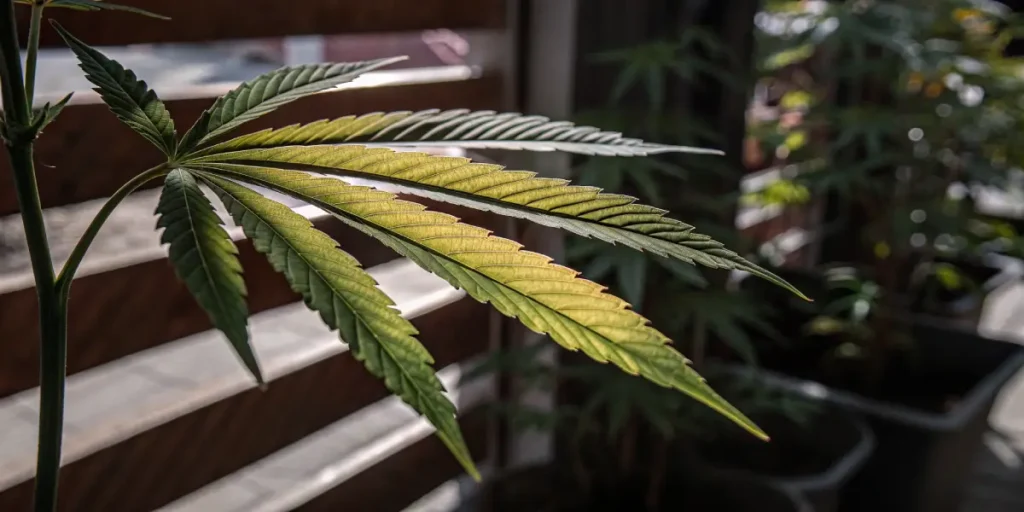
Leaf chlorosis in weed can be a daunting issue for both novice and seasoned growers. By understanding how to identify leaf chlorosis in weed, you can quickly spot and address the problem before it worsens. Leaf chlorosis is the yellowing of leaf tissue due to a lack of chlorophyll, and it can significantly affect the health of your cannabis plants if not managed properly.
Yellowing leaves in weeds are often the first sign of trouble. This discoloration can spread if the underlying issue isn’t addressed. Chlorosis might be due to nutrient deficiencies, poor soil pH, or other environmental factors. Learning how to identify leaf chlorosis in weed is crucial for maintaining healthy plants.
Recommended Strains
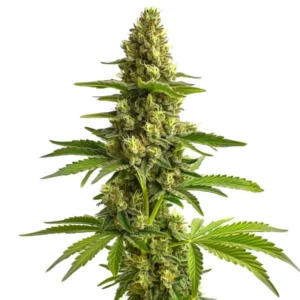
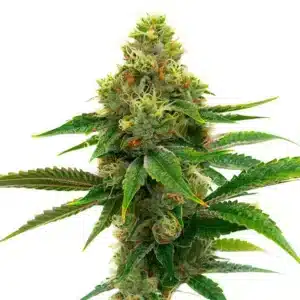
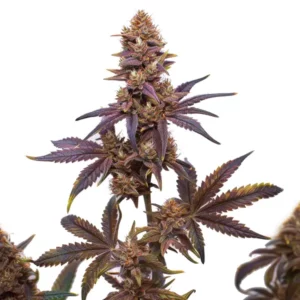
Bruce Banner #3

|
THC | 20% - 29% (High) |

|
Type | Feminized |

|
Yield | Medium |

|
Phenotype | 50% Indica / 50% Sativa |

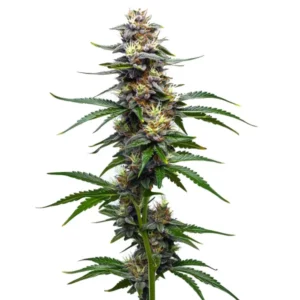
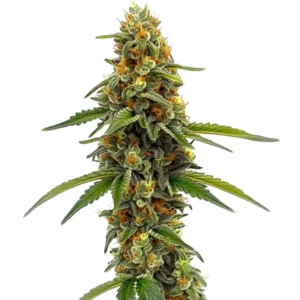
GG4
|
|
THC | 27% (High) |
|
|
Type | Feminized |
|
|
Yield | High |
|
|
Phenotype | 40% Indica / 60% Sativa |
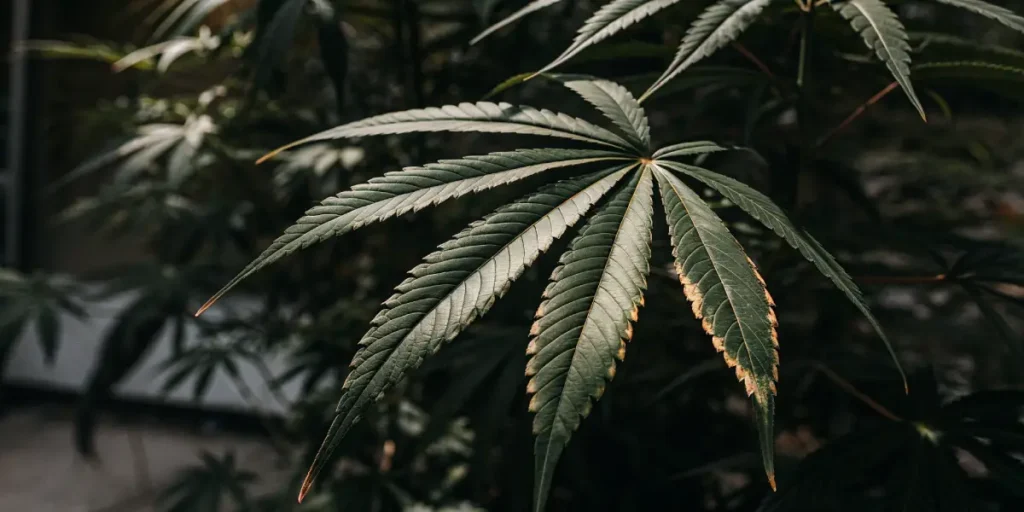
Diagnosing chlorosis symptoms in garden weeds involves a close inspection of your cannabis plants. Look for patterns in the yellowing leaves, as this can indicate specific nutrient deficiencies. For instance, a magnesium deficiency often shows yellowing between leaf veins, while an iron deficiency starts with the newest leaves.
Common Causes of Leaf Chlorosis in Weed
Nutrient deficiency is a primary cause of chlorosis. Cannabis plants require a balanced supply of macronutrients and micronutrients. When these are lacking, it can lead to yellowing leaves. Recognizing leaf discoloration in common weeds can help you apply the right nutrients to correct the problem.
Soil pH levels can also impact how well your plants absorb nutrients. If the pH is too high or too low, it can lock out essential nutrients. Checking your soil pH and adjusting it accordingly can prevent nutrient deficiencies and associated chlorosis.
Another common cause of chlorosis is compacted soil, which restricts root growth and nutrient uptake. Ensuring your growing medium has proper aeration will facilitate better root health. Additionally, using high-quality soil amendments like those recommended by Blimburn Seeds can enhance soil fertility.
In some instances, chlorosis can be triggered by the overuse of fertilizers, leading to nutrient lockout. It’s crucial to follow a balanced fertilization schedule to avoid such issues. Learning how to identify leaf chlorosis in weed helps growers recognize early signs of nutrient imbalance, while a well-structured nutrient plan, as suggested by experts from Blimburn Seeds, can aid in identifying nutrient deficiency in weed leaves and ensure optimal plant health.
Promos & Deals

Environmental Factors Influencing Chlorosis
Light, temperature, and water stress are environmental factors that can influence chlorosis. Insufficient light can hinder photosynthesis, causing yellowing leaves. Ensure your cannabis plants receive adequate light throughout their growth stages.
Temperature extremes can stress plants, making them more susceptible to chlorosis. Keeping your grow environment stable and within optimal ranges can help prevent this issue. Additionally, overwatering or underwatering can lead to root problems, affecting nutrient uptake.
Humidity levels also play a role in plant health. High humidity can foster fungal growth, while low humidity can stress plants and exacerbate chlorosis. Maintaining balanced humidity with proper ventilation is crucial in how to spot yellowing leaves in weeds.
Wind and air circulation are often overlooked but are critical in preventing chlorosis. Proper airflow helps in reducing excess moisture and preventing mold. Growers using Blimburn Seeds strains can benefit from strains that are more adaptable to varying airflow conditions.
Steps to Identify and Correct Chlorosis
Begin by closely examining the yellowing pattern to understand how to identify leaf chlorosis in weed. If all leaves are yellowing uniformly, suspect a systemic issue like poor soil conditions. For localized yellowing, check for pests or diseases. A magnifying glass can help you spot tiny insects or fungal spores early.
Once you’ve identified the cause, take corrective action. For nutrient deficiencies, amend the soil with the necessary supplements. Blimburn Seeds offers strains like GG4, known for its resilience to nutrient fluctuations.
Regularly monitor the pH of your soil and nutrient solution. Adjustments may be needed to ensure nutrients are available to your plants. This proactive approach is essential in diagnosing chlorosis symptoms in garden weeds effectively.
In some cases, pruning affected leaves may be necessary to prevent the spread of chlorosis. This practice encourages new growth and helps in detecting iron deficiency in weed leaf chlorosis more efficiently. Choosing robust strains from Blimburn Seeds can support healthier growth patterns.
Preventing Chlorosis in the Future
Prevention is always better than cure. Regularly test your soil for pH and nutrient levels. Adjust your feeding schedule based on the plant’s growth stage and strain requirements. For instance, Bruce Banner #3 from Blimburn Seeds thrives with a balanced nutrient regimen.
Maintain an optimal environment by controlling light, temperature, and humidity. This reduces stress on your plants and helps in recognizing leaf discoloration in common weeds before it becomes severe. Regularly inspect your plants as early detection can prevent widespread chlorosis.
Incorporating organic matter into your soil can improve its structure and nutrient content. This practice supports the long-term health of your plants, reducing the risk of chlorosis. The use of organic fertilizers, as recommended by Blimburn Seeds, can be beneficial.
Educate yourself on the specific needs of the cannabis strains you are growing. Each strain may have unique nutritional requirements. Strains from Blimburn Seeds come with detailed care instructions to assist growers in preventing chlorosis effectively.
FAQs about how to identify leaf chlorosis in weed
What are the first signs of chlorosis in cannabis plants?
The first signs of chlorosis in cannabis plants are typically yellowing leaves. This might start at the tips or edges and progress to the entire leaf. It’s essential to monitor these changes closely, as early detection allows for prompt intervention.
In some cases, young leaves may show yellowing first, indicating a micronutrient deficiency like iron. This helps in detecting iron deficiency in weed leaf chlorosis, which can be corrected with appropriate supplements.
Other early indicators include stunted growth and weak stems. These symptoms often accompany leaf discoloration and can be a sign of underlying stress factors. Regular plant inspections can help in how to identify leaf chlorosis in weed before it becomes severe.
Leaf curling or browning edges may also precede chlorosis. These signs could indicate environmental stressors that need to be addressed promptly. Blimburn Seeds offers guidance on identifying these early symptoms and taking corrective action.
How does soil pH affect chlorosis?
Soil pH is crucial because it affects nutrient availability. If the pH is off, even with adequate nutrients, plants may show signs of chlorosis. A pH that’s too acidic or alkaline can lock nutrients, making them unavailable to the plant.
Regular soil testing and pH adjustments can help in identifying nutrient deficiency in weed leaves. Aim for a pH range of 6.0 to 7.0 for optimal nutrient uptake in cannabis plants.
Soil pH can also influence microbial activity, which plays a role in nutrient breakdown and absorption. Maintaining an appropriate pH level supports beneficial microbes, enhancing plant health and reducing the risk of chlorosis.
Utilizing pH-balanced amendments and fertilizers, such as those recommended by Blimburn Seeds, can help maintain the right pH levels. This proactive approach is essential for how to spot yellowing leaves in weeds and sustain healthy growth.
Can overwatering cause leaf chlorosis?
Yes, overwatering can lead to leaf chlorosis by causing root oxygen deprivation. This affects the plant’s ability to take up nutrients, resulting in yellowing leaves. Ensure proper drainage and allow the soil to dry between waterings.
Overwatering signs include wilting despite wet soil. Correct watering techniques are crucial for diagnosing chlorosis symptoms in garden weeds and maintaining healthy cannabis plants.
An effective watering schedule that matches the plant’s growth stage can prevent overwatering. Monitoring soil moisture levels with moisture meters can provide accurate guidance for watering practices.
Using well-draining soil mixes and pots with adequate drainage holes can further prevent waterlogging. Blimburn Seeds strains are bred to thrive in various conditions, making them a reliable choice for growers concerned about water management.
Are certain cannabis strains more susceptible to chlorosis?
Some strains might be more resilient to environmental stressors than others. For example, the Blue Dream strain is known for its ability to withstand minor nutrient imbalances. However, sensitive strains require more precise care.
Choosing the right strain, like GG from Blimburn Seeds, can reduce the likelihood of chlorosis. These strains are bred for robustness and adaptability under various conditions.
Genetic factors play a significant role in a strain’s susceptibility to chlorosis. Knowing these traits allows growers to select strains that match their growing environment and management style.
Blimburn Seeds offers a variety of strains tailored to different growing conditions, providing options for both novice and experienced growers. Their expertise in strain development ensures a high success rate in preventing chlorosis.
How can I prevent chlorosis in my cannabis garden?
Preventing chlorosis involves maintaining a balanced environment. Regularly test soil pH and nutrient levels, and adjust your feeding schedule based on the plant’s needs. Provide adequate light and avoid temperature extremes.
Use strains like Bruce Banner from Blimburn Seeds, known for their resilience, to reduce the risk of chlorosis. Regular observation and prompt action are key to keeping your cannabis garden thriving.
Incorporating crop rotation and companion planting strategies can enhance soil health and prevent nutrient depletion. This holistic approach minimizes the risk of chlorosis and supports sustainable gardening practices.
Education on seasonal adjustments and plant requirements is crucial for preventing chlorosis. Resources and grower guides from Blimburn Seeds can assist in developing effective prevention strategies tailored to specific strains and conditions.