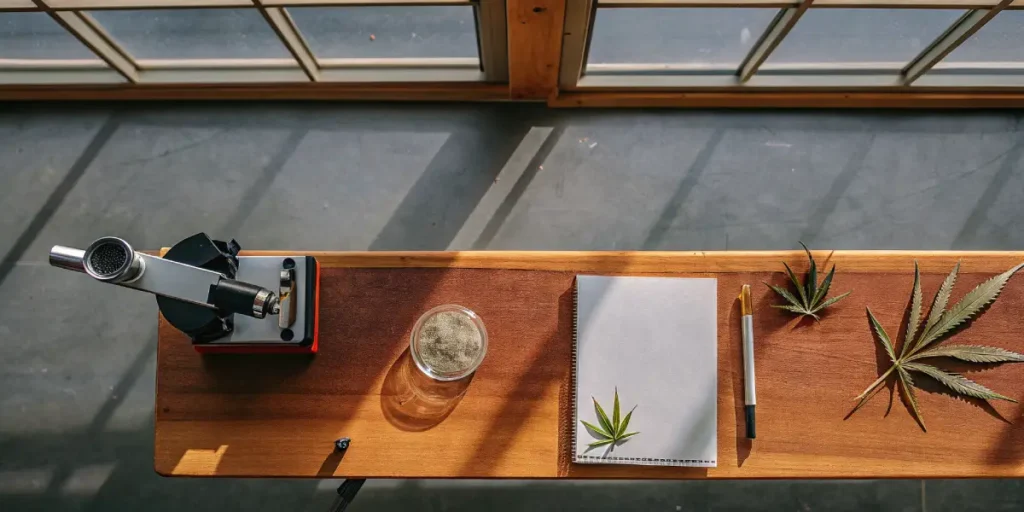
Expert Guide: How Refractometers Measure Plant Health in Cannabis

Refractometers are handy tools that help you gauge the health of your cannabis plants. They provide insights into the plant’s sugar content, which is a vital indicator of overall health. If you’re a cannabis grower, knowing how refractometers measure plant health in cannabis can give you a significant edge. By checking the Brix levels, you can determine if your plants are thriving or need some attention.
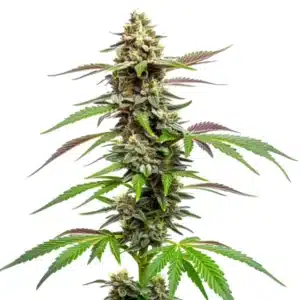
Imagine you’re growing some Northern Lights from Blimburn Seeds. You want to ensure your plants reach their full potential. Using a refractometer, you can measure the Brix levels—the sugar content in the plant sap. High Brix levels often mean your plants are absorbing nutrients well, which is crucial for healthy, robust growth.
Recommended Strains
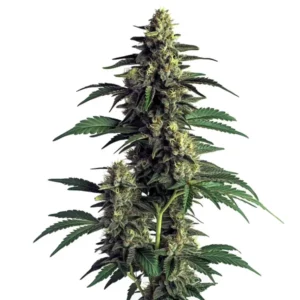
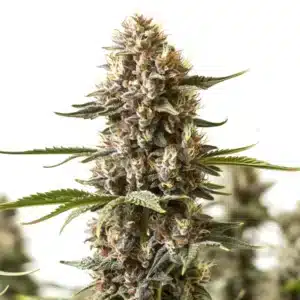
Northern Lights

|
THC | 17% (Medium) |

|
Type | Feminized |

|
Yield | Medium |

|
Phenotype | 90% Indica / 10% Sativa |
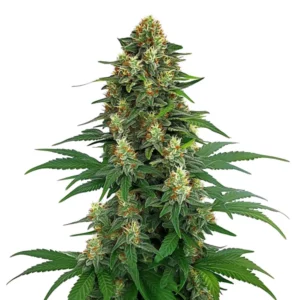
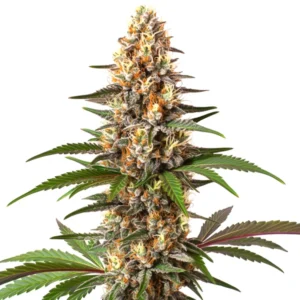
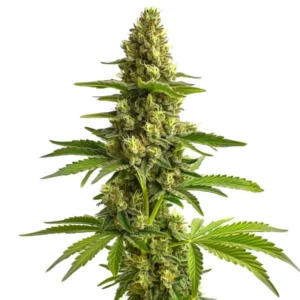
Tangie
|
|
THC | 19% - 22% (Medium) |
|
|
Type | Feminized |
|
|
Yield | High |
|
|
Phenotype | 30% Indica / 70% Sativa |
Now, you might wonder how refractometers work in cannabis cultivation. It’s pretty straightforward. These devices measure how light bends as it passes through the plant sap. The degree of bending, or refraction, indicates sugar levels. High sugar levels usually point to vigorous plant health and strong defense mechanisms against pests and diseases.
Refractometers: A Closer Look
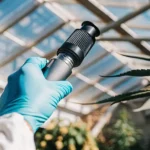
Refractometers come in various forms, but digital and analog are the most common. Analog refractometers require you to look through an eyepiece, while digital ones provide a digital reading. Both types can effectively measure plant health in cannabis, but digital refractometers are often easier to read.
When assessing cannabis plant health with refractometers, you’ll typically work with plant sap. To extract the sap, gently crush a leaf, and collect the liquid. Place a few drops on the refractometer lens and close the cover. This method works well for strains like Tangie, which you can also get from Blimburn Seeds.
Refractometer cannabis plant health measurement becomes more manageable with a clear knowing of your tools. Analog refractometers are durable and simple, making them a favorite among traditionalists. On the other hand, digital refractometers provide a more straightforward reading, which can be particularly beneficial for those new to using these devices.
Incorporating refractometer use in monitoring cannabis plant vitality into your daily routine can offer substantial benefits. It’s a proactive approach, allowing you to quickly identify and correct any potential issues. By keeping a regular check on your plants’ Brix levels, you’ll be able to maintain their health and maximize their yield potential effortlessly.
Promos & Deals

The Science Behind Refractometers
Refractometers measure light refraction, which happens when light passes through different materials. In the case of cannabis plants, the sap’s sugar content affects how much the light bends. The refractometer captures this bending and translates it into a Brix reading, which tells you the sugar concentration.
Using refractometers in monitoring cannabis plant vitality is a game-changer. High Brix levels often correlate with better nutrient uptake and stronger resistance to environmental stresses. For example, plants with higher sugar levels may fend off pests like aphids more effectively.
Knowing how refractometers measure plant health in cannabis requires a grasp of light refraction principles. As light passes through the plant sap, the sugar concentration alters its path. This bending is then measured and displayed as a Brix level, providing a quantitative insight into the plant’s health.
The science behind how refractometers work in cannabis cultivation is rooted in physics and plant biology. By correlating the degree of light refraction with sugar content, growers can gain an accurate picture of their plants’ overall health. This scientific approach empowers growers to make informed decisions that optimize plant care and maximize yields.
Practical Applications of Refractometers in Cannabis Cultivation
Refractometers are not just for scientists. They are practical tools for everyday cannabis growers. By using them, you can quickly assess whether your plants are healthy or if adjustments are needed. This can be especially useful during different growth stages, from seedling to flowering.
For instance, if you’re growing a strain like Blue Dream from Blimburn Seeds, you might notice a change in Brix levels during the flowering stage. Higher Brix levels often mean the plant is ready to produce resin-rich buds. If levels drop, it might be time to reassess your nutrient mix.
Assessing cannabis plant health with refractometers can lead to more precise cultivation methods. By establishing a baseline Brix level for each growth stage, you can detect deviations and respond accordingly. This proactive management ensures that your plants receive optimal care tailored to their developmental needs.
Measuring cannabis plant Brix levels with refractometers also aids in fine-tuning environmental conditions. By observing how different factors such as light, temperature, and humidity affect Brix readings, you can adjust your growing environment to better support plant health. This adaptability is key to thriving cannabis cultivation.

How to Use a Refractometer for Cannabis
Using a refractometer is simple. First, make sure your device is calibrated using distilled water. This ensures accurate readings. Next, take a fresh leaf from your cannabis plant, and gently crush it to extract the sap.
Place a few drops of sap onto the refractometer lens. Close the cover and look through the eyepiece or check the digital display. You’ll see a scale indicating the Brix level. Record this number as it represents the sugar content in your plant’s sap.
Consistency in refractometer use in monitoring cannabis plant vitality is crucial. By taking measurements at the same time each day, you can observe trends in Brix levels that indicate changes in plant health. This regular monitoring allows you to intervene promptly, ensuring your plants remain in peak condition.
For those growing strains from Blimburn Seeds, such as Northern Lights, using a refractometer can be particularly beneficial. Regular Brix readings help optimize nutrient regimens and environmental conditions, aligning with the specific needs of each strain. This targeted approach enhances both the quality and quantity of your cannabis harvest.
- Refractometers help monitor sugar levels in plants.
- High Brix levels indicate strong plant health.
- Regular monitoring can improve yield and quality.
- Use refractometers for data-driven cultivation.
- Works well with strains like Northern Lights, Tangie, and GG4.
FAQs about how refractometers measure plant health in cannabis
What is a refractometer, and how does it work?
A refractometer is a tool used to measure the sugar content in plant sap. It works by gauging how much light bends, or refracts, as it passes through the sap. This refraction indicates the Brix level, which is an indicator of the plant’s sugar concentration and overall health.
In cannabis cultivation, refractometers are essential for monitoring plant health. They help growers assess if their plants are absorbing nutrients effectively. This insight can lead to adjustments in growing conditions or nutrient solutions to enhance plant vitality and yields.
Refractometer cannabis plant health measurement offers an easy way to quantify your plants’ nutritional status. By providing tangible data on sugar levels, refractometers enable growers to tailor their care strategies, ensuring that plants receive the right balance of nutrients for optimal growth.
The simplicity of how refractometers work in cannabis cultivation belies their effectiveness. With just a few drops of sap, you can unlock valuable insights into your plants’ health, allowing you to make data-driven decisions that promote vigorous growth and high-quality yields.
Why is measuring Brix levels important for cannabis plants?
Brix levels reflect the sugar content in plant sap, a key indicator of health. High Brix levels generally mean the plant is absorbing nutrients well, leading to robust growth and better resistance to pests and diseases. This makes measuring Brix levels crucial for maintaining healthy cannabis plants.
For growers of strains like Blue Dream from Blimburn Seeds, monitoring Brix levels can help optimize growing conditions. By keeping Brix levels high, you ensure the plants are thriving, which is essential for producing high-quality cannabis with strong potency and flavor profiles.
Measuring cannabis plant Brix levels with refractometers provides a snapshot of your plants’ vitality. A higher Brix level is often synonymous with better nutrient absorption and enhanced photosynthesis, both of which are essential for the development of resin-rich, potent buds.
Incorporating refractometer use in monitoring cannabis plant vitality into your growing routine can significantly impact your harvest. By tracking Brix levels throughout the growth cycle, you can ensure that your plants consistently receive the nutrients they need to produce high-quality cannabis.
How often should I use a refractometer on my cannabis plants?
It’s advisable to check Brix levels regularly, at least once a week. Regular monitoring allows you to track changes in plant health and make timely adjustments to your growing strategy. Consistency is key to knowing how refractometers measure plant health in cannabis.
For those growing strains like GG4 from Blimburn Seeds, frequent Brix measurements can ensure that plants are on the right track. By doing so, you can optimize your cultivation practices, leading to better yields and healthier plants.
Consistent refractometer use in monitoring cannabis plant vitality is vital for maintaining optimal plant health. By establishing a regular measurement schedule, you can detect trends and identify potential issues before they become problematic, ensuring a successful cultivation cycle.
Incorporating regular Brix level assessments into your routine not only promotes healthier plants but also enhances your knowing of how different factors impact plant growth. This knowledge empowers you to refine your cultivation techniques, yielding better results over time.
Can refractometers be used on all cannabis strains?
Yes, refractometers can be used on any cannabis strain. They provide valuable insights into plant health regardless of the strain. Whether you’re growing Northern Lights, Tangie, or any other strain from Blimburn Seeds, refractometers can help you maintain optimal plant health.
Different strains might have varying optimal Brix levels. However, the principle remains the same higher Brix levels generally indicate healthier plants. By using a refractometer, you can tailor your cultivation practices to suit the specific needs of each strain.
Refractometer cannabis plant health measurement is versatile and applicable to any strain. This adaptability allows growers to monitor and support the health of diverse cannabis varieties, ensuring that each strain achieves its full potential in terms of yield and quality.
Knowing how refractometers work in cannabis cultivation across various strains helps you adapt your growing strategies accordingly. By recognizing the unique requirements of each strain, you can optimize your cultivation practices to enhance the specific characteristics of your chosen varieties.
What are some tips for getting accurate readings with a refractometer?
First, ensure your refractometer is correctly calibrated using distilled water. Calibration is crucial for accurate readings. Also, take measurements at the same time of day to maintain consistency. This helps in accurately tracking changes in plant health over time.
When extracting sap, use fresh leaves and ensure that the refractometer lens is clean. Any residue can affect the accuracy of the reading. By following these tips, you can effectively use refractometers in monitoring cannabis plant vitality and make informed decisions about your growing practices.
Achieving precise refractometer cannabis plant health measurement depends on careful preparation and technique. Always use clean equipment and fresh sap, as contaminants can skew readings and lead to incorrect assessments of plant health.
Consistency in how refractometers measure plant health in cannabis is key. By maintaining regular measurement habits and ensuring your equipment is well-maintained, you can trust the data you collect and use it to guide your cultivation decisions effectively.