Expert Guide: How Nutrient Interactions Affect Cannabis Growth

When it comes to cultivating cannabis, nutrient interactions play a pivotal role in determining not only the plant’s health but also its overall yield. If you’re diving into the world of cannabis cultivation, or even if you’re a seasoned grower, knowing how nutrient interactions affect cannabis growth is crucial.
Imagine your cannabis plant as a gourmet chef. It needs the right ingredients in the right amounts to whip up a masterpiece. Just like salt and sugar can make or break a dish, the balance of nutrients can significantly impact your cannabis plants. This includes both macronutrients, like nitrogen and potassium, and micronutrients, such as zinc and iron.
Recommended Strains

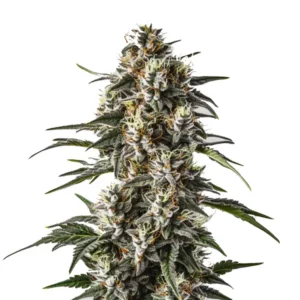
Bruce Banner #3

|
THC | 20% - 29% (High) |

|
Type | Feminized |

|
Yield | Medium |

|
Phenotype | 50% Indica / 50% Sativa |

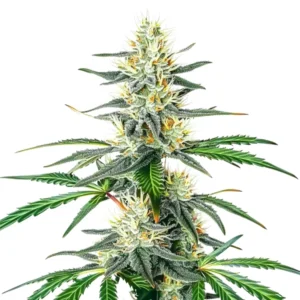
Blue Dream
|
|
THC | 17% - 24% (Medium) |
|
|
Type | Feminized |
|
|
Yield | High |
|
|
Phenotype | 50% Indica / 50% Sativa |
One of the first things you’ll notice is the vibrant green leaves of a healthy cannabis plant. This is often due to the right nutrient ratios. When nutrients interact synergistically, they can enhance growth and development. But, an imbalance, like too much nitrogen, can lead to issues like nutrient burn, affecting growth and yield.
Nutrient Interactions Impact on Cannabis Yield
The yield of your cannabis crop is not just about quantity but quality. To achieve both, knowing nutrient interactions is key. For instance, phosphorus and potassium are crucial during the flowering stage. They help in bud development, leading to denser flowers and higher yields.
For a practical example, consider the strain Bruce Banner #3 from Blimburn Seeds. This strain is known for its potent yield and requires a precise nutrient balance to maximize its potential. By ensuring the right nutrient interactions, growers can achieve the full potential of this strain.
Moreover, nutrient interactions impact on cannabis yield by influencing not just the size but also the potency and aroma of the buds. The right mix of macronutrients and micronutrients can enhance terpene production, contributing to the plant’s distinctive scent and flavor profile. A balanced nutrient regime can also improve the concentration of cannabinoids, resulting in a more potent product.
Environment also plays a crucial role in how nutrient interactions affect cannabis growth. Factors such as humidity, light, and airflow can all alter how nutrients are absorbed and utilized by the plant. By optimizing these environmental conditions alongside nutrient management, growers can further increase the yield and quality of their cannabis crops.
- Phosphorus and potassium are crucial during flowering.
- Nitrogen is important during vegetative growth.
- Calcium and magnesium support strong cell walls and chlorophyll production.
Promos & Deals




Micronutrient Balance in Cannabis Cultivation
Micronutrients, although needed in smaller quantities, are no less important than their macro counterparts. Zinc, manganese, and iron, for instance, are vital for various biochemical processes within the plant. These elements ensure that the plant’s metabolism runs smoothly, impacting growth and health.
A good example of the importance of micronutrients is evident in the cultivation of the Tangie strain from Blimburn Seeds. This strain flourishes when micronutrient balance is maintained, leading to robust growth and flavorful buds.
Ensuring the proper micronutrient balance in cannabis cultivation can prevent common issues like leaf chlorosis and poor root development. Each micronutrient plays a distinct role; for example, zinc is crucial for enzyme function, while iron is vital for chlorophyll synthesis. An imbalance can disrupt these processes, leading to suboptimal growth.
Furthermore, soil composition and pH levels can significantly affect the availability of micronutrients, emphasizing the importance of regular soil testing. By maintaining optimal soil conditions, growers can ensure that micronutrients remain available for plant uptake, contributing to healthy and vigorous cannabis growth.
- Zinc deficiency leads to leaf discoloration.
- Excess manganese causes nutrient lockout.
- Iron is crucial for chlorophyll production.
The Function of Nutrient Ratios in Cannabis Plant Health
Healthy cannabis plants are all about balance. The ratios of nutrients, rather than just their presence, play a critical role. Nutrient ratios are like the harmony in music; when off-key, everything falls apart. In cannabis, the right ratios can mean the difference between a thriving plant and one that’s struggling.
Let’s take a look at the Blue Dream strain from Blimburn Seeds. Known for its balanced effects, it also requires a balanced nutrient ratio for optimal growth. Too much nitrogen during flowering can inhibit the plant’s ability to uptake phosphorus, affecting bud development.
The role of nutrient ratios in cannabis plant health also extends to the prevention of nutrient antagonism, where an excess of one nutrient inhibits the uptake of another. This is especially important for maintaining the delicate balance required during different growth stages. Adjusting nutrient ratios according to the plant’s life cycle helps in maximizing nutrient uptake efficiency.
Besides to preventing antagonism, proper nutrient ratios can enhance the plant’s resilience against pests and diseases. A well-nourished plant with the correct nutrient balance is better equipped to withstand environmental stresses, leading to stronger and more productive cannabis plants.
- Adjust nutrient ratios based on growth stage.
- Regular testing helps maintain balance.
- Prevent nutrient lockout with proper management.

Effects of Nutrient Synergy on Cannabis Development
Nutrient synergy is the process where nutrients work together to enhance cannabis growth. When nutrients like calcium and magnesium are in sync, they support strong plant structures and efficient photosynthesis. This synergy is crucial for robust cannabis development.
For example, during the vegetative stage, the synergy between nitrogen and potassium supports lush leaf growth and prepares the plant for a successful transition to the flowering phase. Ensuring these nutrients are in harmony can lead to healthier plants and better yields.
The effects of nutrient synergy on cannabis development are profound, particularly in how they influence the plant’s ability to produce secondary metabolites like cannabinoids and terpenes. A synergistic nutrient environment ensures that the plant’s biochemical pathways operate efficiently, leading to higher quality and more potent buds.
Moreover, nutrient synergy can enhance the plant’s overall vigor, making it more resistant to environmental stressors such as drought or temperature fluctuations. By fostering the right nutrient interactions, growers can cultivate cannabis plants that not only yield better but also exhibit improved resilience and longevity.
Cannabis Growth Influenced by Nutrient Availability
Nutrient availability is foundational for cannabis growth. It’s not just about having nutrients present but ensuring they are available for uptake by the plant’s roots. Several factors affect nutrient availability, including soil pH, temperature, and water quality.
The pH level of your growing medium is crucial. If it’s too high or too low, certain nutrients become unavailable, causing deficiencies. For instance, a pH that’s too acidic can lock out calcium, leading to weak plant structures.
Temperature plays a significant role in how nutrient interactions affect cannabis growth. Cold temperatures can slow down the plant’s metabolism, reducing nutrient uptake and potentially leading to deficiencies. Conversely, overly high temperatures can cause nutrient evaporation, disrupting the delicate balance required for optimal growth.
Water quality is another critical factor influencing nutrient availability. Contaminants or an imbalance in mineral content can interfere with nutrient absorption, underscoring the importance of using clean, balanced water sources. By ensuring optimal conditions for nutrient availability, growers can support robust cannabis growth and maximize their crop’s potential.

FAQs About Nutrient Interactions in Cannabis Growth
How do nutrient interactions affect cannabis growth?
Nutrient interactions affect cannabis growth by determining how well nutrients are absorbed and utilized by the plant. A harmonious balance allows for optimal growth and yield, while imbalances can lead to deficiencies or toxicities. These interactions ensure that the plant’s metabolic processes function efficiently, leading to healthy development.
For example, the interaction between phosphorus and potassium is crucial during the flowering stage. A balanced interaction supports bud growth and overall plant health. Conversely, too much nitrogen can hinder this process, impacting the yield and quality of the cannabis harvest.
Knowing how nutrient interactions affect cannabis growth is essential for achieving the right balance between growth and defense mechanisms. A well-balanced nutrient profile not only promotes vigorous growth but also enhances the plant’s natural ability to resist pests and diseases, contributing to a healthier and more productive crop.
A comprehensive approach to managing nutrient interactions involves regular monitoring and adjustments based on the plant’s developmental stage and environmental conditions. By maintaining this balance, growers can optimize their cannabis yields and ensure high-quality produce.
What is the impact of micronutrient balance in cannabis cultivation?
Micronutrient balance in cannabis cultivation plays a vital role in the plant’s growth and development. Micronutrients, though required in smaller amounts, are essential for various physiological and biochemical processes. They aid in chlorophyll production, enzyme function, and overall plant metabolism.
Without the proper balance, cannabis plants can exhibit signs of deficiency, such as leaf yellowing or stunted growth. Maintaining a balanced mix of micronutrients ensures that the plants remain vigorous, leading to improved yields and quality of the final product.
The impact of micronutrient balance in cannabis cultivation extends to the plant’s resilience against environmental stresses. Adequate levels of micronutrients can enhance the plant’s ability to withstand adverse conditions such as drought or nutrient-poor soil, ensuring continuous healthy growth.
Furthermore, a well-maintained micronutrient balance can lead to an increase in the production of secondary metabolites, enhancing the flavor, aroma, and potency of the cannabis. This highlights the importance of meticulous nutrient management for achieving superior crop quality.
Why are nutrient ratios important in cannabis plant health?
Nutrient ratios are important in cannabis plant health because they dictate the balance of nutrients available for uptake. The right ratios ensure that nutrients complement each other, preventing lockouts and deficiencies. For instance, a balanced nitrogen-to-potassium ratio is crucial during the vegetative stage.
Imbalanced nutrient ratios can cause issues such as nutrient burn or lockout, where plants cannot absorb essential nutrients. By maintaining proper ratios, growers can ensure their cannabis plants thrive, leading to healthier growth and better yields.
Incorporating the role of nutrient ratios in cannabis plant health into cultivation practices involves constant monitoring and adjustments based on plant needs and environmental conditions. This proactive approach helps prevent common nutrient-related issues and promotes optimal growth and productivity.
The significance of nutrient ratios also lies in their ability to enhance the plant’s overall vigor and resistance to pests and diseases. By maintaining a balanced nutrient profile, growers can ensure that their cannabis plants remain robust and high-yielding throughout their life cycle.
How does nutrient synergy enhance cannabis development?
Nutrient synergy enhances cannabis development by allowing nutrients to work together effectively, supporting growth and resilience. When nutrients like calcium and magnesium are in sync, they promote strong cell structures and efficient photosynthesis, crucial for robust plant development.
This synergy is vital during various growth stages. In the vegetative phase, the synergy between nitrogen and potassium supports leaf growth. During flowering, phosphorus and potassium work together to produce denser buds. Such interactions ensure the plant’s developmental processes are optimized.
The effects of nutrient synergy on cannabis development are evident in the plant’s ability to produce high-quality buds with enhanced cannabinoid and terpene profiles. This is particularly important for growers seeking to maximize both the yield and the quality of their crop.
Fostering nutrient synergy also contributes to the plant’s resilience against environmental challenges. A well-synchronized nutrient regime enables the plant to better cope with stressors such as temperature fluctuations or pest infestations, ensuring healthy and consistent growth.
What factors influence nutrient availability for cannabis growth?
Nutrient availability for cannabis growth is influenced by several factors, including soil pH, temperature, and water quality. These factors affect how well nutrients are absorbed by the plant’s roots, impacting overall growth and health.
Soil pH is particularly crucial; if it’s too acidic or alkaline, certain nutrients become unavailable, leading to deficiencies. Temperature fluctuations can also impact root activity and nutrient uptake. By monitoring these factors, growers can ensure their cannabis plants receive the nutrients they need.
The influence of nutrient availability on cannabis growth can also be seen in the plant’s overall vigor and resistance to stress. Adequate nutrient availability enhances the plant’s ability to produce secondary metabolites, which contribute to its flavor, aroma, and potency, highlighting the importance of maintaining optimal growing conditions.
Additionally, nutrient availability is affected by the type of growing medium and cultivation techniques employed. Hydroponic systems, for example, require precise nutrient management to ensure that nutrients remain available for plant uptake. By optimizing these conditions, growers can support robust and healthy cannabis growth.