Expert Guide: Easy Early Detection of Mold in Cannabis Plants

Keeping your cannabis plants free from mold is crucial for a healthy yield. Early detection of mold in cannabis plants can save you time, money, and effort. Mold not only affects the quality but can also ruin your entire crop if not caught early. Spotting the signs early can prevent this disaster.
One common early sign of mold in cannabis cultivation is powdery mildew. This looks like a dusting of flour on leaves. Catching it at this stage is key. Other signs include yellowing leaves and a musty odor. These indicators should prompt immediate action.
Recommended Strains

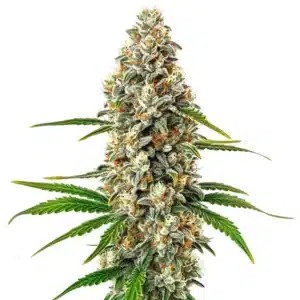
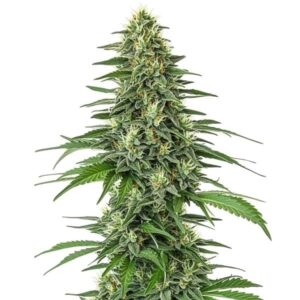
GG4

|
THC | 27% (High) |

|
Type | Feminized |

|
Yield | High |

|
Phenotype | 40% Indica / 60% Sativa |

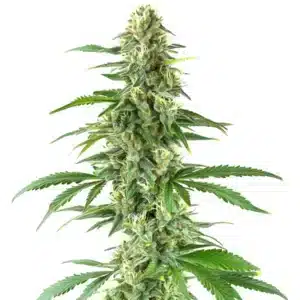
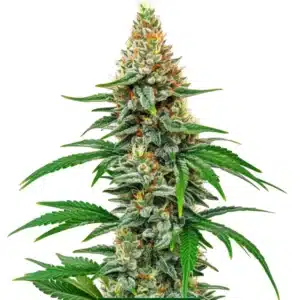
Fat Bastard
|
|
THC | 30% - 38% (High) |
|
|
Type | Feminized |
|
|
Yield | High |
|
|
Phenotype | 50% Indica / 50% Sativa |
To spot mold on cannabis plants early, regular inspection is vital. Look under leaves and around the stems for any unusual spots or colors. Mold detection methods for cannabis growers often involve looking for white, gray, or black spots that could indicate mold presence.
Recognizing Early Signs of Mold in Cannabis Cultivation
First-time growers might find it challenging to identify mold. However, with practice, it becomes easier. Early signs of mold in cannabis cultivation include discolored patches on the leaves and stems. These areas may appear white, gray, or even black.
Another sign is a change in the plant’s smell. A healthy cannabis plant smells fresh and earthy. If you notice a musty, damp odor, it could be an indication of mold. Regularly checking your plants’ smell can be an effective mold detection method.
Beyond visual and olfactory signs, the texture of the leaves can also provide clues. Healthy leaves are typically smooth and firm, while mold-affected leaves may feel soft or mushy. This textural change can often hint at underlying mold issues.
Besides to regular checks, documenting changes with photos can help track the progress of any suspected mold issues. This visual record allows growers to compare the plant’s condition over time, aiding in early detection of mold in cannabis plants.
Promos & Deals
Cannabis Mold Prevention Techniques
Prevention is better than cure when it comes to mold. One effective cannabis mold prevention technique is to control humidity levels. Mold thrives in damp environments, so keeping your grow area dry is essential.
Good air circulation also helps. Use fans to keep the air moving around your plants. This reduces the chance of mold spores settling on your plants. Proper spacing between plants can also prevent overcrowding, which can lead to mold growth.
Incorporating silica supplements into your plant care routine can strengthen the plant’s cell walls, making them more resistant to mold. These supplements are an excellent addition to your cannabis mold prevention techniques.
Moreover, rotating your plants regularly can ensure even exposure to light and air, minimizing the risk of mold-friendly microenvironments developing. This simple practice can be a vital part of how to spot mold on cannabis plants early.
How to Spot Mold on Cannabis Plants Early
Regular inspection is your first line of defense. Check your plants daily. Look for early signs of discoloration or unusual textures on leaves and stems. Pay close attention to the undersides of leaves where mold often starts.
Using a magnifying glass can help you see the smaller details. Sometimes, mold appears as tiny spots that are hard to notice with the naked eye. A magnifying glass can help you spot these early signs of mold in cannabis cultivation.
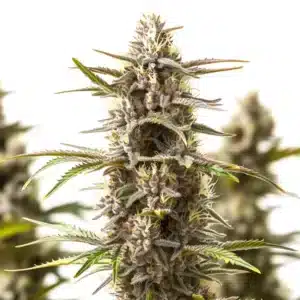
If you’re growing strains like GG4 from Blimburn Seeds, which are known for dense buds, be extra vigilant. These strains can be more prone to mold because of their structure. Regular checks and maintaining a good environment are crucial.
Training your plants to spread their branches can also enhance air circulation, making it harder for mold to take hold. This method, combined with consistent inspections, is key in early detection of mold in cannabis plants.
Identifying Mold in Marijuana Plants
Identifying mold in marijuana plants can be daunting if you don’t know what to look for. One effective method is to use a handheld microscope. This tool allows you to see mold spores that are invisible to the naked eye.
Another practical method is to gently shake your plant. If you see a cloud of powdery spores, it’s a strong indicator of mold. This simple technique can help in the early detection of mold in cannabis plants.
Educating yourself about the different types of mold that affect cannabis can also aid identification. Common culprits include botrytis and powdery mildew, each with distinct characteristics. Recognizing these can enhance your mold detection methods for cannabis growers.
Additionally, keeping a log of environmental conditions such as temperature and humidity levels can help identify patterns that coincide with mold outbreaks, aiding in preventive measures.
Effective Mold Detection Methods for Cannabis Growers
Using technology can aid in mold detection. Digital hygrometers measure humidity levels. Keeping levels below 50% can prevent mold formation. These tools are an excellent investment for serious growers.
Growers might also consider using a dehumidifier in their growing area. This can significantly reduce the chances of mold. Ensuring your grow space has the right conditions is a proactive step in preventing mold.
Investing in smart environmental controllers can automate the adjustment of humidity and temperature, providing a controlled environment that is less conducive to mold growth. These systems can give you peace of mind by maintaining ideal conditions around the clock.
Another advanced option is the use of UV-C light technology, which can help sterilize the air and surfaces, reducing the presence of mold spores. While a more significant investment, it’s a powerful tool for serious cannabis growers.
FAQs about early detection of mold in cannabis plants
What are the first signs of mold on cannabis plants?
The first signs of mold include discolored patches on leaves or stems and a musty smell. These early indications should not be ignored as they can quickly lead to more serious issues. Regularly inspecting your plants can help catch these signs early.
Using a magnifying glass can help detect mold spores that might not be visible otherwise. Look for white, gray, or black spots. Acting on these early signs can prevent a mold outbreak from spreading.
It’s also beneficial to familiarize yourself with the growth patterns of your cannabis strain. Sudden deviations from these patterns can be a red flag for mold-related problems.
Regularly checking the moisture content of your growing medium can also provide early warnings. Excess moisture can lead to mold-friendly conditions, so keeping an eye on this is crucial.
How can I prevent mold in my cannabis grow room?
Controlling humidity is crucial. Use a hygrometer to monitor levels, keeping them below 50%. A dehumidifier can also help maintain optimal conditions. Good air circulation is equally important, so consider using fans.
Spacing your plants properly and ensuring adequate light can also prevent mold. Overcrowding can create damp spots, which are ideal for mold growth. Regularly check your plants and adjust conditions as necessary.
Incorporating regular cleaning routines for your grow room can also prevent mold. Disinfecting surfaces and equipment minimizes the risk of mold spores contaminating your plants.
Additionally, selecting strains with natural mold resistance from Blimburn Seeds can give you a head start in cannabis mold prevention techniques, reducing the likelihood of issues.
Can mold affect the potency of my cannabis plants?
Yes, mold can significantly affect the potency of cannabis plants. Moldy plants often have reduced THC levels and can produce harsh smoke. This not only affects the quality but also the safety of the cannabis.
Ensuring early detection of mold in cannabis plants can help maintain potency. Regular inspections and maintaining the right growing conditions are critical steps in preserving the integrity of your crop.
Besides THC reduction, mold can alter the terpene profile of your cannabis, affecting its aroma and flavor. This degradation can diminish the overall user experience.
To protect potency, quick action is necessary upon mold detection. Removing affected areas promptly can preserve the remaining unaffected parts of your crop.
What should I do if I find mold on my cannabis plants?
If you find mold, act quickly. Remove the affected parts of the plant to prevent it from spreading. Ensure you also clean your tools to avoid contaminating other plants. Adjust environmental conditions to make them less favorable for mold.
Consider using organic fungicides as a preventive measure. However, be cautious with their use as they can affect plant health. Regular inspections and adjustments to your growing environment can prevent future mold issues.
For severe cases, it might be necessary to dispose of entire plants to protect the overall crop. It’s a difficult decision, but sometimes necessary to save the rest of your grow.
Furthermore, investigating the cause of the mold outbreak can help prevent recurrence. Knowing whether environmental factors or cultivation practices contributed can guide future prevention efforts.
Does the strain of cannabis affect its susceptibility to mold?
Yes, some strains are more resistant to mold than others. For example, strains with denser buds often face higher risks. Selecting strains known for their resilience, such as those offered by Blimburn Seeds, can help mitigate risks.
Knowing the specific needs and characteristics of your chosen strains can help in managing their environment effectively. This knowledge is essential for preventing mold and ensuring a healthy yield.
Researching strain lineage can provide insights into its mold resistance. Strains adapted to humid climates might offer better mold resistance than others.
Incorporating diverse strains in your grow can also spread the risk, ensuring that if one strain succumbs to mold, others may remain unaffected, securing a portion of your yield.