Expert Guide: Comparing Brix Levels in Indoor vs. Outdoor Cannabis Grows

When it comes to cannabis cultivation, growers often discuss Brix levels. This is a measure of the sugar content in plant sap, offering insights into plant health. Comparing Brix levels in indoor vs. outdoor cannabis grows reveals significant differences. Each method has unique advantages and challenges that impact the Brix content.
Outdoor cannabis Brix measurement often results in higher readings. This is due to natural sunlight, which provides a full spectrum of light that plants love. On the other hand, indoor grows give precise control over environmental factors. This control can lead to optimized Brix levels, but it requires a keen knowing of plant needs.
Recommended Strains
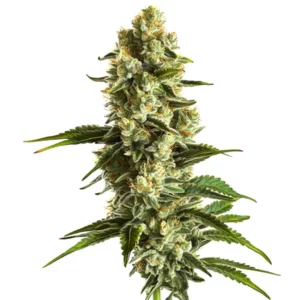
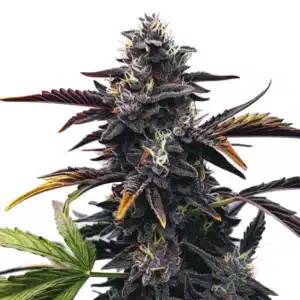
Banana Kush

|
THC | 17% - 21% (Medium) |

|
Type | Feminized |

|
Yield | High |

|
Phenotype | 60% Indica / 40% Sativa |
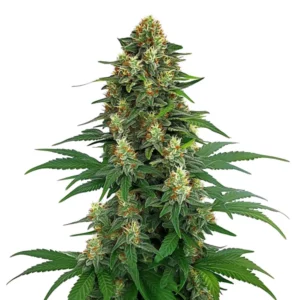
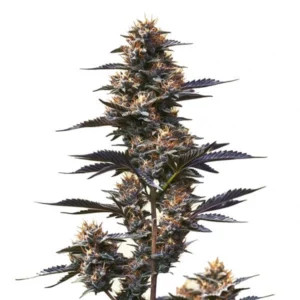
Tangie
|
|
THC | 19% - 22% (Medium) |
|
|
Type | Feminized |
|
|
Yield | High |
|
|
Phenotype | 30% Indica / 70% Sativa |
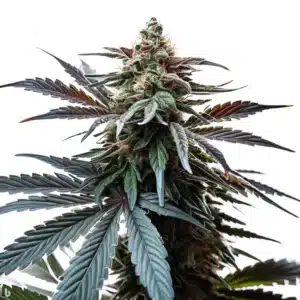
Blimburn Seeds offers strains like GG4, which thrive both indoors and outdoors. When choosing a strain, consider how the growing environment will affect the Brix levels. This decision can make a significant difference in the plant’s growth and final yield.
Factors Affecting Brix in Cannabis Cultivation
Light is a key factor in Brix levels. Outdoor grows benefit from sunlight, which is difficult to replicate indoors. High-quality LED lights try to mimic sunlight, but often lack some of its full-spectrum benefits. This can lead to a slight difference in Brix content in greenhouse vs outdoor cannabis.
Temperature also plays a crucial role. Outdoor plants experience natural fluctuations, strengthening plant resilience and potentially increasing Brix levels. Indoor grows can control temperature more precisely, which can stabilize and optimize Brix levels. However, this requires constant monitoring and adjustment.
Besides to light and temperature, the quality of air and ventilation can significantly influence the Brix levels in cannabis. Outdoor environments naturally provide a steady airflow, which helps in reducing humidity and preventing mold. In indoor settings, growers must replicate this with ventilation systems. Brix levels indoor cannabis comparison shows that maintaining ideal air circulation is crucial for optimized growth.
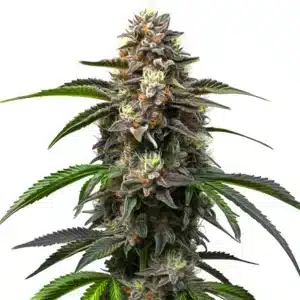
Another factor is the genetic makeup of the cannabis strain itself. Different strains have varying responses to environmental conditions, which can lead to different Brix levels. For instance, strains from Blimburn Seeds like Tangie have been bred to adapt well in both settings, making them ideal choices when analyzing Brix in indoor vs outdoor cannabis environments.
Soil and Nutrients
Soil quality greatly influences Brix levels. Outdoor grows often use natural soil enriched with organic matter. This provides a rich environment for plants to absorb nutrients, leading to higher Brix levels. Indoor grows rely on potting mixes or hydroponic solutions, which need careful nutrient management to achieve similar results.
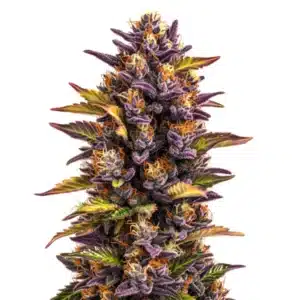
Strains like Banana Kush from Blimburn Seeds can benefit from specific soil conditions. Outdoor growers might see higher Brix levels due to richer soil biodiversity. Indoor growers, however, can tailor nutrient solutions to meet exact strain needs, potentially enhancing Brix levels.
Composting is a valuable practice for outdoor growers looking to naturally increase Brix levels. By regularly adding compost to the soil, growers can improve nutrient density and soil structure, which directly contributes to healthier plants with higher Brix content. Comparing Brix levels in indoor vs. outdoor cannabis grows, composting remains an advantage for outdoor cultivation.
For indoor growers, integrating beneficial microbes into the growing medium can mimic the nutrient uptake seen in natural soils. These microbes help in breaking down organic matter, making nutrients more accessible to the plants, which can lead to higher Brix levels. This approach aligns with the Brix levels indoor cannabis comparison, where controlled environments need precise nutrient management.
Environmental Control
Humidity is another factor. Outdoor conditions fluctuate naturally, which can stress plants but also toughen them. This can lead to higher Brix levels in some cases. Indoor environments allow precise humidity control, reducing plant stress and stabilizing Brix levels.
Airflow is essential for plant health. Outdoor grows benefit from natural wind, preventing mold and diseases. This can indirectly influence Brix levels by maintaining plant health. Indoor grows need fans and ventilation systems to mimic this effect, requiring careful planning.
For indoor setups, maintaining a stable environment requires an knowing of how each factor interacts. For example, increased humidity might necessitate more airflow to prevent mold, which can impact overall plant health and Brix levels. This highlights the importance of environmental control in the Brix levels indoor cannabis comparison.
Outdoor growers, however, can take advantage of natural elements that contribute positively to Brix levels, such as seasonal changes. These changes can enhance the plant’s resilience and lead to natural improvements in Brix content. The outdoor cannabis Brix measurement often reflects the inherent advantages of natural environmental dynamics.
Promos & Deals
Analyzing Brix in Indoor vs Outdoor Cannabis
Regular Brix measurement is crucial for both indoor and outdoor growers. This involves using a refractometer, a simple tool that measures sugar content in plant sap. Consistent monitoring helps growers make informed decisions about plant care.
Indoor growers can use Brix levels to adjust light, nutrients, and water. Higher Brix levels usually signal healthy plants, allowing growers to fine-tune their setups. Outdoor growers, on the other hand, may use Brix readings to decide on supplemental feeding or pest control.
The process of analyzing Brix in indoor vs outdoor cannabis involves knowing the specific needs and responses of plants to their environment. For indoor growers, this means using Brix levels to tweak environmental controls precisely. This precision can lead to a significant increase in yield quality and quantity.
In outdoor settings, analyzing Brix levels helps growers respond to natural challenges. For instance, if Brix levels drop due to extended cloudy weather, an outdoor grower might choose to supplement with additional nutrients. The key is knowing the interplay between environmental factors and plant health, which is crucial in the ongoing comparison of Brix levels in indoor vs. outdoor cannabis grows.
Practical Tips for Optimizing Brix Levels
For indoor growers, start by ensuring your lighting setup is optimal. LED lights should be positioned correctly, providing enough intensity without causing heat stress. Consider using a light meter to verify that your plants receive adequate light.
Outdoor growers should focus on soil health. Regularly test soil quality and amend it with organic matter as needed. This can enhance nutrient availability and boost Brix levels naturally. Compost and worm castings are excellent additions to outdoor gardens.
To further optimize Brix levels, both indoor and outdoor growers can experiment with foliar feeding. This technique involves applying nutrients directly to the leaves, allowing for faster absorption and potentially increasing Brix levels. It’s especially useful when comparing Brix content in greenhouse vs outdoor cannabis, where environmental controls differ.
Monitoring plant stress is another practical tip. High Brix levels often correlate with low stress levels in plants. Ensure your plants are not exposed to unnecessary stressors, such as extreme temperature fluctuations or pest infestations, which could negatively impact their Brix levels. By maintaining a stable environment, growers can achieve healthier and more productive plants.
FAQs about Comparing Brix Levels in Indoor vs. Outdoor Cannabis Grows
What are Brix levels and why are they important in cannabis cultivation?
Brix levels measure the sugar content in plant sap, offering insights into plant health and vigor. For cannabis growers, high Brix levels can indicate robust, healthy plants with potentially higher yields and better flavors. By regularly checking Brix levels, growers can make informed decisions about watering, nutrients, and environmental conditions.
When comparing Brix levels in indoor vs. outdoor cannabis grows, these measurements help identify which conditions are most favorable for plant growth. Consistent monitoring and adjustment can lead to optimized plant health, resulting in a more successful harvest.
Knowing the factors affecting Brix in cannabis cultivation is crucial for any grower aiming for success. From light exposure to soil health, each element plays a role in determining the Brix levels of the plants. Growers who pay attention to these details can significantly enhance the quality of their harvest.
Additionally, Brix levels can serve as an early warning system for potential issues. For example, a sudden drop in Brix levels might indicate a pest problem or nutrient deficiency, allowing growers to address such issues promptly. This proactive approach is essential in maintaining plant health and optimizing yield quality.
How can indoor growers optimize Brix levels?
Indoor growers can optimize Brix levels by focusing on environmental control. This includes managing light, temperature, humidity, and airflow. Using high-quality LED lights and maintaining consistent environmental conditions will help maintain stable Brix levels.
Additionally, adjusting nutrient solutions and watering schedules to meet specific plant needs can boost Brix levels. Regularly using a refractometer to measure Brix levels allows for timely adjustments in the growing setup.
One effective strategy is to simulate natural outdoor conditions as closely as possible. By adjusting LED light spectrums to mimic sunlight or incorporating slight temperature fluctuations, indoor growers can encourage natural growth patterns that improve Brix levels. This is particularly relevant in the Brix levels indoor cannabis comparison, where precision is key.
Moreover, indoor growers should consider integrating advanced technologies like automated irrigation and climate control systems. These tools can help maintain optimal conditions consistently, reducing the risk of human error and ensuring that Brix levels remain high throughout the growth cycle. This approach aligns with the goal of analyzing Brix in indoor vs outdoor cannabis for maximum efficiency.
What challenges do outdoor growers face with Brix levels?
Outdoor growers face several challenges with Brix levels, primarily related to environmental variability. Factors such as unpredictable weather, pests, and soil quality can affect Brix levels. However, outdoor plants often benefit from natural sunlight and soil biodiversity.
To overcome these challenges, outdoor growers should focus on maintaining soil health and managing pests. Regular Brix measurements can guide decisions on supplemental feeding and pest control, helping to maintain optimal plant health.
Environmental unpredictability is a significant challenge for outdoor growers. Sudden weather changes can impact Brix levels, requiring growers to adapt quickly. Implementing protective measures, such as using shade cloths or windbreaks, can mitigate some of these effects, helping to stabilize Brix levels in outdoor cannabis Brix measurement.
Additionally, outdoor growers must remain vigilant about pest control. Natural environments attract various pests that can decrease Brix levels by stressing plants. Integrated pest management strategies, which include monitoring and biological controls, can help maintain plant health and support higher Brix levels, even in challenging conditions.
How do different cannabis strains affect Brix levels?
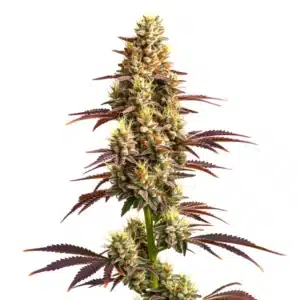
Different cannabis strains have unique requirements and responses to environmental conditions, affecting Brix levels. Strains like GG4, Banana Kush, and Tangie from Blimburn Seeds are known for their adaptability and can thrive in both indoor and outdoor settings.
Choosing the right strain for your growing environment is crucial. Some strains may naturally produce higher Brix levels due to genetic factors, while others may require more precise environmental control to reach their full potential.
The genetic makeup of a strain determines its adaptability to environmental conditions, which can directly impact Brix levels. For example, some strains have been selectively bred to perform well under specific conditions, making them more resilient to environmental stress. This genetic resilience can lead to naturally higher Brix levels.
Additionally, the choice of strain can influence the approach to cultivation. Some strains may require more intensive nutrient management or environmental controls to achieve desired Brix levels. Knowing the specific needs of each strain is essential for growers aiming to optimize their harvests, whether they are comparing Brix levels in indoor vs. outdoor cannabis grows or focusing on a single growing environment.
How often should Brix levels be measured in cannabis plants?
Brix levels should be measured regularly throughout the growing cycle. This allows growers to track plant health and make necessary adjustments to light, water, and nutrients. For indoor grows, weekly measurements are a good practice.
Outdoor growers may measure Brix levels less frequently, but it’s important to check at key stages of growth, particularly during flowering. Regular monitoring ensures that plants remain healthy and productive, leading to a successful harvest.
Frequent Brix measurement is particularly beneficial during the flowering stage, where nutrient demands and environmental stressors can fluctuate significantly. By monitoring Brix levels closely, growers can make timely adjustments to support plant health and optimize yields.
For those involved in analyzing Brix in indoor vs outdoor cannabis, developing a regular measurement schedule can provide valuable data on the effectiveness of different growing techniques. This data can inform future growing strategies, helping to refine practices and achieve consistently high-quality harvests.