Expert Guide: Cannabis Leaf Problems Yellowing vs Browning Explained

Growing cannabis can be a rewarding journey, but it also comes with its challenges. Understanding cannabis leaf problems yellowing vs browning is essential for diagnosing plant stress correctly. While both issues indicate that your plant needs attention, they often stem from different causes and require unique solutions.
Yellowing leaves can be an early warning sign that your cannabis plant is not absorbing nutrients properly. This common issue is often due to nutrient deficiencies, particularly nitrogen. On the other hand, browning might indicate more severe stress, such as root damage or pH imbalances.
Recommended Strains
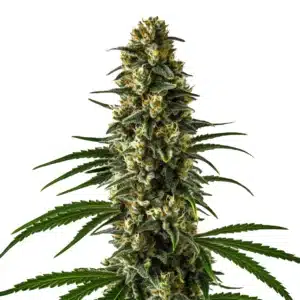
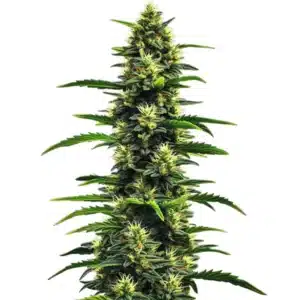
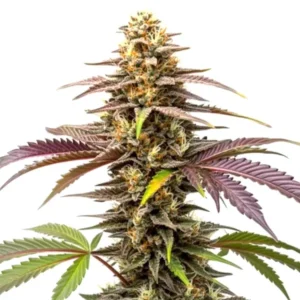
Girl Scout Cookies

|
THC | 18% - 25% (Medium) |

|
Type | Feminized |

|
Yield | High |

|
Phenotype | 60% Indica / 40% Sativa |
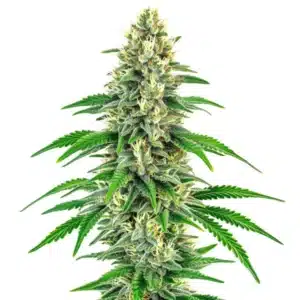
Z OG
|
|
THC | 16% - 20% (Medium) |
|
|
Type | Feminized |
|
|
Yield | Medium |
|
|
Phenotype | 75% Indica / 25% Sativa |
To effectively manage cannabis leaf problems yellowing vs browning, it’s vital to accurately diagnose the issue. Once you identify the cause, you can take targeted action to restore your plant’s health. Let’s delve deeper into these problems and explore practical ways to fix them.
Cannabis Leaf Yellowing Causes
Yellowing leaves can be a gardener’s nightmare, but knowing why it happens can lead to effective solutions. Nutrient deficiencies are the most common cause. When your plant lacks essential nutrients, it begins to draw nutrients from older leaves, resulting in yellowing.
Other causes of yellowing include watering issues and environmental stress. Overwatering suffocates roots, preventing them from absorbing nutrients, while underwatering means roots can’t supply the plant with what it needs. Both conditions can lead to yellowing leaves as your plant struggles to cope.
An often-overlooked factor is the quality of the water used for irrigation. Hard water with high mineral content can cause nutrient lockout, exacerbating cannabis leaf yellowing causes. Using filtered or distilled water can prevent these issues and improve nutrient uptake.
Additionally, temperature fluctuations and poor air circulation can accentuate yellowing. Ensure that your grow space is well-ventilated and maintains a stable temperature to minimize stress on your plants. This proactive approach can significantly reduce the risk of yellowing.
Promos & Deals
Reasons for Brown Spots on Cannabis Leaves
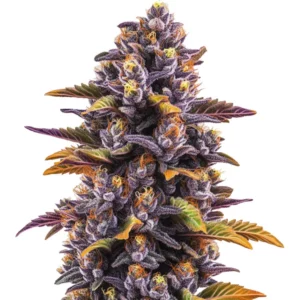
Brown spots on cannabis leaves can be alarming. When comparing cannabis leaf problems yellowing vs browning, browning is often linked to nutrient burn, where too many nutrients have been given, causing leaf tips and edges to brown. Another common cause can be pest infestations, where insects damage leaves and lead to visible discoloration.
Environmental factors also contribute to brown spots. High temperatures and low humidity can stress plants, leading to browning. Additionally, pH imbalances prevent nutrient uptake, resulting in brown, crispy leaves.
One of the primary reasons for brown spots on cannabis leaves is the use of fertilizers with an unbalanced nutrient profile. Always follow the manufacturer’s guidelines for feeding schedules to avoid over-fertilization.
Moreover, mechanical damage, such as bruising from rough handling, can cause browning. Be gentle when pruning or moving your plants, and ensure that all tools used are clean to prevent infections that might lead to further discoloration.
How to Fix Yellowing Cannabis Leaves
Fixing yellowing leaves involves addressing the root cause. Start by checking nutrient levels. If you suspect a deficiency, adjust your feeding schedule to include the missing nutrients. Products high in nitrogen can help revive your plants.
Consider environmental factors as well. Ensure that your plants receive the right amount of water. Feel the soil to check its moisture level. If it’s too wet or dry, adjust your watering routine accordingly. Using strains like Blimburn Seeds Girl Scout Cookies can help, as they are known for their resilience to varying conditions.
Besides to nutrient adjustments, improving soil drainage can prevent waterlogged conditions that contribute to yellowing. Adding perlite or vermiculite to your soil mix can enhance aeration and drainage, promoting healthier root development.
If leaf yellowing persists despite corrections, consider flushing your plants. This process involves running pure water through the soil to remove excess salts or nutrient buildup, helping to reset nutrient levels in the growing medium.
Cannabis Leaves Turning Yellow vs Brown
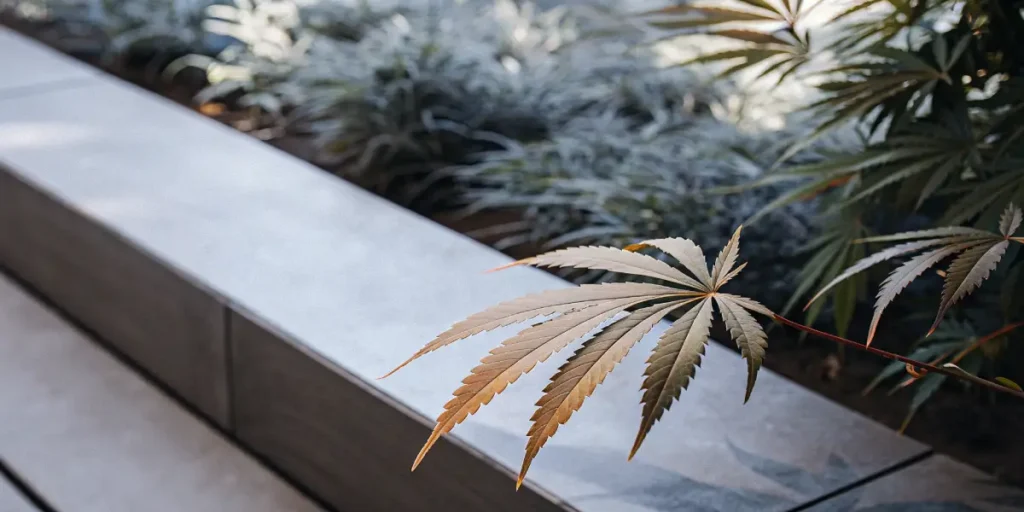
The difference between yellow and brown leaves can be subtle but significant. Yellowing typically indicates nutrient issues or inadequate watering. In contrast, browning often results from more severe stressors, such as pests or extreme environmental conditions.
Yellow leaves will often remain soft and pliable, while brown leaves tend to become dry and crispy. This distinction can help you determine the underlying problem. For example, Blimburn Seeds Zkittlez, a strain known for its vibrant foliage, can show clear signs of stress through leaf color changes.
Knowing the nuances of cannabis leaves turning yellow vs brown is crucial for effective plant management. Yellowing often occurs gradually, giving growers time to diagnose and address the issue before it worsens.
Conversely, browning can develop rapidly, indicating a need for immediate intervention. Regular monitoring and prompt action can prevent these issues from escalating, ensuring your plants remain healthy and productive.
Diagnosing Cannabis Leaf Discoloration
Diagnosing the cause of leaf discoloration is essential to maintaining healthy plants. Start with a thorough inspection of your plants. Look for signs of pests, such as webbing or insects on the leaves. If pests are present, consider using natural remedies or insecticidal soaps.
Check your plant’s feeding schedule and adjust it if necessary. A balanced nutrient mix is crucial, as is maintaining the correct pH level. Use a pH meter to ensure your soil or hydroponic solutions are within the optimal range for cannabis growth.
When diagnosing cannabis leaf discoloration, it’s important to consider the plant’s growth stage. Nutrient requirements differ between vegetative and flowering stages, affecting how deficiencies or excesses present themselves.
Record-keeping can be valuable in identifying patterns or recurring issues. Documenting changes in feeding, watering, and environmental conditions helps pinpoint the cause of discoloration, facilitating more accurate and timely interventions.
FAQs on Cannabis leaf problems yellowing vs browning
What causes cannabis leaves to turn yellow?
Cannabis leaves turn yellow primarily due to nutrient deficiencies, particularly nitrogen. When plants do not receive enough of this essential nutrient, they begin to draw from older leaves, causing them to yellow. Ensuring a balanced nutrient mix can prevent this issue.
Other factors include improper watering practices and environmental stress. Overwatering drowns roots, while underwatering deprives them, both leading to yellowing. Maintaining consistent watering and environmental conditions can help keep your plants healthy.
Additional causes of yellowing can include root-bound conditions in pots that are too small. Ensuring your plants have ample space to grow can prevent nutrient uptake issues that contribute to yellowing leaves.
Genetic factors might also play a role, as some strains naturally exhibit more yellowing than others. Researching your specific strain’s characteristics can provide insights into expected leaf color changes.
How can I fix brown spots on my cannabis leaves?
Fixing brown spots involves identifying the cause. Nutrient burn is a common issue, so check the concentrations in your feed. Reducing the strength of your nutrient solution can prevent further damage. Pest infestations may also cause browning; inspect leaves for signs of insects and treat accordingly.
Environmental stress, such as high temperatures or low humidity, can also lead to browning. Use fans to circulate air and maintain optimal growing conditions. Adjusting your grow room setup can help alleviate this stress.
In cases of severe browning, pruning affected leaves can promote new growth and prevent the spread of damage. Removing compromised leaves allows the plant to focus energy on healthy foliage.
Consider incorporating beneficial microbes into your growing medium. These can enhance root health and improve nutrient absorption, reducing the likelihood of brown spot development due to stress or nutrient imbalance.
How do environmental factors affect leaf color?
Environmental factors like temperature, humidity, and light can significantly affect leaf color. High temperatures can cause leaves to brown, while low humidity might lead to dryness. Both stress the plant, causing discoloration.
Consistent light exposure is also crucial. Too much light can burn leaves, while too little can stunt growth and cause yellowing. Balancing these factors ensures healthy leaf development and vibrant color.
Temperature swings, especially between day and night, can exacerbate cannabis leaf problems yellowing vs browning. Maintaining a stable environment helps prevent stress-induced discoloration.
Light quality and spectrum also play essential roles in leaf health. Using full-spectrum lights that mimic natural sunlight can support optimal growth and minimize leaf discoloration.
Are some cannabis strains more resistant to leaf problems?
Yes, some cannabis strains are bred for resilience. Strains like Blimburn Seeds Girl Scout Cookies and Blue Dream are known for their robust nature and can better withstand environmental stresses and nutrient imbalances.
Choosing the right strain can make a significant difference in how easily you can manage leaf problems. Consider the growing conditions you can provide and select strains that align with those conditions for optimal results.
Genetic diversity among cannabis strains means that some are more naturally resistant to pests and diseases, reducing the likelihood of discoloration caused by infestations.
Researching strain-specific growing requirements and selecting those that match your environmental conditions can enhance success rates and minimize issues related to cannabis leaf problems yellowing vs browning.
What is the best way to monitor plant health?
Regular monitoring is key to maintaining plant health. Use a combination of visual inspections, soil moisture checks, and environmental readings. Tools like pH meters and thermometers are invaluable in providing accurate data.
By keeping a close eye on your plants, you can catch issues early and take corrective action. This proactive approach helps prevent minor problems from becoming major setbacks in your cannabis growing journey.
Implementing a routine monitoring schedule can help detect subtle changes in plant health. Regularly checking leaf color, growth patterns, and overall vigor can provide early warning signs of distress.
Utilizing technology such as automated sensors for humidity and temperature can streamline the monitoring process. These tools offer real-time data, enabling immediate adjustments to maintain optimal growing conditions.