Expert Guide: Brix vs EC in Cannabis Cultivation for Amazing Yields

In the world of cannabis cultivation, growers often debate the importance of Brix versus EC. Both metrics play crucial roles in determining plant health and yield, yet they measure different aspects of the growing process. Knowing brix vs ec in cannabis cultivation is essential to see how these indicators interact and influence nutrient uptake, plant vitality, and overall productivity.
Brix measures sugar content in plant sap, providing insight into plant health and potential quality of the final product. On the other hand, EC, or electrical conductivity, measures the salt level in your water or nutrient solution, which can indicate nutrient availability for your plants.
Recommended Strains
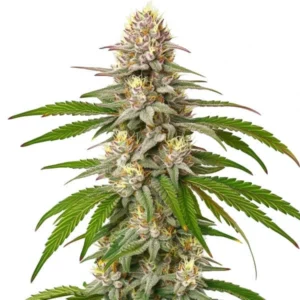
Pineapple Express

|
THC | 18% - 22% (Medium) |

|
Type | Feminized |

|
Yield | Medium |

|
Phenotype | 40% Indica / 60% Sativa |

Bruce Banner #3
|
|
THC | 20% - 29% (High) |
|
|
Type | Feminized |
|
|
Yield | Medium |
|
|
Phenotype | 50% Indica / 50% Sativa |
By comparing Brix and EC in cannabis farming, growers can optimize conditions for their plants. This balance can lead to higher yields and better-quality cannabis. Let’s dive deeper into each metric and how they can be used effectively in your cultivation practices.
What is Brix and Why Does it Matter?
Brix is a measure of the sugar content in plant sap. The higher the Brix level, the more sugars present, indicating healthy, thriving plants. A high Brix level is often associated with better taste and potency in the final cannabis product.
For cannabis growers, Brix measurement impact on cannabis quality cannot be overstated. Healthier plants with higher Brix levels tend to resist pests and diseases better. Regularly testing Brix can help growers monitor plant health and make adjustments as needed.
Knowing Brix vs EC for cannabis cultivation is crucial because Brix offers a snapshot of the plant’s internal processes. When Brix levels are high, it often indicates that the plant’s photosynthesis is efficient. This efficiency translates to more energy being available for growth and flowering, directly impacting the plant’s yield potential.
Moreover, Brix levels can serve as an indirect indicator of soil and nutrient health. If Brix readings are consistently low, it may signal a need to investigate soil conditions and nutrient profiles. By addressing these foundational aspects, growers can enhance the overall vitality and productivity of their cannabis plants.
How to Measure Brix in Cannabis
Measuring Brix is relatively simple. Growers use a refractometer to test plant sap. A small sample from a leaf is enough to get a reading. The refractometer measures how light bends through the sap, providing a Brix percentage.
When using a refractometer, ensure it’s calibrated correctly. This step guarantees accurate readings. Regular testing helps track changes over time, allowing for timely interventions if Brix levels drop.
For growers interested in brix vs ec in cannabis cultivation, consistent measurement practices are key. By tracking Brix over time, growers can correlate changes in Brix levels with specific cultivation practices or environmental conditions, leading to more informed decisions.
Another important aspect of Brix measurement is timing. Taking measurements at different times of the day can yield different results, as plant sugar levels fluctuate with photosynthesis cycles. Consistency in timing ensures more reliable data for optimizing Brix and EC for cannabis yield.
Promos & Deals




EC: The Key to Nutrient Management
EC, or electrical conductivity, measures the concentration of salts in your nutrient solution. These salts are essential nutrients for your cannabis plants. Proper EC levels ensure that plants receive the right amount of nutrients without the risk of overfeeding.
The EC level effects on cannabis growth are significant. Too high EC can lead to nutrient burn, while too low EC might result in nutrient deficiencies. Monitoring EC helps maintain a balanced nutrient supply, crucial for robust cannabis growth.
Knowing how EC levels affect cannabis growth is vital for any serious cultivator. EC provides a direct indication of the nutrient strength available to plants. By fine-tuning EC, growers can ensure that their plants are neither starved nor overfed, leading to more consistent and healthy growth.
Moreover, by comparing Brix and EC in cannabis farming, cultivators can identify discrepancies between nutrient availability and plant health. High EC readings along with low Brix levels might suggest issues such as nutrient lockout, where nutrients are present but not accessible to the plant. Addressing such issues is key to optimizing plant health and yield.
Balancing EC for Cannabis Cultivation
Maintaining the right EC levels involves regular testing of your nutrient solution. An EC meter is used to measure the conductivity of the solution, providing a quick and accurate reading of nutrient concentration.
Adjusting EC levels requires careful consideration. If EC is too high, diluting the solution with more water can help. Conversely, if EC is too low, adding more nutrient solution is necessary. Consistent monitoring ensures your cannabis plants receive optimal nutrition.
For those working with strains like Blimburn Seeds Pineapple Express, balancing EC is particularly important. This strain can be sensitive to nutrient levels, requiring precise adjustments to maintain optimal growth conditions and avoid nutrient stress.
When optimizing Brix and EC for cannabis yield, it’s essential to consider the specific nutritional needs of different cannabis strains. Tailoring EC levels to the unique requirements of each strain can result in significantly improved growth outcomes and higher-quality harvests.
Comparing Brix and EC in Cannabis Farming
Brix and EC are not conflicting metrics; they complement each other. Brix provides insights into plant health, while EC ensures nutrient availability. Balancing both can significantly optimize brix and ec for cannabis yield.
Using both measurements allows growers to have a comprehensive view of their cultivation practices. For instance, a high Brix reading alongside a balanced EC level indicates a well-nourished and robust plant. Conversely, low Brix with high EC might suggest nutrient lockout.
Comparing Brix and EC in cannabis farming allows for a nuanced approach to cultivation. By integrating both metrics, growers can tailor their strategies to maximize plant health and yield, adapting quickly to any discrepancies that arise between plant health and nutrient availability.
In the context of knowing Brix vs EC for cannabis cultivation, it’s also important to consider environmental factors. Factors such as light intensity, temperature, and humidity can influence both Brix and EC, making it crucial to monitor and adjust these conditions alongside nutrient management to achieve the best results.

Real-Life Application for Better Yields
Take the example of growing Blimburn Seeds Bruce Banner #3. This strain is known for its high yields and potency. By regularly measuring Brix and EC, growers can adjust their cultivation practices to maximize the plant’s potential.
For Bruce Banner, maintaining high Brix levels ensures that the plant produces the potent buds it’s famous for. At the same time, monitoring EC prevents nutrient-related issues that could stunt growth or reduce yield.
In practical terms, integrating the knowledge of Brix vs EC in cannabis cultivation can be transformative. By fine-tuning both Brix and EC, growers can create a synergistic effect that enhances overall plant performance, leading to exceptional harvests.
For strain-specific cultivation, such as with Blimburn Seeds Girl Scout Cookies, knowing the unique interplay between Brix and EC can be the difference between an average and a standout crop. By optimizing these metrics, growers can unlock the full potential of their chosen strains.
FAQs about brix vs ec in cannabis cultivation
How often should I measure Brix and EC in cannabis cultivation?
Regular monitoring of Brix and EC is crucial for maintaining plant health. A good practice is to measure Brix weekly. This frequency allows you to catch any issues early and make necessary adjustments.
As for EC, consider testing before each feeding. This approach ensures that nutrient levels are balanced and prevents overfeeding or underfeeding. Consistent monitoring helps maintain optimal growing conditions.
When knowing Brix vs EC for cannabis cultivation, it’s important to remember that frequency of measurement can depend on the growth stage and environmental conditions. Younger plants might require more frequent monitoring to ensure they are on the right track.
Moreover, environmental changes such as shifts in temperature or humidity can impact both Brix and EC levels, necessitating more frequent checks to maintain balance and optimize growing conditions.
What tools do I need for measuring Brix and EC?
To measure Brix, you’ll need a refractometer. This tool is essential for assessing the sugar content in your plant sap. Make sure to calibrate it regularly for accurate readings.
For EC measurements, an EC meter is required. This device measures the electrical conductivity of your nutrient solution. Regular calibration and cleaning of the EC meter ensure precise results.
Investing in high-quality tools for measuring Brix and EC is a wise decision for any cannabis grower. Accurate readings are vital for making informed decisions about nutrient adjustments and overall plant care.
Additionally, keeping spare calibration solutions on hand for both refractometers and EC meters can save time and ensure consistent accuracy in your measurements, contributing to better cultivation outcomes.
Can optimizing Brix and EC really improve cannabis quality?
Absolutely. Optimizing Brix and EC can lead to healthier plants and higher yields. High Brix levels often correlate with better taste and potency, while balanced EC ensures proper nutrient uptake.
By focusing on these metrics, growers can enhance the overall quality of their cannabis. This approach is especially beneficial for strains like Blimburn Seeds’ Pineapple Express, which thrives under optimal conditions.
Optimizing Brix and EC is not just about improving yield; it’s about enhancing every aspect of cannabis quality. Properly balanced metrics lead to more robust plants, higher cannabinoid content, and a more desirable aromatic profile.
For those looking to elevate their cannabis cultivation skills, knowing and applying the principles of Brix vs EC in cannabis cultivation can lead to a noticeable difference in both the quality and quantity of the harvest.
What are common mistakes when comparing Brix and EC in cannabis farming?
One common mistake is neglecting the relationship between Brix and EC. Some growers focus on one metric and ignore the other, leading to imbalanced plant health.
Another mistake is not calibrating measurement tools regularly. Inaccurate readings can result in misguided adjustments, affecting plant growth and yield negatively.
Misinterpreting Brix and EC readings is another frequent error. It’s important to understand what these values mean in the context of your specific growing conditions and plant health to make informed decisions.
Additionally, relying solely on these metrics without considering environmental factors such as light, temperature, and humidity can lead to incomplete assessments and suboptimal results in cannabis cultivation.
How can I balance high Brix with low EC levels?
Balancing high Brix with low EC involves adjusting nutrient concentrations carefully. High Brix indicates healthy plants, but low EC could mean insufficient nutrients.
To balance this, gradually increase nutrient concentration while monitoring EC. This approach helps maintain high Brix levels without overwhelming your plants with nutrients.
Knowing the delicate balance of Brix vs EC in cannabis cultivation is crucial for success. By making incremental changes and observing plant responses, growers can fine-tune their nutrient strategies to maintain optimal plant health.
For a more targeted approach, consider conducting small-scale trials with different nutrient concentrations to observe how changes in EC affect Brix levels and overall plant vitality. This method can provide valuable insights for future cultivation efforts.