Exotic THCA Flower: Discover Rare and Potent Strains

Unique Insight: Exotic THCA flower can contain up to 32% THCA, offering an unparalleled sensory and therapeutic experience. This high potency, combined with complex terpene profiles, makes it a top choice for connoisseurs seeking both flavor and effect.
Exotic THCA flower is a unique cannabis product known for its rare strains and vibrant colors. It contains up to 32% THCA, offering potent effects and complex terpene profiles. Cannabis enthusiasts can explore these rare strains for an elevated and memorable experience.
Recommended Strains

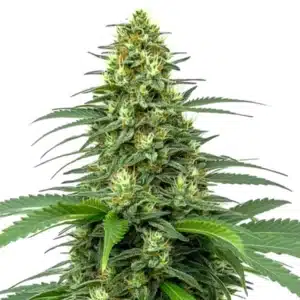
Gelato 33

|
THC | 20% - 25% (High) |

|
Type | Feminized |

|
Yield | High |

|
Phenotype | 55% Indica / 45% Sativa |

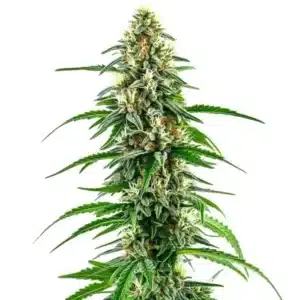
Gelato Auto
|
|
THC | 19% - 21% (Medium) |
|
|
Type | Autoflowering |
|
|
Yield | High |
|
|
Phenotype | 40% Indica / 60% Sativa |
What is Exotic THCA Flower?
Defining Characteristics
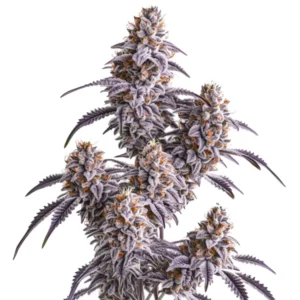
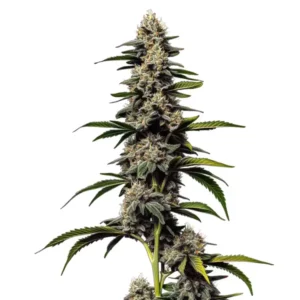
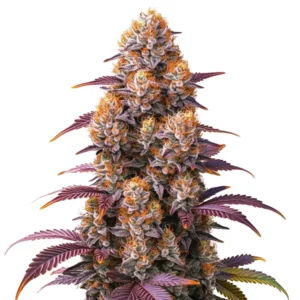
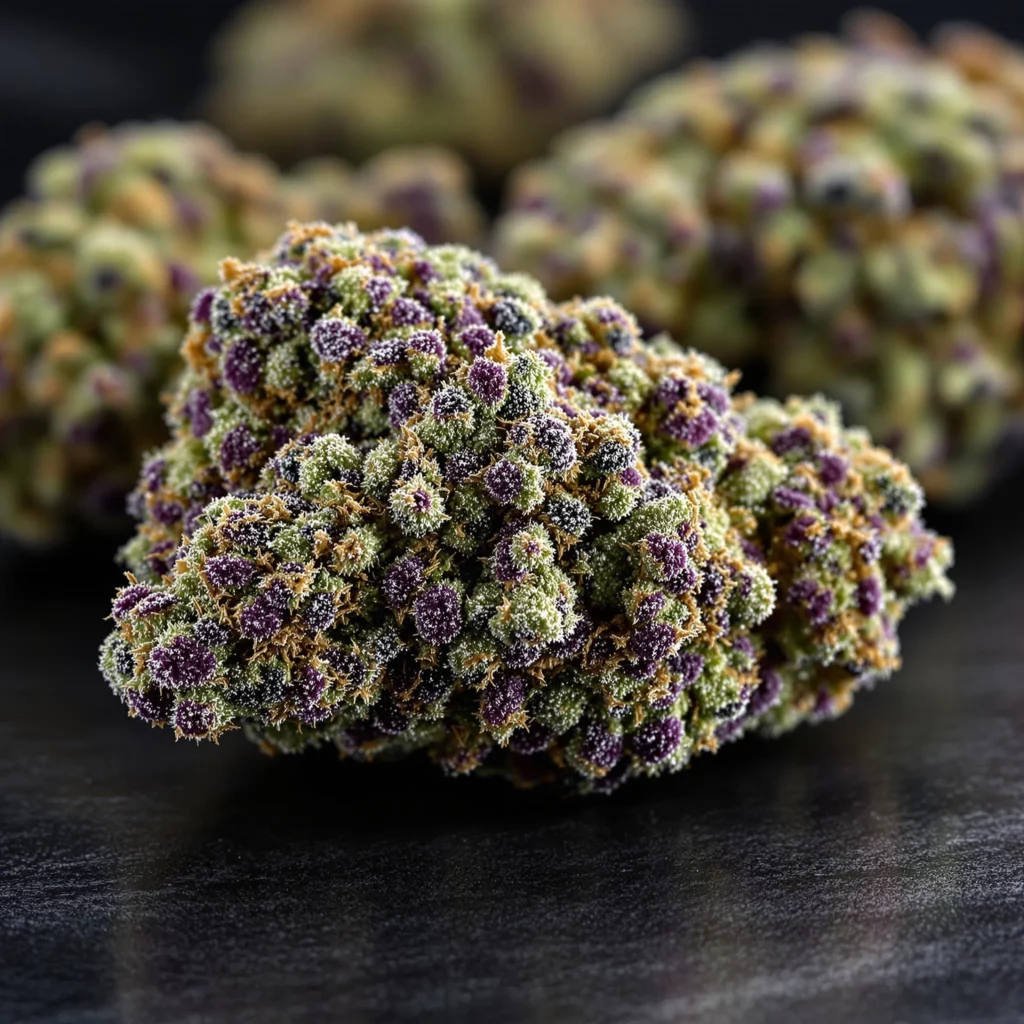
Exotic THCA flower is distinguished by its rarity and unique terpene profiles. Unlike typical cannabis strains, these flowers are cultivated with precision to produce dense buds with vibrant colors and frosty trichomes. The meticulous cultivation process ensures the highest quality and potency.
These strains often feature notable terpene profiles, such as Myrcene (0.8-1.2%), which enhances THC uptake and provides a musky aroma. Caryophyllene (0.4-0.7%) adds a spicy kick and offers anti-inflammatory benefits by interacting with CB2 receptors.
Potency and Terpene Profiles
Exotic THCA flower is celebrated for its high THCA content, often ranging from 26% to 32%. This potency is complemented by rich terpene profiles that enhance both the flavor and therapeutic effects. Terpenes like Limonene (0.5-0.8%) contribute citrus notes and elevate mood by increasing serotonin production.
For growers, maintaining optimal conditions such as 800-1000 µmol/m²/s lighting during peak flowering is crucial. This ensures the development of robust terpene profiles and maximizes THCA content, resulting in a superior product.
Promos & Deals
Benefits of Exotic THCA Flower
Therapeutic Effects
Exotic THCA flower offers significant therapeutic benefits due to its high THCA levels. It provides powerful relaxation and pain relief, making it ideal for medical use. The entourage effect, enhanced by terpenes like Pinene (0.3–0.5%), improves focus and respiratory function. Popular varieties such as the Tiramisu strain are also appreciated for their rich terpene profiles and unique aromatic characteristics.
Patients can benefit from strains like Bruce Banner X Grape, which offers 28-32% THCA and a terpene profile rich in Myrcene and Caryophyllene, providing both physical and mental relief.
Unique Flavors and Aromas
The flavor and aroma of exotic THCA flower are unmatched, offering a wide range of sensory experiences. From sweet and citrusy to earthy and spicy, these profiles are crafted through careful selection of terpenes and cultivation techniques.
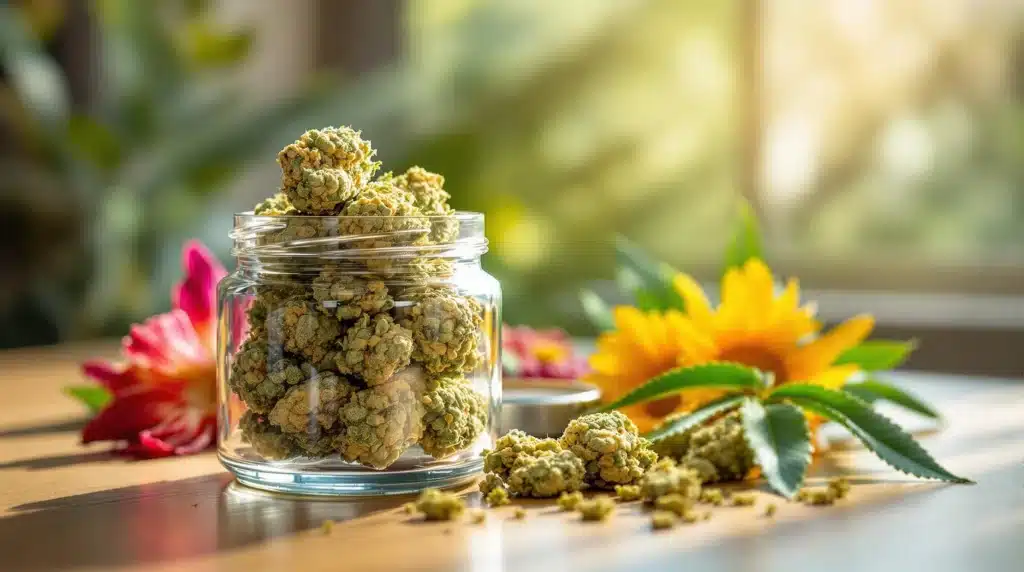
To preserve these flavors, store the flower in airtight containers at 58-62% RH. This prevents terpene degradation and ensures the flower maintains its aromatic integrity over time.
| Feature | Bruce Banner X Grape | Cinderella 99 | Apple Fritter |
|---|---|---|---|
| THCA % Range | 28-32% | 22-26% | 26-30% |
| Dominant Terpenes | Myrcene 1.0%, Caryophyllene 0.7% | Limonene 0.6%, Pinene 0.4% | Linalool 0.5%, Myrcene 0.8% |
| Flowering Time | 9-10 weeks | 8-9 weeks | 9-10 weeks |
| Yield Indoor (g/m²) | 450-550 | 400-500 | 500-600 |
| Effect Profile | Euphoric, Relaxing | Energetic, Uplifting | Calming, Creative |
Professional Tips for Cultivating Exotic THCA Flower
- Maintain 58-62% RH during cure. Below 55% arrests terpene development; above 65% promotes Botrytis within 48h. Check with a calibrated digital hygrometer, never analog.
- Use 800-1000 µmol/m²/s lighting at peak flowering for optimal terpene production. Insufficient light reduces THCA levels by up to 20%.
- Apply N:P:K 1:3:2 during flowering to enhance bud density. Incorrect ratios can lead to nutrient lockout, stunting growth.
- Ensure a temperature range of 15-21°C during storage to prevent cannabinoid degradation. Temperatures above 25°C can reduce potency by 5% per month.
- Utilize CO2 enrichment at 1200-1500 ppm to boost yield by up to 30%. Levels above 2000 ppm can cause plant stress and reduce quality.
- Flush plants with pure water for 7-10 days before harvest to remove nutrient residues. Failure to flush can result in harsh smoke and poor flavor.
FAQs About Exotic THCA Flower
How does exotic THCA flower compare to regular cannabis?
Exotic THCA flower offers higher THCA levels, often between 26–32%, compared to regular strains averaging 15–20%. This results in more potent effects and enhanced therapeutic benefits. Additionally, exotic strains such as Z Runtz strain feature complex terpene profiles that provide unique flavors and aromas, elevating the overall cannabis experience.
What are the best storage conditions for exotic THCA flower?
To preserve the quality of exotic THCA flower, store it in airtight glass containers at 58-62% relative humidity and a temperature range of 15-21°C. Avoid exposure to light and moisture, as these can degrade cannabinoids and terpenes, diminishing the flower’s potency and flavor over time.
Can exotic THCA flower be used in edibles?
Yes, exotic THCA flower can be used in edibles by decarboxylating it to convert THCA into THC. With changes to federal hemp law in 2026, consumers should also consider how current regulations affect the legality of THCA products before using them in edibles.
What makes a THCA flower strain exotic?
A THCA flower strain is considered exotic due to its rarity, unique cultivation methods, and distinctive terpene profiles. These strains often feature vibrant colors and high THCA content, typically ranging from 26-32%. This combination results in a superior sensory and therapeutic experience.
Where can I purchase seeds for exotic THCA strains?
Blimburn Seeds offers a variety of exotic THCA strains in their catalog, including feminized and autoflowering options. Popular strains like Bruce Banner X Grape and Cinderella 99 are available for purchase, providing growers with access to high-quality seeds for cultivating potent and flavorful cannabis.