Essential Tissue and Sap Testing for Organic Cannabis Success

Tissue and sap testing for organic cannabis cultivation is an invaluable tool for growers seeking to optimize plant health and yields. By analyzing the nutrients directly from the plant, cultivators can make informed decisions that lead to thriving crops. Using these methods, growers can precisely manage nutrient levels, ensuring that their plants receive exactly what they need at every stage of growth.
Organic cannabis sap analysis techniques provide real-time insights into the plant’s health. Unlike traditional soil testing, sap testing measures the nutrients in the sap, offering a snapshot of what the plant is currently absorbing. This immediate feedback allows for quick adjustments, helping to avoid deficiencies or toxicities that could otherwise go unnoticed.
Recommended Strains

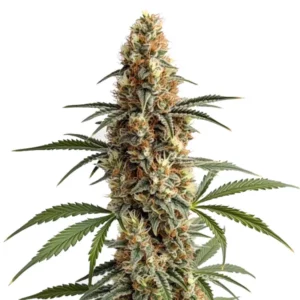
GG4

|
THC | 27% (High) |

|
Type | Feminized |

|
Yield | High |

|
Phenotype | 40% Indica / 60% Sativa |
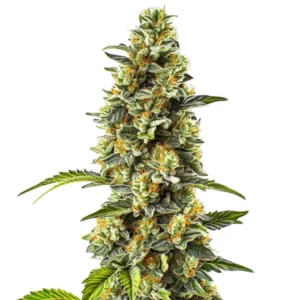
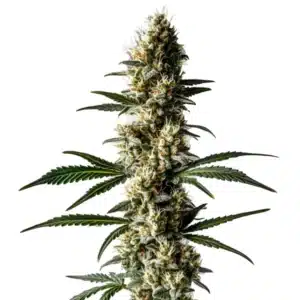
Strawberry Cough
|
|
THC | 19% - 23% (Medium) |
|
|
Type | Feminized |
|
|
Yield | Medium |
|
|
Phenotype | 30% Indica / 70% Sativa |
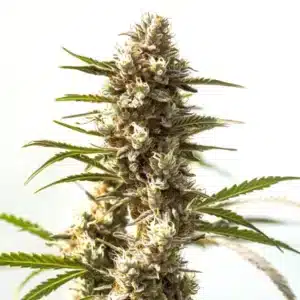
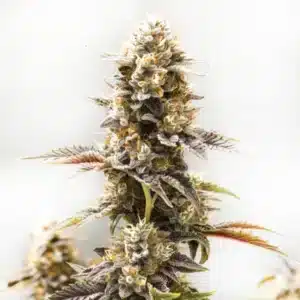
Blimburn Seeds offers several cannabis strains that benefit from these testing methods. For instance, the GG4 strain can reach its full potential when growers use tissue nutrient assessment for cannabis. By tailoring the nutrient regimen to the plant’s needs, growers can enhance the potency and flavor profiles of their harvests.
The Importance of Sap Testing Protocols for Organic Cannabis
Sap testing protocols for organic cannabis cultivation involve collecting and analyzing the fluid that flows through the plant’s vascular system. This sap contains vital information about the nutrients the plant is currently using. By testing the sap, growers can determine if their plants are absorbing the right amount of nutrients.
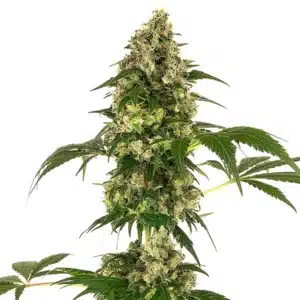
For example, if a grower notices that their Blue Dream plants are not thriving as expected, sap testing can reveal nutrient imbalances. Adjustments can then be made to the nutrient solution, ensuring the plants receive the proper balance of macro and micronutrients. This proactive approach helps maintain plant health and maximizes yields.
Furthermore, sap testing protocols for organic cannabis provide an early warning system for potential issues. By identifying nutrient imbalances early on, growers can prevent problems before they manifest in more serious ways, such as stunted growth or poor yields. This ensures that the plants remain robust and productive throughout the growth cycle.
Incorporating sap testing into regular cultivation practices also fosters a deeper knowing of plant physiology. Growers become more attuned to the subtle changes in their plants and can respond swiftly to any deviations from the norm. This level of attentiveness is particularly beneficial in optimizing organic cannabis growth through tissue testing and other techniques.
Promos & Deals
Implementing Sustainable Cannabis Tissue Testing Methods
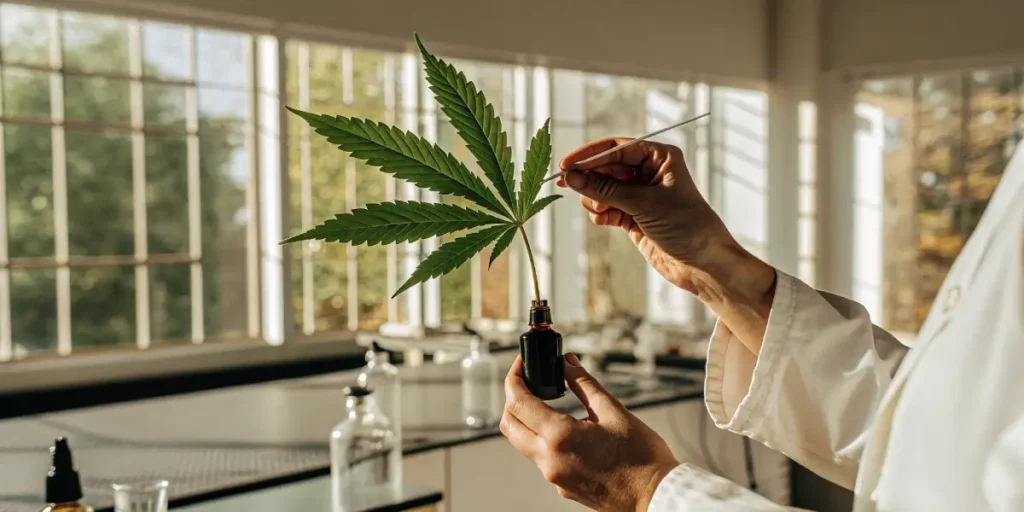
Sustainable cannabis tissue testing methods are crucial for organic growers who aim to minimize their environmental impact. These methods focus on using non-invasive techniques to gather data from the plants. Tissue testing involves analyzing the plant’s leaves to assess nutrient levels and detect any potential issues.
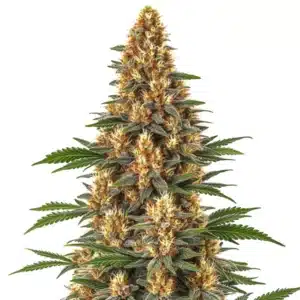
By employing sustainable practices, growers can reduce their reliance on synthetic fertilizers, which can harm the environment. Instead, they can use organic alternatives that are just as effective. For instance, testing the tissue of the Strawberry Banana strain from Blimburn Seeds can help growers adjust their organic nutrient applications to suit the plant’s specific needs.
Adopting sustainable cannabis tissue testing methods also contributes to better soil health over time. By avoiding the overuse of synthetic nutrients, the microbial life in the soil can thrive, leading to more robust plant growth and a healthier ecosystem. This holistic approach aligns with the principles of organic cultivation and enhances the resilience of the plants.
Moreover, sustainable tissue testing methods empower growers to make more environmentally conscious decisions. By knowing the precise nutrient needs of their plants, they can select organic fertilizers that support both plant health and environmental sustainability. This balance is key to achieving long-term success in organic cannabis cultivation.
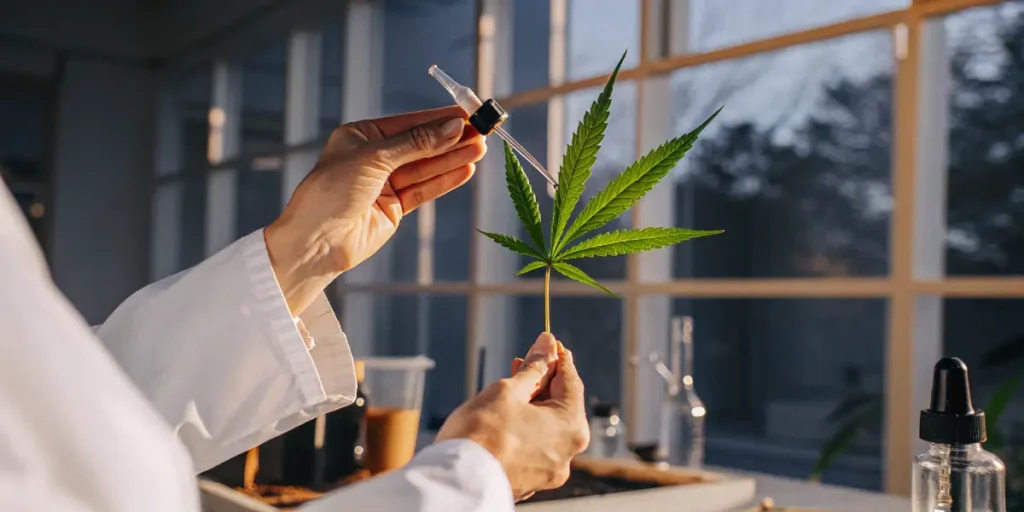
Optimizing Organic Cannabis Growth Through Tissue Testing
Optimizing organic cannabis growth through tissue testing involves regularly monitoring the plant’s nutrient uptake. This process helps growers identify deficiencies before they affect plant health. By maintaining a consistent testing schedule, growers can ensure their plants are always receiving optimal nutrition.
Practical application of tissue testing includes sampling leaves from different parts of the plant. By comparing these samples, growers can detect nutrient distribution patterns and make necessary adjustments. This is particularly beneficial for large-scale operations where uniformity across the crop is crucial.
Additionally, tissue and sap testing for organic cannabis cultivation enables growers to develop customized nutrient management plans. By tailoring their strategies to the specific needs of each strain, growers can enhance growth rates and improve the overall quality of their harvests. This level of precision is vital for achieving superior results.
Furthermore, the insights gained from tissue nutrient assessment for cannabis can inform broader cultivation strategies. By knowing how different nutrients interact within the plant, growers can refine their techniques and optimize their methods for future growing cycles. This continuous improvement is the hallmark of successful organic cannabis cultivation.
FAQs on Tissue and Sap Testing for Organic Cannabis Cultivation
How often should sap testing be conducted?
Sap testing should be conducted regularly throughout the cannabis growth cycle. Early-stage testing can help establish a baseline for nutrient uptake. As the plants grow, periodic testing every few weeks can track changes in nutrient absorption and ensure optimal health.
For organic growers, regular sap testing is essential. It allows for timely adjustments to nutrient inputs, helping prevent deficiencies. By maintaining a consistent testing schedule, growers can be proactive in their approach, leading to healthier plants and better yields.
Regular sap testing also enables growers to anticipate future nutrient needs. By observing trends in nutrient uptake, cultivators can adjust their feeding schedules accordingly, ensuring that plants receive the right nutrients at the right time. This foresight is crucial for optimizing growth and preventing potential issues.
Moreover, frequent sap testing reinforces a culture of vigilance and care in organic cannabis cultivation. By staying attuned to the plants’ needs, growers can foster healthier, more resilient crops that are better equipped to withstand environmental stresses and produce high-quality yields.
What are the benefits of tissue testing over soil testing?
Tissue testing offers a direct insight into what nutrients the cannabis plant is absorbing, unlike soil testing, which only shows what is available in the soil. This makes tissue testing more accurate for diagnosing nutrient deficiencies or toxicities.
For organic cannabis growers, this method is invaluable. It allows for precise nutrient management, ensuring that plants receive the necessary nutrients without over-fertilizing. This results in healthier plants and more sustainable cultivation practices.
Furthermore, tissue testing can reveal subtle nutrient dynamics that soil testing might miss. By focusing on the nutrients actively being used by the plant, growers can gain a clearer picture of the plant’s overall health and vitality, leading to more informed cultivation decisions.
This approach also supports the use of organic cannabis sap analysis techniques, providing a more holistic view of plant health. By integrating both sap and tissue testing, growers can build a comprehensive nutrient management strategy that maximizes the potential of their organic cannabis crops.
Can sap and tissue testing be used together?
Yes, combining sap and tissue testing provides a comprehensive view of plant health. While sap testing gives a snapshot of current nutrient uptake, tissue testing reveals how these nutrients are affecting plant growth over time.
Using both methods allows growers to fine-tune their nutrient management strategies. By knowing both immediate and long-term nutrient dynamics, cultivators can optimize their organic cannabis cultivation practices for maximum yield and quality.
Integrating both sap and tissue testing also facilitates a more nuanced approach to nutrient management. By comparing the data from both testing methods, growers can identify trends and correlations that might otherwise go unnoticed, leading to more targeted interventions.
Moreover, this dual approach helps growers adapt to changing conditions more effectively. By continuously monitoring nutrient uptake and utilization, they can respond quickly to any shifts in plant requirements, ensuring consistent growth and productivity throughout the cultivation cycle.
Are there specific strains that benefit more from these testing methods?
Strains like GG4, Blue Dream, and Strawberry Banana from Blimburn Seeds particularly benefit from tissue and sap testing. These strains have specific nutrient needs that can be optimized through careful testing and adjustments.
By knowing the unique requirements of each strain, growers can tailor their nutrient management strategies. This leads to improved growth, potency, and flavor profiles, making sap and tissue testing an essential practice for serious cultivators.
Additionally, tissue and sap testing for organic cannabis cultivation allows growers to explore the full genetic potential of these strains. By fine-tuning their nutrient inputs, cultivators can enhance desirable traits such as cannabinoid content and terpene profiles, resulting in a superior end product.
Furthermore, this tailored approach supports sustainable cannabis tissue testing methods, as it encourages the use of organic inputs and minimizes waste. By focusing on the specific needs of each strain, growers can reduce their environmental impact while achieving exceptional results in terms of plant health and yield.
What equipment is needed for sap and tissue testing?
Sap testing typically requires a sap extractor and a refractometer to measure nutrient levels. For tissue testing, laboratory equipment such as spectrometers may be necessary to analyze the samples accurately.
While the initial investment in testing equipment can be significant, the benefits of precise nutrient management outweigh the costs. Over time, the improved yields and healthier plants will justify the expense, making it a wise investment for organic cannabis cultivators.
Investing in high-quality equipment is crucial for obtaining accurate results. Reliable tools ensure that the data collected is consistent and trustworthy, allowing growers to make informed decisions about their cultivation practices and nutrient management strategies.
Moreover, as tissue and sap testing for organic cannabis cultivation becomes more widespread, advances in testing technology are making these methods more accessible and cost-effective. By staying updated on the latest developments, growers can capitalize on new opportunities to enhance their cultivation processes.