Essential Sample Prep Best Practices for Cannabinoid Stability

When it comes to sample preparation best practices for cannabinoid stability testing, precision is key. Ensuring cannabinoids remain stable during testing can be a tricky task, but with the right methods, you can maintain accuracy and reliability. Let’s dive into how you can optimize your sample prep for the best results.
Consistency is crucial in cannabinoid stability testing. Using consistent sample preparation techniques ensures that your results are reliable every time you test. For example, when working with strains like Girl Scout Cookies from Blimburn Seeds, you want to maintain the integrity of the cannabinoids through every test for accurate results. The same discipline applies in the field, whether you are using a refractometer outdoors or reading plant sap to track plant health.
Recommended Strains

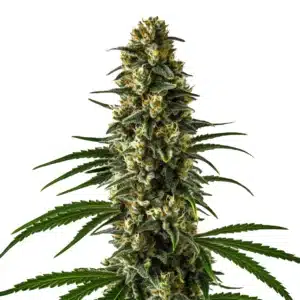
OG Kush

|
THC | 20% - 24% (High) |

|
Type | Feminized |

|
Yield | High |

|
Phenotype | 55% Indica / 45% Sativa |

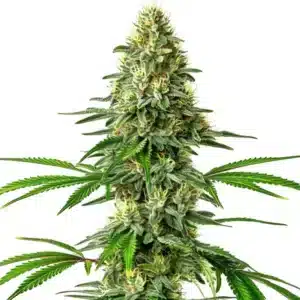
Sour Diesel
|
|
THC | 22% - 25% (High) |
|
|
Type | Feminized |
|
|
Yield | High |
|
|
Phenotype | 30% Indica / 70% Sativa |
Another best practice is to control the environmental conditions during sample prep. Temperature and humidity can greatly affect cannabinoid stability. Make sure your lab is equipped to maintain optimal conditions to prevent degradation. This is particularly important for strains with sensitive profiles like Blue Dream.
Optimized Cannabinoid Extraction Methods
Extraction is a critical part of sample preparation. Using optimized cannabinoid extraction methods helps in obtaining the purest form of cannabinoids without degradation. It’s all about selecting the right solvent and method that suit the specific strain and cannabinoid profile you are working with.
For instance, the OG Kush strain from Blimburn Seeds might require a different extraction approach compared to other strains. You need to consider the chemical composition and sensitivity of each strain to choose the best extraction method. This ensures that the potency and stability of cannabinoids are maintained.
Additionally, the choice of extraction method can influence the overall efficiency and yield of cannabinoids. Techniques such as supercritical CO2 extraction not only preserve cannabinoid integrity but also minimize the risk of contamination. By adhering to optimized cannabinoid extraction methods, you can improve the quality and consistency of your cannabinoid products.
Furthermore, implementing a standardized extraction protocol across all strains can simplify operations and enhance reproducibility. Establishing cannabinoid stability testing protocols that are tailored to each strain’s unique characteristics ensures that your sample preparation best practices for cannabinoid stability testing are consistently applied.
- Choose solvents that are gentle yet effective, such as ethanol or CO2.
- Consider the strain’s profile for solvent compatibility.
- Use consistent and validated extraction protocols to ensure repeatability.
Cannabinoid Sample Preparation Techniques
Proper sample preparation techniques are essential for achieving the best possible results in stability testing. The process starts with selecting and preparing the plant material. This involves drying and grinding the cannabis to a uniform consistency for accurate testing.
Grinding is more than just breaking down the plant material. It’s about ensuring that the sample is homogeneous. Inconsistent particle size can lead to variability in results. So, invest in quality grinders to get a uniform texture, especially when dealing with strains like Sour Diesel.
Another important aspect of cannabinoid sample preparation techniques is ensuring that the samples are free from contaminants. This involves using clean equipment and following strict hygiene protocols to prevent cross-contamination, which can skew test results and compromise the integrity of your findings.
Additionally, the drying process should be carefully controlled to prevent the loss of volatile compounds. Using controlled environments, such as vacuum ovens or desiccators, can help maintain the cannabinoid profile of your samples, ensuring that your sample preparation best practices for cannabinoid stability testing are upheld.
Once the material is ground, it should be stored correctly to avoid exposure to air, light, and moisture. These factors can all lead to cannabinoid degradation. Use airtight containers and store samples in a cool, dark place. This simple step can significantly improve your testing outcomes.
Stability Testing for Cannabinoids Guide
Stability testing is a process that checks how well a product maintains its quality over time. For cannabinoids, this means checking that the levels of THC, CBD, and other compounds stay the same during storage. Regular testing is a must to ensure product consistency.
Conducting stability testing involves setting up protocols that reflect real-life storage conditions. This might mean testing samples at various temperatures and humidity levels to see how they affect cannabinoid stability. This is vital for producing reliable and consistent cannabis products.
Moreover, stability testing for cannabinoids guide suggests that a comprehensive testing schedule should be developed. This includes not only initial testing but also periodic re-evaluations to monitor any changes over time. Such rigorous testing ensures that cannabinoid products meet quality standards throughout their shelf life.
It’s equally important to document the results of stability testing thoroughly. Detailed records of environmental conditions, testing parameters, and outcomes can provide valuable insights into the stability of different cannabinoid profiles, aiding in the refinement of storage and handling practices.
- Set up a schedule for routine stability testing.
- Simulate different storage conditions during tests.
- Use results to refine storage and handling processes.
Best Practices in Cannabinoid Testing Labs
Working in a cannabinoid testing lab requires adherence to specific best practices to ensure accuracy and safety. Start by training your team on the latest techniques and equipment. Knowledge is key in maintaining high standards in testing labs.
Another best practice is to implement quality control measures. Regularly calibrate equipment and validate methods to ensure they are up to industry standards. This helps in catching errors early and maintaining the integrity of your results.
Moreover, fostering a culture of continuous improvement and learning within the lab can enhance overall performance. Encouraging team members to stay updated with the latest research and technological advancements in cannabinoid testing can lead to innovative solutions and improved testing protocols.
Besides, establishing a robust internal auditing system can help identify potential areas for improvement. By regularly reviewing lab processes and outcomes, you can ensure that best practices in cannabinoid testing labs are consistently followed, resulting in high-quality and reliable testing outcomes.
Finally, documentation is crucial. Keep detailed records of every test and method used. This transparency not only helps in audits but also in troubleshooting any issues that arise. With meticulous documentation, you can ensure that your lab operates smoothly and efficiently.
Promos & Deals



FAQs about sample preparation best practices for cannabinoid stability testing
What are the most common challenges in cannabinoid stability testing?
One of the main challenges in cannabinoid stability testing is maintaining sample integrity throughout the testing process. This involves controlling environmental factors such as temperature and humidity, which can cause cannabinoids to degrade if not properly managed. Ensuring consistent sample preparation techniques can also be difficult, as variability in grinding or extraction can lead to inconsistent results.
Another challenge is the selection of appropriate testing methods and equipment. Different strains and cannabinoid profiles may require specific testing protocols, and finding the right fit can be a daunting task. Regular calibration and validation of testing equipment are essential to overcome these challenges and ensure accurate, reliable results.
Additionally, the dynamic nature of cannabinoid compounds can introduce variability in testing outcomes. Knowing the specific stability characteristics of each cannabinoid is crucial in developing effective testing protocols that account for these variations and provide reliable data.
Furthermore, regulatory compliance is an ongoing challenge in the field of cannabinoid stability testing. Keeping up with changing regulations and ensuring that testing practices align with legal standards is essential for maintaining the credibility and legality of testing operations.
How can I ensure consistency in my cannabinoid testing results?
Consistency in cannabinoid testing results starts with standardized sample preparation techniques. This means using consistent methods for drying, grinding, and extracting cannabinoids from your samples. Implementing rigorous quality control measures, such as regularly calibrating equipment and validating methods, also plays a crucial role in maintaining consistency.
Additionally, training your team on the latest testing methods and protocols can help reduce variability. Keeping detailed records of each test and its conditions allows you to track and address any inconsistencies, ensuring that your testing results remain reliable over time.
Establishing well-defined cannabinoid stability testing protocols is another essential step in achieving consistency. By having clear guidelines for each phase of the testing process, you can minimize deviations and ensure that all procedures are followed accurately.
Moreover, regular internal audits and reviews of testing procedures can help identify any potential inconsistencies, allowing for timely adjustments and continuous improvement of testing practices.
Why is sample storage important in cannabinoid stability testing?
Sample storage is crucial in cannabinoid stability testing because cannabinoids are sensitive to environmental factors such as light, air, and temperature. Improper storage can lead to degradation, affecting the accuracy of your testing results. Using airtight containers and storing samples in cool, dark places can significantly enhance the stability of cannabinoids.
Proper storage not only preserves the integrity of cannabinoids but also ensures that your samples remain representative of the original material. This is essential for achieving consistent and reliable results in stability testing, helping you maintain product quality over time.
Furthermore, knowing the specific storage requirements for different cannabinoid profiles can improve the effectiveness of your storage solutions. Tailoring storage conditions to the unique characteristics of each strain helps preserve their potency and stability over extended periods.
Additionally, incorporating advanced storage technologies, such as nitrogen flushing or vacuum sealing, can offer an added layer of protection against environmental factors, ensuring that your samples remain in optimal condition for testing.
What equipment is essential for cannabinoid testing labs?
Essential equipment for cannabinoid testing labs includes high-performance liquid chromatography (HPLC) systems, which are widely used for analyzing cannabinoid profiles. Gas chromatography (GC) systems are also valuable, especially for detecting volatile compounds. Having both types of equipment can provide a comprehensive analysis of cannabinoids.
Beyond chromatography systems, labs should also have quality grinders for sample preparation, as well as scales for precise measurements. Maintaining and calibrating these tools ensures that your lab operates efficiently and produces accurate results, supporting the integrity of your cannabinoid testing processes.
Furthermore, investing in advanced analytical software can enhance data analysis capabilities, allowing for more precise interpretation and reporting of testing results. This software can integrate seamlessly with lab equipment, streamlining operations and improving overall efficiency.
Additionally, having a robust laboratory information management system (LIMS) can facilitate better organization and tracking of samples, data, and documentation, ensuring that all testing activities are well-coordinated and compliant with industry standards.
How do different cannabis strains affect stability testing?
Different cannabis strains can significantly affect stability testing due to their unique cannabinoid profiles and chemical compositions. For example, strains with higher THC content may require different extraction and testing methods compared to strains with higher CBD levels. Knowing the specific characteristics of each strain helps in tailoring the testing process accordingly.
Additionally, some strains may be more sensitive to environmental factors, requiring stricter controls during testing and storage. Being aware of these differences allows you to adjust your testing protocols, ensuring that you achieve accurate and reliable results for each specific strain you work with.
Moreover, the presence of unique terpenes and flavonoids in different strains can also influence the stability and bioactivity of cannabinoids. Recognizing how these compounds interact within the matrix of the plant can guide the development of more effective stability testing for cannabinoids guide.
It’s also important to consider the genetic variability within strains from different suppliers or batches. This variability can impact the consistency of testing results, making it essential to source samples from reputable suppliers like Blimburn Seeds to ensure uniformity and reliability in your testing processes.