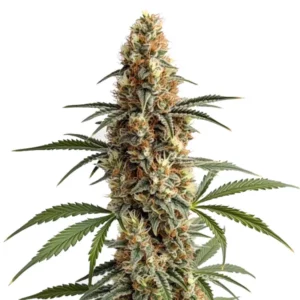
Essential Role of Enzymes in Cannabis Nutrient Interactions Unveiled

Enzymes are the unsung heroes in your cannabis garden. These tiny proteins speed up chemical reactions, making them crucial for various plant processes. When it comes to nutrient interactions, enzymes play a vital role in breaking down complex nutrients into simpler forms that your cannabis plants can absorb. Without enzymes, nutrient uptake could be sluggish, affecting overall plant health and yield.
Imagine enzymes as the helpful hands that turn hard-to-digest food into bite-sized pieces for your plants. They act like a natural digestive system within the soil, facilitating better nutrient absorption. This process is key for both novice growers and those with years of experience under their belts, as it directly influences the growth and yield of your cannabis plants.
Recommended Strains

Gelato 41

|
THC | 24% - 29% (High) |

|
Type | Feminized |

|
Yield | High |

|
Phenotype | 55% Indica / 45% Sativa |

Purple Haze
|
|
THC | 14% - 18% (Medium) |
|
|
Type | Feminized |
|
|
Yield | Low |
|
|
Phenotype | 40% Indica / 60% Sativa |
Take, for instance, the cultivation of the popular Blimburn Seeds strain, Gelato 41. This strain thrives when enzymes work efficiently in the soil, ensuring that nutrients are readily available for uptake. The role of enzymes in cannabis nutrient interactions is not just essential; it’s transformative.
Enzyme Function in Cannabis Soil Biology
Enzyme function in cannabis soil biology is integral to maintaining a thriving growing environment. These biological catalysts are responsible for accelerating the decomposition of organic materials, transforming them into vital nutrients that cannabis plants can utilize. By breaking down dead organic matter, enzymes help recycle nutrients back into the soil, sustaining a cycle of growth and decay that benefits plant life.
Moreover, enzymes contribute to the biological diversity of the soil, promoting a healthier ecosystem. They interact with microorganisms, fungi, and other soil inhabitants, creating a symbiotic environment that enhances nutrient availability. This collaborative effort ensures that the soil remains rich in essential compounds, thereby supporting the vigorous growth of cannabis plants and improving their overall health.
Enzymes in the soil act as catalysts, speeding up the breakdown of organic matter. This is especially important in cannabis cultivation, where nutrient-rich soil is vital. Enzymes convert organic materials into nutrients that cannabis roots can absorb. For example, they break down proteins into amino acids, which are essential building blocks for plant growth.
In cannabis soil biology, enzymes like phosphatases and cellulases are crucial. Phosphatases release phosphates from organic compounds, while cellulases break down cellulose into simpler sugars. These enzymes ensure that nutrients that might otherwise be locked away are available to your plants, helping them grow stronger and healthier.
Impact of Enzymes on Cannabis Nutrient Uptake
The impact of enzymes on cannabis nutrient uptake is profound, as they are fundamental in converting complex organic and inorganic materials into forms that plants can readily absorb. This conversion process is crucial as it directly impacts the speed and efficiency at which cannabis plants can take in necessary nutrients, ultimately influencing their growth rates and yields.
Furthermore, enzymes help mitigate nutrient deficiencies that can arise from inadequate nutrient uptake, ensuring that cannabis plants receive a balanced diet. This balanced nutrient intake leads to more robust and resilient plants capable of withstanding environmental stresses. Enzymes, therefore, play a pivotal role in optimizing nutrient delivery, which is a cornerstone of successful cannabis cultivation.
The impact of enzymes on cannabis nutrient uptake can’t be overstated. They facilitate the conversion of nutrients into forms that plants can readily absorb. For instance, enzymes break down complex carbohydrates into simpler sugars, which are easier for the plant to take up through its roots. This not only boosts nutrient uptake but also enhances plant vigor.
Consider the Blimburn Seeds strain Purple Haze. This strain benefits significantly from efficient nutrient uptake driven by active enzyme function. The enzymes ensure that the plant gets the right nutrients at the right time, promoting better growth and a more robust yield.
Moreover, the role of enzymes in cannabis nutrient interactions extends to optimizing soil pH. Certain enzymes can stabilize soil conditions, making the environment more conducive to nutrient absorption. This is particularly beneficial for cannabis plants, which are sensitive to pH fluctuations.
Enzymes in Cannabis Plant Health
Enzymes in cannabis plant health are indispensable as they contribute to the overall vitality and disease resistance of the plants. By ensuring that nutrients are efficiently processed and absorbed, enzymes help fortify cannabis plants against pathogens and pests. This natural defense mechanism reduces the need for chemical interventions, promoting a more organic and sustainable cultivation approach.
Additionally, enzymes help in maintaining soil fertility by breaking down organic matter into humus, which enhances soil structure and water retention. This improved soil environment supports root development and increases the plant’s ability to access water and nutrients, leading to healthier and more productive cannabis plants. The role of enzymes in cannabis nutrient metabolism is a key factor in sustaining plant health over the long term.
Enzymes contribute significantly to cannabis plant health by ensuring that nutrients are available and easily absorbed. Healthy plants are more resistant to diseases and pests, making enzyme activity a crucial part of plant care. For example, protease enzymes help in the breakdown of proteins into amino acids, which are vital for cell repair and growth.
The presence of active enzymes in the soil reduces the risk of nutrient lockout, a condition where nutrients are present but unavailable to plants. By preventing this, enzymes ensure that your cannabis plants remain healthy and productive throughout their lifecycle.
Take the Blimburn Seeds strain Critical Daddy Purple. It showcases how enzymes influence cannabis growth and yield. The strain’s robust growth is a testament to effective enzyme activity in optimizing nutrient availability. This highlights the role of enzymes in cannabis nutrient metabolism, ensuring plants get the nutrition they need without interruption.
Promos & Deals




Enzymes Influencing Cannabis Growth and Yield
Enzymes influencing cannabis growth and yield play a pivotal role in the transformation of soil nutrients into plant-accessible forms, driving the development of strong and healthy plants. By facilitating better nutrient uptake and enhancing root development, enzymes contribute to larger, more potent yields, which are essential for both commercial and personal cultivation success.
Moreover, enzymes help in reducing the time to harvest by promoting faster growth cycles. This acceleration is particularly advantageous in commercial settings where maximizing turnover is crucial. The presence of active enzymes in the soil ensures that each growth phase is optimized, leading to increased productivity and higher quality crops. The role of enzymes in cannabis nutrient interactions is thus a critical component of achieving superior yield outcomes.
Active enzymes in the soil can significantly impact cannabis growth and yield. They help break down organic matter, releasing nutrients that promote vigorous plant growth. Enzymes also aid in the decomposition of dead plant material, turning it into nutrient-rich compost that further benefits cannabis cultivation.
For growers looking to maximize yield, focusing on enzyme activity is key. Enzymes not only enhance nutrient uptake but also improve soil structure. This creates a more favorable environment for root development, leading to healthier, more productive plants. The role of enzymes in cannabis nutrient interactions is thus a cornerstone of successful cultivation.
Practical Applications of Enzymes in Cannabis Cultivation
Incorporating practical applications of enzymes in cannabis cultivation can greatly enhance plant health and yield. Growers can apply enzyme-rich fertilizers and soil conditioners that contain beneficial microbes, which work synergistically to improve nutrient availability and soil quality. These additions ensure that cannabis plants receive all the essential nutrients they need for optimal growth.
Additionally, rotating crops and implementing cover crops can boost enzyme activity naturally. These practices increase soil biodiversity and enrich the soil with organic matter, fostering an environment where enzymes can thrive. By adopting such sustainable practices, growers can enhance the role of enzymes in cannabis nutrient interactions, leading to superior plant performance and increased harvests.
In practical terms, integrating enzymes into your cannabis growing routine can be done in several ways. Use enzyme-rich additives to boost soil activity. These products often contain beneficial microbes and enzymes that enhance nutrient availability and soil health. Many growers have found success in incorporating such supplements into their routine.
Another practical step is to ensure your growing medium supports enzyme activity. Organic soils rich in humus naturally harbor beneficial enzymes. Regularly amending the soil with organic matter can further encourage enzyme activity, leading to better nutrient interactions and healthier plants.
Lastly, monitor your soil conditions. Enzymes work best in specific pH ranges. Maintain a balanced pH to ensure enzymes can function effectively. This small step can make a big difference in how well your cannabis plants utilize available nutrients.

FAQs about role of enzymes in cannabis nutrient interactions
What types of enzymes are beneficial in cannabis cultivation?
Various types of enzymes play vital roles in cannabis cultivation. Phosphatases help release phosphate ions essential for energy transfer and root development. Cellulases break down cellulose, turning it into glucose that plants can use as an energy source. Proteases convert proteins into amino acids, which are fundamental for plant growth and repair.
Additionally, enzymes like lipases, which break down fats into fatty acids and glycerol, contribute to the overall nutrient profile in the soil. These enzymes ensure a well-rounded nutrient availability, providing cannabis plants with a balanced diet that supports robust growth and high yields.
Another important group of enzymes includes ureases, which convert urea into ammonia, a crucial nitrogen source for plants. This conversion is vital for maintaining nitrogen levels in the soil, supporting overall plant health. By ensuring the availability of nitrogen, ureases play a significant role in promoting vigorous plant growth and enhancing yield.
Furthermore, enzymes like dehydrogenases are involved in soil respiration, an essential process for maintaining soil health and fertility. These enzymes facilitate the breakdown of organic matter, releasing energy and nutrients that are crucial for plant growth. The presence of active dehydrogenases in the soil indicates a healthy and productive growing environment for cannabis plants.
How do enzymes affect cannabis nutrient uptake?
Enzymes significantly enhance cannabis nutrient uptake by breaking down complex nutrients into simpler forms that roots can absorb. They act like a digestive system within the soil, ensuring that essential nutrients are readily available for plant uptake. This process improves the efficiency of nutrient absorption, leading to healthier plants and better yields.
The enzymes’ role in cannabis nutrient interactions also includes optimizing soil conditions, such as pH levels, making the environment more conducive to nutrient uptake. This dual action of breaking down nutrients and stabilizing soil conditions is crucial for maximizing cannabis plant growth and productivity.
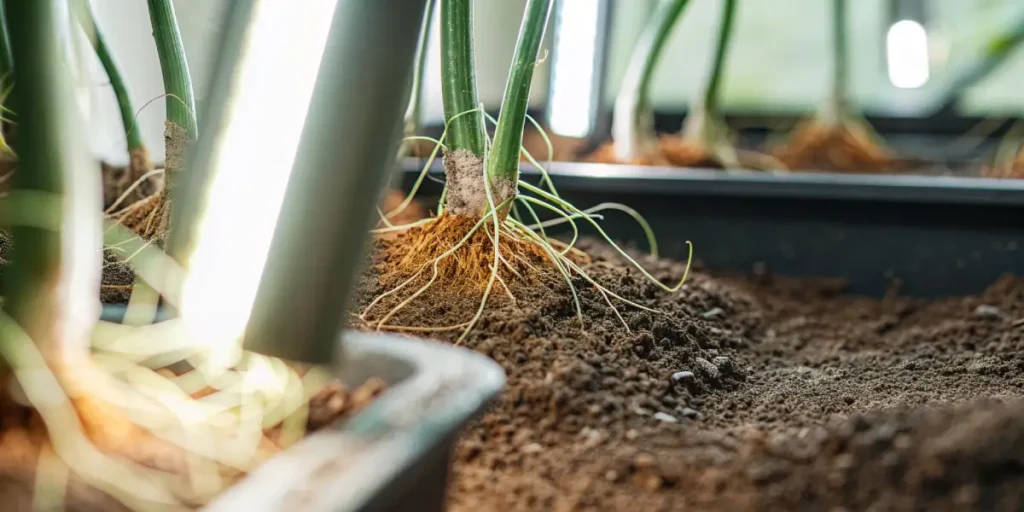
Enzymes also play a role in enhancing root system development, which is vital for nutrient uptake. A well-developed root system allows for greater access to soil nutrients, further supporting plant growth. Enzymes facilitate this by breaking down soil particles, making it easier for roots to penetrate and expand, thereby increasing the overall nutrient uptake capacity of the plant.
Additionally, enzymes help in mineralizing nutrients, a process that converts organic nutrients into inorganic forms that plants can readily absorb. This mineralization is essential for ensuring that cannabis plants have a steady supply of nutrients throughout their growth cycle, leading to more consistent and robust plant development.
Can enzymes help in preventing nutrient lockout in cannabis plants?
Yes, enzymes can help prevent nutrient lockout, a condition where nutrients are available in the soil but inaccessible to plants. By breaking down nutrients into absorbable forms, enzymes ensure that cannabis plants can take up the necessary nutrients without hindrance. This reduces the risk of nutrient deficiencies and supports consistent plant health.
Enzymes also contribute to maintaining a balanced soil pH, which is essential for preventing nutrient lockout. By keeping the pH within an optimal range, enzymes facilitate better nutrient absorption, ensuring that your cannabis plants receive all the nutrients they need for optimal growth and yield.
Moreover, enzymes help in alleviating the buildup of salts and other compounds that can contribute to nutrient lockout. By breaking down these compounds, enzymes keep the soil environment clean and conducive to nutrient absorption. This is particularly important in hydroponic systems, where the risk of nutrient lockout is higher due to the controlled nature of the growing environment.
Enzymes also play a role in enhancing microbial activity in the soil, which can further prevent nutrient lockout. Active microbial communities work alongside enzymes to break down organic and inorganic materials, ensuring a continuous supply of nutrients to the plants. This synergy between enzymes and microbes is key to maintaining healthy and productive cannabis plants.
How can I increase enzyme activity in my cannabis soil?
Increasing enzyme activity in cannabis soil can be achieved by incorporating organic matter and enzyme-rich additives into your growing routine. Organic compost and well-rotted manure are excellent sources of natural enzymes and can boost soil health. Additionally, consider using commercial enzyme products that contain beneficial microbes and enzymes to enhance soil activity.
Maintaining the right soil conditions is also crucial for enzyme activity. Ensure that your soil has a balanced pH and adequate moisture levels, as these factors influence enzyme function. Regularly testing and adjusting soil conditions can help create an environment where enzymes thrive, leading to better nutrient interactions and healthier cannabis plants.
Another effective method to boost enzyme activity is through crop rotation and the use of cover crops. These practices enrich the soil with organic matter and promote biodiversity, which supports a thriving enzyme population. The introduction of diverse plant species can also stimulate enzyme production, resulting in improved soil health and nutrient availability.
Additionally, minimizing soil disturbance by reducing tillage can preserve the natural enzyme activity in the soil. Tillage can disrupt the soil structure and microbial habitats, leading to reduced enzyme function. By adopting no-till or low-till farming practices, growers can maintain a stable environment for enzymes to perform their essential roles in nutrient cycling.
Do specific cannabis strains benefit more from enzyme activity?
While all cannabis strains can benefit from enzyme activity, certain strains may show more pronounced improvements in growth and yield due to efficient nutrient uptake facilitated by enzymes. Strains like Gelato 41, Purple Haze, and Critical Daddy Purple from Blimburn Seeds are known for their robust growth and high yields, which are often enhanced by active enzyme function in the soil.
These strains, when grown in enzyme-rich environments, can exhibit improved nutrient absorption, leading to stronger plants and higher yields. The role of enzymes in cannabis nutrient interactions is crucial for maximizing the potential of these strains, making them excellent choices for growers who prioritize both quality and quantity.
Moreover, strains that require specific nutrient profiles or have unique growth characteristics may benefit more from targeted enzyme activity. Enzymes can be used strategically to release particular nutrients that a strain might need more of, ensuring that these plants thrive in their specific growing conditions. This targeted approach can lead to superior plant performance and enhanced terpene and cannabinoid profiles.
Besides, experimental strains that are bred for specific traits such as increased potency or resilience to environmental stressors may rely heavily on enzyme activity to reach their full potential. By optimizing enzyme function in the soil, growers can support the unique needs of these strains, resulting in a more successful cultivation process and a higher-quality end product.