Essential Quality Control in Cannabis Residue Testing: Expert Guide

Quality control in cannabis residue testing is crucial for ensuring that the cannabis products consumed are safe and meet the required standards. It’s important for both novice and experienced growers to understand the significance of stringent testing processes. Whether you’re looking to buy seeds or cultivate your own strains, knowing how residue testing works is vital.
For instance, Blimburn Seeds offers strains like GG4, which are renowned for their potency. However, without proper quality control protocols in cannabis testing, even the best strains can harbor unsafe levels of residues. Thus, growers should prioritize reliable testing methods to maintain product integrity. Strong programs look past residues alone: teams weigh the turnaround time and cost of PGR residue testing and formalize each step in a compliance SOP for PGR residue monitoring.
Recommended Strains

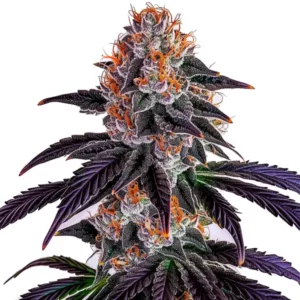
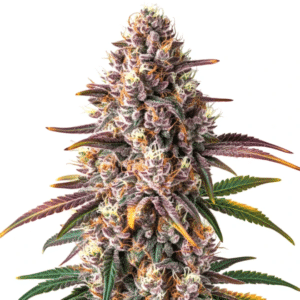
Bruce Banner #3

|
THC | 20% - 29% (High) |

|
Type | Feminized |

|
Yield | High |

|
Phenotype | 50% Indica / 50% Sativa |
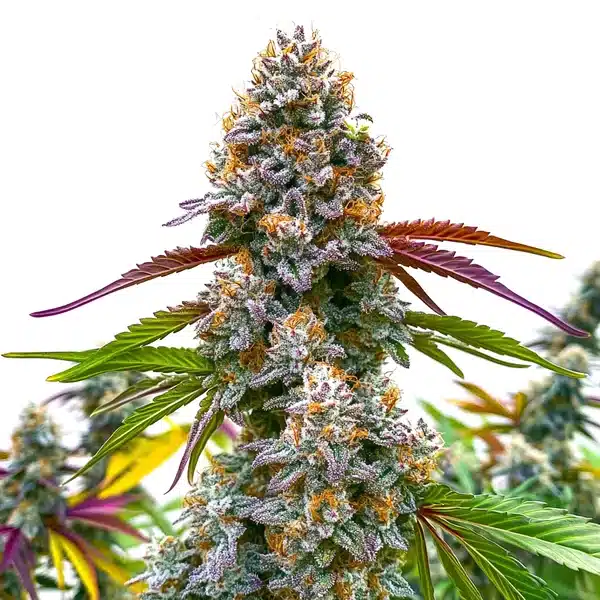
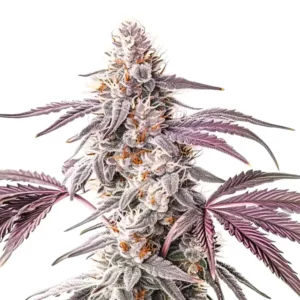
Critical Daddy Purple
|
|
THC | 19% (Medium) |
|
|
Type | Feminized |
|
|
Yield | High |
|
|
Phenotype | 50% Indica / 50% Sativa |
What does quality control in cannabis residue testing entail? Simply put, it’s all about ensuring that the cannabis you grow or purchase is free from harmful pesticides and contaminants. This involves a series of checks and balances that help in maintaining the cannabis residue testing quality assurance.
Importance of Quality Control in Cannabis Testing
Ensuring accurate cannabis residue analysis is not just a regulatory requirement; it’s a commitment to consumer safety. Cannabis products must be free from harmful residues to meet legal standards and protect consumers from potential health risks.
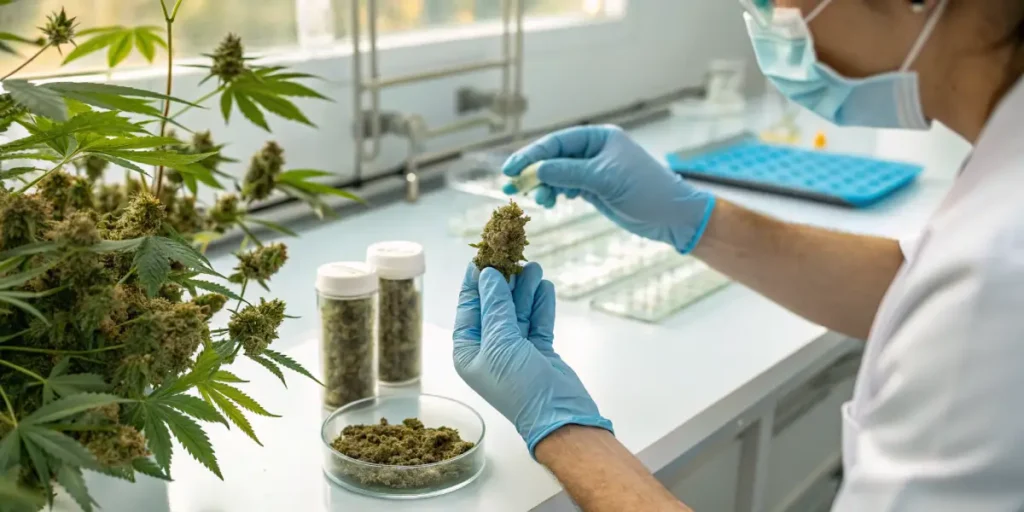
Quality control protocols in cannabis testing involve several steps. Firstly, samples are collected from different parts of the plant. This helps ensure that no section of the plant is left unchecked. Then, these samples undergo rigorous testing to detect any residues present. This systematic approach ensures that the final product is safe for consumption.
Moreover, implementing robust quality control protocols in cannabis testing is vital for maintaining industry credibility. As the cannabis market continues to expand, consumers are becoming more educated and discerning about product safety. By adhering to strict testing guidelines, companies like Blimburn Seeds can assure their customers of the high standards maintained throughout their production processes.
Besides, the function of quality control in cannabis residue testing extends beyond safety to include efficacy. Regular and detailed testing ensures that the active compounds in cannabis products remain effective, offering consumers the therapeutic benefits they seek. This comprehensive approach underlines the importance of quality control in securing both the safety and the efficacy of cannabis products.
Best Practices for Cannabis Residue Quality Control
Implementing best practices for cannabis residue quality control begins with selecting the right strains. For example, Blimburn Seeds Critical Daddy Purple is a strain that, when grown correctly, yields high-quality buds. However, the growing process must be carefully managed to prevent contamination.
- Regularly test soil and water used in cultivation.
- Use organic pesticides whenever possible.
- Maintain clean cultivation environments to avoid cross-contamination.
Additionally, adopting a preventive approach in cannabis cultivation can significantly enhance the quality control process. By integrating best practices for cannabis residue quality control into daily operations, growers can minimize the risk of contamination and maximize the quality of their harvest. This proactive stance not only protects consumers but also strengthens the brand’s reputation.
Moreover, collaboration with testing laboratories can further improve the quality control process. By leveraging the expertise of these labs, growers can stay informed about the latest advancements in testing methodologies. This knowledge transfer facilitates the adoption of innovative practices that contribute to maintaining the highest standards in cannabis residue testing quality assurance.
Moreover, growers should invest in training programs for their staff. Educating the team about the importance of quality control in cannabis residue testing can significantly reduce the chances of errors. It’s a proactive approach that ensures everyone involved understands their role in maintaining quality.
Another critical aspect is documentation. Keeping detailed records of testing processes and results helps in tracking any inconsistencies. This transparency not only aids in compliance but also builds trust with consumers who rely on the safety of cannabis products.
Cannabis Lab Quality Management Systems
A robust cannabis lab quality management system is essential for any testing facility. These systems provide a structured framework for managing all lab activities, from sample collection to the final analysis. They ensure that every step follows strict guidelines, minimizing the risk of error.
For instance, consider the meticulous testing required for a strain like Blimburn Seeds Bruce Banner. Known for its high THC content, Bruce Banner must be thoroughly tested to ensure no harmful residues are present. A reliable quality management system can manage this complexity effectively.
Implementing cannabis lab quality management systems allows for standardized processes across testing facilities. These systems ensure consistency in testing, which is crucial for maintaining the integrity of lab results. By standardizing procedures, labs can provide reliable and reproducible results, reinforcing the importance of quality control in cannabis residue testing.
Furthermore, these systems often incorporate continuous improvement mechanisms, enabling labs to adapt to new challenges and advances in technology. This adaptability ensures that labs remain at the forefront of testing accuracy, thus providing cannabis companies like Blimburn Seeds with the assurance that their products consistently meet safety standards.
- Implement standardized operating procedures (SOPs) for all testing processes.
- Ensure all equipment is properly maintained and calibrated.
- Regularly audit lab processes to identify areas for improvement.
Besides, having a system that allows for continuous monitoring and improvement is beneficial. Labs should be open to adopting new technologies and methodologies that enhance testing accuracy. This adaptability is key to maintaining the highest standards in cannabis residue testing quality assurance.
It is also important to recognize the function of third-party audits in enhancing the reliability of cannabis lab quality management systems. These audits provide an external perspective on the effectiveness of existing processes, helping labs to identify potential areas for enhancement. By embracing external evaluations, labs can further refine their quality control measures and ensure ongoing compliance with industry standards.
Promos & Deals


FAQs about quality control in cannabis residue testing
What are the main contaminants tested in cannabis residue testing?
Cannabis residue testing primarily focuses on detecting pesticides, heavy metals, and microbial contaminants. Pesticides used during cultivation can linger in the final product if not properly managed. Heavy metals can be absorbed from the soil, posing health risks to consumers. Microbial contaminants like molds and bacteria are also a concern, especially in improperly stored or cured cannabis.
Testing labs utilize sophisticated methods to detect these contaminants accurately. For instance, gas chromatography-mass spectrometry (GC-MS) is commonly used to identify and quantify pesticide residues. By employing such advanced techniques, labs ensure that products are safe and meet regulatory standards.
Besides to these common contaminants, cannabis residue testing also targets other potential hazards such as mycotoxins and residual solvents. Mycotoxins, produced by certain molds, can be harmful even in small quantities, while residual solvents used in extraction processes must be carefully monitored to prevent adverse effects. This comprehensive approach is vital for ensuring accurate cannabis residue analysis and safeguarding consumer health.
Moreover, as the industry evolves, testing protocols are continuously refined to include emerging contaminants and adapt to new regulatory requirements. This evolution underscores the importance of maintaining flexibility in testing methodologies, allowing labs to respond swiftly to changes and uphold the highest standards of cannabis residue testing quality assurance.
How often should cannabis be tested for residues?
The frequency of testing depends on several factors, including the growth cycle, cultivation practices, and regulatory requirements. Generally, it’s advisable to conduct residue testing at multiple stages of the growth and post-harvest process. This includes testing soil and water before planting, mid-growth checks, and final product testing before distribution.
Regular testing helps identify potential issues early and allows growers to take corrective actions promptly. By adopting this practice, growers can ensure that their products, like those from Blimburn Seeds, remain safe and compliant with industry standards.
Periodic testing not only identifies existing issues but also provides valuable data for improving cultivation practices. By analyzing trends in test results, growers can adjust their methods to enhance yield quality and minimize contamination risks. This data-driven approach reinforces the function of quality control in cannabis residue testing as a tool for continuous improvement.
Additionally, growers should stay informed about changes in regulatory requirements, as these may affect testing frequency and scope. By proactively adapting to new standards, growers can maintain compliance and uphold the trust of their customers, further highlighting the importance of comprehensive quality control measures in cannabis production.
Can home growers perform cannabis residue testing?
While home growers can test their cannabis for residues, it requires access to specialized equipment and expertise. Most home growers opt to send samples to professional labs for accurate analysis. These labs have the necessary technology and skilled personnel to conduct thorough testing.
For home growers, focusing on preventive measures is crucial. Using organic cultivation practices and maintaining clean growing environments can significantly reduce the risk of contamination. However, for peace of mind, professional testing remains the best option to ensure product safety.
Knowing the limitations of home-based testing is essential for ensuring accurate cannabis residue analysis. While some DIY kits are available, they often lack the precision and reliability of professional lab equipment. Thus, relying on established labs helps home growers achieve a higher level of confidence in the safety and quality of their cannabis products.
Furthermore, by collaborating with professional testing facilities, home growers can access valuable insights and recommendations based on test results. This partnership can enhance their cultivation practices and contribute to maintaining the highest standards of quality control in cannabis residue testing, even at a smaller scale.
What are the consequences of failing cannabis residue tests?
Failing a cannabis residue test can have serious implications for growers and distributors. Products that do not meet safety standards cannot be legally sold, leading to financial losses. It can also damage the reputation of brands, as consumers rely on consistent quality and safety assurances.
In some regions, failing residue tests may result besides penalties, including fines or license suspensions. Therefore, adhering to best practices for cannabis residue quality control is essential to avoid such setbacks. Consistently passing these tests is a testament to a brand’s commitment to safety, much like the renowned reliability of Blimburn Seeds’ strains.
The ramifications of failing cannabis residue tests extend beyond immediate financial loss. They can disrupt supply chains, delay product launches, and erode consumer trust. This underscores the criticality of robust quality control protocols in cannabis testing to prevent such outcomes and ensure business continuity.
Moreover, the reputational damage from failing residue tests can have long-term effects on market positioning. Brands that consistently prioritize quality control in cannabis residue testing, like Blimburn Seeds, are better positioned to maintain consumer loyalty and navigate regulatory challenges effectively. This commitment to safety and quality is essential for sustaining success in the competitive cannabis industry.
How does quality control in cannabis residue testing affect consumers?
For consumers, quality control in cannabis residue testing ensures that the products they use are safe and free from harmful residues. This safety assurance builds trust and confidence in cannabis products. Consumers can enjoy the benefits of cannabis without worrying about potential health risks from contaminants.
Additionally, consistent quality control practices lead to better product consistency. Consumers can expect the same level of quality from their favorite strains, whether they’re purchasing Gorilla G or Bruce Banner from Blimburn Seeds. This reliability is crucial for both recreational and medicinal cannabis users who depend on specific effects and benefits.
Quality control in cannabis residue testing also empowers consumers with informed choice. As transparency in testing practices becomes a norm, consumers can make educated decisions about the products they purchase, aligning with their safety and efficacy expectations. This level of transparency fosters a culture of accountability within the industry.
Furthermore, as consumers become more health-conscious, they increasingly value brands that demonstrate a commitment to rigorous quality control measures. By prioritizing cannabis residue testing quality assurance, companies can differentiate themselves in the market and build lasting relationships with their customer base, thereby ensuring long-term success and consumer satisfaction.