Essential Insights: What Growers Must Know About Cannabis Testing Labs

In the rapidly evolving world of cannabis cultivation, cannabis testing labs: what growers need to know is essential for understanding how these facilities improve product safety. These labs ensure that your cannabis meets all necessary compliance requirements, providing a safer product for consumers. For growers, these insights can make all the difference in maintaining a successful operation.
Imagine investing months growing a premium strain like GG4 from Blimburn Seeds, only to find out it doesn’t meet regulatory standards. Cannabis testing labs help avoid such pitfalls by offering detailed insights into cannabinoid content, terpene profiles, and potential contaminants. These labs are your best ally in navigating the complexities of cannabis lab testing processes for growers.
Recommended Strains

CBD Critical Mass (1:1)

|
CBD | 5% (Low) |

|
Type | CBD Feminized |

|
Yield | Medium |

|
Phenotype | 60% Indica / 40% Sativa |
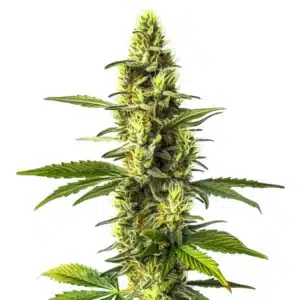
Amnesia Lemon

|
THC | 18% - 21% (Medium) |
|
|
Type | Feminized |
|
|
Yield | Medium |
|
|
Phenotype | 40% Indica / 60% Sativa |
The cost of cannabis testing for growers can vary, but it’s a small price to pay for ensuring your product’s quality and safety. By choosing the right cannabis testing lab, you can not only adhere to legal standards but also boost your brand’s reputation among discerning consumers.
The Importance of Compliance Requirements
Cannabis testing labs compliance requirements are not just bureaucratic hurdles; they are essential for ensuring consumer safety. Meeting these standards guarantees that your product is free from harmful substances like pesticides and heavy metals. These requirements also confirm the product’s potency, which is especially important for medical cannabis users.
For example, if you’re cultivating a high-CBD strain like CBD Critical Mass from Blimburn Seeds, you’ll want to ensure that the CBD content matches what’s advertised. Labs can verify this, providing an additional layer of consumer trust. Complying with these guidelines helps you avoid costly recalls and potential legal issues, ensuring your business remains viable and respected.
Knowing cannabis testing labs: what growers need to know is vital in maintaining transparency with consumers. When products pass stringent compliance checks, it builds confidence and trust among customers, which is invaluable in the highly competitive cannabis market. This transparency can set your brand apart, making it a preferred choice for consumers who prioritize safety and quality.
Moreover, compliance requirements help standardize the industry, fostering a level playing field where quality is the benchmark. For growers, this means an opportunity to highlight the unique attributes of their strains, like the terpene-rich Blue Dream from Blimburn Seeds, without compromising on safety or legality. Staying informed about these requirements can also aid in swift adaptation to any regulatory changes, ensuring ongoing compliance and business success.
Key Processes in Cannabis Lab Testing
The first step in the cannabis lab testing process is sampling. Labs take a representative sample of your product to analyze its various components. This helps in providing accurate results that reflect the entire batch. After sampling, the next step is cannabinoid profiling. This process identifies the levels of THC, CBD, and other cannabinoids, giving growers a clear picture of the product’s potency.
Following cannabinoid profiling, terpene analysis is conducted. Terpenes are the compounds responsible for the aroma and flavor of cannabis. Knowing the terpene profile can help you market your strain more effectively. Growers of Blue Dream from Blimburn Seeds, for instance, can leverage its unique terpene profile to appeal to specific consumer preferences.
The cannabis lab testing processes for growers do not stop at profiling; they extend to advanced testing for residual solvents and microbiological contaminants. These tests are crucial for ensuring that the extraction methods used do not leave harmful residues that could affect consumer health. By knowing and implementing these processes, growers can uphold the highest standards of product integrity and safety.
Additionally, the detailed reports generated from these testing processes offer valuable insights for improving cultivation techniques. This knowledge can be used to refine growing practices, such as optimizing nutrient feeding schedules or adjusting environmental conditions, ultimately enhancing the overall quality of future harvests. Staying informed about these processes is essential for growers aiming to produce superior cannabis products consistently.
Promos & Deals




Choosing the Right Cannabis Testing Lab
Selecting the right cannabis testing lab is vital for ensuring accurate and reliable results. Start by researching labs with a solid reputation for precision and timeliness. Check their accreditation and make sure they meet the necessary regulatory standards. This will give you confidence in their ability to deliver trustworthy results.
Consider the range of services offered. Some labs provide more than just standard testing, offering additional analyses that can provide deeper insights into your product. This is particularly beneficial if you’re growing a unique strain like Amnesia Lemon from Blimburn Seeds, which may have specific characteristics you want to highlight.
Choosing the right cannabis testing lab goes beyond basic criteria; it’s about finding a partner that understands your specific needs and challenges. Look for labs that offer personalized consultations and support, helping you interpret results and make informed decisions about your cultivation strategies. This collaborative approach can significantly enhance the quality and marketability of your products.
The cost of cannabis testing for growers is an important consideration but should never compromise the quality of testing. High-quality labs may charge more, but the investment pays off through accurate testing that protects your brand’s reputation and ensures consumer safety. Weighing the potential long-term benefits against upfront costs can guide you in making a choice that supports sustained success in the cannabis industry.

FAQs about Cannabis testing labs: what growers need to know
Why are cannabis testing labs essential for growers?
Cannabis testing labs are crucial for growers because they ensure that the product is safe and compliant with regulatory standards. By analyzing various aspects of cannabis, such as cannabinoid content and contaminants, these labs help growers maintain product quality and safety.
Without these tests, growers risk releasing products that could harm consumers or fail to meet legal requirements. This emphasizes the importance of knowing what cannabis testing labs can do for your operation, ensuring that your product is as advertised.
Knowing how cannabis testing labs improve product safety is fundamental for growers who are committed to delivering high-quality products. These labs serve as an essential checkpoint in the cultivation process, identifying any potential issues before the product reaches consumers. This proactive approach not only protects public health but also preserves the integrity of the cannabis industry.
Additionally, the insights gained from lab testing can guide growers in refining their cultivation practices. By knowing the specific components and potential contaminants of their cannabis, growers can make data-driven adjustments to improve future harvests. This continuous improvement cycle is key to maintaining a competitive edge and fulfilling consumer expectations in a rapidly evolving market.
What are the main compliance requirements for cannabis testing?
The compliance requirements for cannabis testing include checking for contaminants like pesticides and heavy metals, verifying THC and CBD levels, and confirming the absence of mold or other harmful substances. These checks ensure that the product is safe for consumption and meets legal standards.
Meeting these compliance requirements not only protects consumers but also helps growers avoid legal issues and potential recalls. It’s essential for maintaining a trustworthy brand in the competitive cannabis market.
Furthermore, cannabis testing labs compliance requirements play a critical role in standardizing the industry, setting clear guidelines that all cultivators must follow. This standardization ensures that all products meet a baseline of safety and quality, which is vital for consumer confidence and industry credibility. By adhering to these requirements, growers contribute to a more transparent and reliable marketplace.
Besides to meeting minimum legal standards, many growers choose to exceed compliance requirements to differentiate their products in the market. By doing so, they can highlight the superior quality and safety of their cannabis, attracting discerning consumers who are willing to pay a premium for trusted products. This strategy not only boosts brand reputation but also expands market opportunities.
How do cannabis testing labs improve product safety?
Cannabis testing labs improve product safety by identifying and eliminating harmful substances from the final product. They provide detailed reports on cannabinoid levels, terpene profiles, and potential contaminants, ensuring that the product is safe for consumption.
By using these labs, growers can assure consumers that their products are free from harmful substances and accurately labeled for potency, enhancing consumer trust and brand reputation.
Moreover, the role of cannabis testing labs extends beyond immediate safety concerns. These labs also help in identifying trends and emerging issues within the industry, such as new contaminants or changing consumer preferences. By staying ahead of these trends, growers can adapt their practices to remain compliant and competitive, ensuring long-term success in the market.
The insights provided by testing labs can also inform marketing strategies, allowing growers to highlight the unique attributes of their strains. For instance, a detailed terpene profile can be used to emphasize the distinct aroma and flavor of a strain like Amnesia Lemon from Blimburn Seeds, appealing to consumers seeking a specific sensory experience.
What is involved in the cannabis lab testing process for growers?
The cannabis lab testing process for growers involves several key steps, starting with sampling. Labs take representative samples to ensure that the results are accurate and reflective of the entire batch. This is followed by cannabinoid profiling to determine the levels of THC, CBD, and other cannabinoids.
Further analysis includes terpene profiling and testing for contaminants. These steps ensure that the product is not only potent but also safe, meeting all necessary regulatory requirements and consumer expectations.
The cannabis lab testing processes for growers are designed to provide comprehensive insights into the quality and safety of their products. This thorough approach helps growers identify any potential issues early, allowing them to address problems before the product reaches consumers. By implementing these processes, growers can maintain high standards of product excellence and consumer satisfaction.
Additionally, the data obtained from lab testing can serve as a valuable resource for continuous improvement. Growers can analyze trends in test results over time to refine their cultivation techniques, optimizing factors such as soil composition, watering schedules, and light exposure. This commitment to ongoing improvement not only enhances product quality but also supports sustainable and successful cultivation practices.
How can growers manage the cost of cannabis testing?
Managing the cost of cannabis testing involves finding a balance between quality and affordability. While it may be tempting to choose the cheapest option, investing in a reputable lab ensures accurate results and compliance, which can save money in the long run by avoiding legal issues or recalls.
Growers can also look for labs that offer tailored packages or discounts for bulk testing. Collaborating with a lab that understands your specific needs can lead to more efficient testing processes and reduced costs over time.
Another strategy for managing the cost of cannabis testing for growers is to explore partnerships with testing labs. Many labs are open to forming long-term relationships with growers, offering loyalty discounts or flexible payment plans that can ease the financial burden of regular testing. These partnerships can provide mutual benefits, ensuring consistent quality and reliability in testing services.
Investing in education and staying informed about the latest testing technologies and methodologies can also help growers manage costs. By knowing the testing process and the factors that influence pricing, growers can make strategic decisions that optimize their investment in testing services. This proactive approach supports both cost-efficiency and product excellence, contributing to a successful cannabis business.