Do Heavy Metals Concentrate More in Flower or Leaves? Expert Insights

Heavy metals in plants can be a real concern, especially for those growing cannabis. One of the most common questions growers ask is: do heavy metals concentrate more in flower or leaves? Knowing whether do heavy metals concentrate more in flower or leaves is essential for making informed cultivation decisions. This knowledge helps in choosing the right practices, minimizing contamination risks, and ensuring a safer final product.
Heavy metal concentration in plant leaves vs flowers can vary widely. Some studies suggest that leaves might accumulate more metals due to their larger surface area. However, flowers can also absorb significant amounts, depending on the type of metal and plant species.
Recommended Strains

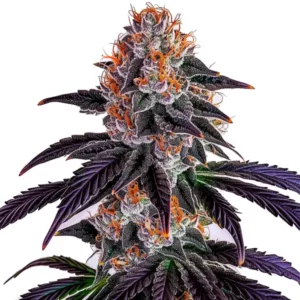
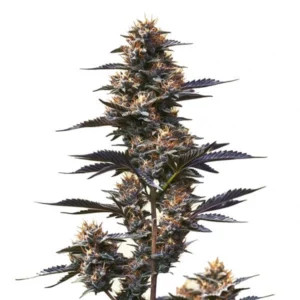
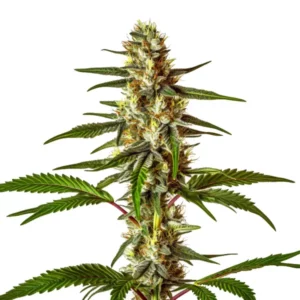
GG4

|
THC | 27% (High) |

|
Type | Feminized |

|
Yield | High |

|
Phenotype | 40% Indica / 60% Sativa |
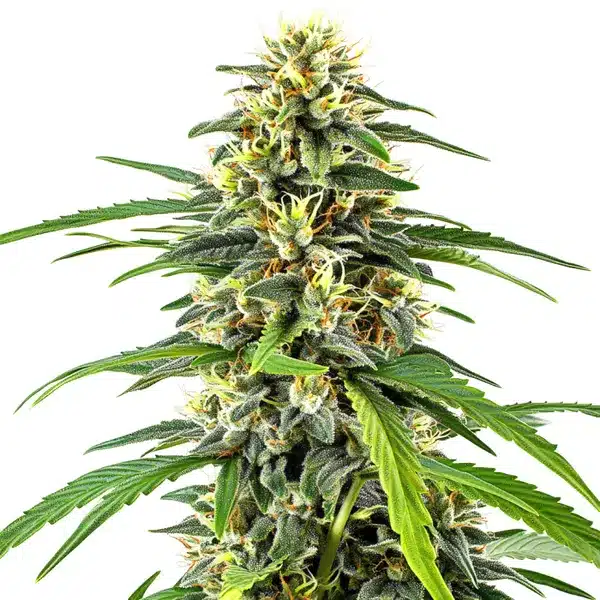
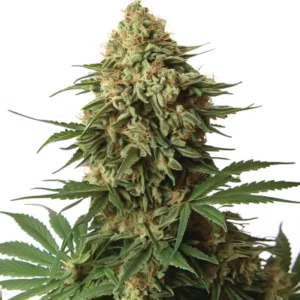
Amnesia Haze
|
|
THC | 18% - 22% (Medium) |
|
|
Type | Feminized |
|
|
Yield | High |
|
|
Phenotype | 30% Indica / 70% Sativa |
Knowing where these metals concentrate can help you make informed decisions on soil use, water sources, and even the choice of cannabis strains. For instance, Blimburn Seeds offers strains like GG4, which are known for their resilience and adaptability to different growing conditions.
Heavy Metals in Plant Tissues: An Overview
Heavy metals are elements that can be toxic even at low concentrations, raising important questions such as do heavy metals concentrate more in flower or leaves. They include lead, cadmium, and mercury, among others. In the context of cannabis, these metals can enter the plant through soil and water, becoming part of the plant tissues.
Heavy metals distribution in plant tissues is influenced by several factors such as soil pH, plant species, and environmental conditions. Leaves are often the first line of contact with pollutants, hence they might show higher levels of metal accumulation.
Furthermore, the heavy metal concentration in plant leaves vs flowers can vary due to the physiological functions of these plant parts. Leaves, being involved in photosynthesis, might absorb metals from both the soil and the air. Flowers, however, might absorb metals as they draw more nutrients during flowering.
Another factor to consider is the plant’s growth stage. Younger plants may exhibit different patterns of heavy metal uptake compared to mature plants. As plants grow, the distribution of metals might shift, affecting both leaves and flowers differently.
Do Flowers Accumulate More Heavy Metals Than Leaves?
The question of whether flowers accumulate more heavy metals than leaves is complex. Flowers might absorb metals differently due to their role in reproduction. They often get more nutrients and water, which could include metal contaminants.
However, leaves are exposed to air and soil directly, increasing their chances of absorbing heavy metals. The large surface area of leaves makes them more susceptible to collecting airborne particles. This is why some growers prefer to test both flowers and leaves for contaminants.
In some cases, the plant parts with highest heavy metal accumulation might differ based on the type of metal. For instance, cadmium might be found more in leaves, while lead might show higher concentrations in flowers.
Knowing the heavy metal uptake differences between leaves and flowers is essential for developing targeted strategies to minimize contamination. This could involve selective breeding or environmental modifications to limit metal exposure to specific plant parts.
Promos & Deals
The Impact of Growing Conditions
Growing conditions significantly affect heavy metal uptake differences between leaves and flowers. Soil type, water quality, and even air pollution are crucial factors. For instance, clay soils might hold more metals, increasing uptake by the plant.
Water quality is another important consideration. Contaminated water can introduce heavy metals into your cannabis plants, affecting both leaves and flowers. Using filtered water or rainwater can help minimize this risk.
Environmental factors such as temperature and humidity can also play a role in how heavy metals concentrate in plant tissues. High humidity might enhance the absorption of metals from the air, particularly affecting the leaves.
Additionally, the use of pesticides and fertilizers can contribute to increased metal levels in plants. Choosing organic options or products with low heavy metal content can help reduce the risk of contamination in both flowers and leaves.
Practical Tips for Managing Heavy Metal Uptake
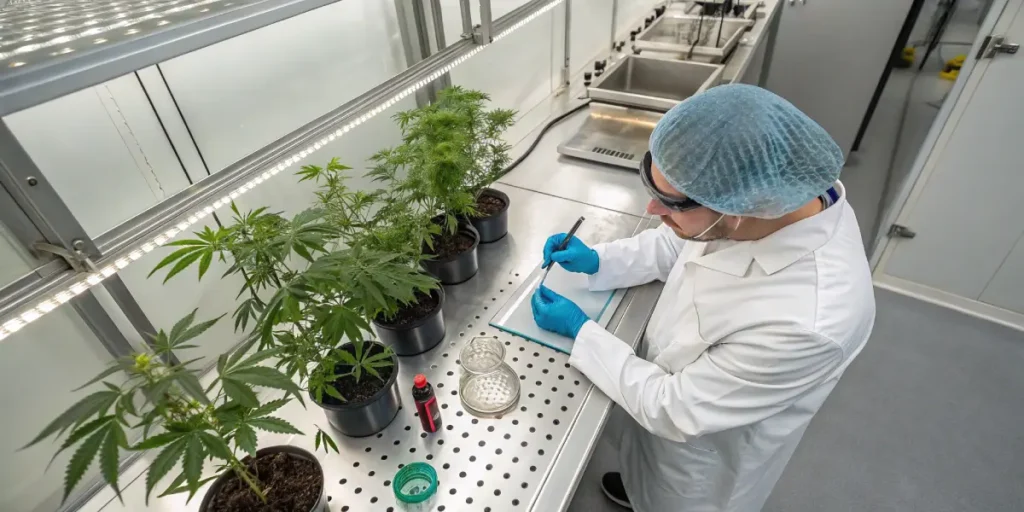
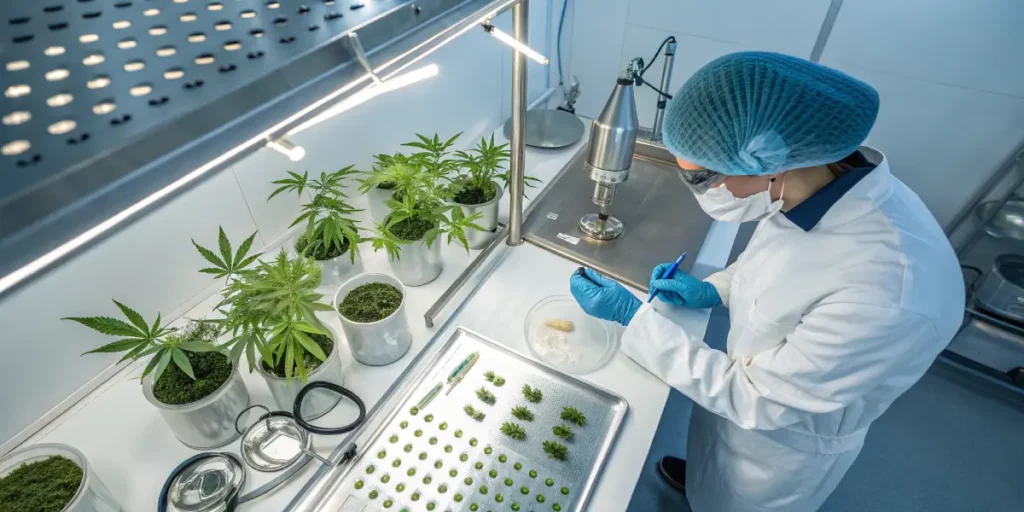
To manage heavy metal uptake in your cannabis plants, start with testing your soil. Knowing what is in your soil helps you take preventive measures. Use soil amendments like lime to reduce metal availability.
Opt for cannabis strains that have been tested for resilience against heavy metals. Strains like Amnesia Haze from Blimburn Seeds are known for their strong growth and resistance to various stressors, making them a good choice for safer cultivation.
Incorporating companion planting techniques can also be beneficial. Certain plants are known to absorb heavy metals, which can reduce the overall metal content in your cannabis plants by altering the soil composition.
Monitoring and adjusting irrigation practices can further control the levels of heavy metals. Ensuring that water runoff does not contaminate the surrounding soil is crucial for maintaining lower metal levels in plant tissues.
Choosing the Right Cannabis Strains
Not all cannabis strains are equal when it comes to heavy metal accumulation. Some strains naturally absorb fewer metals, making them safer for cultivation in less-than-ideal conditions.
Blimburn Seeds offers a range of strains that have been selected for their ability to thrive in various environments. Choosing the right strain is crucial for managing heavy metal risks effectively.
Considering the heavy metals distribution in plant tissues, selecting strains with a natural resistance to metal uptake can significantly reduce the risk of contamination. This is particularly important for growers in urban or industrial areas.
Investing in genetic research and breeding programs focused on metal resilience can yield strains that are less prone to heavy metal accumulation, offering a safer and more sustainable cultivation option.
FAQs about do heavy metals concentrate more in flower or leaves
How do heavy metals enter cannabis plants?
Heavy metals enter cannabis plants primarily through the soil and water. When soil is contaminated, the roots absorb these metals, which then travel to other parts of the plant. Watering with contaminated water exacerbates this issue.
Additionally, airborne particles can settle on leaves and flowers, contributing to metal accumulation. It’s essential to manage these sources to reduce heavy metal uptake in your plants.
Knowing the sources of contamination helps growers implement better practices, such as using raised beds to minimize soil contact or installing air filtration systems in greenhouses.
Regular environmental assessments and updates on local pollution levels can guide growers in taking proactive measures to protect their cannabis plants from heavy metal exposure.
What are the most common heavy metals found in cannabis plants?
Lead, cadmium, and mercury are the most common heavy metals found in cannabis plants. These metals can be toxic even at low levels, making it important for growers to monitor their presence closely.
Regular testing and choosing strains known for their resilience, such as those RS54 Cannabis Extraction from Blimburn Seeds, can help mitigate these risks. Knowing which metals are prevalent in your area can guide your testing efforts.
Arsenic and chromium are also occasionally detected in cannabis plants, further highlighting the importance of comprehensive testing to ensure consumer safety.
Knowing the predominant metals in your region can assist in selecting the appropriate testing methods and frequencies to ensure the highest standards of product safety and quality.
Can I reduce heavy metal levels in my harvested cannabis?
Reducing heavy metal levels post-harvest is challenging. The best approach is preventative: ensuring your growing conditions do not contribute to metal uptake. Soil amendments and clean water are key strategies.
Once harvested, thorough washing of the plant parts may remove some surface contaminants, but it won’t reduce metals already absorbed into the plant tissues. Prevention is the most effective strategy.
Post-harvest treatments such as ozonation have been explored, but their effectiveness in significantly reducing internal metal content is limited. Thus, focusing on pre-harvest interventions remains crucial.
Regular audits of cultivation practices and implementing continuous improvements can help in maintaining lower levels of heavy metals in your cannabis products, ensuring safety and compliance.
Why is it important to monitor heavy metal levels in cannabis?
Monitoring heavy metal levels is crucial for ensuring the safety and quality of cannabis products. Metals like lead and cadmium are harmful to health, and their presence in cannabis can pose risks to consumers.
Regulatory standards for heavy metals vary, but exceeding these limits can lead to product recalls and damage to your reputation. Regular testing helps maintain compliance and consumer trust.
Frequent monitoring not only assures compliance but also provides insights into the effectiveness of your cultivation practices and environmental controls, enabling targeted improvements.
Consumer awareness regarding product safety is increasing, making transparency in heavy metal testing a key differentiator in the competitive cannabis market.
Are there any legal guidelines for heavy metal content in cannabis?
Yes, many regions have set legal guidelines for allowable heavy metal content in cannabis products. These guidelines are designed to protect consumer health and are based on scientific evidence.
Staying informed about these regulations is essential for any grower. Compliance not only ensures safety but also enhances your credibility in the market. Always keep up-to-date with local and international standards.
Besides, knowing the penalties for non-compliance can drive the adoption of best practices and technologies to ensure adherence to these legal standards.
Participating in industry forums and regulatory consultations can provide valuable insights into upcoming changes in legislation, helping growers stay ahead of compliance challenges.