Essential Guide: Proven Light and Heat Effects on Cannabinoids

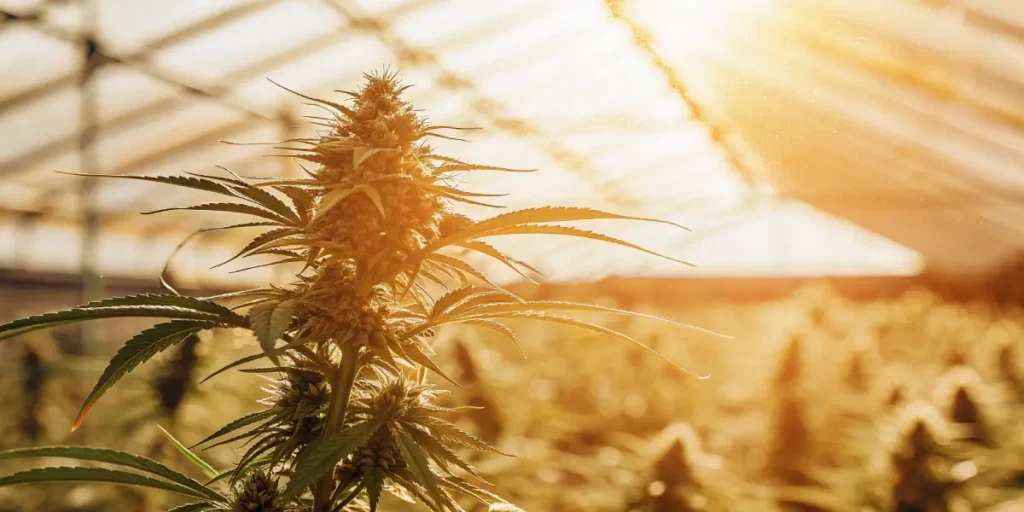
In the world of cannabis cultivation, the light and heat effects on cannabinoids are crucial. They change the way your plants grow and influence their chemical makeup. Whether you’re new to growing or have years of experience, knowing these impacts can enhance your harvest.
Cannabinoids, the active compounds in cannabis, are sensitive to environmental changes. When exposed to light and heat, they can degrade or transform. This affects both the potency and the therapeutic value of your crop. Proper management of these factors leads to healthier plants and better yields.
Recommended Strains
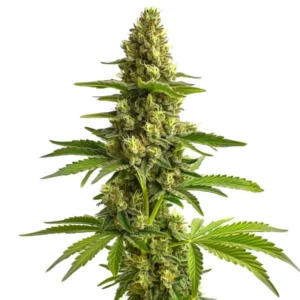
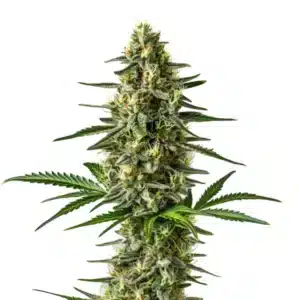
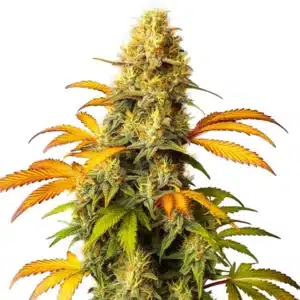
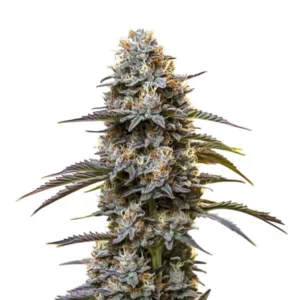
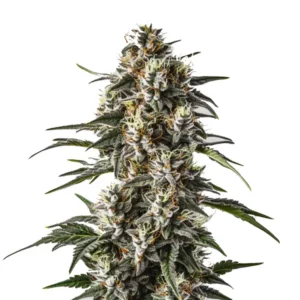
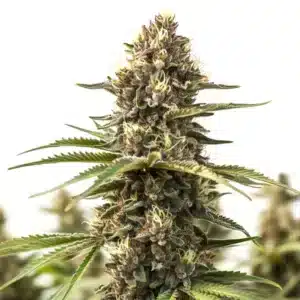
Bruce Banner #3

|
THC | 20% - 29% (High) |

|
Type | Feminized |

|
Yield | Medium |

|
Phenotype | 50% Indica / 50% Sativa |
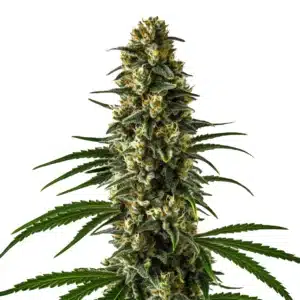
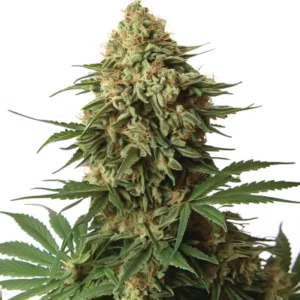
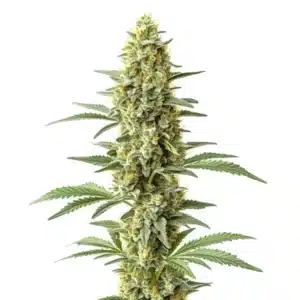
Girl Scout Cookies
|
|
THC | 18% - 25% (Medium) |
|
|
Type | Feminized |
|
|
Yield | High |
|
|
Phenotype | 60% Indica / 40% Sativa |
Light influences plant growth through photosynthesis. However, it also affects cannabinoid levels. Excessive light can degrade cannabinoids, while insufficient light can stunt growth. Balance is key. Growers should aim for optimal light conditions to maximize cannabinoid stability and potency.
Effects of Light Exposure on Cannabinoids
Light exposure plays a significant role in the development of cannabinoids. During the flowering stage, cannabis plants require specific light cycles to produce high-quality buds. Too much light can cause the degradation of THC, the most well-known cannabinoid.
It’s essential to provide the right amount of light to maintain the stability of cannabinoids under different light conditions. For example, Blimburn Seeds Girl Scout Cookies strain thrives under controlled light conditions, ensuring maximum cannabinoid retention. This strain is known for its potent effects and rich flavor profile.
The effects of light exposure on cannabinoids are not only about quantity but also quality. Different wavelengths of light can influence the synthesis of cannabinoids and terpenes, enhancing the plant’s overall profile. Knowing light and heat effects on cannabinoids is essential, as temperature management works alongside lighting to preserve potency and terpene integrity. Full-spectrum lights are often recommended for indoor growing, as they mimic natural sunlight and support the plant’s complete developmental needs.
Moreover, managing the effects of light exposure on cannabinoids involves knowing how light cycles affect plant biology. The ratio of light to darkness can trigger different growth phases, influencing when the plant produces specific cannabinoids. By fine-tuning these cycles, growers can optimize both cannabinoid content and plant health, enhancing the overall yield.
How Heat Affects Cannabinoid Profiles
Heat can dramatically alter cannabinoid profiles. High temperatures can lead to the heat degradation of cannabinoids in cannabis. This means your plants could lose potency if exposed to too much heat. Managing temperature is crucial for preserving valuable compounds like THC and CBD.
Many growers use cooling systems to prevent cannabinoid potency loss due to light and heat. For instance, the Bruce Banner 3 strain from Blimburn Seeds benefits from a well-regulated environment. This strain is famous for its high THC levels and unique terpene profile, which can be preserved with proper temperature control.
Knowing how heat affects cannabinoid profiles involves recognizing that temperature influences not just the degradation but also the synthesis of cannabinoids. While high temperatures can lead to cannabinoid breakdown, slightly elevated temperatures during certain growth phases can enhance the production of specific cannabinoids and terpenes.
However, the key is to avoid extremes. Extended periods of heat can lead to irreversible damage, impacting both the quality and quantity of cannabinoids. Knowing the light and heat effects on cannabinoids allows growers to use climate control tools like thermometers and humidity gauges to maintain optimal conditions, ensuring the plant’s genetic potential is fully realized.
Promos & Deals
Practical Light and Heat Management Tips
Managing light and heat can seem daunting, but a few simple steps can make a big difference. First, invest in quality grow lights. LED lights are energy-efficient and generate less heat, reducing the risk of cannabinoid degradation.
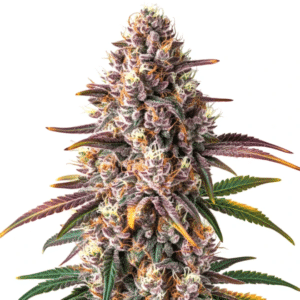
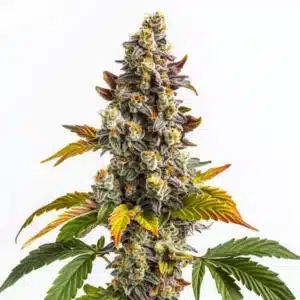
Consider using light cycles that mimic natural sunlight. This approach helps optimize the effects of light exposure on cannabinoids. For example, Blimburn Seeds Mamba Negra strain flourishes under well-planned light cycles, resulting in robust growth and high cannabinoid production.
Besides to choosing the right equipment, monitoring your grow room environment is crucial. Regularly checking light intensity and temperature helps prevent the unwanted effects of light and heat. Using automated systems can simplify this process, allowing for precise adjustments that maintain cannabinoid stability.
Furthermore, incorporating reflective materials in your grow space can enhance light distribution, ensuring even exposure across all plants. This technique minimizes the risk of localized light and heat stress, which is especially important when considering light and heat effects on cannabinoids, promoting uniform growth and maximizing the potential of each strain, including those from Blimburn Seeds.
Real-Life Examples of Successful Cannabis Growing
Many successful growers have mastered the balance of light and heat. They carefully monitor their grow environments and make adjustments as needed. These growers often share their experiences with the community, providing valuable insights for others.
For example, one grower found that alternating between LED and natural sunlight improved the cannabinoid profiles of their plants. This technique can help prevent heat degradation of cannabinoids while ensuring plants receive enough light.
Another successful approach involves the strategic use of shade cloths or screens during peak light hours to reduce the intensity of sunlight exposure. This method protects sensitive strains from potential cannabinoid potency loss due to excessive light and heat, while still allowing enough light for healthy growth.
Additionally, growers have reported success in implementing regular checks of environmental data, such as temperature and humidity levels, to anticipate and adjust for potential stressors. This proactive management style helps maintain the stability of cannabinoids and ensures a consistent quality across harvests.
FAQs about light and heat effects on cannabinoids
What are the effects of light exposure on cannabinoids?
Light exposure can significantly influence the chemical makeup of cannabis plants. During growth, light helps with photosynthesis, but it can also degrade cannabinoids if not managed correctly. Overexposure to light, particularly UV rays, can lead to the breakdown of THC and other cannabinoids, reducing the potency of your cannabis.
To mitigate these effects, growers should aim for a balanced light schedule that mimics natural conditions. This approach helps maintain cannabinoid stability and ensures plants reach their full potential. Using strains like Blimburn Seeds Girl Scout Cookies can help achieve a successful balance, as they are bred for optimal light conditions.
Knowing the specific needs of each strain can also improve outcomes. Some strains may require more or less light exposure to optimize cannabinoid production. By tailoring light strategies to the particular requirements of each plant, growers can maximize the effects of light exposure on cannabinoids.
Moreover, integrating technologies like light sensors can provide real-time feedback on light conditions, allowing for dynamic adjustments. This ensures that even as conditions change, the stability of cannabinoids under different light conditions is maintained, preserving the plant’s potency and efficacy.
How does heat affect cannabinoid profiles in cannabis?
Heat affects cannabinoid profiles by accelerating the degradation process. High temperatures can transform cannabinoids into less potent forms, affecting the overall efficacy of the plant. This is particularly true for THC, which is sensitive to heat exposure.
To protect your plants, it’s important to maintain a stable temperature in your grow area. Using cooling systems or fans can help prevent excessive heat, preserving the cannabinoid content in strains like Blimburn Seeds Bruce Banner 3. This ensures the final product remains potent and effective.
Knowing how heat affects cannabinoid profiles is crucial for optimizing growth cycles. Controlled heat application during specific phases can enhance certain secondary metabolites without causing degradation. This balance is delicate but achievable with careful monitoring and precise control.
Additionally, integrating air circulation systems can aid in heat management by distributing temperature more evenly and preventing hot spots. This not only protects the cannabinoid integrity but also promotes a more uniform plant development across your grow space.
What are some tips for managing light and heat during cannabis cultivation?
Managing light and heat requires a combination of good equipment and strategic planning. Start by investing in high-quality LED grow lights, which are energy-efficient and generate less heat. This reduces the risk of cannabinoid degradation while providing adequate light for growth.
Additionally, use light cycles that simulate natural sunlight to enhance plant development. Reflective materials can also help distribute light evenly, ensuring all parts of the plant receive adequate exposure. This approach works well with strains like Blimburn Seeds’ Mamba Negra, promoting healthy growth and cannabinoid production.
Incorporating environmental controls such as programmable thermostats and automated light timers can streamline the process of managing light and heat. These tools help maintain optimal conditions with minimal effort, ensuring your plants receive consistent care.
Furthermore, experimenting with different light spectrums or heat levels during the various stages of growth can yield insights into optimizing cannabinoid production. Keeping detailed records of these experiments can guide future cultivation efforts, leading to continuous improvement and success.
Why is it important to control light and heat in cannabis cultivation?
Controlling light and heat is crucial for maintaining the potency and quality of cannabis plants. Unregulated light and heat can lead to the loss of key cannabinoids, affecting both the medicinal and recreational value of your crop. By managing these factors, growers can optimize their yields and produce high-quality cannabis.
Moreover, strains such as those from Blimburn Seeds are bred with specific environmental conditions in mind. By following best practices for light and heat management, growers can ensure these strains reach their full potential, providing a superior product for consumers.
Effective light and heat management also reduce the risk of stress-related issues, such as pest infestations or diseases, which can thrive under suboptimal conditions. By creating a stable environment, growers not only protect cannabinoid content but also enhance overall plant resilience.
In the long run, mastering the control of light and heat contributes to more sustainable cultivation practices. By optimizing resource use and minimizing waste, growers can achieve better economic and environmental outcomes, supporting the cannabis industry’s growth and development.
What are the common mistakes growers make regarding light and heat?
One common mistake is overexposing plants to light, thinking it will accelerate growth. While light is necessary, too much can degrade cannabinoids and reduce plant quality. It’s essential to find a balance that supports healthy growth without compromising cannabinoid stability.
Another mistake is neglecting temperature control. High temperatures can lead to heat degradation of cannabinoids, affecting the plant’s chemical profile. Growers should monitor their grow environments closely, using tools like thermometers and hygrometers to keep conditions stable. This ensures optimal growth and cannabinoid retention, especially in sensitive strains.
Additionally, overlooking the importance of humidity control can exacerbate the negative effects of light and heat. High humidity levels can compound heat stress, leading to mold growth and further cannabinoid loss. Balancing both temperature and humidity is key to maintaining a healthy grow environment.
Finally, failing to adapt strategies as plants progress through different growth phases can hinder potential yields. Each phase may require adjusted light and heat levels to optimize cannabinoid production, and knowing these needs is critical for achieving the best results.