Essential Guide: Proven Importance of Balanced Cannabis Nutrition

Growing cannabis is both an art and a science. Whether you’re a first-time seed buyer or a seasoned cultivator, knowing the importance of balanced cannabis nutrition is crucial. Balanced nutrition ensures that cannabis plants receive the right nutrients in the correct proportions, leading to healthy growth and bountiful yields.
Let’s dive into what balanced nutrition means. In simple terms, it’s about providing your cannabis plants with a diet that meets all their needs. This involves a combination of macronutrients and micronutrients. Just like humans, plants need a balanced diet to thrive. When these nutritional needs are met, your cannabis plants will grow strong, produce more buds, and develop rich flavors.
Recommended Strains
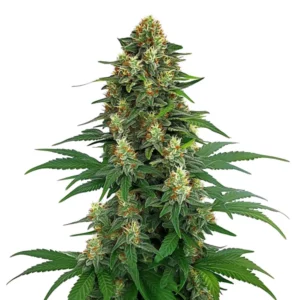
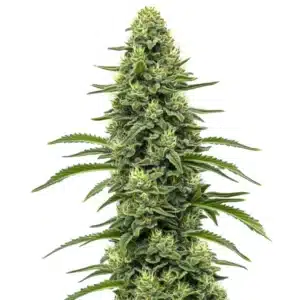
Tangie

|
THC | 19% - 22% (Medium) |

|
Type | Feminized |

|
Yield | High |

|
Phenotype | 30% Indica / 70% Sativa |
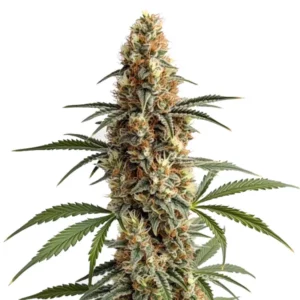
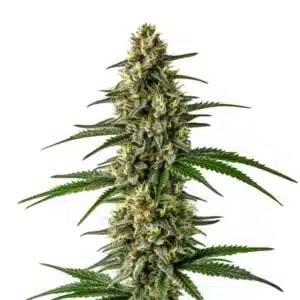
Mamba Negra
|
|
THC | 18% (Medium) |
|
|
Type | Feminized |
|
|
Yield | High |
|
|
Phenotype | 55% Indica / 45% Sativa |
Consider the effects of nutrient imbalance in cannabis plants. Too much of one nutrient can block the absorption of others. For example, excess nitrogen can hinder the uptake of potassium, leading to deficiencies. On the other hand, too little of a nutrient can stunt growth and reduce yields. It’s all about finding the right balance for optimal health and productivity.
Macronutrients: The Building Blocks of Growth
Cannabis plants need three primary macronutrients for robust growth: nitrogen (N), phosphorus (P), and potassium (K). These are often referred to as N-P-K on fertilizer labels. Each plays a vital role in the plant’s development.
Nitrogen is essential for leaf growth. It helps in the production of chlorophyll, which in turn aids photosynthesis. Without enough nitrogen, leaves may yellow and growth can slow. Phosphorus supports root development and flowering. It helps transfer energy within the plant. Potassium strengthens plants’ immune systems, enabling them to resist diseases.
Macronutrients serve as the foundation of the importance of balanced cannabis nutrients for growth. When these nutrients are supplied in the right amounts, they create a supportive environment for the plant’s physiological processes. The effects of nutrient imbalance in cannabis plants can be profound, impacting everything from photosynthesis efficiency to disease resistance. By ensuring an optimal nutrient balance for cannabis cultivation, growers can achieve impressive harvests both in quality and quantity.
The optimal nutrient balance for cannabis cultivation involves adjusting these macronutrients as the plant progresses through different growth stages. During the vegetative phase, higher nitrogen levels are beneficial. As the plant enters the flowering stage, phosphorus and potassium become more crucial.
Promos & Deals

Micronutrients: Small but Mighty
While macronutrients are needed in larger quantities, micronutrients are equally important despite being required in smaller amounts. These include zinc, iron, copper, and manganese. Each plays a unique role in your plant’s health.
Consider the function of micronutrients in cannabis health. Zinc is crucial for producing chlorophyll and for enzyme function. Iron is required for photosynthesis and respiration. Copper plays a part in reproductive growth, while manganese aids in nitrogen utilization.
The function of micronutrients in cannabis health cannot be overstated. Even though they are needed in trace amounts, deficiencies can lead to significant setbacks, such as poor enzyme activity or impaired photosynthetic performance. Maintaining the importance of balanced cannabis nutrition includes ensuring these micronutrients are available to your plants at all times. This attention to detail helps prevent issues that could otherwise compromise the entire growth cycle.
A deficiency in any micronutrient can hinder plant development. For instance, iron deficiency often leads to chlorosis, where leaves turn yellow between the veins. By ensuring balanced fertilizer use for cannabis yield, growers can prevent such issues and support healthy plant growth.
Real-Life Examples of Nutrient Balance
Let’s take a look at some practical examples using popular strains from Blimburn Seeds. Their strains are a great choice for both beginners and experts, each with unique nutritional needs.
The “Mamba Negra” strain thrives with a well-balanced nutrient solution. This indica-dominant strain is known for its large buds and sweet aroma. Ensuring the right nutrient balance will enhance these characteristics, leading to a potent and flavorful harvest.
In the case of the “Mamba Negra” strain, the importance of balanced cannabis nutrients for growth is apparent in its impressive bud production and flavor profile. By using a well-rounded nutrient solution, growers can unlock this strain’s full potential, demonstrating the optimal nutrient balance for cannabis cultivation. Similarly, the “Gorilla G4” strain, which requires a tailored nutrient approach during its flowering phase, showcases how the right nutrient adjustments can lead to increased yield and potency.
“GG4” is another excellent strain from Blimburn Seeds. This hybrid benefits from a higher phosphorus and potassium ratio during its flowering phase. By adjusting nutrient levels, growers can maximize the strain’s yield and potency.
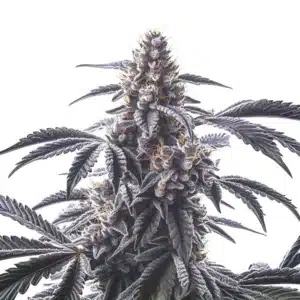
For those interested in sativa strains, “Tangie” is a top pick. It’s important to focus on nitrogen during the vegetative stage to support its vigorous growth. Balanced nutrition is key to unlocking this strain’s full citrusy potential.

FAQs about importance of balanced cannabis nutrition
What are the signs of nutrient imbalance in cannabis plants?
Nutrient imbalances can manifest in various ways. Common signs include yellowing leaves, stunted growth, and poor bud development. Yellow leaves often indicate a nitrogen deficiency, while leaves with brown spots may signal a potassium shortage. Observing your plants regularly can help catch these signs early.
Another indicator of nutrient imbalance is slow or uneven growth. If your plants aren’t growing as expected, it could be due to too much or too little of a particular nutrient. Maintaining the optimal nutrient balance for cannabis cultivation is crucial to avoid these issues and support healthy development.
Recognizing the effects of nutrient imbalance in cannabis plants early can save growers from significant losses. Addressing nutrient deficiencies or toxicities as soon as they appear ensures that plants can continue their growth cycle with minimal setbacks. Routine monitoring and adjustments are part of the ongoing importance of balanced cannabis nutrition, allowing for the fine-tuning necessary to maintain plant health and productivity.
Regular inspection of your plants helps identify nutrient issues before they worsen. Utilizing tools like soil pH testers and nutrient meters can assist in diagnosing specific problems. This proactive approach to observing and correcting imbalances supports the balanced fertilizer use for cannabis yield, ensuring plants receive what they need when they need it.
How do I choose the right fertilizer for my cannabis plants?
Choosing the right fertilizer involves knowing your plant’s current growth stage and nutrient needs. During the vegetative phase, look for fertilizers with higher nitrogen content. As your plants transition to flowering, switch to fertilizers with more phosphorus and potassium.
Many growers prefer using organic fertilizers, as they release nutrients slowly and improve soil health. Always follow the manufacturer’s instructions and adjust based on your plants’ responses. Balanced fertilizer use for cannabis yield is about meeting your plants’ needs without overfeeding.
When selecting fertilizers, consider both the macronutrient and micronutrient content to ensure comprehensive support for your plants. The importance of balanced cannabis nutrients for growth lies in providing a complete nutrient profile that caters to the plant’s changing requirements. By choosing fertilizers that adapt to these needs, you can effectively support each stage of the plant’s lifecycle.
Consulting with seed providers, such as Blimburn Seeds, can also guide you in choosing fertilizers that align with specific strain requirements. They often provide recommendations based on the genetic profiles of their strains, which is invaluable for achieving the best growth outcomes. Tailoring your fertilizer choices to your plants ensures a sustained focus on the importance of balanced cannabis nutrition.
Can I use the same nutrient solution for all cannabis strains?
While some nutrient solutions are versatile, it’s best to tailor your approach based on the specific strain. Different strains have unique nutrient requirements. For example, indica strains may need less nitrogen compared to sativa strains.
Using strain-specific recommendations from seed providers like Blimburn Seeds can be helpful. They often provide guidelines based on their strains’ genetic profiles, ensuring you achieve the best results through tailored nutrition.
The importance of balanced cannabis nutrition emphasizes the need for diversity in nutrient feeding strategies. Not all strains react the same way to a given nutrient solution, so adapting your approach to meet the specific needs of each strain is crucial. Recognizing these differences ensures a more targeted nutrient delivery, enhancing the overall health and yield of your plants.
Customizing nutrient solutions based on strain characteristics also helps in avoiding the effects of nutrient imbalance in cannabis plants. This tailored approach minimizes the risk of overfeeding or underfeeding, supporting the balanced fertilizer use for cannabis yield. Strain-specific feeding schedules can be a powerful tool in achieving successful cannabis cultivation.
How often should I feed my cannabis plants?
Feeding frequency depends on several factors, including the growth stage and the medium you’re using. Generally, feeding once a week is sufficient during the vegetative stage, while more frequent feeding may be needed during flowering.
It’s crucial to monitor your plants’ reactions and adjust accordingly. Overfeeding can lead to nutrient lockout, where plants can’t absorb nutrients, causing deficiencies. By observing your plants regularly, you can fine-tune your feeding schedule to meet their needs.
The function of micronutrients in cannabis health is particularly important when determining feeding frequency. These essential nutrients, even in small amounts, need to be consistently available to prevent deficiencies. Regular monitoring and adjustments to the feeding schedule help ensure that plants receive a steady supply of all necessary nutrients.
Feeding schedules should also be flexible to accommodate environmental changes or unexpected plant responses. By staying attentive to your plants’ needs and maintaining communication with experienced cultivators or seed providers like Blimburn Seeds, you can optimize your feeding practices and uphold the importance of balanced cannabis nutrition throughout the growth cycle.
What is nutrient lockout and how can I prevent it?
Nutrient lockout occurs when plants cannot absorb nutrients from the soil, often due to pH imbalances or overfeeding. Symptoms include nutrient deficiencies despite regular feeding. Regularly checking soil pH and ensuring it stays within the optimal range (around 6.0-7.0) can prevent lockout.
Flushing your plants with pH-balanced water can help resolve existing lockout. This process washes away excess salts and nutrient buildup. Prevention is always better than cure, so maintaining balanced nutrition from the start is key to avoiding this issue.
Preventing nutrient lockout is a fundamental aspect of the importance of balanced cannabis nutrition. By ensuring that the growing medium’s pH and nutrient levels are consistently monitored and maintained, growers can avoid the detrimental effects of nutrient imbalances. This proactive approach ensures that plants continue to receive the nutrients they need for optimal growth and development.
Besides to regular pH checks and flushing, knowing the function of micronutrients in cannabis health can further help prevent lockout. By providing a well-rounded nutrient solution that includes all necessary elements, growers can minimize the risk of nutrient-related issues. This balanced approach contributes to the overall success of cannabis cultivation and enhances the quality and quantity of the harvest.