Essential Guide: Proven GC-MS Testing for PGRs in Cannabis

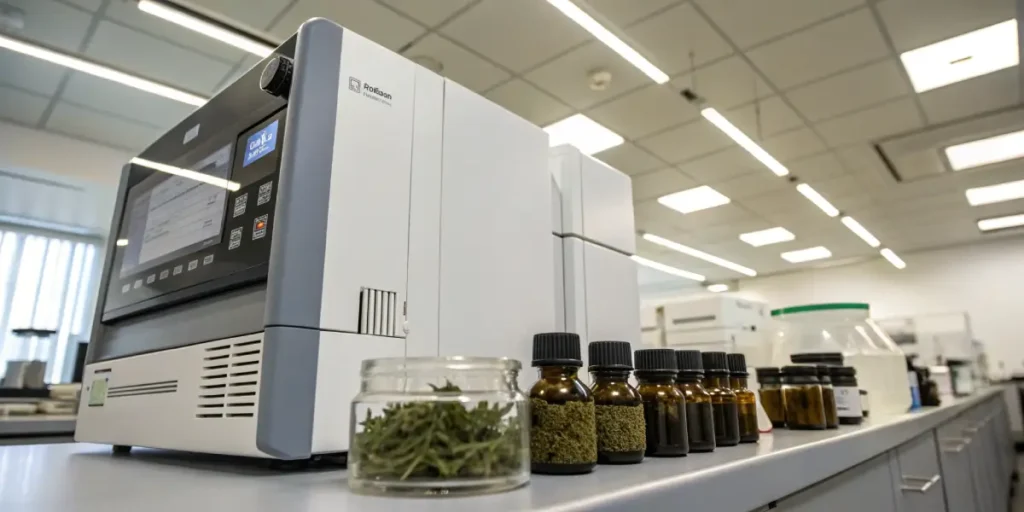
GC-MS testing for PGRs in cannabis is a vital process for both first-time cannabis buyers and seasoned cultivators. This testing method ensures the safety and quality of cannabis by detecting the presence of plant growth regulators (PGRs). PGRs can affect the health and growth of cannabis plants, making it essential to use reliable testing methods like GC-MS, which stands for Gas Chromatography-Mass Spectrometry.
Gas Chromatography-Mass Spectrometry, or GC-MS, is a powerful technique used in laboratories to separate, identify, and quantify compounds. When applied to cannabis, it helps in the GC-MS analysis of plant growth regulators, ensuring the product is free from unwanted synthetic chemicals. For those growing or consuming cannabis, this means a safer and more natural product.
Recommended Strains

Blue Dream

|
THC | 17% - 24% (High) |

|
Type | Feminized |

|
Yield | High |

|
Phenotype | 50% Indica / 50% Sativa |

GG4
|
|
THC | 27% (High) |
|
|
Type | Feminized |
|
|
Yield | High |
|
|
Phenotype | 40% Indica / 60% Sativa |
For example, when cultivating strains like Blue Dream from Blimburn Seeds, knowing that your plants are free from harmful PGRs is crucial. GC-MS testing for cannabis quality control offers that peace of mind by providing accurate results on the chemical makeup of your cannabis plants.
What Are PGRs and Why They Matter
Plant growth regulators (PGRs) are chemicals that influence the growth and development of plants. They can be natural or synthetic. In cannabis cultivation, PGRs are sometimes used to increase yield, enhance growth, or modify plant characteristics. However, not all PGRs are safe for human consumption.
Using synthetic PGRs in cannabis can lead to health risks, making it vital for growers and consumers to be aware of their presence. With GC-MS testing for PGRs in cannabis, it’s possible to perform pesticide residue analysis and ensure that the final product is safe. This process helps in identifying any synthetic PGRs that might be present in the cannabis plants, protecting consumers from potential harm.
The presence of PGRs can also affect the flavor, aroma, and overall experience of cannabis consumption, which is why the identification of synthetic PGRs in cannabis via GC-MS is a crucial step. By knowing the impact of these regulators, both growers and consumers can make informed decisions regarding their cannabis products. Ultimately, this leads to a healthier market and promotes the cultivation of pure, unaltered strains.
Furthermore, transparency in the growing process can enhance consumer trust and brand loyalty. As consumers become more knowledgeable about the potential risks posed by PGRs, they are more likely to support brands that engage in GC-MS testing for cannabis quality control. This proactive approach not only safeguards health but also contributes to a more sustainable and ethical industry.
Promos & Deals




How GC-MS Testing Works
GC-MS testing involves two main components: gas chromatography and mass spectrometry. The gas chromatography part separates different compounds in the cannabis sample. It does this by vaporizing the sample and passing it through a column. As the compounds travel through the column, they separate based on their chemical properties.
Once the compounds are separated, the mass spectrometry component identifies them. This identification process is crucial in the cannabis PGRs detection using GC-MS, as it allows for precise determination of any PGRs present. The result is a comprehensive profile of the chemical makeup of the cannabis sample, ensuring that only safe, natural products reach consumers.
The precision of GC-MS testing for PGRs in cannabis is unmatched, making it the go-to method for ensuring product safety and integrity. By providing a detailed breakdown of chemical components, this method allows growers to take corrective actions promptly. This proactive approach not only helps in maintaining the quality of the cannabis but also ensures compliance with industry standards.
Moreover, as technology advances, the sensitivity and accuracy of GC-MS equipment continue to improve, making it possible to detect even trace amounts of harmful substances. This advancement is particularly important as the cannabis industry becomes more regulated, requiring growers to demonstrate their commitment to producing safe and high-quality products.
Practical Applications of GC-MS in Cannabis Cultivation
For cannabis growers, GC-MS testing for cannabis quality control is essential. By using this method, growers can ensure that their plants are free from harmful chemicals. This is particularly important for strains like GG4 from Blimburn Seeds, known for its potency and flavor. Ensuring that these qualities are not compromised by synthetic PGRs is vital for maintaining product integrity.
Another practical application of GC-MS testing is in the identification of synthetic PGRs in cannabis via GC-MS. By identifying and eliminating these substances, growers can produce cleaner, safer cannabis. This not only benefits consumers but also enhances the reputation of the grower and the brand.
Implementing GC-MS testing in cannabis operations can also lead to greater efficiency in cultivation practices. By knowing the exact chemical makeup of their plants, growers can optimize their growing conditions, leading to healthier plants and higher yields. This efficiency ultimately translates to cost savings and better product offerings.
Additionally, GC-MS testing for PGRs in cannabis can serve as a valuable tool for research and development within the industry. By analyzing different strains and their responses to various growing conditions, researchers can develop new cultivation techniques that maximize the natural potential of cannabis plants without relying on synthetic regulators.
Benefits of Using GC-MS for PGR Detection
The benefits of GC-MS testing for PGRs in cannabis are numerous. First, it provides highly accurate results. This accuracy is vital for ensuring that cannabis products are free from harmful chemicals and meet quality standards. For strains like Girl Scout Cookies from Blimburn Seeds, maintaining purity and quality is essential for both growers and consumers.
Another benefit is the ability to conduct a thorough pesticide residue analysis in cannabis using GC-MS. This analysis ensures that any residual pesticides or PGRs are accurately detected, allowing for corrective actions to be taken before the product reaches the market. This level of scrutiny helps in building consumer trust and brand loyalty.
GC-MS testing also contributes to environmental sustainability by reducing the reliance on synthetic chemicals in cannabis cultivation. By promoting natural growing practices, the industry can minimize its ecological footprint and preserve biodiversity. This shift towards sustainability is increasingly important as consumers become more environmentally conscious.
Furthermore, the comprehensive nature of GC-MS testing for cannabis quality control allows for better decision-making at all levels of the supply chain. From cultivation to distribution, stakeholders can rely on accurate data to ensure that only the best products reach the market, ultimately enhancing the overall reputation of the cannabis industry.
FAQs about GC-MS testing for PGRs in cannabis
What is GC-MS testing for PGRs in cannabis?
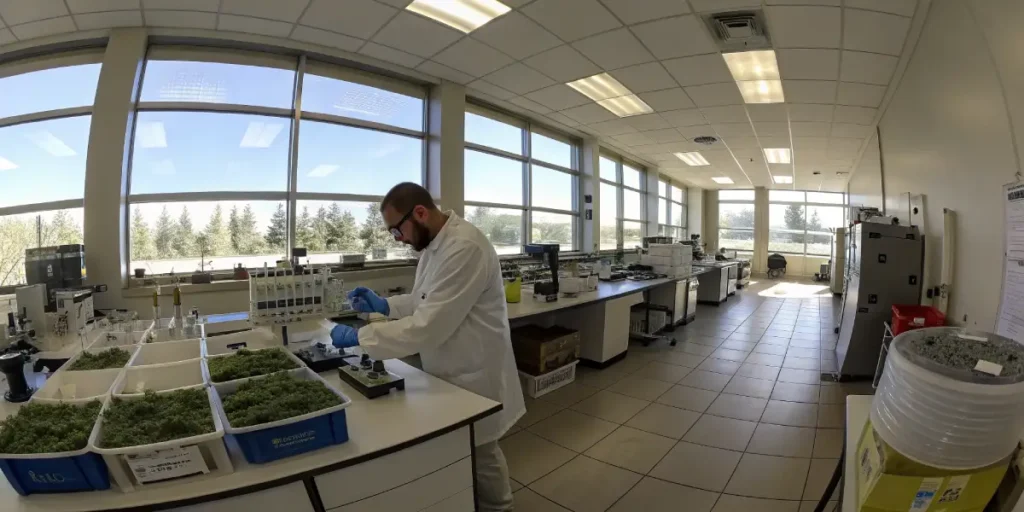
GC-MS testing for PGRs in cannabis is a laboratory method used to detect the presence of plant growth regulators in cannabis plants. This method employs gas chromatography to separate chemical compounds and mass spectrometry to identify them. This process ensures that the cannabis is free from harmful synthetic chemicals that could compromise its quality and safety.
Given the complexity of cannabis plants and the potential health risks associated with synthetic PGRs, GC-MS testing provides a reliable way to ensure product safety. By identifying any unwanted chemicals, this method helps maintain the natural integrity of the cannabis, whether for personal use or commercial sale.
This testing method is not only vital for safety but also for maintaining consumer confidence in the products they purchase. As more consumers become aware of the potential dangers associated with PGRs, the demand for transparent and reliable testing will continue to grow. GC-MS testing for cannabis quality control meets this demand by providing verifiable proof of product safety.
Moreover, the data obtained from GC-MS tests can be used to educate both growers and consumers on best practices for cannabis cultivation and consumption. This education fosters a more informed community that values quality and sustainability over potentially harmful short-term gains.
Why are PGRs used in cannabis cultivation?
Plant growth regulators are sometimes used in cannabis cultivation to influence plant growth and enhance yields. They can modify plant characteristics, making them appealing for commercial growers looking to maximize their harvest. However, not all PGRs are safe for human consumption, which is why testing is so important.
While some growers may not intentionally use harmful PGRs, contamination is still possible. Therefore, using GC-MS analysis of plant growth regulators in cannabis ensures that any unwanted chemicals are detected and addressed. This step is crucial for both novice and experienced growers who aim to produce high-quality, safe cannabis products.
Besides to enhancing yields, PGRs can sometimes alter the desired characteristics of cannabis strains, such as flavor and aroma. This alteration can lead to products that are inconsistent with consumer expectations, underscoring the importance of GC-MS testing for PGRs in cannabis. By ensuring that strains like those from Blimburn Seeds maintain their natural profiles, growers can meet consumer demands more effectively.
Ultimately, the use of synthetic PGRs in cannabis may offer short-term benefits, but the long-term risks can outweigh these advantages. With comprehensive testing and a commitment to natural cultivation methods, growers can ensure the sustainability and safety of their operations, benefiting both the industry and its consumers.
How does GC-MS testing improve cannabis quality control?
GC-MS testing for cannabis quality control provides a comprehensive analysis of the chemical makeup of cannabis plants. This analysis helps in identifying any synthetic PGRs or pesticide residues, ensuring that only natural, safe products reach consumers. By maintaining high standards, growers can improve their reputation and consumer trust.
For those growing cannabis strains like Purple Kush F1 or White Rhino Regular from Blimburn Seeds, maintaining product integrity is vital. GC-MS testing offers a reliable way to ensure that the desired characteristics of these strains are preserved without compromise from harmful chemicals.
Quality control through GC-MS testing also ensures compliance with evolving industry standards and regulations, which are crucial for market access and competitiveness. As regulations around cannabis become more stringent, having robust testing protocols in place can differentiate a brand from its competitors.
Moreover, the data-driven insights provided by GC-MS testing allow for continuous improvement in cultivation practices and product offerings. By leveraging this information, growers can refine their processes, enhance product quality, and ultimately deliver a superior consumer experience.
Can GC-MS testing detect all types of PGRs?
GC-MS testing is highly effective in detecting a wide range of synthetic PGRs in cannabis. Its sensitivity and accuracy make it an ideal tool for identifying even trace amounts of unwanted chemicals. This capability is essential for ensuring that cannabis products are safe and free from harmful substances.
While GC-MS is comprehensive, it’s important for growers to work with reputable laboratories that have experience in cannabis testing. Skilled technicians using advanced GC-MS equipment can provide the most accurate results, ensuring that no harmful PGRs go undetected in your cannabis plants.
Besides to detecting PGRs, GC-MS testing for cannabis quality control can also identify other contaminants that may compromise product quality. This all-encompassing approach not only safeguards consumer health but also supports the integrity of the cannabis supply chain.
As new PGRs and synthetic chemicals are developed, continuous updates to GC-MS testing protocols ensure that the method remains effective and reliable. By staying ahead of industry trends and technological advancements, laboratories can continue to provide the highest level of assurance to growers and consumers alike.
What should growers look for in a GC-MS testing service?
When selecting a GC-MS testing service, growers should look for laboratories with a strong reputation for accuracy and reliability. It’s important to choose facilities that specialize in cannabis testing and have experience in detecting PGRs. Certifications and accreditations can also be indicators of a lab’s competence.
Additionally, growers should consider the turnaround time for results and the level of customer support provided. A responsive and knowledgeable testing service can make a significant difference in addressing any issues quickly and effectively, ensuring that your cannabis products meet the highest quality standards.
Cost is another factor to consider when choosing a GC-MS testing service. While it’s essential to find a service that fits within your budget, it’s equally important to ensure that you’re not compromising on quality. Investing in reliable testing can lead to long-term savings by preventing costly recalls or reputational damage.
Finally, consider a testing service’s capacity to adapt to your specific needs, whether you’re a small-scale grower or a large commercial operation. A flexible and scalable service can accommodate growth and changes in your production, providing consistent support as your business evolves.