Essential Guide: Proven Chain of Custody for Cannabis Lab Testing

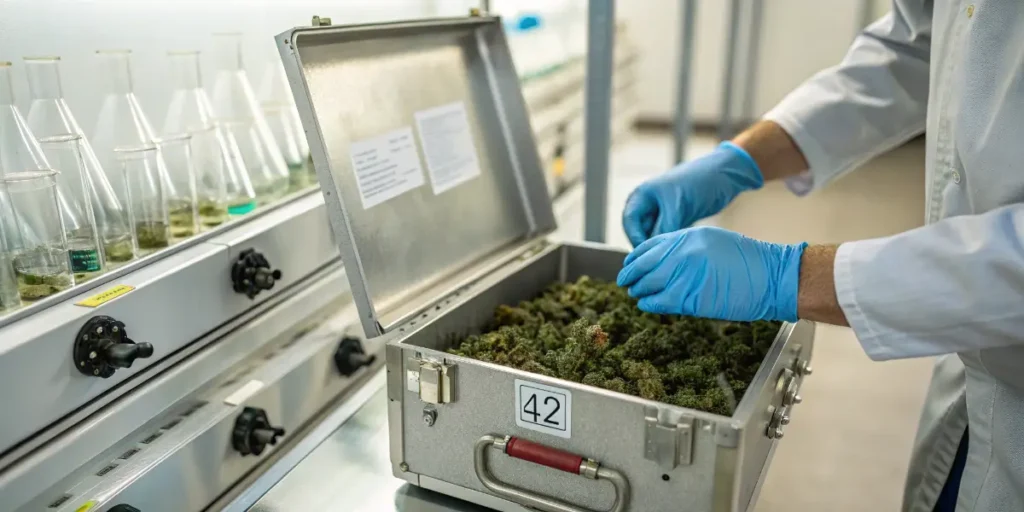
When it comes to cannabis lab testing, ensuring the integrity of the samples is crucial. This is where the chain of custody for cannabis lab testing plays a significant role. It acts as a safeguard, ensuring that the sample tested is the same from the moment of collection to the final reporting stage.
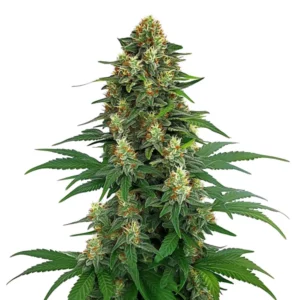
Imagine you’re about to test a new batch of cannabis seeds from Blimburn Seeds, like the popular GG4. You want to be sure that the sample undergoing the test reflects what you’ve cultivated. The process of cannabis lab testing chain of custody procedures is designed to maintain sample integrity and accurate results.
Recommended Strains
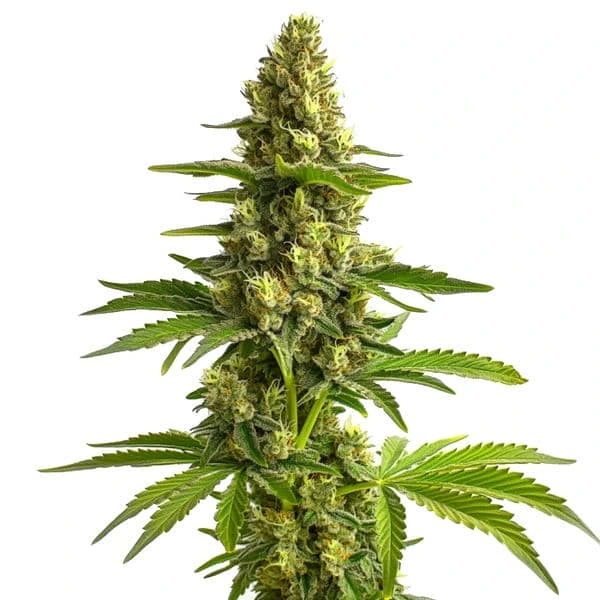
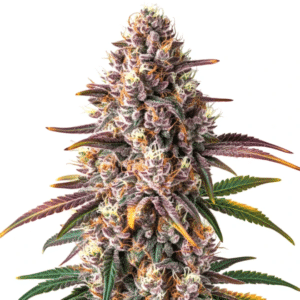
Bruce Banner #3

|
THC | 20% - 29% (High) |

|
Type | Feminized |

|
Yield | High |

|
Phenotype | 50% Indica / 50% Sativa |

GG4
|
|
THC | 27% (High) |
|
|
Type | Feminized |
|
|
Yield | High |
|
|
Phenotype | 40% Indica / 60% Sativa |
By following the chain of custody documentation for cannabis labs, growers and consumers can trust that the cannabis they are consuming or selling meets the expected standards. This trust is built on a series of documented steps ensuring that every part of the process is transparent and verifiable.
Importance of Chain of Custody in Cannabis Testing
The chain of custody in cannabis testing is essential for maintaining the credibility and accuracy of lab results. It helps track the sample’s journey, ensuring each step is recorded. This process is vital in protecting the rights of growers and consumers, especially in a regulated industry like cannabis.
Think of it like a relay race, where each handover is crucial. If any step is skipped or mishandled, it can lead to incorrect results. For instance, when testing a strain like Bruce Banner #3 from Blimburn Seeds, maintaining proper chain of custody ensures that results are consistent and reliable. This consistency is key in building trust with customers and regulatory bodies alike.
Furthermore, the importance of a robust chain of custody for cannabis lab testing cannot be overstated. Not only does it help in ensuring the sample’s integrity, but it also provides a protective measure for labs and growers against any potential legal disputes. By maintaining a strict protocol, the industry is able to uphold the highest standards of quality and safety.
Besides having a well-documented cannabis testing chain of custody best practices enhances the credibility of the testing outcomes. This credibility is vital for the industry’s growth and for fostering consumer confidence. As cannabis becomes more mainstream, the demand for transparency and reliability in testing will only increase, making the chain of custody an indispensable element of the process.
Promos & Deals

Steps in the Cannabis Testing Chain of Custody
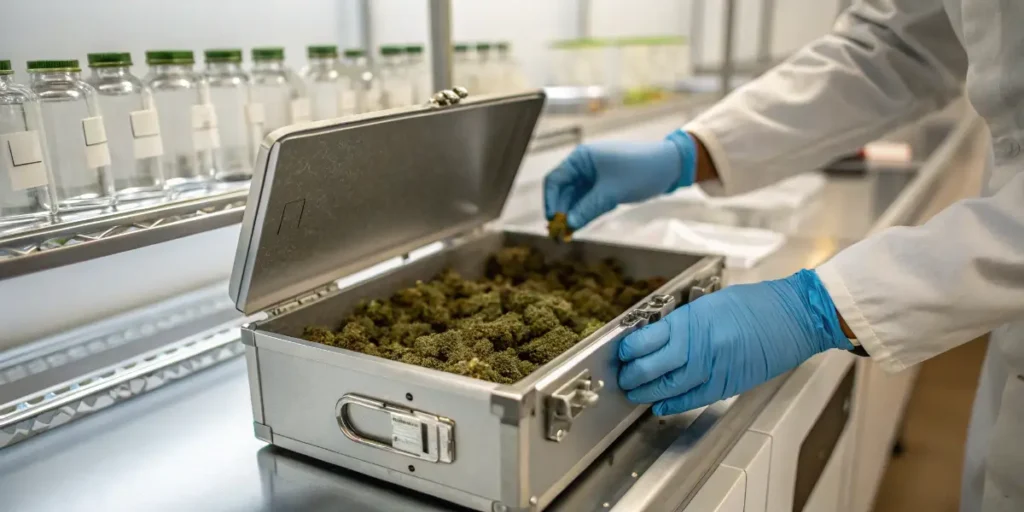
The process begins with sample collection. At this stage, it is vital to document the exact time, date, and method of collection. Each sample is given a unique identifier to avoid mix-ups. Clear labeling is essential, especially for strains like Tangie that may have similar appearances to other varieties.
After collection, the sample is transported to the lab. During this phase, ensuring chain of custody in cannabis testing involves keeping detailed records of who handles the sample and how it is stored. These records are crucial if any discrepancies arise during the testing process.
Subsequent steps include the actual testing phase, where meticulous records are again maintained. Labs must adhere to strict chain of custody requirements in the cannabis industry, logging every procedure and observation. This meticulous documentation helps in validating the test results and in providing a comprehensive overview of the sample’s journey.
Finally, once testing is completed, the results are reported back to the stakeholders. At this stage, maintaining a transparent chain of custody documentation for cannabis labs ensures that all findings are communicated accurately and efficiently. This transparency is crucial for maintaining trust and for the continued success of the cannabis industry.
Chain of Custody Documentation
Documentation is the backbone of the cannabis testing chain of custody best practices. Every handover and analysis step is recorded meticulously. This documentation includes the condition of the sample, the personnel involved, and the testing methods used.
For instance, when a lab technician receives a sample of GG4, they note its condition and any anomalies. This transparency helps in troubleshooting any issues that might arise later. It also ensures compliance with chain of custody requirements in the cannabis industry.
Besides to providing a detailed record, chain of custody documentation for cannabis labs acts as a critical compliance tool. It ensures that all relevant regulations and standards are met, thereby safeguarding the lab’s operations and reputation. Proper documentation is also essential for audits and inspections, which are common in regulated industries.
The meticulous nature of this documentation also aids in continuous improvement. By analyzing records, labs can identify patterns or recurring issues, allowing them to refine processes and enhance efficiency. This proactive approach not only improves accuracy but also strengthens the overall testing framework.
Challenges in Maintaining Chain of Custody
Maintaining a robust chain of custody for cannabis lab testing can be challenging. One common issue is human error, which can occur at any step of the process. Ensuring that all staff are trained in chain of custody procedures is vital to minimizing mistakes.
Another challenge is the potential for contamination. When handling strains like Bruce Banner #3, it’s essential to use clean, sterile equipment and environments to avoid cross-contamination. Even a small mistake can lead to inaccurate results, affecting the reputation of both the grower and the lab.
Technological challenges also pose a risk to the integrity of the chain of custody. While digital systems can enhance efficiency, they are not immune to glitches or cyber threats. Regular system checks and cybersecurity measures are necessary to protect data integrity and ensure that no information is compromised.
Moreover, as the industry evolves, so too do the complexities of maintaining a robust chain of custody. Staying abreast of new regulations and best practices is essential. This requires ongoing education and adaptation to ensure that all procedures remain compliant and effective in protecting sample integrity.
Best Practices for Ensuring Chain of Custody
Implementing best practices in chain of custody involves several steps. First, establishing clear protocols for sample handling and documentation is crucial. These protocols should be easy to follow and accessible to all relevant staff members.
Regular training sessions can help staff stay updated on the latest procedures and technologies. This training is particularly important for new employees or when introducing new strains like Tangie from Blimburn Seeds. Keeping everyone on the same page helps prevent errors and ensures consistency.
Incorporating technology effectively can also enhance chain of custody practices. Utilizing software solutions for record-keeping and sample tracking can streamline processes and reduce the likelihood of human error. However, it is vital to ensure that all technological systems are secure and regularly updated to prevent data breaches or loss.
Another best practice is to foster a culture of accountability within the lab. Encouraging staff to take responsibility for their part in the chain of custody process promotes diligence and care. Recognizing and rewarding meticulous attention to detail can further motivate employees to uphold the highest standards of practice.
FAQs about chain of custody for cannabis lab testing
What is the chain of custody for cannabis lab testing?
The chain of custody for cannabis lab testing is a documented process that tracks the handling of cannabis samples from collection to testing. It ensures that the sample remains unchanged and that results are accurate and reliable.
This process involves detailed records of each handover and analysis step, ensuring accountability and transparency. It’s crucial for maintaining the integrity of the testing process and building trust with consumers and regulatory bodies.
In essence, the chain of custody acts as a quality assurance mechanism, ensuring that every sample is treated with precision and care. It provides a framework for compliance and helps labs meet the chain of custody requirements in the cannabis industry, protecting their operations and reputation.
By adhering to this process, labs can demonstrate their commitment to accuracy and transparency, which are critical factors in fostering consumer confidence and industry credibility. As the cannabis market expands, the function of chain of custody becomes even more significant in ensuring the safe and reliable delivery of products.
Why is documentation important in cannabis testing?
Documentation is vital as it provides a clear record of how samples are handled and tested. It helps in verifying that every step of the testing process is conducted correctly, ensuring reliable results.
In legal or compliance situations, documentation serves as evidence of due diligence. It demonstrates that the proper procedures were followed, safeguarding the interests of both the grower and the lab.
Moreover, thorough documentation can facilitate continuous improvement within the lab. By analyzing records, labs can identify inefficiencies or areas for enhancement, allowing them to refine their processes and improve overall accuracy in testing.
Comprehensive documentation also plays a critical role in fostering transparency. By clearly outlining every step of the testing process, labs can build trust with clients and regulatory bodies, ensuring that their operations meet the highest standards of integrity and reliability.
How can contamination be avoided in cannabis lab testing?
Contamination can be avoided by using clean, sterile equipment and environments during the testing process. It’s essential to follow strict protocols for sample handling and to train staff in contamination prevention techniques.
Regular equipment maintenance and cleaning are also crucial. Implementing these measures helps maintain the accuracy of lab results and protects the reputation of both the grower and the testing facility.
Additionally, implementing an effective quality control system can further minimize the risk of contamination. By regularly auditing procedures and equipment, labs can ensure that all aspects of the testing environment remain compliant and free from potential sources of cross-contamination.
Training staff on the importance of contamination prevention is equally important. By reinforcing best practices and promoting a culture of attentiveness, labs can significantly reduce the likelihood of errors, ensuring chain of custody for cannabis lab testing remains intact and reliable.
What are the challenges of maintaining a chain of custody?
Challenges include human error, potential contamination, and technological issues. Each step of the process relies on accurate documentation and proper sample handling to prevent mistakes.
Regular training and audits can help address these challenges. By identifying weak points and refining procedures, labs can improve their chain of custody processes and ensure compliance with industry standards.
Another challenge is the dynamic nature of the industry itself. As regulations and standards evolve, labs must remain agile, updating their protocols and training programs to align with the latest requirements. This adaptability is key to maintaining a robust chain of custody.
Finally, resource constraints can also impact the ability to maintain a thorough chain of custody. Investing in adequate staffing, training, and technology is crucial, as these resources are fundamental to upholding the integrity of the testing process and ensuring reliable outcomes.
How do best practices improve cannabis lab testing?
Best practices help streamline the chain of custody process, ensuring that all steps are conducted consistently and accurately. Clear protocols and regular training keep staff informed and minimize errors.
By following best practices, labs can maintain the integrity of their results, build trust with customers, and comply with industry regulations. This commitment to quality benefits both growers and consumers alike.
Furthermore, implementing best practices fosters a culture of excellence within the lab. By continually seeking ways to enhance procedures and outcomes, labs can drive innovation and set new benchmarks for quality and reliability in cannabis testing.
Ultimately, adherence to best practices not only safeguards the chain of custody for cannabis lab testing but also propels the industry forward, ensuring that it remains competitive and capable of meeting the increasing demands of consumers and regulatory bodies.