Essential Guide: Knowing Brix Readings in Cannabis Cultivation

Knowing Brix Readings in Cannabis Cultivation is essential for any grower aiming to optimize plant performance. When diving into the world of cannabis cultivation, Brix readings offer invaluable insights into the health and potential yield of your plants. Brix is essentially a measure of the sugar content in plant sap, and high Brix levels usually indicate healthier plants with better growth prospects.
For novice and seasoned growers, the importance of Brix readings in cannabis cultivation cannot be overstated. It’s a tool that allows you to monitor plant health in a non-invasive way. When your cannabis plants show high Brix readings, it’s often a sign of effective nutrient uptake, robust resistance to pests, and superior quality of the end product.
Recommended Strains
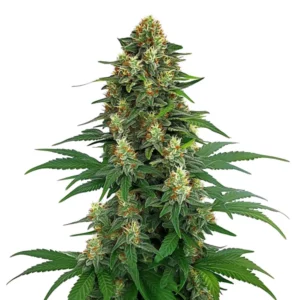
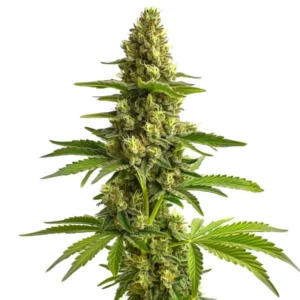
Tangie

|
THC | 19% - 22% (Medium) |

|
Type | Feminized |

|
Yield | High |

|
Phenotype | 30% Indica / 70% Sativa |
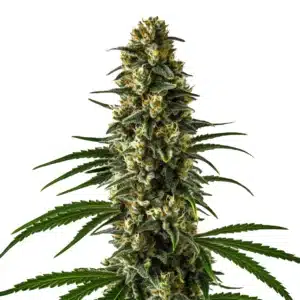
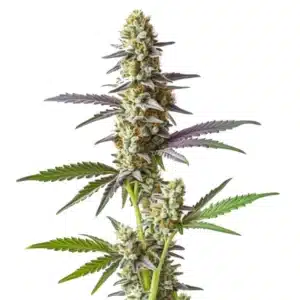
Girl Scout Cookies
|
|
THC | 18% - 25% (Medium) |
|
|
Type | Feminized |
|
|
Yield | High |
|
|
Phenotype | 60% Indica / 40% Sativa |
Let’s delve into how to measure Brix levels in cannabis effectively, using practical examples and focusing on optimizing your cannabis yield. Consider strains like Tangie, Girl Scout Cookies, and Bruce Banner 3 from Blimburn Seeds, which respond well to Brix testing.
What are Brix Readings?
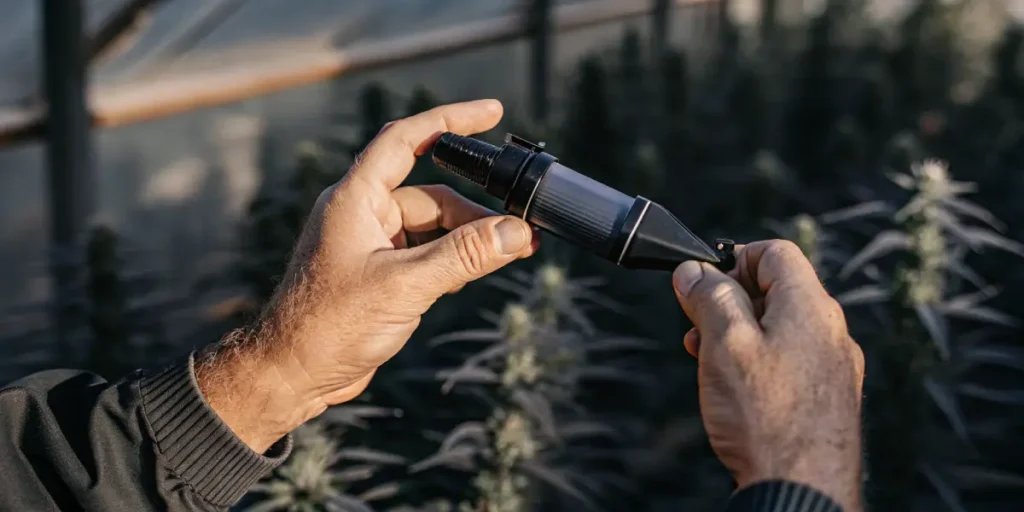
Brix readings are obtained using a tool called a refractometer. This tool bends light through a liquid sample and measures the sugar concentration. The higher the Brix reading, the more sugar content in the plant sap. For cannabis cultivators, a refractometer is a handy tool to assess plant vigor.
In cannabis farming, Brix measurement techniques involve squeezing a small amount of juice from a plant’s leaf or stem. This juice is then placed on the refractometer lens. The refractometer can be a simple hand-held device or a more sophisticated digital model. Both types are effective for checking Brix levels efficiently.
Knowing Brix readings in cannabis cultivation involves recognizing their role beyond simple sugar measurement. Brix levels can also indicate the plant’s mineral content and overall energy efficiency. This broader perspective allows growers to fine-tune their cultivation practices, ensuring that every aspect of plant health is optimized.
Moreover, Brix readings can provide insights into the environmental conditions affecting your plants. By regularly measuring Brix levels, you can determine if factors like humidity, temperature, or soil quality are impacting plant health. This holistic approach to monitoring can lead to more informed decisions and better cultivation outcomes.
Promos & Deals

Importance of Brix Readings in Cannabis Cultivation
High Brix levels are often a great indicator of optimal plant health. Plants with high Brix levels tend to be more resistant to pests and diseases. This resistance is due to the increased sugar content, which can be unpalatable to many pests, reducing the need for chemical interventions.
Moreover, knowing Brix readings in cannabis cultivation can lead to better tasting and more potent cannabis. The sugars represented by Brix readings contribute to the flavor profile, making your harvest more appealing. Blimburn Seeds’ Tangie strain, for instance, benefits from high Brix levels, resulting in its renowned citrusy aroma.
The importance of Brix readings in cannabis cultivation extends to economic benefits as well. High Brix levels can lead to higher yields and better quality, which can translate to increased market value for your product. This economic advantage makes Brix readings a valuable tool for both small-scale and commercial growers.
Additionally, the importance of Brix readings in cannabis cultivation is reflected in the way they can guide nutrient management. By correlating Brix levels with specific nutrient applications, growers can optimize their feeding schedules to ensure that plants receive the right balance of nutrients at the right time, enhancing growth and yield.
How to Measure Brix Levels in Cannabis
Start by acquiring a refractometer. Calibration is crucial for accurate readings, so make sure to calibrate it using distilled water first. Once calibrated, take a fresh leaf from your cannabis plant and squeeze out a few drops of sap onto the refractometer’s glass.
Look through the eyepiece or digital display to get the reading. A Brix level above 12 is considered good for cannabis plants. If your readings are lower, it might indicate issues with nutrient availability or plant stress. Regular monitoring helps catch problems early.
When considering how to measure Brix levels in cannabis, it’s important to note the timing of your measurements. Taking measurements at a consistent time of day can reduce variables and offer a clearer picture of your plants’ health. This consistency is key in identifying trends and making accurate assessments.
Another tip for how to measure Brix levels in cannabis is to ensure that the leaves you sample are representative of the plant’s overall health. Avoid leaves that show signs of disease or pest damage, as these can skew your readings and lead to incorrect conclusions about plant health.
Impact of Brix Levels on Cannabis Plant Health
Knowing Brix Readings in Cannabis Cultivation is essential because high Brix levels contribute to the overall vitality of cannabis plants. With enhanced sugar content, plants can produce more energy, leading to better growth and stronger structural integrity. This is particularly noticeable in strains like Girl Scout Cookies from Blimburn Seeds, known for their robust growth.
Besides, plants with high Brix readings often exhibit thicker cell walls. This physical trait helps them withstand environmental stressors such as drought or extreme temperatures. The plant’s resilience is directly linked to its capacity to maintain high Brix levels consistently.
The impact of Brix levels on cannabis plant health is also seen in the plant’s ability to repair itself. High Brix plants are often more efficient at healing from physical damage, whether from pruning or environmental factors, allowing them to maintain optimal growth conditions throughout their lifecycle.
Furthermore, the impact of Brix levels on cannabis plant health can be observed in the quality of the buds produced. Higher Brix levels often result in denser buds with a richer cannabinoid and terpene profile, contributing to a more potent and flavorful end product that meets consumer expectations.
Optimizing Brix Readings for Cannabis Yield
To optimize Brix readings, focus on improving soil health and nutrient availability. Ensure your plants receive adequate levels of essential minerals like nitrogen, phosphorus, and potassium. These nutrients are crucial for photosynthesis, directly impacting sugar production and Brix levels.
Consider incorporating organic matter into the soil, such as compost or well-rotted manure, to improve soil structure and nutrient retention. Healthy soil will support the root system, facilitating better nutrient uptake and higher Brix readings.
Optimizing Brix readings for cannabis yield also involves regular assessment of irrigation practices. Overwatering or underwatering can stress plants and reduce Brix levels. Implementing a consistent watering schedule based on plant needs can help maintain optimal Brix levels throughout the growth cycle.
Additionally, optimizing Brix readings for cannabis yield can benefit from integrated pest management strategies. By reducing pest pressure naturally, plants can focus their energy on growth and sugar production, leading to higher Brix levels and ultimately more bountiful harvests.

FAQs about Knowing Brix Readings in Cannabis Cultivation
What is the ideal Brix level for cannabis plants?
The ideal Brix level for cannabis plants is generally above 12. High Brix levels indicate that the plant is healthy, receiving adequate nutrients, and has a higher sugar content in its sap. This can result in better resistance to pests and diseases, as well as improved flavor and potency of the final product.
Monitoring Brix levels helps growers identify any deficiencies or stress factors early on. By maintaining optimal Brix levels, you can ensure that your cannabis plants are thriving and capable of producing a high-quality yield. Use strains like Girl Scout Cookies from Blimburn Seeds as a benchmark for achieving ideal Brix levels.
Besides to the ideal Brix level, knowing the fluctuations in Brix readings can also be valuable. Minor changes in Brix levels can indicate shifts in plant health, allowing you to proactively address issues before they become significant problems, ensuring a stable growing environment.
It’s also worth noting that the ideal Brix level might vary slightly depending on the specific strain and growing conditions. Some strains may naturally have higher or lower Brix thresholds for optimal growth, so it’s beneficial to keep strain-specific characteristics in mind when evaluating Brix readings.
Can Brix readings help in pest management?
Yes, Brix readings can be an effective tool in pest management. Higher Brix levels often make plants less attractive to pests. The increased sugar content can deter pests and reduce the need for chemical pesticides, promoting a more organic growing environment.
This natural defense mechanism is beneficial for growers aiming to reduce their environmental impact. By focusing on optimizing Brix readings, you can enhance your plants’ resilience against pests, keeping your cannabis cultivation more sustainable and eco-friendly.
Incorporating Brix measurements into your pest management strategy can also help in identifying the effectiveness of organic pest control methods. By tracking Brix levels before and after implementing such measures, you can assess their impact on plant health and make necessary adjustments to your approach.
Furthermore, maintaining high Brix levels as part of pest management aligns with holistic growing practices. It emphasizes overall plant health and soil quality, which are foundational elements in creating an environment where pests are naturally kept at bay.
How frequently should I measure Brix levels?
It’s advisable to measure Brix levels at least once a week. Regular monitoring allows you to track changes over time and adjust your growing practices accordingly. By observing trends in Brix levels, you can make informed decisions about nutrient adjustments and watering schedules.
For those growing cannabis strains like Bruce Banner from Blimburn Seeds, frequent Brix measurements can be particularly useful in ensuring that the plants are progressing as expected. Consistent monitoring helps in maximizing the quality and quantity of your harvest.
Alongside weekly measurements, consider taking additional readings during key growth stages. Doing so can provide more detailed insights into how different phases of the cannabis lifecycle influence Brix levels and overall plant health, allowing for targeted interventions.
Moreover, frequent Brix level assessments can be crucial during periods of environmental stress, such as heatwaves or unexpected cold snaps. Monitoring how these conditions impact Brix readings enables you to respond more effectively to minimize any negative effects on your plants.
What tools do I need to measure Brix levels?
To measure Brix levels, you’ll need a refractometer, which can be either analog or digital. Both types are effective, though digital refractometers can provide more precise readings. Additionally, you’ll need a way to extract plant sap, such as a garlic press or a specialized sap extractor.
Refractometers are widely available online and at gardening stores. Investing in a good quality refractometer can make a significant difference in your ability to accurately measure and track Brix levels, ultimately enhancing your cannabis cultivation practices.
When selecting tools for Brix measurement techniques in cannabis farming, consider the durability and ease of use of the refractometer. A well-crafted tool will withstand frequent use and provide reliable readings over time, ensuring you get consistent data for your cultivation needs.
Furthermore, maintaining your tools properly is essential. Regularly clean the refractometer and calibration solutions to ensure accurate readings. Proper care of your equipment will prolong its lifespan and help maintain the integrity of your Brix measurements.
Does measuring Brix levels affect the final product?
Measuring Brix levels can positively influence the final product. By ensuring that your plants maintain high Brix levels, you are likely to produce cannabis with better flavor profiles and increased potency. This is because higher sugar content in the plant correlates with improved terpene production.
For cannabis enthusiasts and growers, strains like Tangie from Blimburn Seeds demonstrate how optimizing Brix levels can elevate the overall quality of the harvest. The result is a more enjoyable and effective product that stands out in terms of taste and potency.
Knowing Brix readings in cannabis cultivation allows growers to fine-tune the timing of their harvest to achieve peak flavor and potency. By aligning harvest schedules with optimal Brix levels, you can ensure that your cannabis is at its best when it reaches consumers.
Besides, consistently measuring and optimizing Brix levels not only impacts the immediate quality of the product but also enhances its storage qualities. High Brix cannabis tends to retain its flavor and potency over time, providing a better experience long after the initial harvest.