Essential Guide: How to Read a Cannabis Lab Report for PGR Residues

Reading cannabis lab reports can seem daunting at first, especially when looking for specific details like PGR residues. PGRs, or Plant Growth Regulators, are chemicals used to alter the growth of plants. While they can make plants appear healthier, they may leave residues that could be harmful when consumed. Therefore, knowing how to read a cannabis lab report for PGR residues is crucial for both growers and consumers.
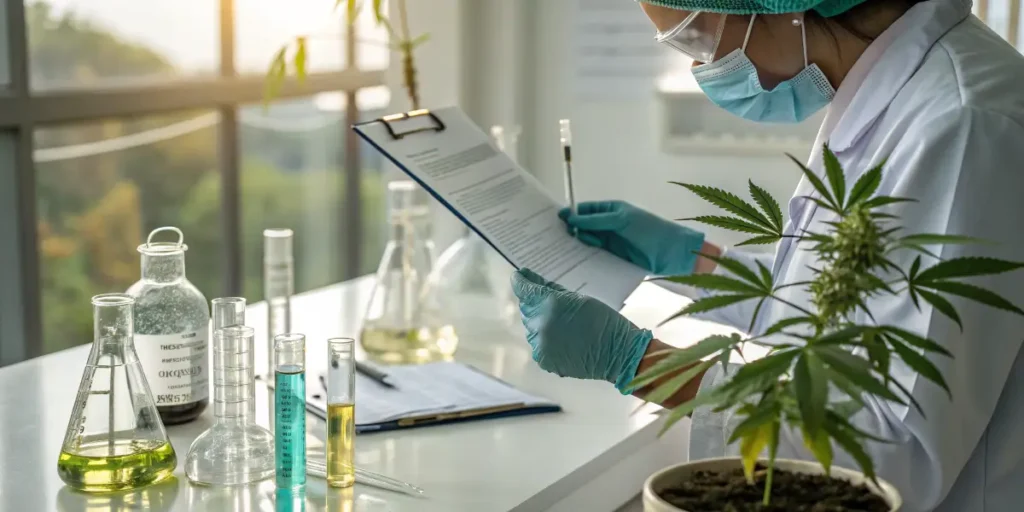
When you first glance at a lab report, you’ll notice various sections detailing the analysis results. Focus on the part that deals with PGR residues. This section will list any detected chemicals, their concentration levels, and whether they’re within safe limits. If you’re buying seeds from Blimburn Seeds, make sure to check these details to ensure you’re getting clean, safe cannabis.
Recommended Strains
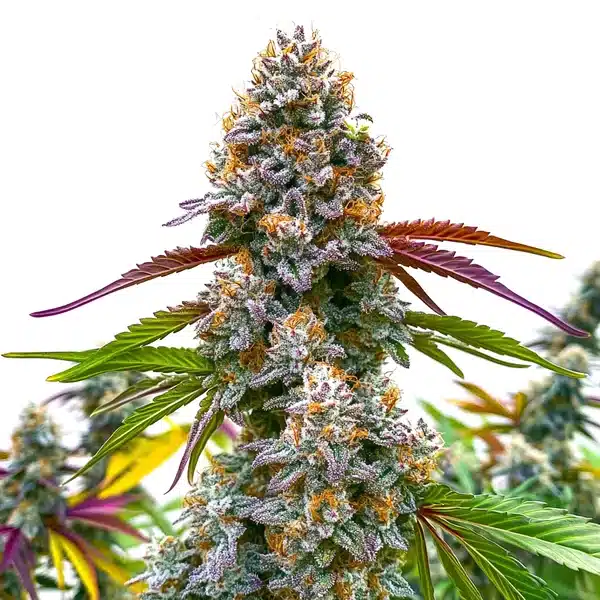
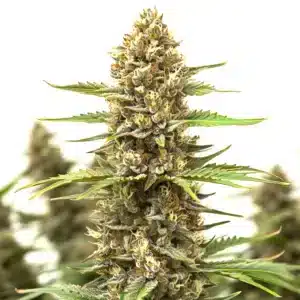
Critical Daddy Purple

|
THC | 19% (Medium) |

|
Type | Feminized |

|
Yield | High |

|
Phenotype | 50% Indica / 50% Sativa |
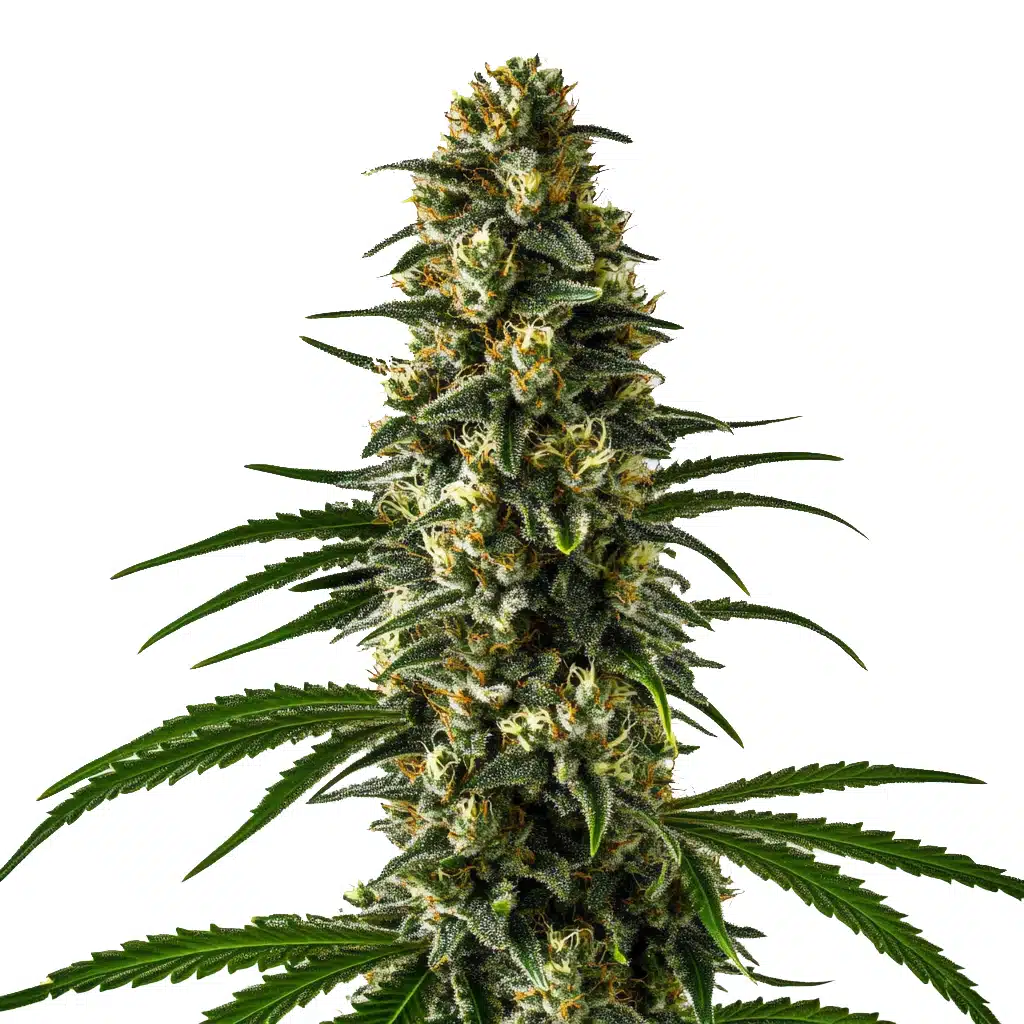
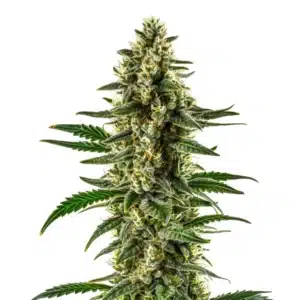
Girl Scout Cookies
|
|
THC | 18% - 25% (High) |
|
|
Type | Feminized |
|
|
Yield | High |
|
|
Phenotype | 60% Indica / 40% Sativa |
For example, if you purchase the Girl Scout Cookies strain from Blimburn Seeds, and the lab report shows zero PGR residues, you can trust that the strain is pure. If residues are present, knowing the levels and what they mean is essential. Keep reading to learn how to interpret these details effectively.
Interpreting Cannabis Lab Results for PGR Residues
Interpreting cannabis lab results for PGR residues involves knowing the various chemical names listed in the report. Some common PGRs include paclobutrazol, daminozide, and chlormequat chloride. These names might be unfamiliar, but they indicate potential contamination. If you see them on the report, it’s a red flag.
Concentration levels are another critical aspect. Reports usually express these in parts per million (ppm). Safe levels vary, but generally, lower numbers are better. If you notice high levels, it might be wise to avoid that product. Analyzing PGR contamination in cannabis testing helps ensure you’re consuming a safe product.
Another key factor when interpreting cannabis lab results for PGR residues is knowing the context of the findings. Different strains may have different tolerances for PGR residues. Therefore, it’s essential to know the baseline levels for the specific strain you’re examining. Comparing these results with those of a known clean strain from Blimburn Seeds can offer a clearer perspective.
Additionally, it’s crucial to keep abreast of evolving industry standards and regulations concerning PGR residues. This knowledge can help you better understand any updates in lab reporting methods. Reading lab reports for plant growth regulator residues in cannabis becomes more straightforward when you’re familiar with the latest safety guidelines and benchmarks set by industry leaders.
Why PGR Residues Matter
PGR residues matter because they can affect your health and the quality of your cannabis. While they might enhance the appearance or growth of the plant, residues left behind can pose potential health risks. Long-term exposure to these chemicals could lead to health issues. Therefore, reading lab reports for plant growth regulator residues in cannabis is essential for safe consumption.
For growers, avoiding PGRs ensures the natural growth and quality of your plants. This practice maintains the integrity of strains like Bruce Banner #3 from Blimburn Seeds. By keeping your cannabis clean, you not only guarantee safety but also preserve the strain’s natural characteristics.
Furthermore, knowing PGR residue levels in marijuana lab reports also aids in maintaining consumer trust. When buyers are confident that their products are free from harmful residues, it bolsters the reputation of responsible cultivators and brands. This transparency is a cornerstone of sustainable business practices in the cannabis industry.
Moreover, avoiding PGR residues contributes positively to environmental sustainability. PGRs can have detrimental effects on soil health and the broader ecosystem. By opting for PGR-free cultivation methods, growers not only safeguard consumer health but also promote ecological balance and biodiversity.
Promos & Deals



Analyzing PGR Contamination in Cannabis Testing
Analyzing PGR contamination in cannabis testing requires a keen eye for detail. Start by looking at the overall summary of the lab report. This section often highlights any areas of concern, including PGR residues. If the report flags any PGRs, take a closer look at the specific chemicals and their concentrations.
Next, check the certification of the lab conducting the tests. Reputable labs ensure accuracy and reliability. If you’re buying strains like Critical Daddy Purple from Blimburn Seeds, ensure the lab report is from a certified facility. This step guarantees that the testing methods meet industry standards.
Additionally, knowing the methodology used in testing can provide insights into the reliability of the results. Different laboratories might employ varying techniques, which can impact the detection levels of PGRs. Familiarize yourself with these methodologies to better gauge the accuracy of the findings.
It’s also beneficial to stay informed about technological advancements in cannabis testing. As the industry evolves, so do the tools and techniques for analyzing PGR contamination. By keeping up-to-date with these developments, you can ensure that your approach to interpreting lab results remains current and effective.
Steps to Identify PGR Residues in Marijuana Test Results
- Look for a dedicated section on PGRs in the lab report.
- Check for chemical names like paclobutrazol and daminozide.
- Pay attention to concentration levels expressed in ppm.
- Verify the lab’s certification and testing methods.
- Compare results against industry safety standards.
Start with the dedicated section on PGRs. This part of the report is crucial for identifying PGR residues in marijuana test results. If the section is absent or lacks detail, it might indicate incomplete testing.
Next, check for specific chemical names. Familiarize yourself with common PGRs and ensure they’re not present in the report. If they are, evaluate the concentration levels. Lower concentrations are typically safer, but always compare these numbers against industry standards for safety.
After identifying the PGR residues, examine the overall context of the findings. Consider how these residues might impact the cannabis’s intended use, whether for medicinal or recreational purposes. This evaluation helps in making informed decisions about product safety and quality.
Finally, communicate with your supplier or cannabis provider if you have concerns. Engaging in dialogue about how to read a cannabis lab report for PGR residues can foster better knowing and trust. Brands like Blimburn Seeds that are open to such discussions typically demonstrate a commitment to transparency and customer safety.
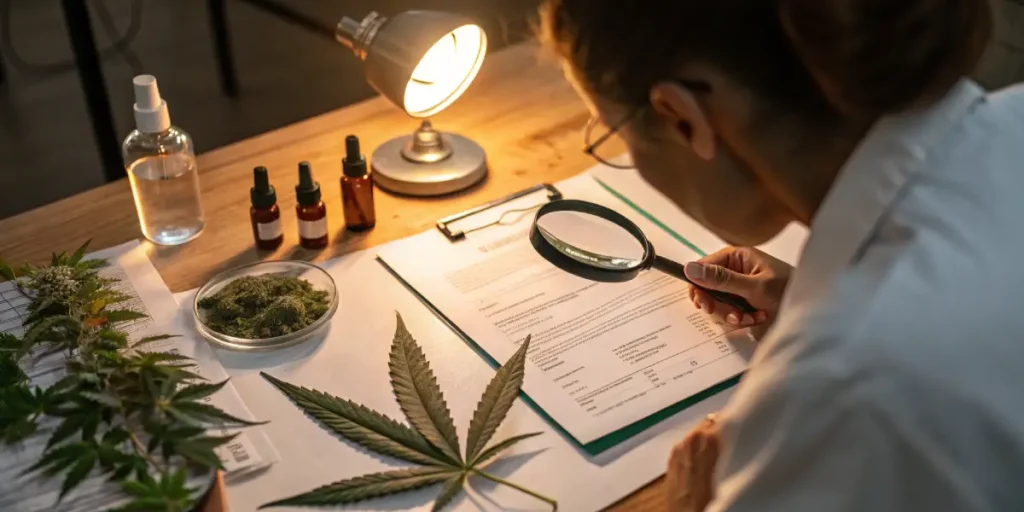
FAQs about how to read a cannabis lab report for PGR residues
What are Plant Growth Regulators (PGRs) and why are they used?
Plant Growth Regulators (PGRs) are chemicals that influence the growth processes of plants. They’re often used to enhance the size, shape, or overall appearance of plants, making them appear more robust and healthy. However, their use in cannabis can lead to residues that might be harmful when consumed.
In cannabis cultivation, PGRs can make buds look denser and more appealing. Despite this, the residues left behind can pose health risks to consumers. Recognizing their presence in lab reports helps buyers and growers maintain safe practices and avoid potential health issues.
It’s essential to understand that not all plant growth enhancements require chemical intervention. Organic growing techniques can achieve similar results without the drawbacks of chemical residues. This approach supports a healthier final product and aligns with consumer preferences for natural cultivation methods.
Moreover, awareness of PGRs and their implications empowers consumers to demand higher quality standards. As the market becomes more educated, there’s a push towards transparency and accountability, encouraging producers to adopt safer, cleaner practices in their cultivation processes.
How can I avoid PGR residues in my cannabis products?
Avoiding PGR residues starts with choosing the right sources for your cannabis. Opt for reputable brands like Blimburn Seeds, known for their quality and transparency. Always request lab reports and carefully examine them for any signs of PGR contamination.
Additionally, consider growing your cannabis organically if possible. By controlling the cultivation process, you can ensure no PGRs are used. This approach gives you peace of mind, knowing your cannabis is free from harmful residues.
Educating yourself on how to read a cannabis lab report for PGR residues further enhances your ability to select safe products. By knowing what to look for, you make informed choices that prioritize health and safety over mere appearance.
Moreover, supporting local and organic growers who prioritize natural cultivation methods can also minimize exposure to PGR residues. These growers often have a vested interest in maintaining the purity and integrity of their products, aligning with consumer demands for transparency and quality.
Are PGR residues legal in cannabis products?
The legality of PGR residues in cannabis products varies by region. Some areas have strict regulations prohibiting their use, while others might allow certain levels. It’s essential to understand the laws in your area and ensure compliance when purchasing or growing cannabis.
Even in regions where PGRs might be legal, many consumers prefer to avoid them due to potential health concerns. Always read lab reports to ensure your cannabis meets your personal safety standards.
Staying informed about local regulations regarding PGR residues is crucial for both consumers and growers. This knowledge helps you navigate the market more effectively and ensures compliance with health and safety guidelines.
Furthermore, as public awareness increases, there may be shifts in legislation to reflect consumer demand for cleaner products. Being proactive in knowing and adhering to these changes demonstrates a commitment to quality and safety in the cannabis industry.
What should I do if I find high PGR levels in a lab report?
If you discover high PGR levels in a lab report, consider avoiding that product. High concentrations can indicate poor cultivation practices and potential health risks. Report your findings to the producer and seek alternative products with clean lab results.
Choosing strains from trusted sources like Blimburn Seeds can help you avoid this issue altogether. Their commitment to quality ensures you receive safe, PGR-free cannabis. Always prioritize safety and quality when selecting your cannabis products.
Additionally, sharing your findings with the wider community can help raise awareness and prompt change. By discussing the implications of high PGR levels, you contribute to a broader dialogue about cannabis safety and quality standards.
Reaching out to industry watchdogs or consumer protection agencies can also be beneficial. These organizations might offer additional support or resources to address your concerns, further amplifying the call for transparency and consumer safety in the cannabis sector.
Can lab reports be trusted completely for PGR residue information?
While lab reports are a crucial tool, it’s important to verify their credibility. Ensure the lab conducting the tests is certified and follows industry standards. A trustworthy lab report should provide clear, detailed information about PGR residues.
When in doubt, consult with experts or seek additional opinions. Reliable sources like Blimburn Seeds can offer guidance and reassurance, so you can confidently interpret your lab reports. Trust but verify is a wise approach when dealing with cannabis lab results.
Engaging with communities and forums focused on cannabis testing can also provide insights into the reliability of lab reports. These platforms often feature discussions about credible labs, new testing methodologies, and best practices for interpreting results.
Ultimately, developing a robust knowing of how to read a cannabis lab report for PGR residues empowers you to make informed decisions. This knowledge not only improves your personal safety but also supports the broader movement towards higher standards and practices in the cannabis industry.