Essential Guide: Expert Tips on Interpreting Sap Test Data in Marijuana Cultivation

Interpreting sap test data in marijuana cultivation is a crucial skill for both novice and seasoned growers. Sap testing provides valuable insights into the nutrient status of your cannabis plants. By analyzing sap data, you can make informed decisions that optimize plant health and yield.
With sap testing, it’s like having a conversation with your plants. The sap, a fluid in the plant, contains valuable information about nutrient levels. This data helps you understand what your plants need in real-time, enabling you to adjust your fertilization strategy effectively.
Recommended Strains

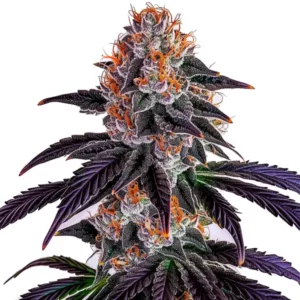
Green Crack

|
THC | 21% (Medium) |

|
Type | Feminized |

|
Yield | High |

|
Phenotype | 35% Indica / 65% Sativa |

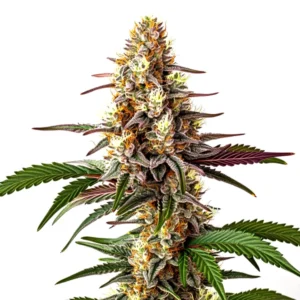
Tangie
|
|
THC | 19% - 22% (Medium) |
|
|
Type | Feminized |
|
|
Yield | High |
|
|
Phenotype | 30% Indica / 70% Sativa |
For instance, consider the Blimburn Seeds strain, Blue Dream. If sap tests indicate a nitrogen deficiency, you can promptly adjust your nutrient mix. This proactive approach ensures that your plants grow strong and healthy, maximizing the potential of each strain.
The Basics of Sap Testing in Cannabis Cultivation
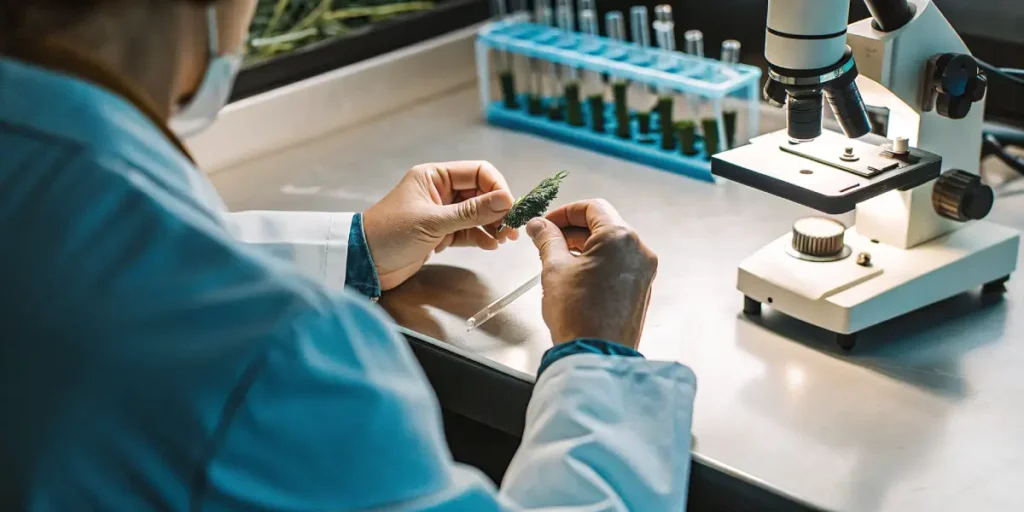
Sap testing involves extracting the plant’s fluid to measure nutrient levels. This technique provides a snapshot of the plant’s health, offering insights that soil tests or leaf tissue analysis might miss. It’s especially useful in identifying nutrient imbalances before they become visible problems.
For those growing Blimburn Seeds’ GG4, sap testing can be the difference between average and exceptional yields. By regularly monitoring sap test results, you can catch nutrient imbalances early. This allows for timely interventions that keep your plants thriving, even in challenging conditions.
Knowing sap test data for marijuana is a skill that develops over time. As you become more adept at interpreting sap test data in marijuana cultivation, you’ll find it easier to anticipate your plants’ needs. This foresight can lead to healthier plants and more abundant harvests.
Moreover, sap testing marijuana cultivation insights can guide you in fine-tuning your growing environment. By correlating sap test results with environmental conditions, you can identify factors that may be affecting nutrient uptake. This holistic approach ensures optimal plant performance.
Promos & Deals


How to Conduct Sap Testing
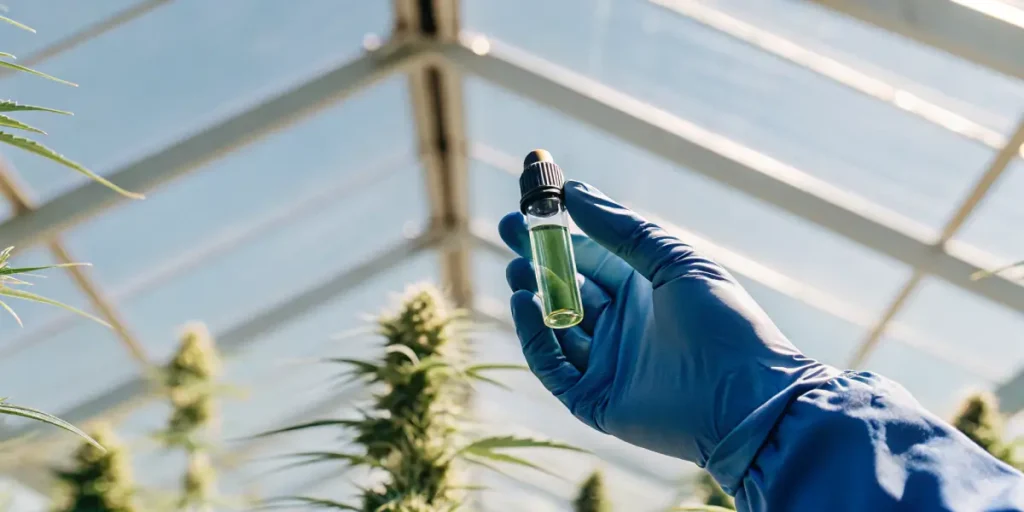
To perform sap testing, you’ll need a sap press and a few basic tools. Begin by selecting a few representative leaves from your plants. These should be healthy and free from any visible damage. Using the sap press, extract the fluid and collect it in a clean container.
Next, utilize a sap analysis kit to measure nutrient levels. These kits often test for elements like nitrogen, phosphorus, and potassium, among others. Document the results carefully, as consistent tracking is critical for interpreting sap analysis results cannabis growers rely on.
One of the key aspects of conducting sap testing is consistency. Regular testing allows you to build a comprehensive profile of your plant’s nutrient uptake over time. This data is invaluable for making precise adjustments to your cultivation practices.
Additionally, analyzing sap data cannabis growth trends can reveal patterns that might not be apparent through other methods. By recognizing these patterns, you can make proactive decisions that enhance plant health and productivity.
Analyzing Sap Test Data for Cannabis Growth
Once you have your sap test results, the next step is analysis. Look for any deviations from the optimal nutrient ranges for cannabis. For example, if potassium levels are low, your plants might be at risk of developing nutrient deficiencies that could affect yield.
Consider the nutrient demands of specific strains, such as Blimburn Seeds’ Green Crack. Some strains are more demanding in terms of certain nutrients. Tailor your nutrient management plan accordingly, using the sap data as a guide.
Analyzing sap data cannabis growth requires a keen eye for detail. By carefully reviewing each parameter, you can identify subtle shifts in nutrient uptake that may signal the need for intervention. This level of precision is crucial for maintaining plant health.
Sap test interpretation for cannabis plants also involves knowing the interplay between different nutrients. A deficiency in one element can sometimes trigger an imbalance in another, making it essential to view the data holistically.
Real-life Application of Sap Testing Insights
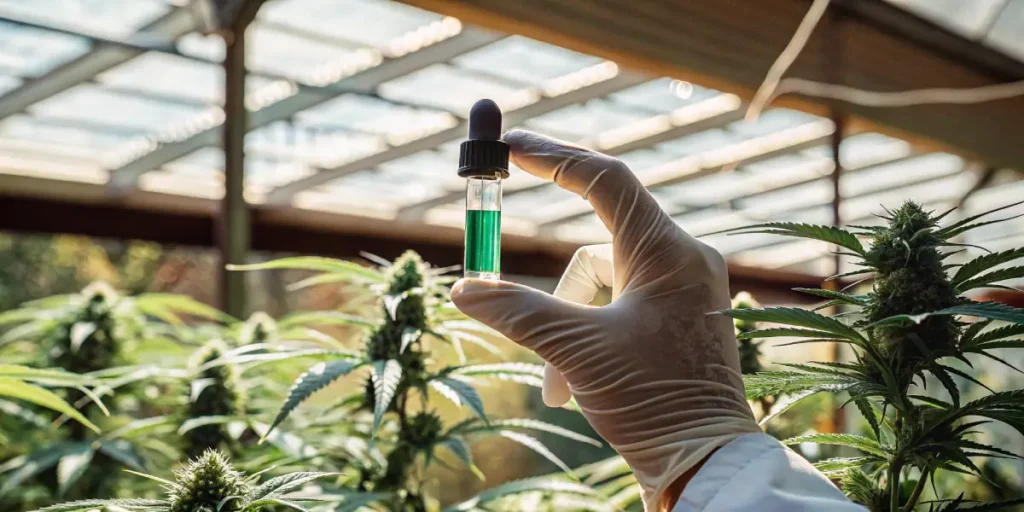
Imagine you’re growing a batch of Blimburn Seeds’ Tangie. You’ve noticed some leaf discoloration and suspect a nutrient issue. By conducting a sap test, you discover an imbalance in magnesium. This insight allows you to adjust your nutrient solution before the problem escalates.
In another scenario, sap testing might reveal that your plants have an excess of calcium. With this information, you can modify your nutrient regimen to prevent potential lockout of other essential nutrients. This proactive approach minimizes stress on your plants.
Real-life scenarios often highlight the value of interpreting sap test data in marijuana cultivation. By applying sap testing insights to everyday growing challenges, you can develop a more nuanced knowing of your plants’ needs.
Furthermore, the ability to swiftly address issues as they arise means that your cultivation process becomes more resilient and adaptable. This adaptability is a key advantage when working with diverse Blimburn Seeds strains.
Common Challenges and Solutions in Sap Testing
One challenge growers face is the initial setup of sap testing. It requires an upfront investment in equipment and learning the testing process. However, the long-term benefits in terms of plant health and yield are well worth the effort.
Another common issue is interpreting the results accurately. It can be daunting to analyze the data without a reference point. Start by comparing your results against established nutrient benchmarks for cannabis. Over time, you’ll become more adept at interpreting sap test data in marijuana cultivation.
The learning curve associated with sap testing can be mitigated by seeking guidance from experienced growers. Joining forums or communities focused on sap test interpretation for cannabis plants can provide valuable support and knowledge sharing.
In terms of equipment, choosing reliable and user-friendly tools can ease the process. Many sap analysis kits come with detailed instructions and support, helping you navigate the complexities of knowing sap test data for marijuana.
FAQs about Interpreting sap test data in marijuana cultivation
Why is sap testing important for cannabis plants?
Sap testing is important because it provides real-time insights into the nutrient status of your cannabis plants. Unlike traditional leaf or soil tests, sap testing offers a dynamic view of how nutrients are being utilized by the plant. This allows for timely adjustments to nutrient regimens before any visible deficiency symptoms appear.
For growers of Blimburn Seeds strains, this means you can optimize your plant’s health and maximize yields. Whether dealing with nutrient deficiencies or excesses, sap testing offers a precise and proactive approach to nutrient management, ensuring that your plants thrive under optimal conditions.
Additionally, sap testing can serve as a diagnostic tool when plants exhibit unexplained symptoms. By comparing sap test results with visual observations, you can pinpoint the underlying issues and implement effective solutions.
The insights gained from sap testing not only enhance individual plant performance but also contribute to the overall success of your growing operation. This comprehensive knowing is a cornerstone of sustainable cultivation practices.
How often should I conduct sap testing on my cannabis plants?
The frequency of sap testing can depend on several factors, including the growth stage of your plants and any existing nutrient issues. Generally, conducting sap tests every two weeks is a good practice. This frequency allows you to catch any nutrient imbalances early and adjust your fertilization strategy accordingly.
For those cultivating nutrient-sensitive strains like Blimburn Seeds’ Green Crack, more frequent testing may be beneficial. By closely monitoring sap test data, you can ensure that your plants receive the precise nutrients they need at each stage of their development.
Regular sap testing helps establish a nutrient baseline for your plants, making it easier to detect any deviations from the norm. This proactive approach is key to maintaining plant health and optimizing growth.
Moreover, frequent sap testing provides ongoing feedback on the effectiveness of your nutrient management strategies, allowing for continuous improvement and refinement of your cultivation practices.
Can sap testing help with pest management?
While sap testing primarily focuses on nutrient levels, it can indirectly assist with pest management. A well-nourished plant is generally more resilient to pests and diseases. By ensuring that your plants receive balanced nutrition, you enhance their natural defenses.
For growers of Blimburn Seeds’ GG, maintaining optimal nutrient levels through sap testing can reduce the likelihood of pest infestations. This is because healthy plants are better equipped to withstand environmental stressors, including pests.
Interpreting sap test data in marijuana cultivation can highlight nutrient imbalances that may make plants more susceptible to pests. Addressing these imbalances promptly can help fortify your plants against potential threats.
Additionally, a robust nutrient profile supports plant vigor, which is a critical factor in outcompeting pests and minimizing their impact. This holistic approach to plant health is an integral part of integrated pest management strategies.
What equipment do I need for sap testing?
To perform sap testing, you’ll need a sap press to extract the fluid from the plants, and a reliable sap analysis kit to measure nutrient levels. These kits often come with guidelines for interpreting results, making it easier for growers to understand their plant’s needs.
For those starting out with Blimburn Seeds strains, investing in these tools can significantly improve your cultivation outcomes. While the initial cost might be a consideration, the insights gained through sap testing can lead to healthier plants and higher yields, making it a worthwhile investment.
Choosing the right equipment for interpreting sap analysis results cannabis growers trust is crucial. Look for tools that offer accuracy and ease of use to streamline your testing process.
Moreover, staying updated with the latest advancements in sap testing technology can further enhance your ability to gather and interpret critical data, ultimately improving your overall cultivation strategy.
Are there any limitations to sap testing in cannabis cultivation?
One limitation of sap testing is that it requires a learning curve to accurately interpret the results. While the data provides a wealth of information, it takes time and experience to translate this into actionable growing strategies.
Additionally, sap testing doesn’t replace other forms of analysis, such as soil tests or visual inspections. It should be used as part of a holistic approach to cannabis cultivation. For Blimburn Seeds growers, combining sap testing with other techniques ensures a comprehensive knowing of plant health.
Despite these limitations, the value of interpreting sap test data in marijuana cultivation cannot be overstated. The insights gained often complement other diagnostic methods, leading to a more thorough knowing of plant needs.
Furthermore, as you become more experienced in interpreting data, you’ll find that sap testing becomes an indispensable tool in your cultivation toolkit, offering a unique perspective that enhances your growing prowess.