Essential Guide: Expert Sample Preparation for PGR Analysis in Cannabis

Sample preparation for PGR analysis in cannabis is a crucial step for ensuring accurate results. Whether you’re a beginner or a seasoned grower, understanding how to properly prepare your cannabis samples can significantly impact the quality of your analysis. In this guide, we’ll walk you through the key steps and best practices to optimize your sample prep for cannabis PGR testing.
When it comes to cannabis PGR analysis sample preparation techniques, consistency is key. You want to ensure that each sample is treated the same to avoid any discrepancies in your results. This means using the same tools, following the same procedures, and maintaining a clean workspace. Let’s delve into the essential steps you need to take for effective sample preparation.
Recommended Strains
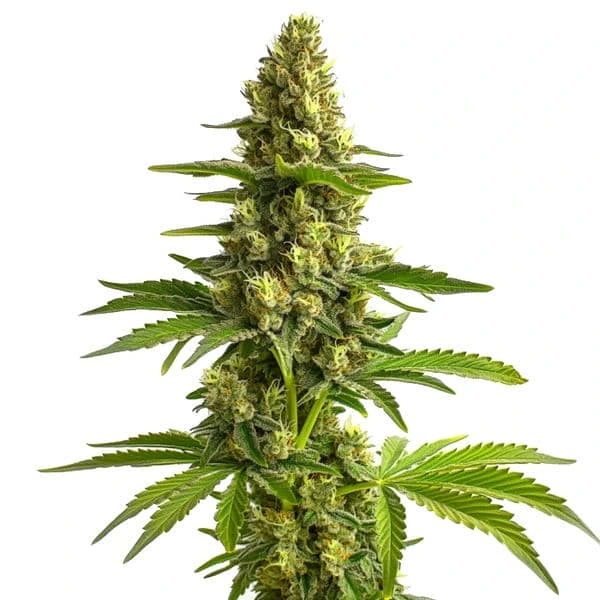
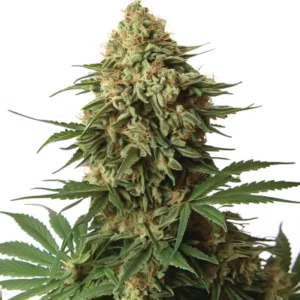
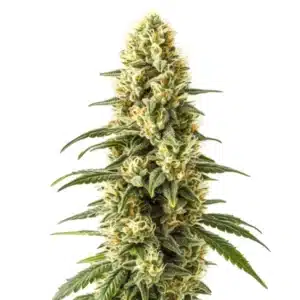
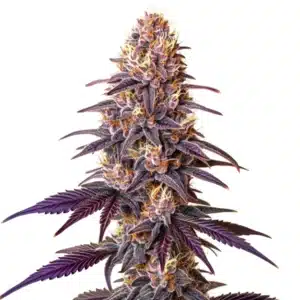
Bruce Banner #3

|
THC | 20% - 29% (High) |

|
Type | Feminized |

|
Yield | High |

|
Phenotype | 50% Indica / 50% Sativa |

Before diving into the methods, it’s essential to understand the importance of sample prep methods for PGR analysis in cannabis. Proper preparation helps in isolating the plant growth regulators, ensuring that the testing process is as accurate as possible. This is particularly important when working with high-quality strains like those from Blimburn Seeds, where precision and accuracy are paramount.
Choosing the Right Tools and Equipment
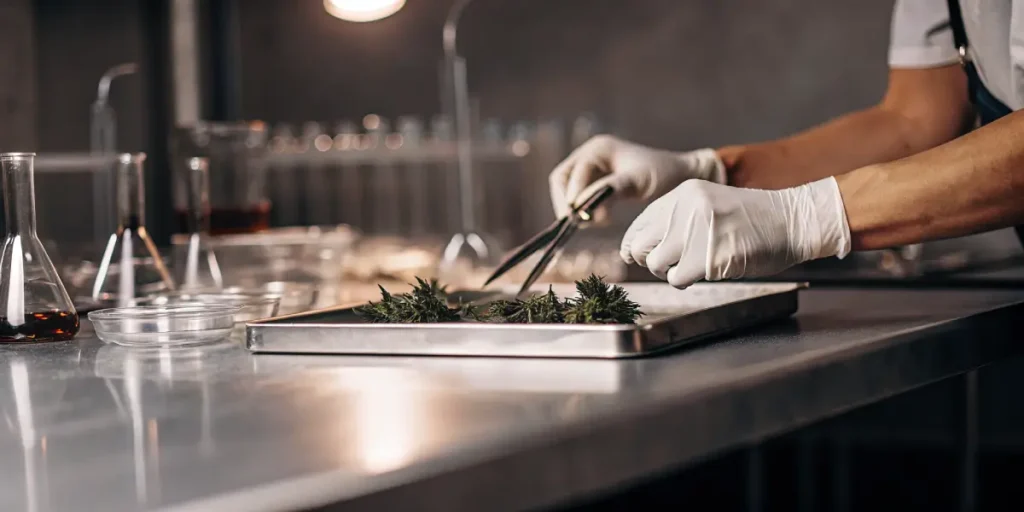
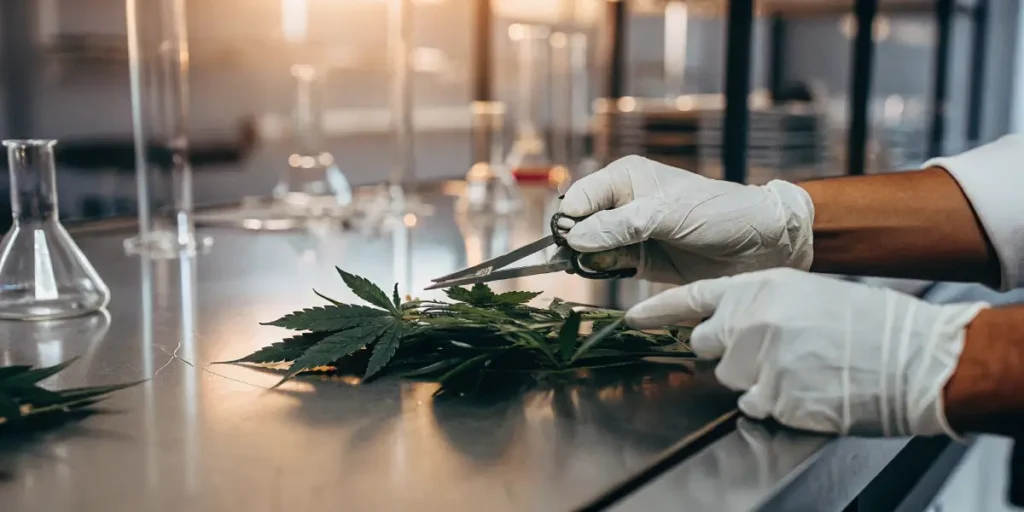
Effective sample preparation for PGR analysis in cannabis starts with selecting the right tools and equipment. Having the appropriate tools ensures that you can perform each step efficiently and accurately. Basic equipment needed includes scissors, gloves, and clean containers.
High-quality scissors are essential for cutting samples. They should be sharp and clean to avoid contamination. Using gloves is another critical step to prevent introducing any foreign substances into your samples.
Additionally, consider investing in precision scales to accurately measure sample weights, which is a best practice for cannabis PGR sample preparation. This precision helps ensure that each sample is representative, providing dependable data. Consistent measurements are foundational to optimizing sample prep for cannabis PGR testing.
Another useful tool is a microscope, which can help in inspecting the quality and health of your cannabis samples. This is particularly useful when selecting samples from strains like those from Blimburn Seeds, as it helps in identifying the most robust and representative parts of the plant.
Preparing the Cannabis Samples
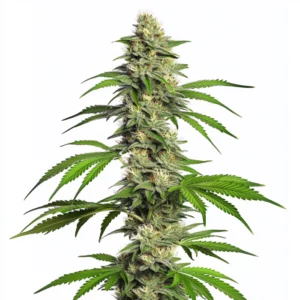
Once you have your equipment ready, it’s time to prepare the cannabis samples. Begin by selecting healthy plants, such as those from the premium Blue Dream strain by Blimburn Seeds. Healthy plants provide more reliable results.
Cut small sections of the plant, focusing on areas that are most representative of the entire plant. Typically, the top third of the plant is ideal. Ensure all samples are of uniform size to maintain consistency across the board.
For the most effective sample preparation for PGR analysis in cannabis, consider the age and flowering stage of the plant, as these factors can influence the levels of plant growth regulators. Selecting samples from plants at similar growth stages ensures more accurate comparisons.
Handle each sample with care to avoid bruising or damaging the plant tissues, which could affect the analysis outcomes. Place samples immediately into labeled containers to preserve their condition and to facilitate a systematic approach to testing.
Promos & Deals
Drying and Grinding the Samples
Drying your cannabis samples is a vital step in the process. Moisture content can significantly affect the results of your analysis. Therefore, it’s crucial to dry the samples thoroughly before moving on to the next step.
Place the samples in a well-ventilated area and allow them to dry completely. This could take a few days, depending on the local climate. Once dried, the next step is grinding the samples into a fine powder.
Control environmental factors such as temperature and humidity during the drying process, as these can influence the drying rate and final moisture content. Consistent conditions are a key aspect of cannabis PGR analysis sample preparation techniques.
Before grinding, inspect the dried samples for any signs of mold or deterioration. This ensures that only high-quality samples proceed to the grinding stage, which is essential for accurate cannabis plant growth regulator analysis preparation steps.
Grinding Techniques
Use a clean grinder to pulverize the dried samples. This creates a uniform consistency, which is necessary for accurate analysis. Ensure that the grinder is free from any residues from previous uses to avoid cross-contamination.
Grinding the samples into a fine powder increases the surface area, which aids in more effective testing. If you’re working with a strain like Bruce Banner, known for its dense buds, ensure that the grinding process is thorough.
Consider using a sieve to achieve a consistent particle size, which is crucial for precise analysis. Uniform particle size is an important factor in optimizing sample prep for cannabis PGR testing, as it ensures even extraction of plant growth regulators.
After grinding, monitor the samples for any changes in color or aroma, as these can indicate potential issues with the grinding process or sample quality. Addressing any discrepancies immediately helps maintain the accuracy of your results.
Sample Storage and Handling
Proper storage of your cannabis samples is essential for maintaining their quality. Once you have prepared the samples, they should be stored in a cool, dry place. Temperature and humidity control are critical factors in preserving the samples.
Consider using desiccant packs to manage moisture levels within storage containers. This is particularly important for strains like the high-THC strain GG4 from Blimburn Seeds, where preserving potency is crucial.
Ensure that storage containers are made of materials that do not react with the cannabis samples, as this could alter the sample composition. Glass or high-quality plastic containers are often recommended for best practices for cannabis PGR sample preparation.
Implement a regular schedule for inspecting stored samples, checking for any signs of degradation or contamination. This vigilance is part of maintaining sample integrity and ensuring reliable PGR analysis results.
Handling Precautions
When handling the samples, always wear gloves and use clean utensils. This reduces the risk of contamination, ensuring that your PGR analysis results are as accurate as possible.
Label each container clearly and keep detailed records of each sample batch. This is not only good practice but also helps when reviewing results and making comparisons between different strains or growing conditions.
Establish strict handling protocols that include using dedicated tools and containers for each batch of samples. This minimizes the risk of cross-contamination, a critical step in cannabis PGR analysis sample preparation techniques.
Educate all personnel involved in the sample preparation process about the importance of maintaining a sterile environment and the impact of their actions on the final analysis accuracy. Consistent training ensures adherence to best practices for cannabis PGR sample preparation.
FAQs on Sample Preparation for PGR Analysis in Cannabis
What are the most common mistakes in cannabis PGR analysis sample preparation?
One common mistake is not ensuring uniformity in sample size and condition. Inconsistent samples can lead to unreliable results. Another frequent error is neglecting proper drying techniques. Moist samples can skew analysis outcomes, leading to inaccurate readings.
Additionally, cross-contamination can occur if tools and containers are not cleaned properly between uses. This can introduce foreign substances into the samples, affecting the results. Always maintain a clean workspace and use sterilized equipment.
Failing to account for environmental variables during sample preparation can also lead to inconsistent results. It’s essential to control these factors to ensure that your cannabis plant growth regulator analysis preparation steps are reliable.
Overlooking the importance of sample labeling and documentation can lead to confusion and errors in data interpretation. Keep meticulous records to track the entire preparation process and facilitate accurate analysis.
How can I optimize my sample prep for cannabis PGR testing?
Optimizing sample prep involves maintaining consistency throughout the process. Use identical equipment and follow the same procedures for all samples. Consistent environmental conditions, such as temperature and humidity, also play a role in optimizing the preparation process.
Invest in high-quality tools and materials. This includes using sharp scissors, clean gloves, and reliable storage containers. Attention to detail at each step ensures that the final analysis is as accurate as possible.
Implementing a quality control system that includes regular checks and balances can significantly enhance the reliability of your cannabis PGR analysis sample preparation techniques. This ensures that deviations are promptly addressed.
Continuously review and refine your preparation methods based on feedback and analysis results. This ongoing improvement approach is critical for staying ahead in the rapidly evolving field of cannabis PGR testing.
Why is drying important in cannabis PGR sample preparation?
Drying is crucial because moisture content can interfere with the accuracy of PGR analysis. Wet samples can lead to erroneous readings, which might suggest incorrect levels of plant growth regulators. Thorough drying eliminates this variable.
Drying also aids in the grinding process. Dried samples grind more evenly, resulting in a consistent powder that is easier to analyze. This consistency is vital for obtaining reliable data from your PGR tests.
Proper drying methods also help in preserving the chemical integrity of the samples, which is essential for accurate cannabis plant growth regulator analysis preparation steps. This ensures that the true PGR levels are measured.
Evaluate different drying techniques to determine which method best suits your specific strains and testing requirements. Tailoring the drying process to your needs can enhance the overall effectiveness of your sample preparation.
What storage methods are best for prepared cannabis samples?
For optimal storage, keep samples in airtight containers to prevent exposure to air and moisture. Store them in a cool, dry place to preserve their integrity. Temperature fluctuations and high humidity can degrade the samples, affecting the analysis.
Using desiccants can help manage moisture levels within storage containers. Regularly check stored samples for any changes in condition and adjust storage conditions as necessary to maintain sample quality.
Consider vacuum sealing as an advanced storage method to further protect samples from environmental factors. This method is particularly useful for long-term storage in cannabis PGR analysis sample preparation techniques.
Implement a labeling system that includes detailed sample information and storage dates. This practice aids in efficient inventory management and ensures that samples are used within their optimal testing window.
How do I handle cannabis samples to avoid contamination?
Start by using gloves at all times to prevent skin oils or other contaminants from coming into contact with the samples. Use clean, sterilized tools for cutting and handling to maintain sample purity.
Label each sample clearly and separately to avoid mix-ups. Follow strict protocols for cleaning your workspace and equipment before and after each use. This diligence helps ensure that your results are accurate and reliable.
Designate a specific area for sample preparation to minimize the risk of external contamination. This dedicated space should be regularly cleaned and maintained as part of best practices for cannabis PGR sample preparation.
Educate all team members on the importance of contamination control and the specific procedures they must follow. A knowledgeable team is essential for maintaining high standards in cannabis PGR testing environments.