Essential Guide: Does CBD Degrade Like THC? Expert Insights

In the world of cannabis, knowing how compounds like CBD and THC behave over time is crucial. Many enthusiasts and growers often wonder, does CBD degrade like THC? The answer to this question can influence how you store your products and what to expect in terms of potency.
Both CBD and THC are cannabinoids, which are the active compounds found in cannabis. While they share some similarities, their degradation over time varies. This article delves into the specifics of how CBD degradation over time compares to THC, providing insights that can help you make informed decisions.
Recommended Strains
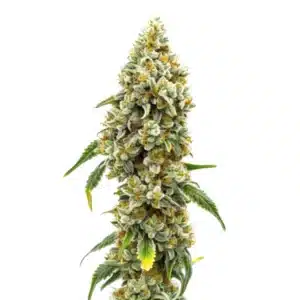
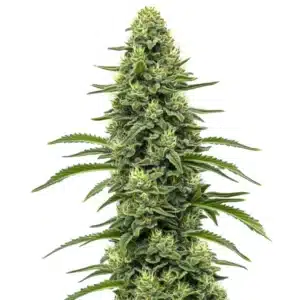
Harlequin CBD (1:18)

|
CBD | 12% – 14% (Medium) |

|
Type | CBD Feminized |

|
Yield | Medium |

|
Phenotype | 55% Indica / 45% Sativa |
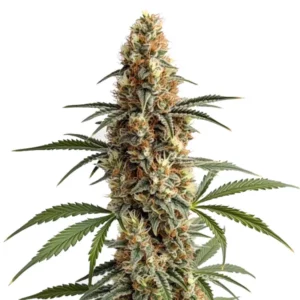
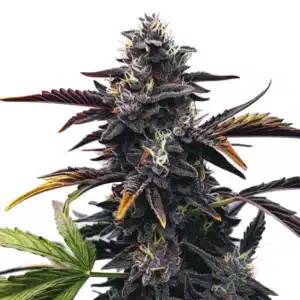
Mamba Negra

|
THC | 18% (Medium) |
|
|
Type | Feminized |
|
|
Yield | High |
|
|
Phenotype | 55% Indica / 45% Sativa |
Whether you’re a first-time buyer looking into Blimburn Seeds or a seasoned grower, knowing the degradation processes of these cannabinoids is vital. Let’s explore how these popular cannabis components fare over time and what it means for your cannabis experience.
Cannabinoid Stability: THC vs CBD Degradation Process
THC, the psychoactive compound in cannabis, is known to degrade over time, turning into a less potent compound called CBN. This transformation can impact the quality and effectiveness of the cannabis product. So, does CBD break down like THC?
CBD, unlike THC, tends to be more stable. While it does degrade, the process is slower. This stability of CBD compared to THC makes it a preferred choice for those looking for longer-lasting products. However, it’s essential to store CBD properly to maintain its efficacy.
The stability of CBD compared to THC is often a deciding factor for consumers when choosing between products. While both compounds are susceptible to environmental factors, CBD’s resilience offers a bit more leeway in terms of storage conditions. This characteristic can be particularly advantageous for those who may not have access to optimal storage facilities.
Furthermore, knowing the THC vs CBD degradation process is crucial for manufacturers who aim to provide consistent, high-quality products. By recognizing the degradation patterns of both cannabinoids, producers can better tailor their cultivation and storage practices to ensure consumers receive the best possible experience from their cannabis products.
How Does CBD Degrade with Time?
When stored under optimal conditions, CBD can retain its potency for a considerable period. Factors like temperature, light, and air exposure play significant roles in how CBD degrades over time. Keeping CBD products in a cool, dark place can extend their shelf life.
Interestingly, while CBD is more stable, improper storage can accelerate its degradation. For example, leaving CBD oil in a hot car or exposing it to direct sunlight can lead to a faster breakdown, similar to THC.
As we explore how does CBD degrade with time, it’s important to note that the packaging also plays a critical role. Products that are not sealed properly or are exposed to fluctuating environmental conditions will degrade faster. Therefore, investing in quality packaging, such as opaque and airtight containers, is a practical step towards maintaining the integrity of your CBD products.
For those cultivating CBD-rich strains from Blimburn Seeds, knowing how does CBD degrade like THC is essential. By monitoring environmental factors and making adjustments as needed, growers can optimize the longevity and potency of their harvest, ensuring that consumers receive the highest quality product possible.
Real-Life Examples of CBD and THC Degradation
Imagine purchasing a stash of Harlequin CBD seeds from Blimburn Seeds. You grow them successfully, and the yield is excellent. However, without proper storage, you might find that the CBD content decreases over time.
On the other hand, if you grow a THC-rich strain like Mamba Negra from Blimburn Seeds, improper storage can lead to a more rapid transformation into CBN, impacting the psychoactive effects.
These scenarios underscore the significance of knowing the degradation process of these cannabinoids. The stability of CBD compared to THC gives it a slight edge, but it doesn’t eliminate the need for proper storage practices. Without these, even the most stable compounds can lose their effectiveness over time.
Moreover, real-life examples of CBD and THC degradation serve as valuable reminders of how environmental factors can impact cannabinoid stability. By learning from these cases, both consumers and growers can take proactive steps to mitigate degradation risks, thereby enhancing the overall cannabis experience.
Promos & Deals
Practical Tips for Storing Cannabis Products
To maximize the lifespan of your cannabis products, careful storage is key. Here are some practical tips to consider:
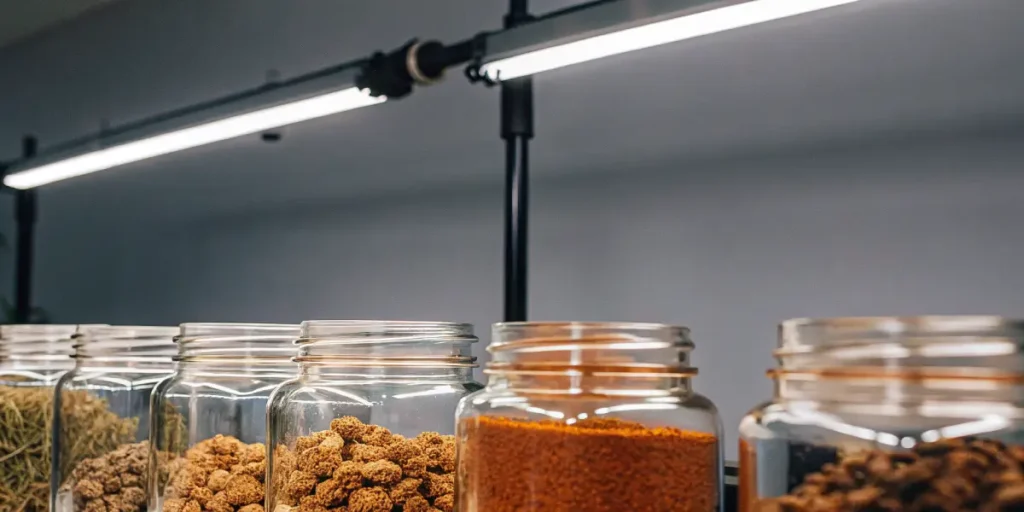
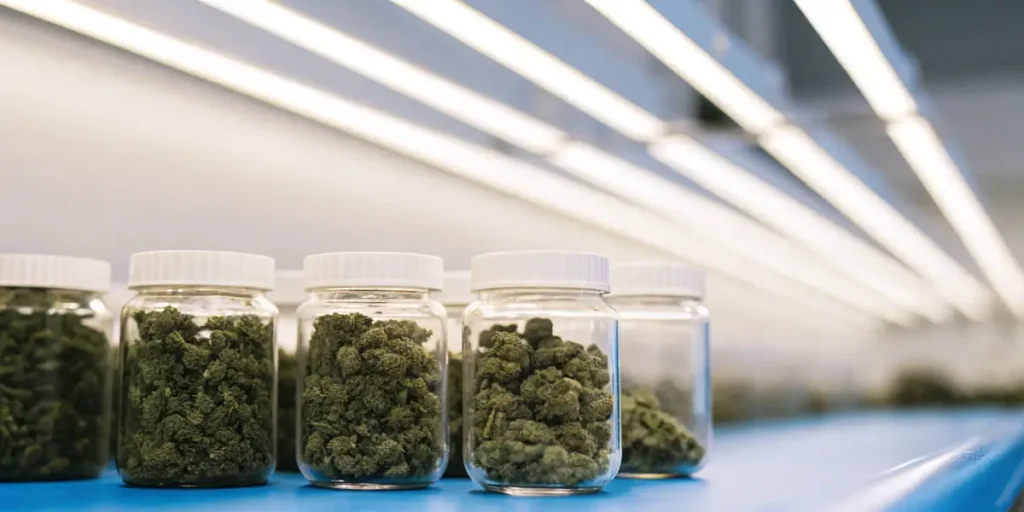
- Store products in a cool, dark place to minimize exposure to light and heat.
- Use airtight containers to reduce air exposure, which can accelerate degradation.
- Avoid drastic temperature changes, which can affect both CBD and THC stability.
Additionally, consider using humidity control packs which can help maintain an optimal environment for your cannabis products. These packs are designed to absorb excess moisture or release it as needed, thus preserving the integrity of the cannabinoids over time.
Another practical tip is to rotate your stock regularly. By using older products first, you can reduce the chances of degradation in your inventory. This approach not only ensures freshness but also allows you to consistently enjoy the full benefits of your cannabis products.
Choosing the Right Strain for Longevity
Selecting the right strain can also play a role in how long your cannabis product remains potent. Some strains naturally have a longer shelf life due to their unique cannabinoid profiles.
For those interested in CBD, strains like CBDream from Blimburn Seeds are excellent choices. These strains are bred to provide high CBD content with stability in mind.
When choosing strains, it’s also beneficial to consider the intended use of the cannabis product. For example, if you’re looking for long-term storage, opting for strains with a higher CBD content might be advantageous due to the stability of CBD compared to THC. This foresight can help ensure that your products maintain their desired effects over time.
Additionally, researching the specific growing conditions and storage recommendations for each strain can further enhance the longevity of your cannabis. By aligning your choices with expert insights, such as those from Blimburn Seeds, you can optimize your cannabis experience and enjoy the benefits of both CBD and THC for longer periods.
FAQs about does CBD degrade like THC
Does CBD degrade like THC in edibles?
In edibles, both CBD and THC are subject to the same degradation factors as in other forms. The cooking process can impact cannabinoid stability, so storing edibles in a cool, dark place is recommended. This ensures that the potency remains intact for as long as possible.
For those making homemade edibles, it’s important to consider the freshness of the ingredients used. Using fresh cannabis from Blimburn Seeds can enhance the longevity and quality of your edibles.
Additionally, when preparing edibles, consider the type of fat used in the recipe, as this can influence the stability of the cannabinoids. Fats with a higher smoke point can help preserve the integrity of CBD and THC during the cooking process, reducing the risk of degradation.
Knowing how does CBD degrade like THC in edibles also involves considering the storage conditions post-preparation. Keeping edibles in airtight containers and refrigerating them can significantly extend their shelf life, allowing you to enjoy their full benefits over time.
What are signs that CBD has degraded?
When CBD degrades, you might notice changes in color, smell, or taste. Products that were once a vibrant green or clear may become darker or cloudy. The smell might also become more pungent or off-putting.
These signs indicate that the CBD has broken down, potentially reducing its effectiveness. It’s crucial to dispose of any products showing these signs to avoid consuming degraded cannabinoids.
Another indicator of CBD degradation over time is a change in texture. Oils might become thicker or more viscous, and tinctures may separate, signaling a loss in potency. Monitoring these physical changes can help in determining the freshness of your CBD products.
For consumers, staying vigilant about these signs is essential. Regularly checking the condition of your products and adhering to proper storage guidelines can help mitigate the risks of degradation, ensuring you receive the full benefits of your cannabis investments.
How does packaging influence CBD and THC stability?
Packaging plays a significant role in the stability of CBD and THC products. Using opaque, airtight containers can protect cannabinoids from light and air, two primary factors that accelerate degradation.
For those purchasing cannabis products, opting for brands that prioritize quality packaging can make a difference. Blimburn Seeds, for example, provides packaging that helps maintain the freshness and potency of their seeds.
Furthermore, the material of the packaging itself can affect stability. Glass containers, for instance, are often preferred over plastic as they provide better protection against environmental elements. This choice can help preserve the cannabinoids’ integrity over time.
Considering how does CBD degrade with time, it’s evident that investing in high-quality packaging solutions is a wise decision. By choosing products that emphasize durability and protection, you can enhance the longevity and effectiveness of your cannabis experience.
Can CBD and THC degradation be reversed?
Once CBD or THC starts to degrade, the process cannot be reversed. However, taking preventive measures can slow down the degradation process significantly. Proper storage and handling are key.
Regularly checking the condition of your cannabis products can help in identifying any early signs of degradation. This proactive approach ensures that you get the most out of your investment in cannabis seeds and products.
While reversing degradation is not possible, knowing the factors that contribute to it can empower you to take necessary precautions. By implementing best practices in storage and handling, you can significantly extend the shelf life of your cannabis products.
For growers and consumers alike, awareness and education on the topic of degradation can make a world of difference. By staying informed and taking action, you can maximize the value and effectiveness of your CBD and THC products from brands like Blimburn Seeds.
Why is it important to understand CBD and THC degradation?
Knowing how CBD and THC degrade over time helps in making informed decisions about storage, usage, and purchasing. It ensures that you receive the desired effects and benefits from your cannabis products.
For growers and enthusiasts, this knowledge can impact how you approach your cultivation methods, especially when working with seeds from Blimburn Seeds. It allows for optimizing the potential of your grow and the eventual products.
Moreover, knowledge of the degradation processes can guide consumers in choosing products that align with their needs and preferences. By selecting strains and products with known stability, users can better manage their cannabis experience over time.
Ultimately, knowing the question “does CBD degrade like THC” is fundamental to maximizing the potential of cannabis products. Whether for recreational or medicinal use, being informed about cannabinoid stability enables better planning and decision-making, ensuring that users enjoy the full spectrum of benefits that cannabis has to offer.