Essential Beginner Guide to Cannabis Leaf Discoloration: Expert Tips

For those stepping into the world of cannabis cultivation, leaf discoloration can be a cause of worry. It’s a signal that your plant might be calling out for help. As a beginner, following a beginner guide to cannabis leaf discoloration is crucial to identify these signs early on and address potential issues before they affect overall plant health.
Leaf discoloration manifests in various colors, each indicating different issues. From yellowing to browning, each shade tells a story. This beginner guide to cannabis leaf discoloration will navigate you through the maze of color changes your plant may exhibit.
Recommended Strains


Yellowing can be alarming for new growers. It often signifies a nutrient deficiency or a pH imbalance. Addressing these issues promptly ensures your plants remain healthy and vibrant.
Common Causes of Cannabis Leaf Discoloration
Various factors contribute to the discoloration of cannabis leaves. As a novice grower, pinpointing the cause is crucial for effective treatment. One primary reason is nutrient deficiency. When essential nutrients like nitrogen, phosphorus, or potassium are missing, leaves may turn yellow.
Another common cause is pH imbalance. Cannabis plants thrive within a specific pH range. Deviations can lock out nutrients, leading to discoloration. Regularly checking your soil and water pH can prevent this issue.
Environmental stressors such as excessive heat, cold, or light exposure can also contribute to discoloration. Ensuring that your grow area maintains stable temperatures and adequate lighting is essential for healthy plant development. These factors, often overlooked in a beginner’s guide to cannabis leaf yellowing, play a significant role in plant health.
Additionally, overwatering or underwatering can cause leaves to change color. These watering issues can lead to root problems, which in turn affect nutrient uptake. Knowing the water needs of your cannabis plants is a vital part of managing their overall health.
Nutrient Deficiencies
Nutrient deficiencies are a frequent cause of cannabis leaf discoloration. Nitrogen deficiency is one of the most common issues, often leading to yellowing leaves. For those following a beginner guide to cannabis leaf discoloration, ensuring your plants receive a balanced and consistent supply of nutrients is essential to prevent and correct these symptoms.
Phosphorus deficiency may result in dark, purplish leaves. This can hinder the growth and flowering of your cannabis plants. Introduce phosphorus-rich fertilizers to rectify this issue.
Calcium and magnesium are also crucial for cannabis growth. Deficiencies in these nutrients can lead to leaf curling and spotting, affecting overall plant vitality. Regularly incorporating calcium and magnesium into your feeding schedule can prevent such deficiencies.
To avoid nutrient lockout caused by imbalanced feeding, consider using organic fertilizers. These products offer a more natural nutrient release, which is beneficial for preventing sudden changes in nutrient availability.
pH Imbalances
Maintaining the right pH level is vital for cannabis health. Cannabis prefers a pH range of 6.0 to 7.0 for soil and 5.5 to 6.5 for hydroponics. Consistent monitoring is essential for beginners.
If the pH is too high or too low, your plant will struggle to absorb nutrients. This leads to discoloration and stunted growth. Adjust your pH levels using pH up or down solutions to stabilize the environment.
Using a pH-buffering solution can help maintain stable levels over time, minimizing the need for frequent adjustments. This method is particularly useful in hydroponic systems where pH fluctuations can be more pronounced.
For those following a beginner guide to cannabis leaf discoloration, knowing the importance of pH balance cannot be overstated. Proper pH management is foundational to preventing nutrient deficiencies and ensuring robust plant growth.
Promos & Deals

How to Fix Cannabis Leaf Discoloration for Beginners
Addressing cannabis leaf discoloration requires a systematic approach. Start by identifying the specific color change and its potential cause. Is it yellowing, browning, or spotting?
Once you’ve identified the issue, take corrective action. For nutrient deficiencies, adjust your feeding schedule. Make sure your plants receive a balanced diet with all essential nutrients.
Besides to nutrient adjustments, consider the impact of environmental conditions. Ensuring your plants have access to adequate light, temperature, and humidity is part of how to fix cannabis leaf discoloration for beginners.
Implementing a regular maintenance schedule can help catch issues early. Routine checks and timely interventions are key strategies in maintaining healthy cannabis plants, especially for those new to cultivation.
Adjusting Nutrient Levels
An effective method to fix cannabis leaf discoloration is to adjust nutrient levels. Following a beginner guide to cannabis leaf discoloration helps ensure your cannabis receives a balanced diet of nitrogen, phosphorus, and potassium, as this trio is crucial for healthy growth.
Consider using cannabis-specific fertilizers to maintain the right balance. Products designed for cannabis cultivation often include a complete nutrient profile tailored for these plants.
For new growers, knowing the nutrient needs of different cannabis strains is important. Some strains, like OG Kush from Blimburn Seeds, may have specific requirements based on their genetic makeup and growth habits. Knowing these nuances helps growers adjust feeding schedules and achieve healthier plants with more consistent results.
Incorporating micronutrients, such as iron and zinc, into your feeding regimen can also prevent subtle deficiencies that lead to discoloration. These trace elements, though needed in smaller quantities, are essential for optimal plant health.
Maintaining Optimal pH Levels
Regular pH checks can significantly impact your cannabis plant’s health. A balanced pH ensures your plants can absorb nutrients efficiently. Use a reliable pH meter for accurate readings.
If you discover a pH imbalance, adjust gradually. Small, consistent adjustments prevent shock to your plants. Test frequently to ensure stability.
Incorporating a pH stabilizer into your nutrient solution can help maintain consistent levels over time, reducing the need for frequent testing and adjustments. This approach is especially beneficial for beginners who are still learning to manage their grow environment and following a beginner guide to cannabis leaf discoloration to better understand how nutrient and pH imbalances affect leaf color.
When selecting a pH meter, opt for one with high precision and reliability. Accurate monitoring is a cornerstone of successful cannabis cultivation, ensuring that your plants remain healthy and vibrant throughout their lifecycle.
Identifying Cannabis Leaf Problems for Beginners
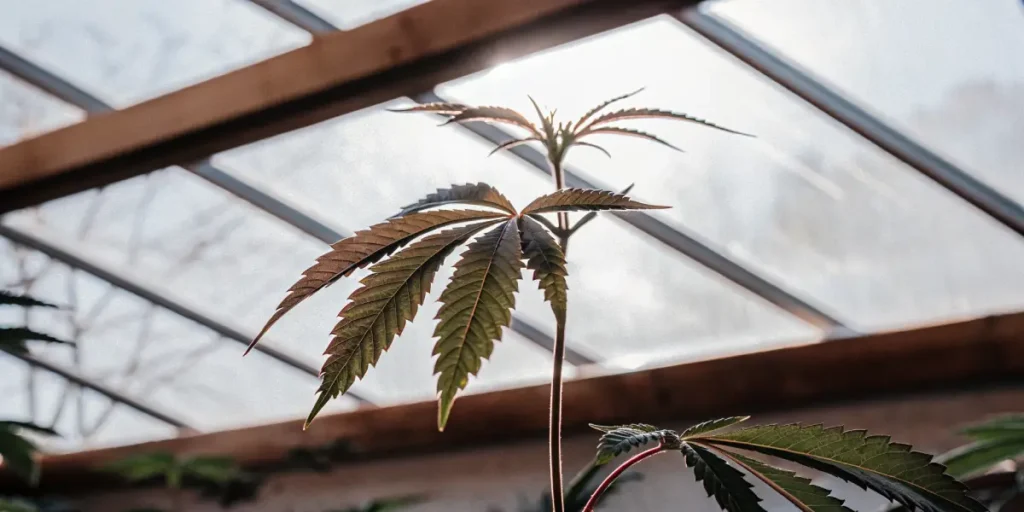
Identifying cannabis leaf problems involves observing color, texture, and shape changes. These visual cues provide insight into your plant’s health. Yellowing, browning, or curling leaves each point to different issues.
Regular inspection helps catch problems early. Set aside time each week to examine your plants closely. This habit can prevent minor issues from becoming major headaches.
Keeping a detailed journal of your observations can aid in tracking patterns and diagnosing recurring issues. Documenting changes in leaf appearance offers valuable insights for future reference in your beginner guide to cannabis leaf discoloration.
Engaging with online forums or local grower communities can also provide additional perspectives on common cannabis leaf color issues for beginners. Sharing experiences and solutions with others helps broaden your knowing and improve your cultivation skills.
Visual Cues and What They Mean
Yellow leaves often indicate nitrogen deficiency. This is common in the vegetative stage. Increase nitrogen intake to combat yellowing effectively.
Browning edges or tips can signal potassium deficiency. This might occur during flowering. Boost potassium levels to maintain healthy blooms.
Knowing the timing of these symptoms is crucial in addressing them effectively. For instance, yellowing early in the vegetative stage might require a different approach than yellowing during flowering.
Leaf curling, often due to environmental stress or nutrient imbalance, can be a more subtle indicator of underlying issues. Observing the severity and pattern of curling helps in pinpointing the exact cause.
Implementing Routine Checks
Routine checks are a proactive way to manage cannabis leaf discoloration. Regular observation helps identify issues before they escalate. Pay attention to color changes, spots, and texture variations.
Set a schedule to inspect your plants. Weekly checks work well for many growers. Keep a journal to track your observations and any adjustments made.
Incorporating technology, such as plant monitoring apps or smart sensors, can enhance your ability to track environmental conditions and plant health. These tools provide real-time data, allowing for more precise management.
As you gain more experience, refining your inspection routine will become second nature. Over time, this practice will help you detect and address potential issues with greater confidence and efficiency.
Common Cannabis Leaf Color Issues for Beginners
As a novice, it’s normal to encounter common cannabis leaf color issues. Yellowing is perhaps the most frequent problem. It typically points to nutrient deficiencies or pH imbalances.
Leaf spotting can also occur, often due to pest infestations or fungal infections. Regularly checking for pests can prevent and address this issue promptly.
To mitigate these common problems, ensure your grow environment is clean and well-ventilated to discourage pest and disease development. Implementing integrated pest management practices can also protect your plants from infestations.
Curling leaves might indicate overwatering or underwatering. Adjust your watering schedule to find the right balance. Consistent care and observation are key to managing these common problems.
FAQs about beginner guide to cannabis leaf discoloration
What causes cannabis leaves to turn yellow?
Yellowing leaves in cannabis plants are a common concern, especially for beginners. This issue often arises from nutrient deficiencies, particularly nitrogen. Without sufficient nitrogen, plants cannot produce the chlorophyll needed for green leaves.
pH imbalances can also lead to yellowing. If the pH level is outside the optimal range, nutrient uptake is hindered. Ensure your soil or hydroponic solution maintains a balanced pH to avoid this issue.
Environmental conditions, such as inadequate light or extreme temperatures, can exacerbate yellowing. Ensuring that your plants receive the appropriate light exposure and temperature stability is vital in preventing this common issue.
For those following a beginner’s guide to cannabis leaf yellowing, integrating preventive measures into your cultivation routine will help maintain healthy plant growth and reduce the risk of yellowing.
How can I prevent cannabis leaf discoloration?
Preventing cannabis leaf discoloration involves proactive measures. Regularly check your plants for signs of distress. Maintain a balanced nutrient schedule and monitor pH levels closely.
Choose resilient strains like those from Blimburn Seeds, such as Skywalker, which is bred for hardiness and strong adaptability. These strains can withstand minor environmental fluctuations, making them ideal for growers seeking reliability and consistent performance. Incorporating a routine inspection regime will also help catch potential problems early and keep plants healthy throughout the grow cycle.
Establishing a comprehensive growth plan, which includes optimal watering, light, and nutrient management, is essential for preventing discoloration. This structured approach provides a clear pathway for maintaining plant health.
Educational resources, such as workshops or online courses, can further enhance your knowing of cannabis cultivation. These resources equip you with the knowledge needed to prevent and address leaf discoloration effectively.
What are the signs of overwatering in cannabis plants?
Overwatering is a common mistake among beginners and can lead to leaf discoloration. Signs include wilting, yellowing, and curling leaves. The plant may appear droopy, even though the soil is wet.
To prevent overwatering, allow the soil to dry out between waterings. Use pots with good drainage and ensure the growing medium is suitable for cannabis cultivation.
Monitoring soil moisture levels with a moisture meter can provide accurate readings, helping you to adjust your watering schedule appropriately. This tool is particularly beneficial for new growers learning to manage water needs.
Knowing the specific water requirements of your chosen cannabis strain, such as those from Blimburn Seeds, can also inform your watering practices and prevent overwatering-related issues.
Why are my cannabis leaves developing brown spots?
Brown spots on cannabis leaves can indicate several issues. Nutrient deficiencies, particularly calcium or phosphorus, are common culprits. Address this by adjusting your nutrient regimen accordingly.
Pests and diseases can also cause spotting. Regularly inspect your plants for insects or signs of disease. Early detection and treatment are essential for preventing further damage.
Implementing a pest and disease management strategy, including the use of natural predators or organic treatments, can help control these problems effectively. This proactive approach is key to maintaining healthy plants.
Environmental stress, such as extreme humidity or temperature fluctuations, can also contribute to brown spotting. Ensuring a stable grow environment minimizes stress and supports robust plant health.
Can environmental factors cause leaf discoloration?
Yes, environmental factors can significantly impact leaf color. Temperature extremes, poor lighting, and humidity levels all play a part. Too much heat or cold can stress plants, leading to discoloration.
Ensure your grow environment is stable and suitable for cannabis. Use fans, heaters, or dehumidifiers to maintain optimal conditions. By controlling these factors, you can prevent many common issues.
Implementing environmental controls, such as automated systems for temperature and humidity, can offer precise management and enhance plant resilience. These systems are especially beneficial in larger grow operations.
For new growers, knowing the interplay between environmental conditions and plant health is crucial. Adopting best practices in environmental management is a core component of a beginner guide to cannabis leaf discoloration.