Effective Curing Room Smell Control for Cannabis VOCs

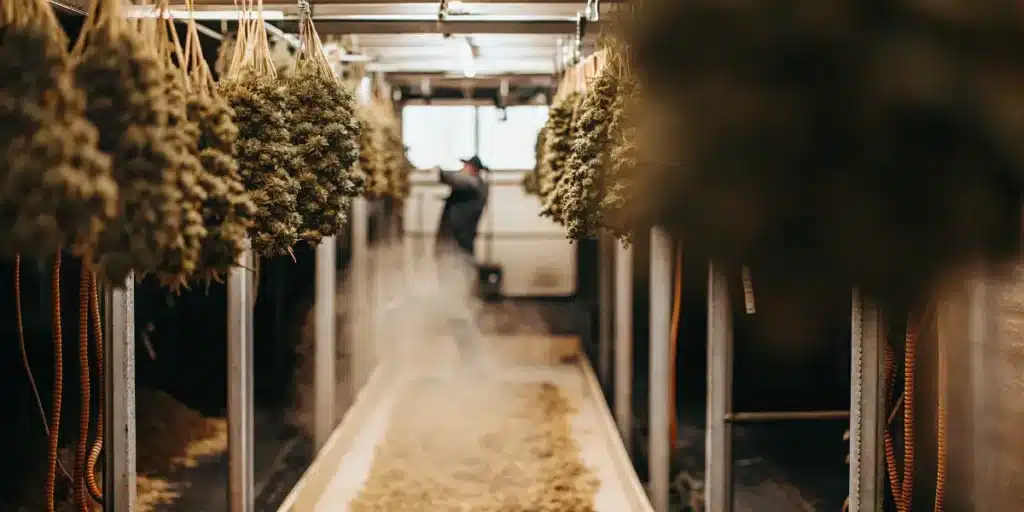
Control cannabis VOCs effectively: Managing the smell in cannabis curing rooms is essential for maintaining discretion and efficiency. Volatile organic compounds (VOCs) are responsible for the distinct aroma. Implementing effective curing room smell control cannabis VOCs strategies, such as advanced air filtration systems, can significantly reduce VOC emissions and create a more pleasant environment. These measures ensure a controlled and odor-free curing process, which is crucial for professional growers focused on quality and compliance.
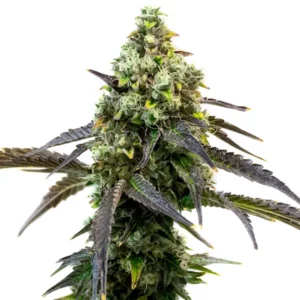
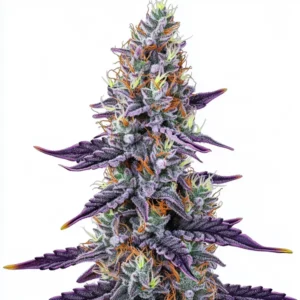
Terpenes play a significant role in the aroma of cannabis, contributing to the volatile organic compounds (VOCs) emitted during curing. With a flowering time of 8-9 weeks, strains like GG4 are known for their intense smell, making odor control vital. Experienced growers report that managing the interaction between terpenes and VOCs can help you control these aromas effectively.
Recommended Strains


Cannabis VOCs: What You Need to Know
What are VOCs in Cannabis?
VOCs in cannabis are primarily terpenes and terpenoids, responsible for the plant’s aromatic profile. These compounds evaporate at room temperature, contributing to the distinct smell of cannabis. Proper curing room smell control cannabis VOCs strategies are essential for managing strong aromas while preserving terpene quality during the drying and curing process. Terpenes like myrcene, which can range from 0.5-1.5%, are known for their earthy scent and can enhance THC absorption through the blood-brain barrier.
During the curing process, these VOCs are released in higher concentrations, especially in strains with high terpene content. For instance, GG4, known for its resinous buds, emits significant VOCs, necessitating effective smell control methods. Monitoring terpene levels can help in predicting VOC emissions.
How VOCs Affect Smell
The combination of various terpenes creates the unique aroma profile of each cannabis strain. Limonene, ranging from 0.5-1%, adds a citrusy scent, while caryophyllene, at 0.4-0.7%, provides a spicy note. These compounds not only influence smell but also interact with the endocannabinoid system, affecting the overall experience.
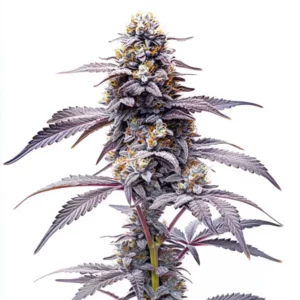
Knowing the specific terpene profile of your cannabis can help in selecting the right odor control technology. Strains with high myrcene content, like Future 1, require robust air filtration systems to manage their potent aroma effectively.
Promos & Deals

Methods for Curing Room Smell Control
Air Purifiers and Filters
Air purifiers equipped with HEPA filters are effective in reducing cannabis VOCs. These filters capture particles as small as 0.3 microns, significantly decreasing airborne terpenes. For optimal results, maintain a filtration rate of at least 5 air changes per hour in your curing room.
Activated carbon filters are another option, as they absorb VOCs through adsorption. Replacing these filters every 3-6 months ensures maximum efficiency. Combining HEPA and carbon filters can provide comprehensive odor control in cannabis curing rooms.
Advanced Odor Control Technologies
Ozone generators and UV light systems are advanced technologies used to neutralize VOCs. Ozone generators break down VOCs at a molecular level, while UV light systems use photolysis to achieve similar results. However, these methods require careful handling due to potential health risks.
Implementing a multi-layered approach, combining traditional and advanced technologies, can provide the most effective odor control. Effective curing room smell control cannabis VOCs strategies help reduce strong aromas while preserving the quality of the final product. Regular monitoring of VOC levels ensures that your systems are functioning optimally.
Best Practices for Odor Management
Integrating Technology with Traditional Methods
Combining advanced technologies with traditional methods like ventilation can enhance odor control. Ensure your curing room has a proper ventilation system, maintaining air exchange rates between 5-10 times per hour. This helps in diluting VOC concentrations effectively.
Using odor-neutralizing agents alongside air filtration systems can further reduce cannabis smells. However, be cautious with their use, as some agents may alter the aroma profile of your cannabis.

Professional Tips for Curing Room Smell Control
- Maintain 58-62% RH during curing to preserve terpene integrity. Lower humidity levels can lead to terpene degradation, affecting the final aroma.
- Use a combination of HEPA and activated carbon filters for comprehensive VOC reduction. Replace filters every 3-6 months to ensure efficiency.
- Monitor VOC levels regularly with a digital meter to adjust your odor control systems as needed.
- Implement a multi-layered odor control strategy, combining air filtration, ventilation, and odor-neutralizing agents.
- Avoid using ozone generators without proper ventilation, as excessive ozone can be harmful to health.
- Consider the terpene profile of your strains when selecting odor control technologies, as some terpenes are more volatile than others.
FAQ about curing room smell control cannabis VOCs
Does cannabis emit VOCs?
Yes, cannabis emits volatile organic compounds (VOCs) during the curing process. These include terpenes like myrcene and limonene, which contribute to the plant’s distinct aroma. VOC emissions can vary based on the strain and curing conditions, typically requiring effective odor management strategies.
Do air purifiers get rid of the smell of cannabis?
Air purifiers, especially those with HEPA and activated carbon filters, can significantly reduce the smell of cannabis by capturing VOCs. For optimal results, ensure your purifier has a high air change rate, ideally 5-10 times per hour, to effectively manage odors in the curing room.
What is the odor control system for cannabis?
The best odor control systems for cannabis curing rooms combine HEPA filters, activated carbon filters, and proper ventilation. These systems effectively capture and neutralize VOCs, maintaining a discreet environment. Regular maintenance and monitoring of these systems ensure their continued effectiveness.
What hides the smell of cannabis?
Odor-neutralizing agents, combined with air filtration systems, can effectively mask cannabis smells. However, it’s essential to use these agents cautiously, as they may alter the natural aroma of the cannabis. Proper ventilation and maintaining optimal curing conditions also play a crucial role in odor management.
How to choose the right odor control technology?
Select odor control technology based on the terpene profile and VOC emission level of your cannabis strain. High VOC strains like GG4 require robust systems, such as HEPA and carbon filters, while lower VOC strains may only need basic filtration and ventilation.